Autonomous thermodynamically informed database generation for machine-learned interatomic potentials and application to magnesium
Vincent G. Fletcher, Albert P. Bartók, Livia B. Pártay

TL;DR
This paper introduces an automated method to build training databases for machine-learned interatomic potentials, applied to magnesium, enabling accurate predictions across extreme conditions.
Contribution
A novel automated framework for generating thermodynamically informed training data for MLIPs without prior phase knowledge.
Findings
The framework successfully generated a magnesium model valid across 0–600 GPa and 0–8000 K.
The model accurately predicted phonon spectra, elastic constants, and phase diagrams.
The approach reduces computational cost while maintaining robustness and transferability.
Abstract
We propose a novel approach for constructing training databases for Machine-Learned Interatomic Potential (MLIP) models, specifically designed to capture phase properties across a wide range of conditions. The framework is uniquely appealing due to its ease of automation, its suitability for iterative learning, and its independence from prior knowledge of stable phases, avoiding bias towards pre-existing structural data. The approach uses Nested Sampling (NS) to explore the configuration space and generate thermodynamically relevant configurations, forming the database which undergoes ab initio Density Functional Theory (DFT) evaluation. We use the Atomic Cluster Expansion (ACE) architecture to fit a model on the resulting database. To demonstrate the efficiency of the framework, we apply it to magnesium, developing a model capable of accurately describing behaviour across pressure and…
Genes, proteins, chemicals, diseases, species, mutations and cell lines named across the full text — each resolved to its canonical identifier and authoritative record.
Click any figure to enlarge with its caption.
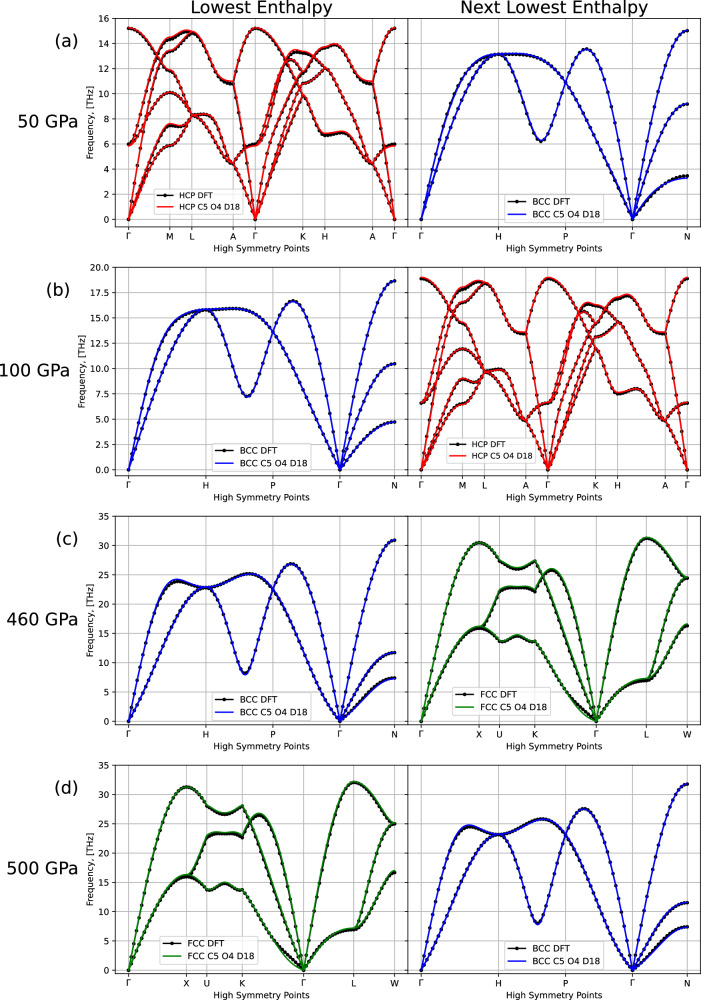 Figure 10
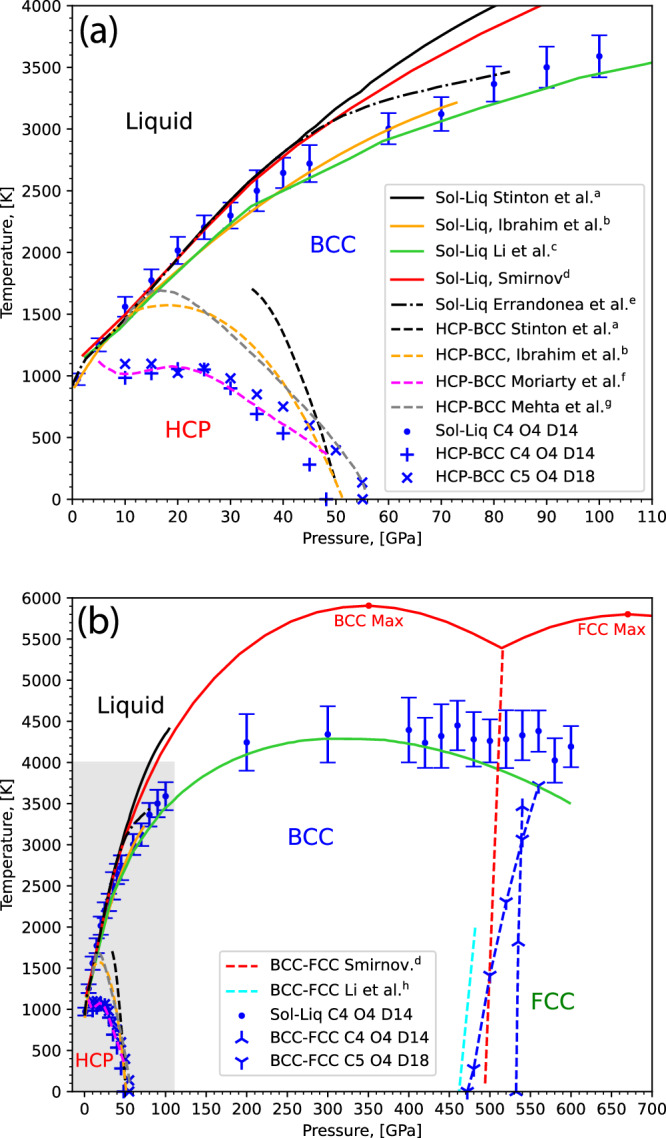 Figure 11
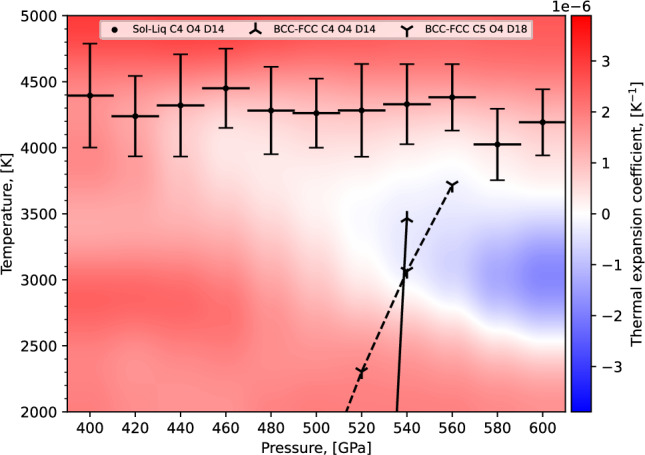 Figure 12
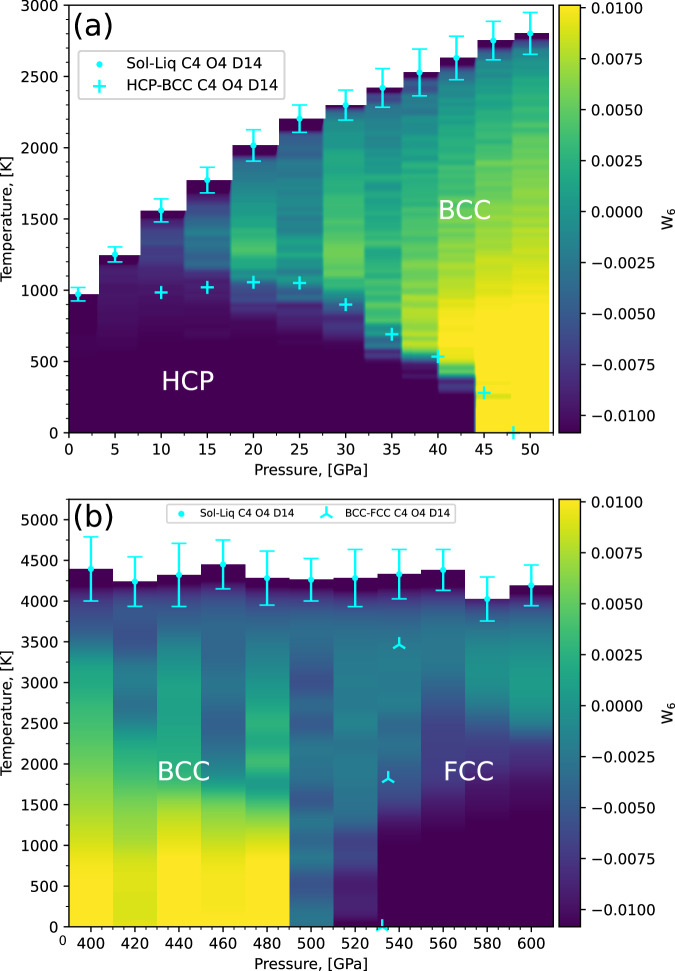 Figure 13
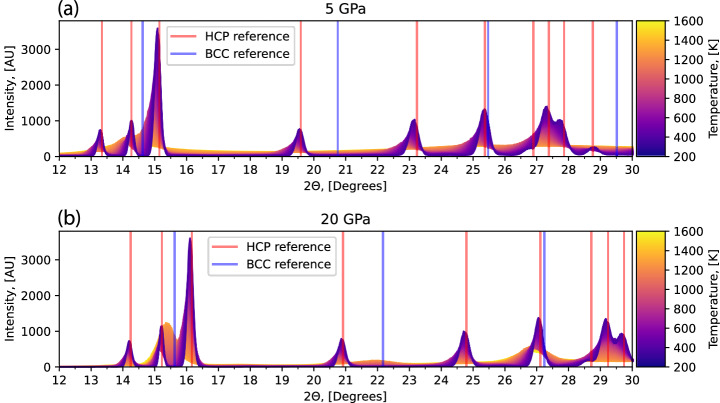 Figure 14
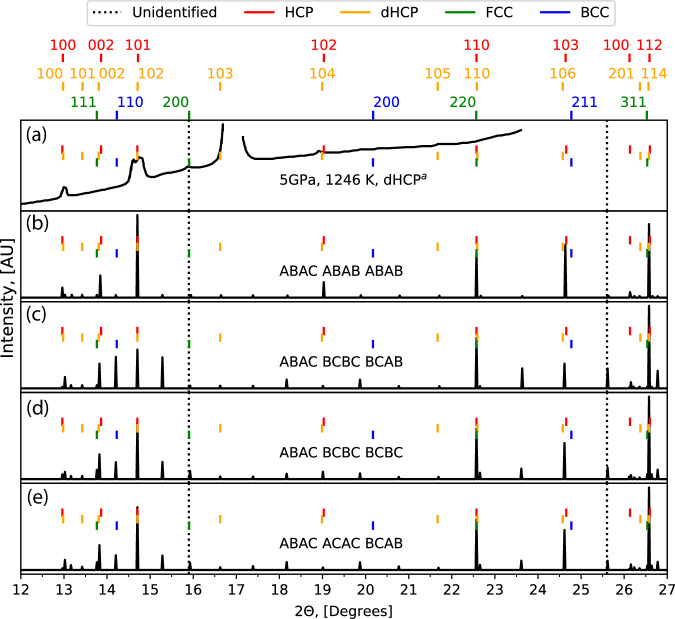 Figure 15
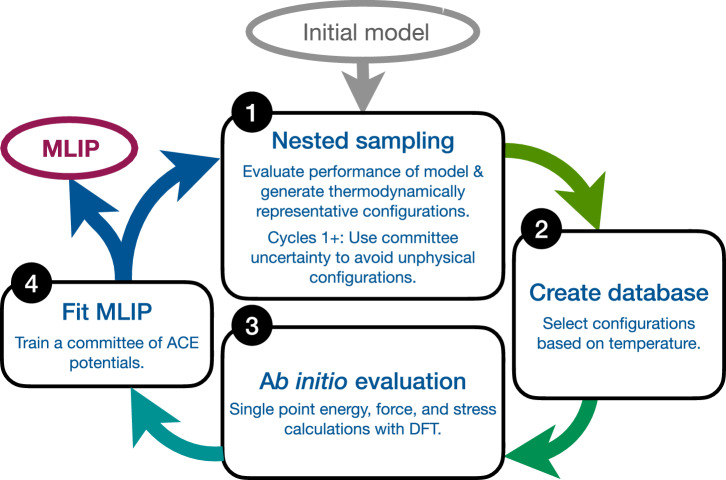 Figure 1
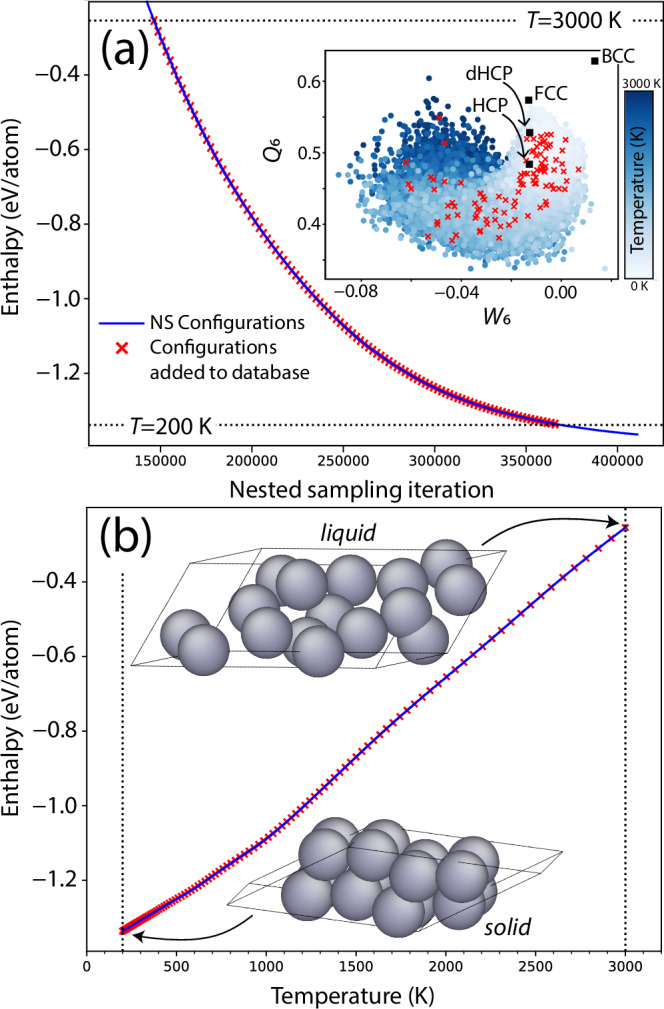 Figure 2
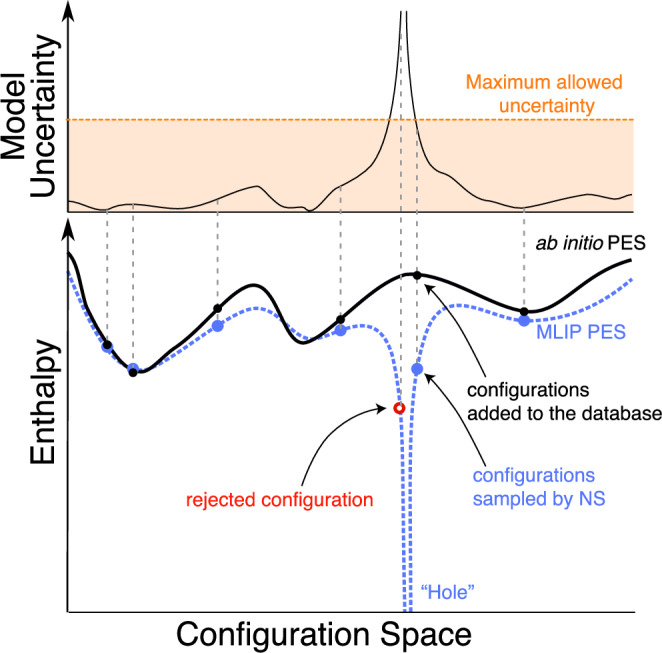 Figure 3
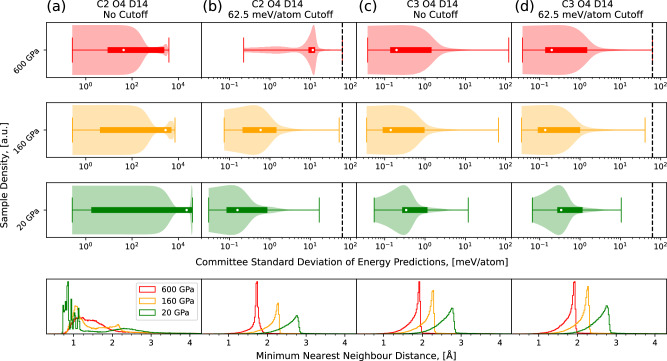 Figure 4
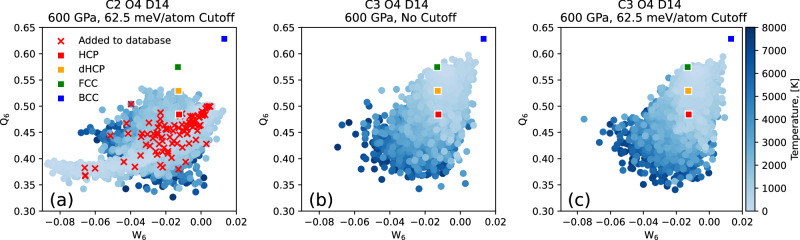 Figure 5
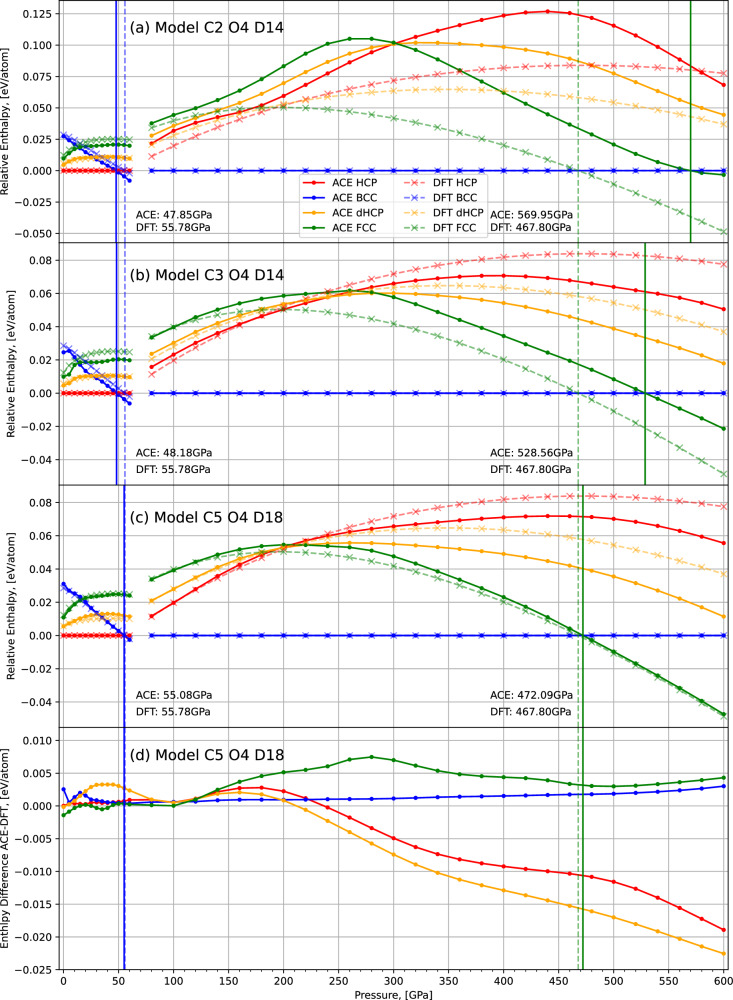 Figure 6
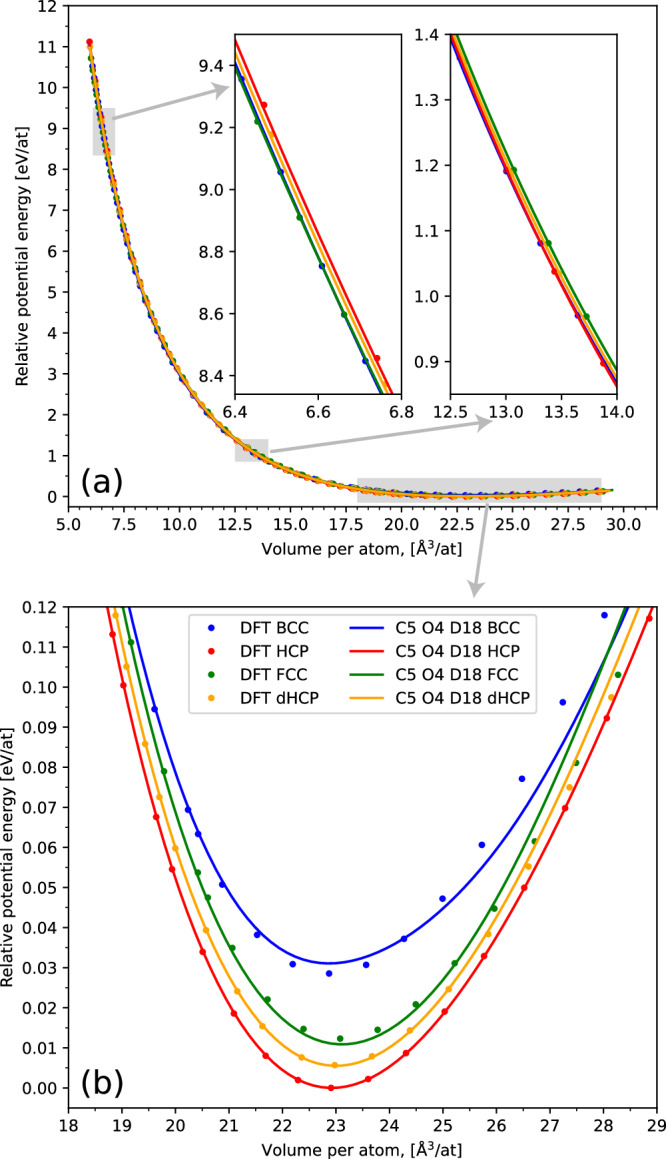 Figure 7
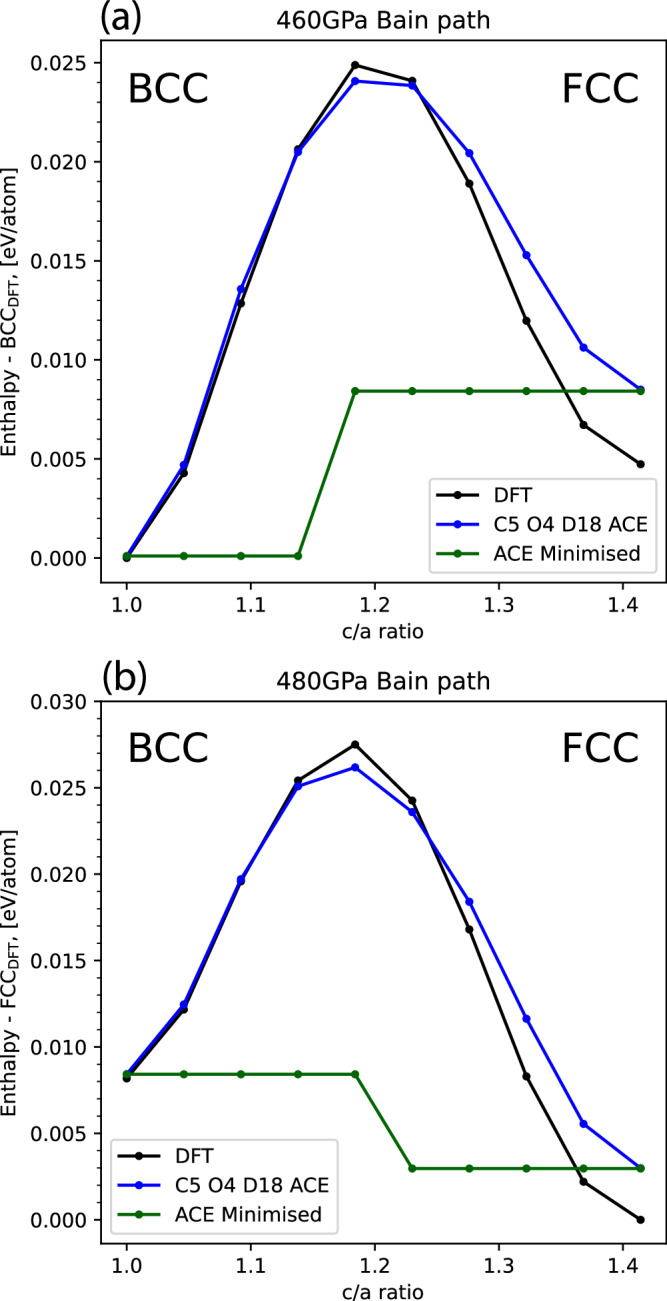 Figure 8
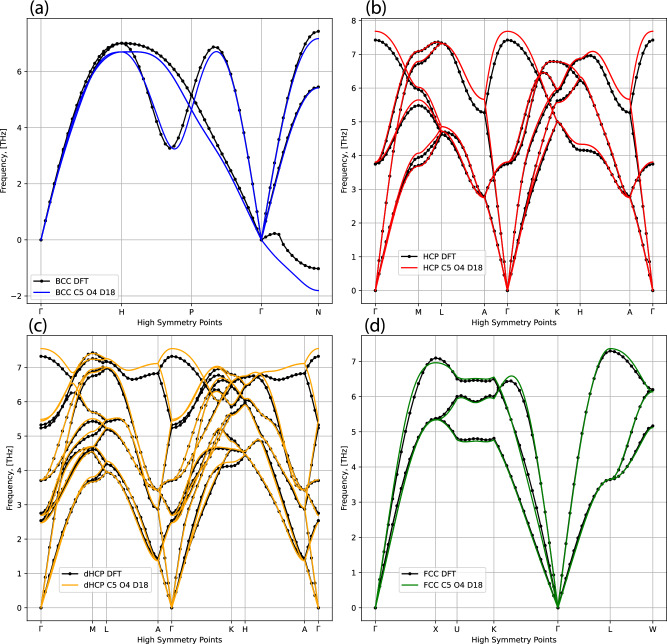 Figure 9
Peer Reviews
No public reviews on file for this paper yet. If you reviewed it on a platform where reviews are public (OpenReview, ICLR, NeurIPS, ICML), you can paste yours below so the community can read it here.
Videos
No videos yet. Explain this paper in a talk, walkthrough, or lecture? Add one.
Taxonomy
TopicsMachine Learning in Materials Science · Inorganic Chemistry and Materials · High-pressure geophysics and materials