Mechanical needle guidance for ultrasound-guided parasagittal oblique in-plane paravertebral blocks: a cadaveric study
Hesham Elsharkawy, Ece Yamak Altinpulluk, Tetsuya Shimada, Ilker Ince, Guangmei Mao, Nicolas Mario Mas D Alessandro, Loran Mounir Soliman, Nair Harsha, Marta Kelava, Richard Drake, Xuan Pu, Daniel I. Sessler, Alparslan Turan

TL;DR
A study tested if a mechanical needle guide improves ultrasound visibility during paravertebral blocks but found no significant benefit for novice users.
Contribution
The study evaluates the effectiveness of a mechanical needle guide in improving ultrasound-guided paravertebral block performance by novices.
Findings
No significant difference in needle tip visibility with or without the mechanical guide.
No improvement in procedural time or difficulty scores when using the guide.
Subjective ease-of-use ratings did not favor the guided method.
Abstract
Paravertebral blocks provide analgesia for a range of thoracoabdominal surgeries. However, visualizing the needle tip during the procedure can be challenging, especially for clinicians with limited experience, because the target is deep. We therefore tested the primary hypothesis that needle guidance by the Infiniti Plus system improves ultrasound visualization of the needle tip during thoracic paravertebral blocks performed by novice residents. Nineteen clinical anesthesia residents each performed 20 bilateral ultrasound-guided thoracic paravertebral blocks (T2–T11) on 17 unembalmed cadavers, with and without the use of a fixed-angle mechanical needle guide in a randomized crossover design. The primary outcome, percent perfect needle visibility, was compared between guided and unguided methods using a paired t-test. Secondary outcomes, including time to needle visualization, number of…
Genes, proteins, chemicals, diseases, species, mutations and cell lines named across the full text — each resolved to its canonical identifier and authoritative record.
Click any figure to enlarge with its caption.
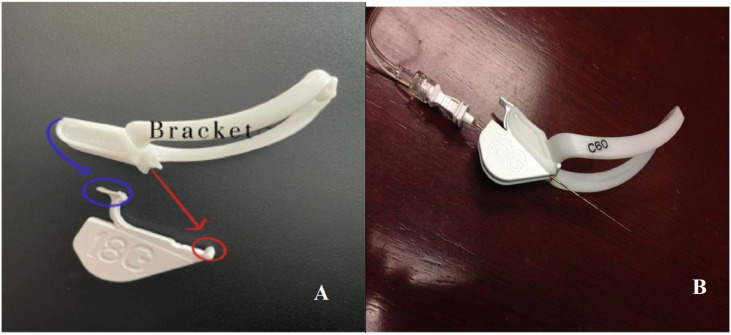 Figure 1
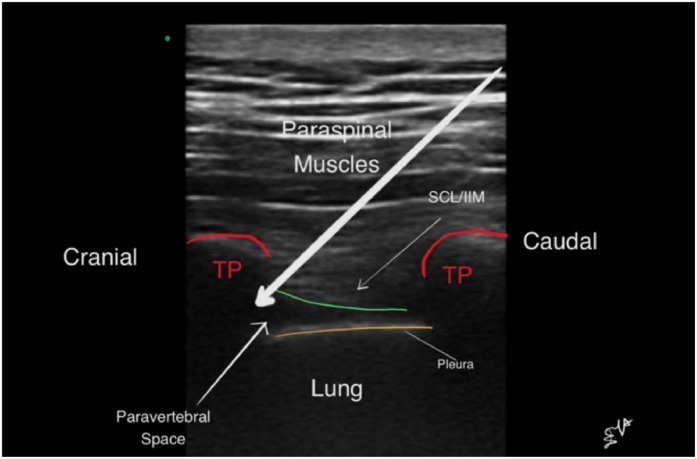 Figure 2
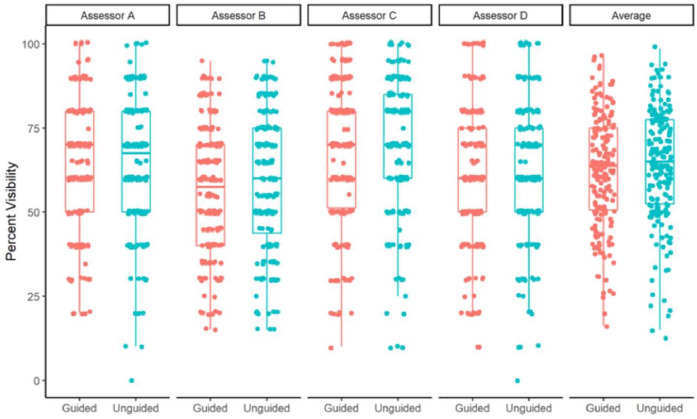 Figure 3
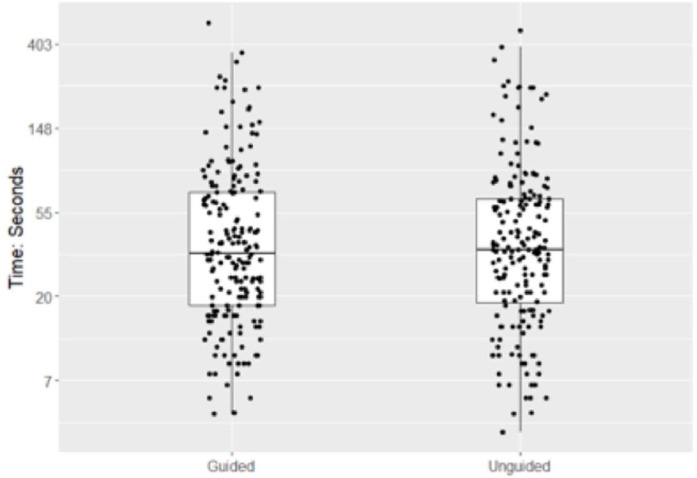 Figure 4
Peer Reviews
No public reviews on file for this paper yet. If you reviewed it on a platform where reviews are public (OpenReview, ICLR, NeurIPS, ICML), you can paste yours below so the community can read it here.
Videos
No videos yet. Explain this paper in a talk, walkthrough, or lecture? Add one.
Taxonomy
TopicsSpinal Fractures and Fixation Techniques · Cervical and Thoracic Myelopathy · Anesthesia and Pain Management