Crotonate suppresses breast cancer metastasis and promotes immunotherapy response by inducing ACSS2-mediated EZH2-K348 crotonylation
Bo Liu, Xinwei Duan, Ge Wang, Youzhi Tang, Kunhao Zhou, Jing Zhang, Yu Yu, Hongquan Zhang

TL;DR
Crotonate, a short-chain fatty acid, can reduce breast cancer growth and improve immunotherapy by causing the breakdown of the EZH2 protein.
Contribution
Crotonate induces EZH2-K348 crotonylation, leading to its degradation and suppression of breast cancer.
Findings
Crotonate promotes EZH2 degradation via K348 crotonylation.
Crotonate inhibits breast cancer growth and metastasis more effectively than tazemetostat.
Crotonate combined with anti-PD-L1 improves immunotherapy response in breast cancer.
Abstract
Crotonate, a short-chain fatty acid, generates protein crotonylation. However, the role of crotonate in cancer progression is unknown. Here, we present a crotonate–crotonyl–coenzyme A (CoA)–enhancer of zeste homolog 2 (EZH2) crotonylation cascade blocking breast cancer growth and metastasis. We demonstrated that crotonate promotes EZH2 degradation via crotonyl-CoA–mediated crotonylation at Lys348 in EZH2 (EZH2-K348cr). EZH2-K348cr leads to reduced genome-wide H3K27me3 (trimethylation of lysine-27 on histone-3) occupancy. Crotonate metabolizes to crotonyl-CoA by ACSS2 (acyl-CoA synthetase 2), and then, acyltransferase p300 catalyzes crotonyl-CoA and generates EZH2-K348cr. Crotonylated EZH2 triggers EZH2 ubiquitination and degradation. Administration of crotonate markedly inhibits breast cancer cell growth and metastasis via a crotonate-crotonyl-CoA-EZH2-K348cr cascade. In comparison,…
Genes, proteins, chemicals, diseases, species, mutations and cell lines named across the full text — each resolved to its canonical identifier and authoritative record.
Click any figure to enlarge with its caption.
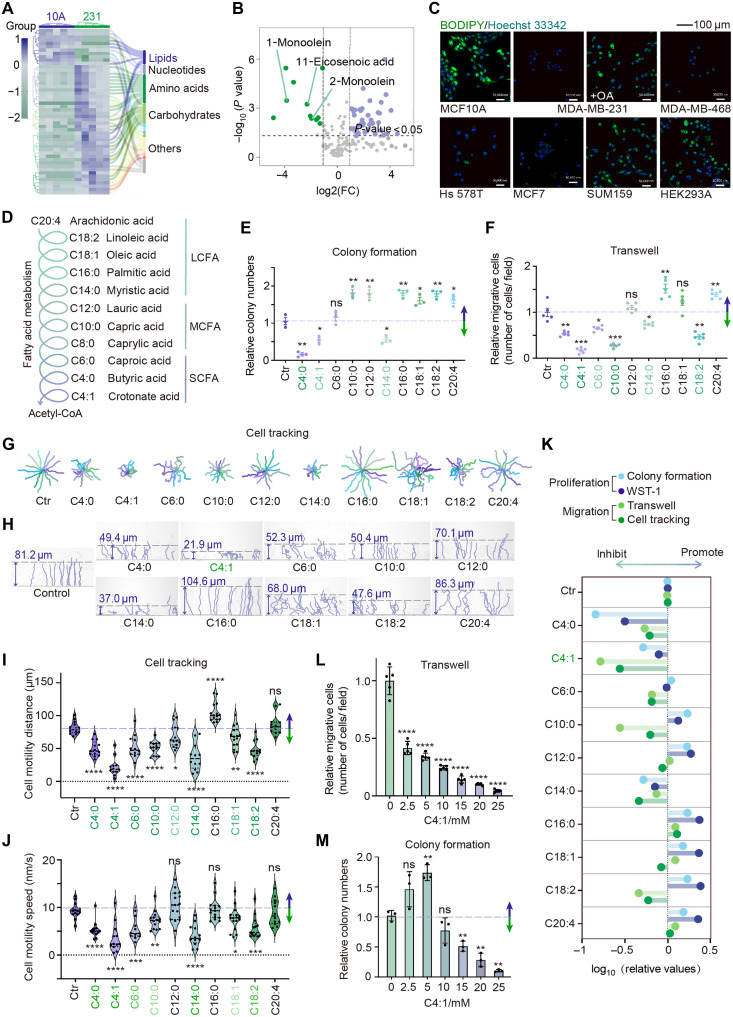 Figure 1
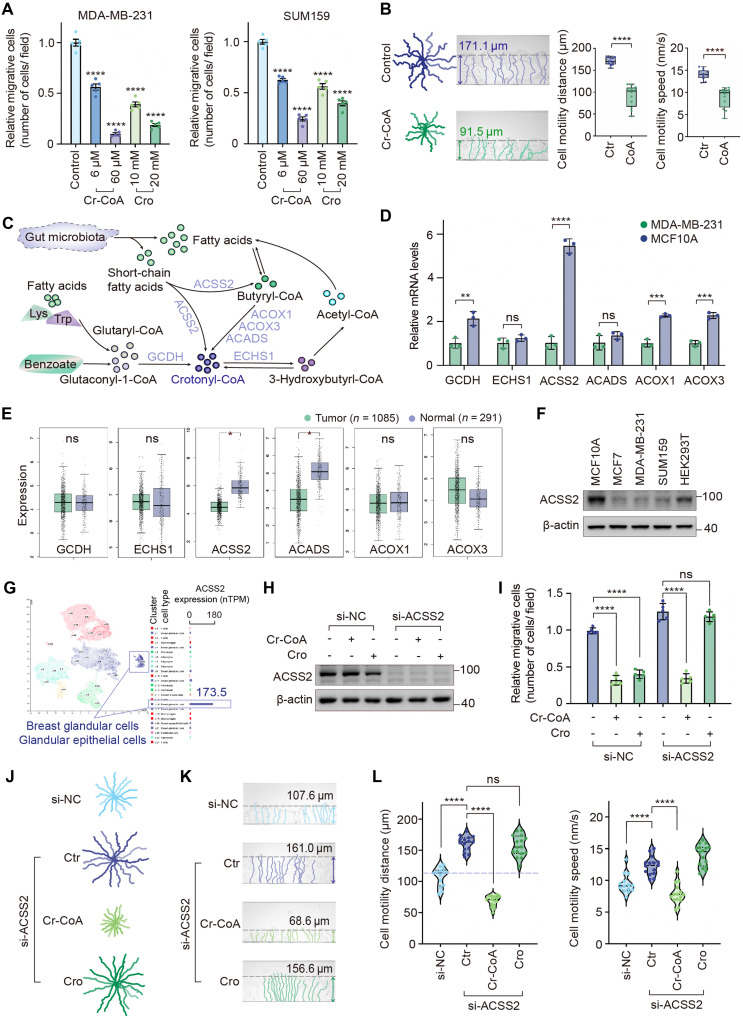 Figure 2
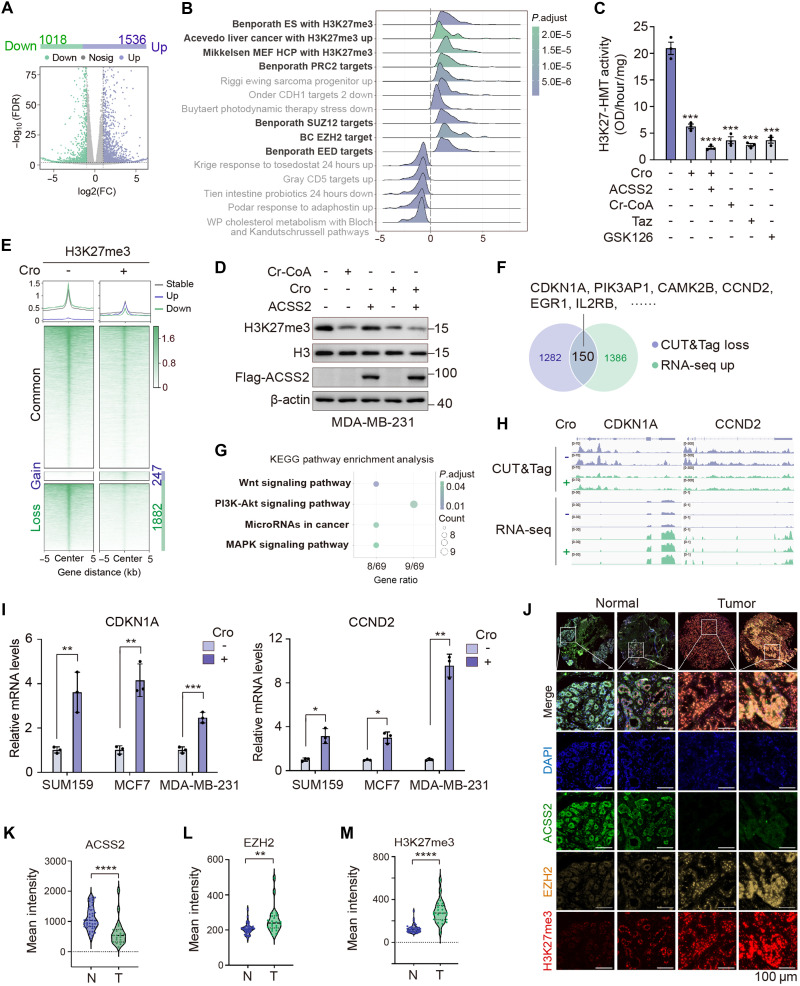 Figure 3
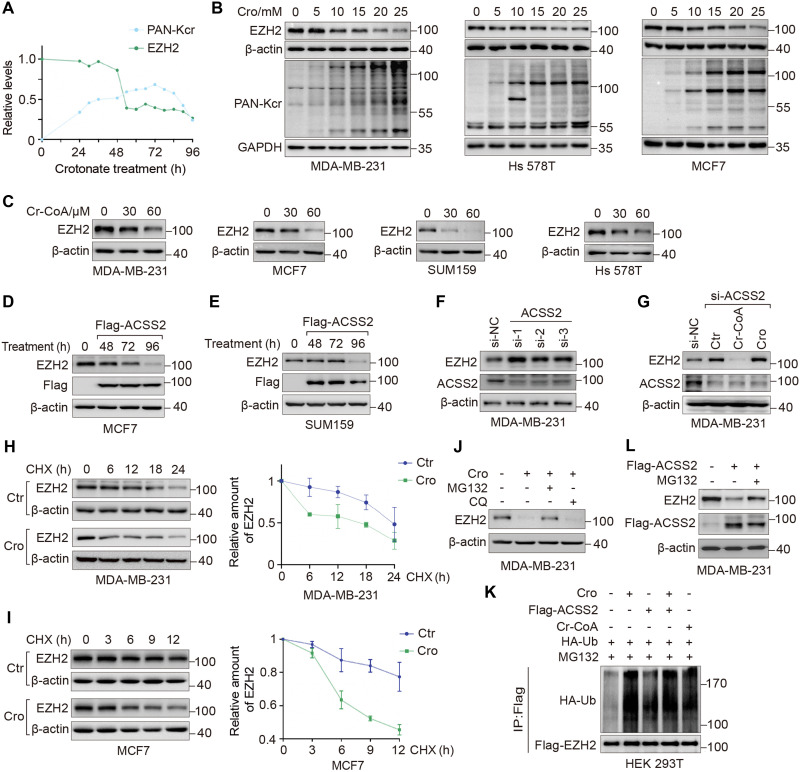 Figure 4
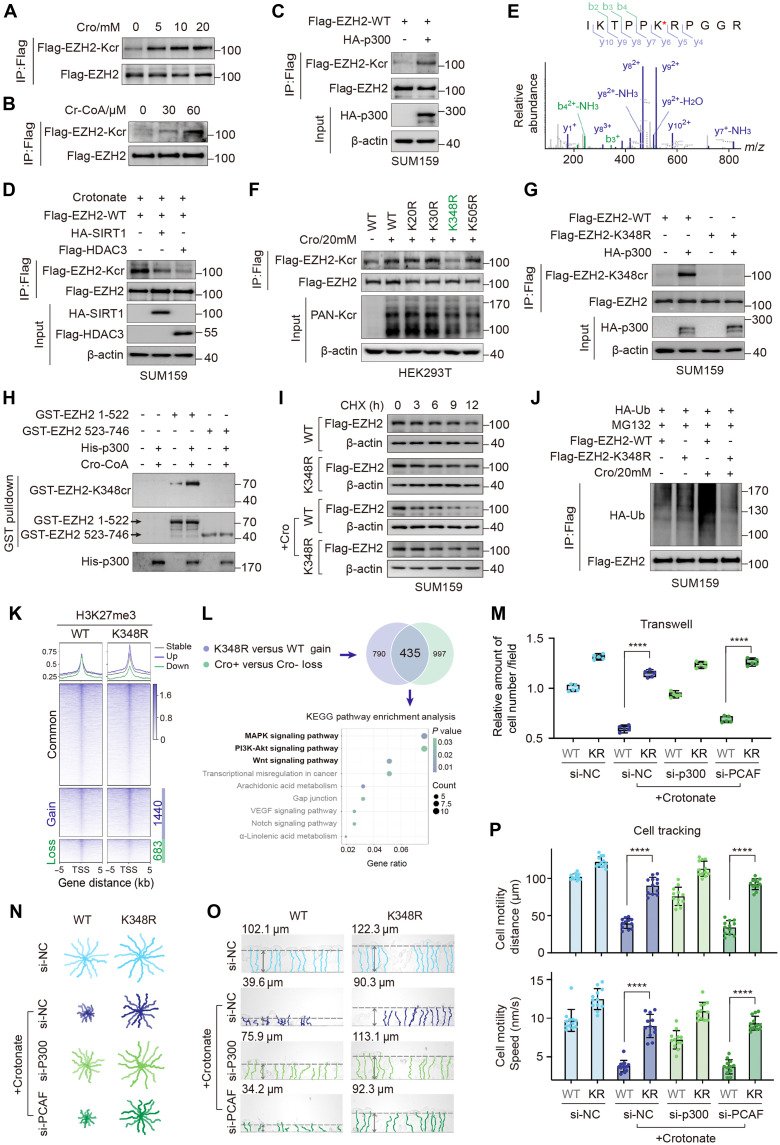 Figure 5
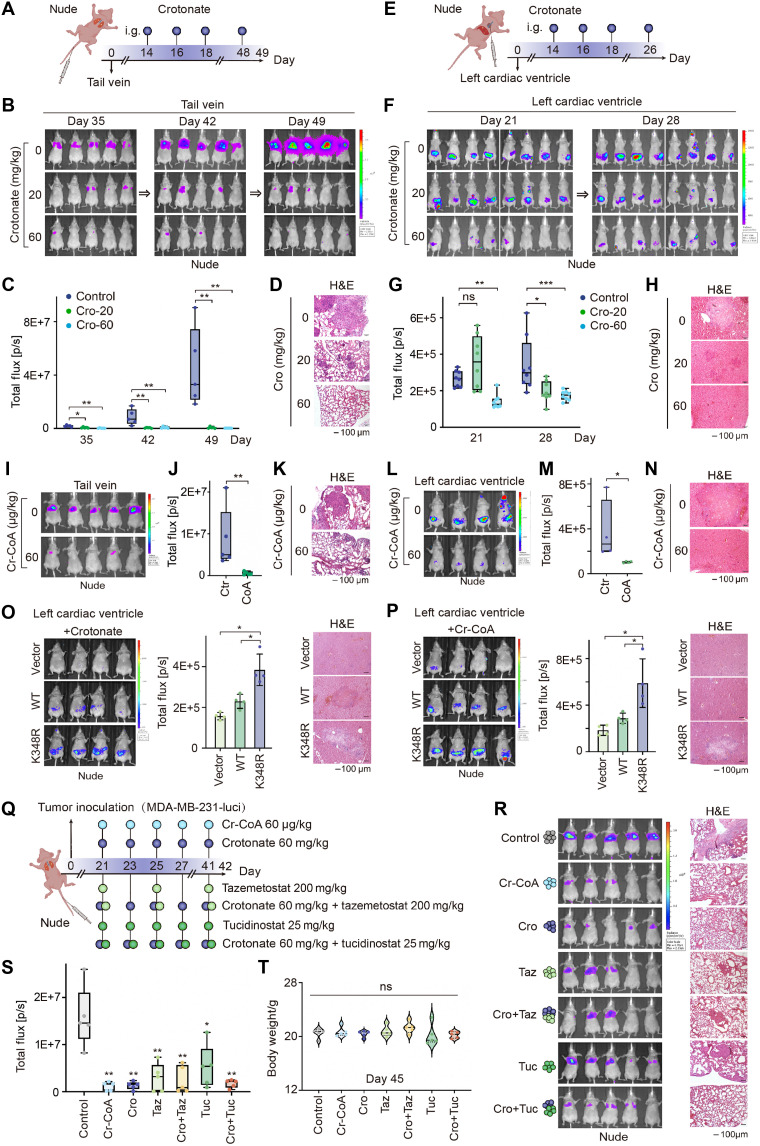 Figure 6
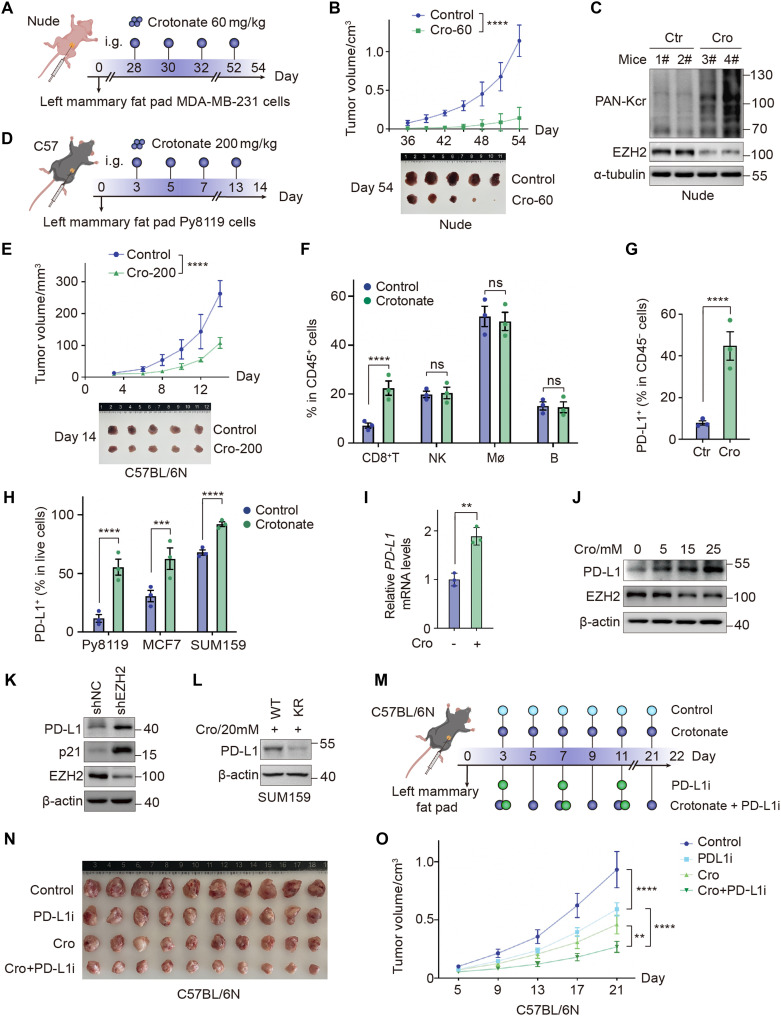 Figure 7
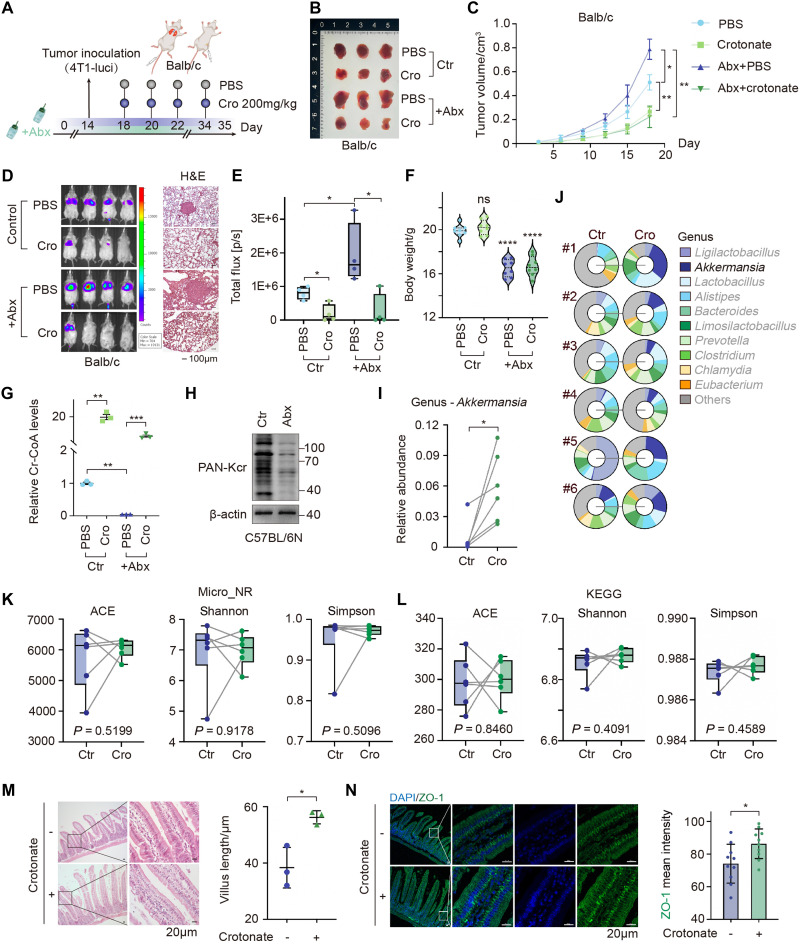 Figure 8
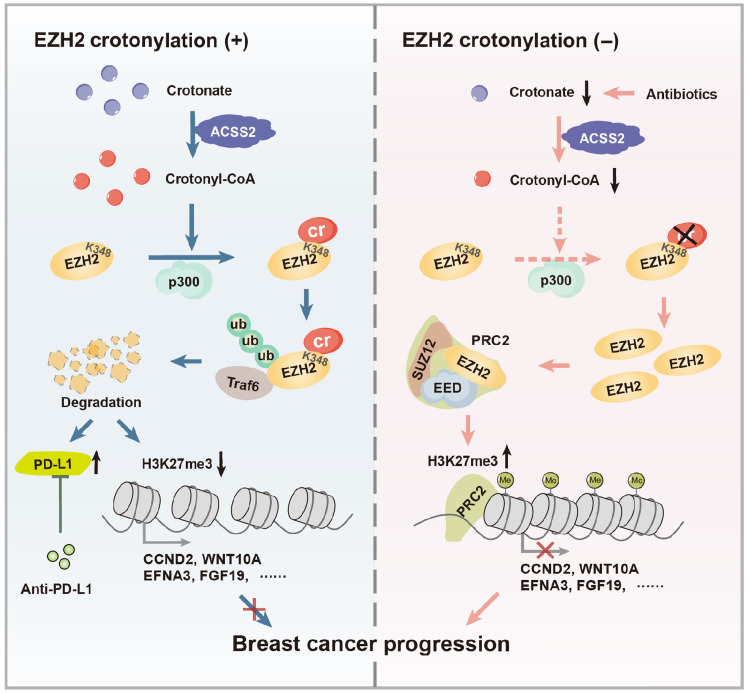 Figure 9
Peer Reviews
No public reviews on file for this paper yet. If you reviewed it on a platform where reviews are public (OpenReview, ICLR, NeurIPS, ICML), you can paste yours below so the community can read it here.
Videos
No videos yet. Explain this paper in a talk, walkthrough, or lecture? Add one.
Taxonomy
TopicsCancer, Hypoxia, and Metabolism · Ferroptosis and cancer prognosis · Cancer, Lipids, and Metabolism