Spontaneous Heparin-Induced Thrombocytopenia Following Orthopedic Surgery
Aleksey Korolyov, Rong Hu

TL;DR
This paper presents a rare case of spontaneous HIT in an elderly patient after knee replacement surgery, without prior heparin exposure.
Contribution
The novelty lies in reporting a rare occurrence of spontaneous HIT following orthopedic surgery without heparin exposure.
Findings
An 83-year-old patient developed HIT after knee replacement surgery without prior heparin exposure.
The case highlights the importance of considering spontaneous HIT in postoperative patients with unexplained thrombocytopenia.
Abstract
Heparin-induced thrombocytopenia (HIT) is a life-threatening complication most commonly associated with exposure to heparin. Timely recognition of suspected HIT is vital, as early intervention is associated with improved outcomes and a decreased mortality rate. Spontaneous HIT is a rare form that occurs in the absence of heparin exposure. Here, we report the case of an 83-year-old patient diagnosed with spontaneous HIT after undergoing knee replacement surgery.
Genes, proteins, chemicals, diseases, species, mutations and cell lines named across the full text — each resolved to its canonical identifier and authoritative record.
Click any figure to enlarge with its caption.
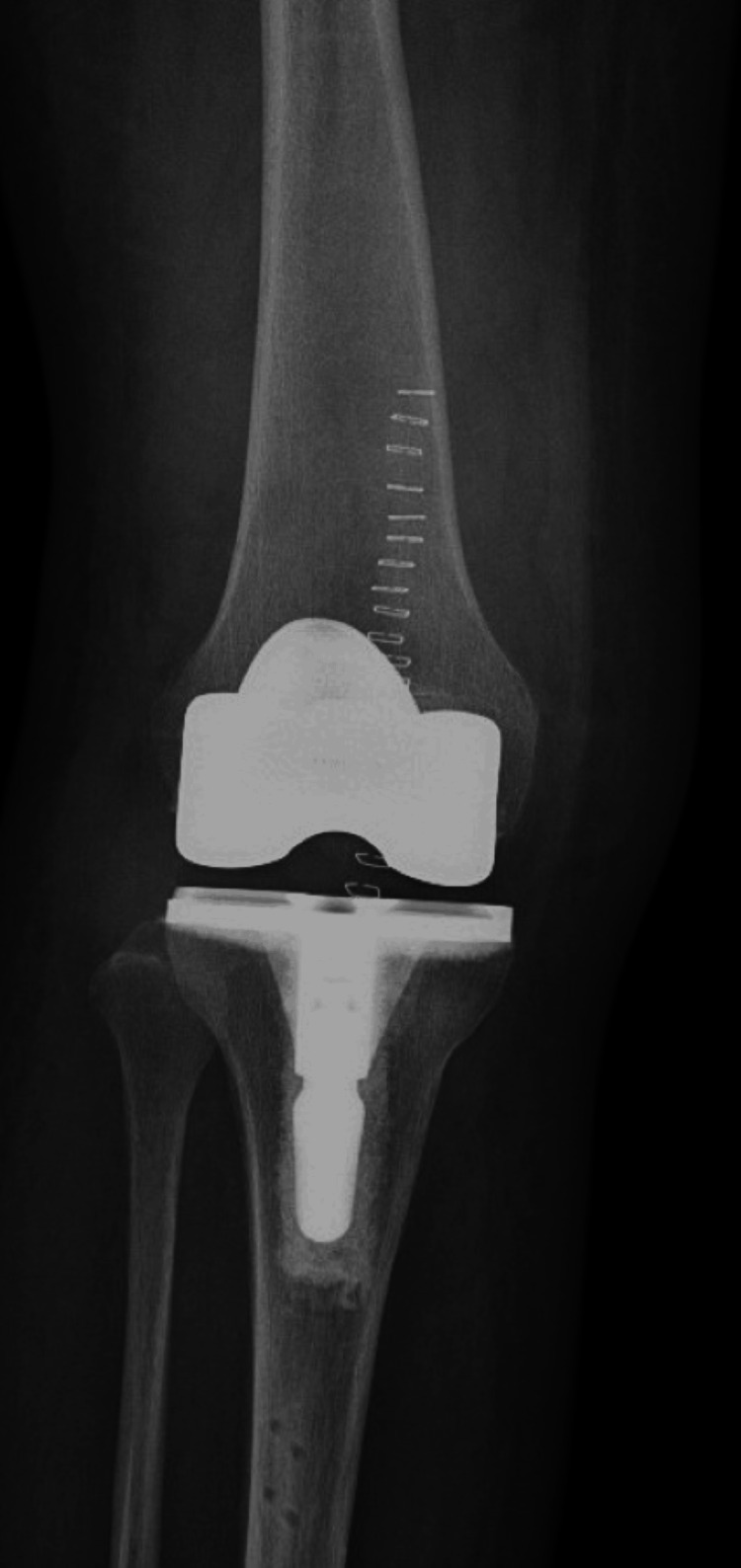 Figure 1
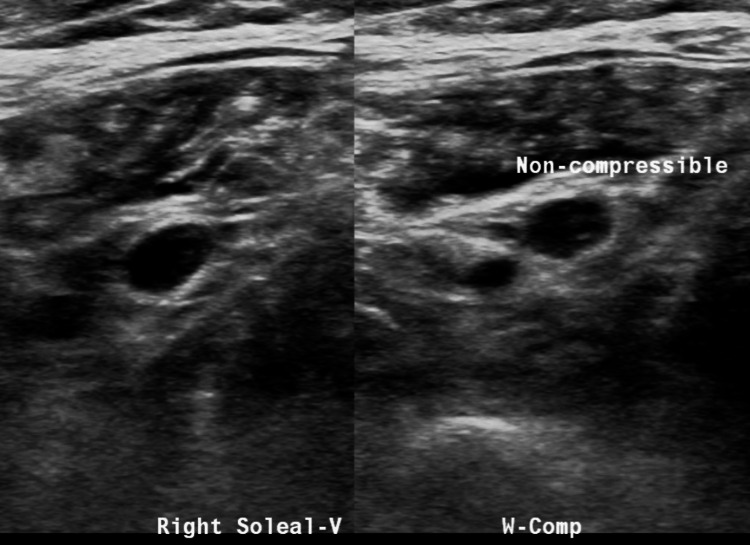 Figure 2
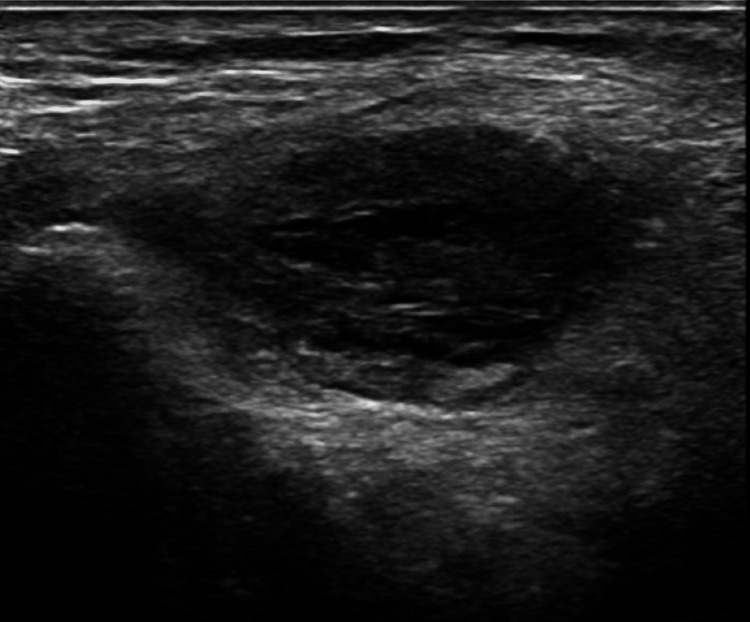 Figure 3
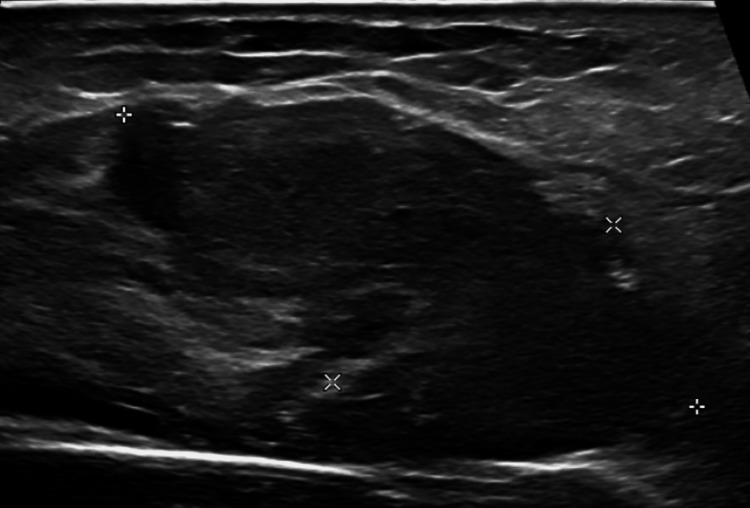 Figure 4
Peer Reviews
No public reviews on file for this paper yet. If you reviewed it on a platform where reviews are public (OpenReview, ICLR, NeurIPS, ICML), you can paste yours below so the community can read it here.
Videos
No videos yet. Explain this paper in a talk, walkthrough, or lecture? Add one.
Taxonomy
TopicsHeparin-Induced Thrombocytopenia and Thrombosis · Intramuscular injections and effects · Proteoglycans and glycosaminoglycans research