Radiologic Features of Curvilinear and Tubulonodular Pericallosal Lipomas: Two Case Reports
Abdelwahed Diani, Fatima-Ezzahra Akhatar, Mohammed reda Bouroumane, Meriam Benzalim, Soumaya Alj

TL;DR
This paper presents two case reports of rare brain lipomas, highlighting how imaging helps distinguish between curvilinear and tubulonodular types.
Contribution
The paper contributes two distinct clinical cases that illustrate the diagnostic value of imaging for pericallosal lipoma subtypes.
Findings
A curvilinear pericallosal lipoma was identified in a 35-year-old woman with helmet-like headaches via MRI.
A tubulonodular pericallosal lipoma was found in a 33-year-old man following a minor trauma using CT and MRI.
Imaging is crucial for distinguishing between the two morphological subtypes of pericallosal lipomas.
Abstract
Pericallosal lipomas or lipomas of the corpus callosum are rare, benign, fat-containing congenital brain lesions. They may occur in isolation or be associated with corpus callosum dysgenesis or agenesis. Therefore, they have a broad clinical presentation, ranging from being totally asymptomatic to having seizures, motor deficits, or headaches. Imaging techniques such as computed tomography (CT) and magnetic resonance imaging (MRI) are key to diagnosis, allowing recognition of two morphological subtypes: tubulonodular and curvilinear. In this article, we report two cases. The first concerns a 35-year-old woman evaluated for helmet-like headaches, in whom a brain MRI demonstrated a curvilinear lipoma of the corpus callosum. The second case concerns a 33-year-old man with headaches following a benign trauma, in whom CT and MRI identified a tubulonodular corpus callosum lipoma. These cases…
Genes, proteins, chemicals, diseases, species, mutations and cell lines named across the full text — each resolved to its canonical identifier and authoritative record.
Click any figure to enlarge with its caption.
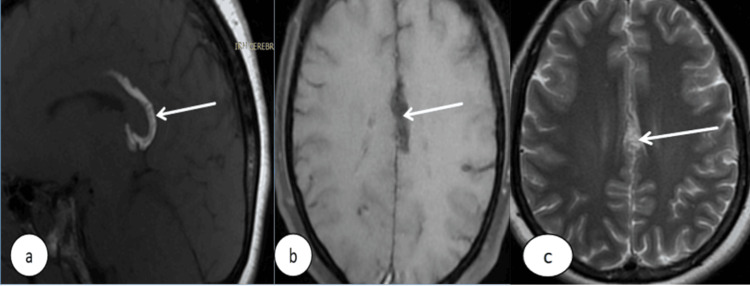 Figure 1
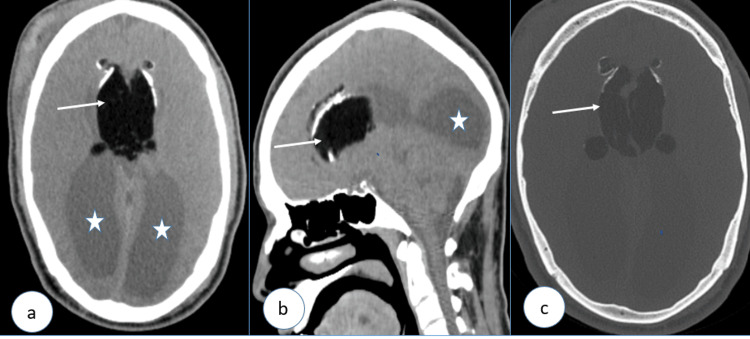 Figure 2
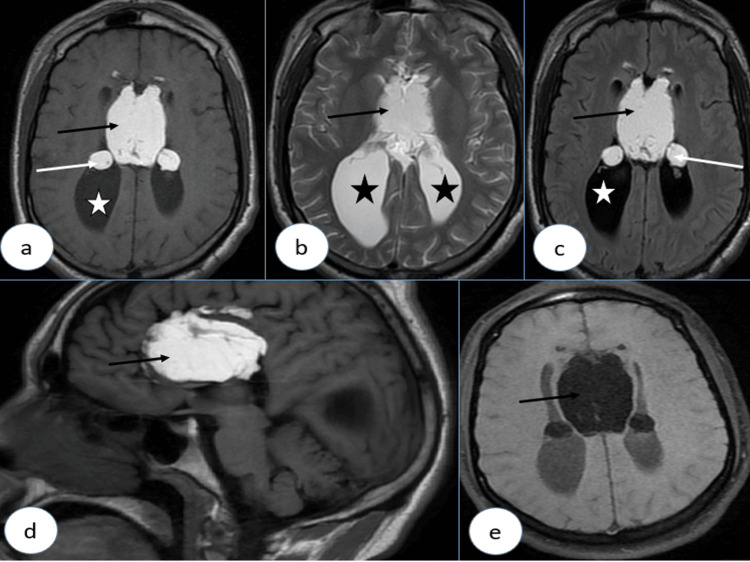 Figure 3
Peer Reviews
No public reviews on file for this paper yet. If you reviewed it on a platform where reviews are public (OpenReview, ICLR, NeurIPS, ICML), you can paste yours below so the community can read it here.
Videos
No videos yet. Explain this paper in a talk, walkthrough, or lecture? Add one.
Taxonomy
TopicsTeratomas and Epidermoid Cysts · Spinal Dysraphism and Malformations · Gastrointestinal disorders and treatments