Transitioning to Shorter, Oral Antimicrobial Therapy for Pelvic Osteomyelitis in Patients Living With Spinal Cord Injury
Dhineli Perera, Ben Clegg, Ash Thomas, Sara Vogrin, Satwik Motaganahalli, Richard Clements, Caroline McFarlane, Estelle Petch, Andrew Nunn, Jason A Trubiano, Gemma K Reynolds

TL;DR
A study found that shorter oral antibiotic treatments can effectively treat pelvic osteomyelitis in spinal cord injury patients.
Contribution
The study demonstrates the effectiveness of shorter, quinolone-sparing oral antimicrobial regimens in treating pelvic osteomyelitis.
Findings
4- to 6-week oral antimicrobial regimens achieved high clinical cure rates.
Multidisciplinary care supported effective treatment outcomes.
Findings support antibiotic stewardship and inform future treatment guidelines.
Abstract
An 8-year prospective cohort study of pelvic osteomyelitis in patients living with spinal cord injury shows that 4- to 6-week, post-debridement, quinolone-sparing oral antimicrobial regimens were effective within multidisciplinary care. Clinical cure (89% at 12 months) remained high with shorter durations. These real-world findings support stewardship and inform prescribing and future trials.
Genes, proteins, chemicals, diseases, species, mutations and cell lines named across the full text — each resolved to its canonical identifier and authoritative record.
Click any figure to enlarge with its caption.
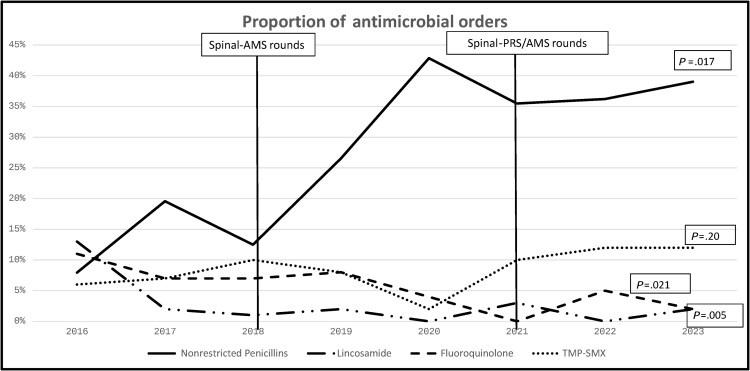 Figure 1
Peer Reviews
No public reviews on file for this paper yet. If you reviewed it on a platform where reviews are public (OpenReview, ICLR, NeurIPS, ICML), you can paste yours below so the community can read it here.
Videos
No videos yet. Explain this paper in a talk, walkthrough, or lecture? Add one.
Taxonomy
TopicsInfectious Diseases and Tuberculosis · Urinary Tract Infections Management · Infectious Disease Case Reports and Treatments