Reduce the risk of microbial activity and cytotoxicity by Adansonia digitata pulp extract grown under the semi arid conditions of Sudan
Rasha Khalid Abbas

TL;DR
This study explores the antimicrobial and anticancer potential of Adansonia digitata pulp extract from Sudan, showing it can replace chemical products.
Contribution
The novelty lies in evaluating the extract's antimicrobial and cytotoxic properties under semi-arid Sudanese conditions.
Findings
Adansonia digitata pulp extract showed antimicrobial activity against bacteria and fungi.
The extract exhibited cytotoxic effects on six cancer cell lines.
Polyphenol compounds in the extract were identified using HPLC.
Abstract
Sudan is rich country for natural products like Adansonia digitata is locally name Gongolase and Tabldy, this plant has gained an interest for study because have many therapeutic benefits and low side effects and have high demand in the world market and is expected to be replace chemical products. Plant pulp extracts contain chemical constituents such as polyphenol, which are responsible for Antimicrobial activity and cytotoxic activity. The current studied investigates of the edible parts of Adansonia digitata ethanoic pulp extract against bacteria, fungi and anticancer. HPLC used to identify the polyphenol compound, agar well diffusion method used to estimate the antimicrobial activity, the method of dilution in liquid medium was used for the determination of the minimum inhibitory concentration (MIC), (MBC) and to estimate anticancer of pulp edible parts of Adansonia digitata used…
Genes, proteins, chemicals, diseases, species, mutations and cell lines named across the full text — each resolved to its canonical identifier and authoritative record.
Click any figure to enlarge with its caption.
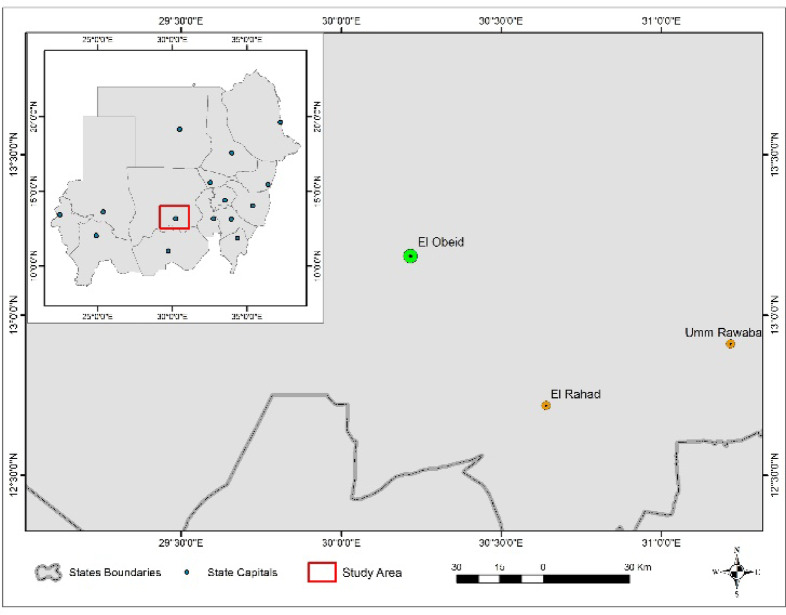 Figure 1
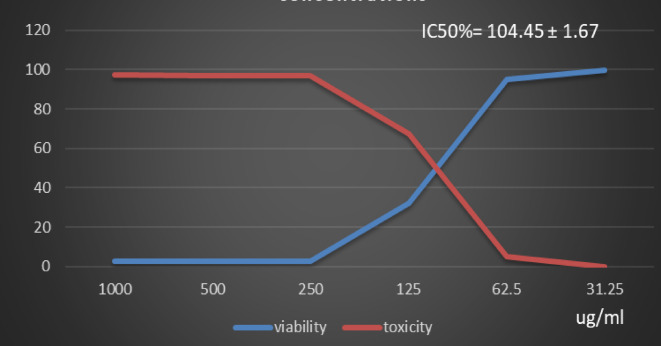 Figure 2
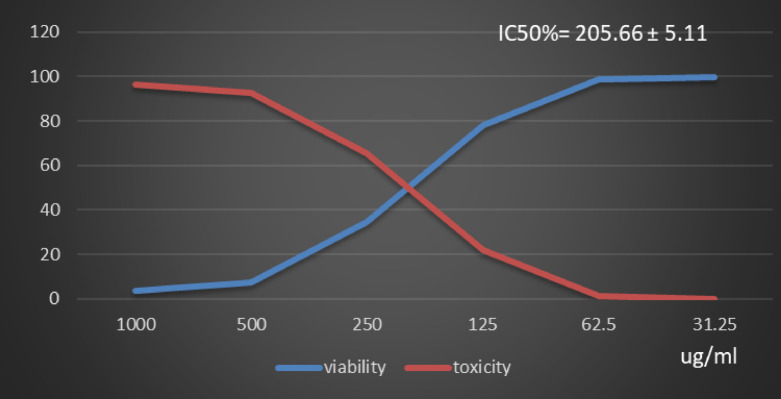 Figure 3
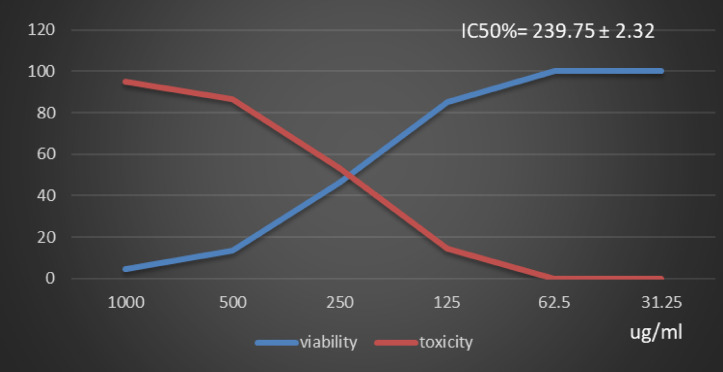 Figure 4
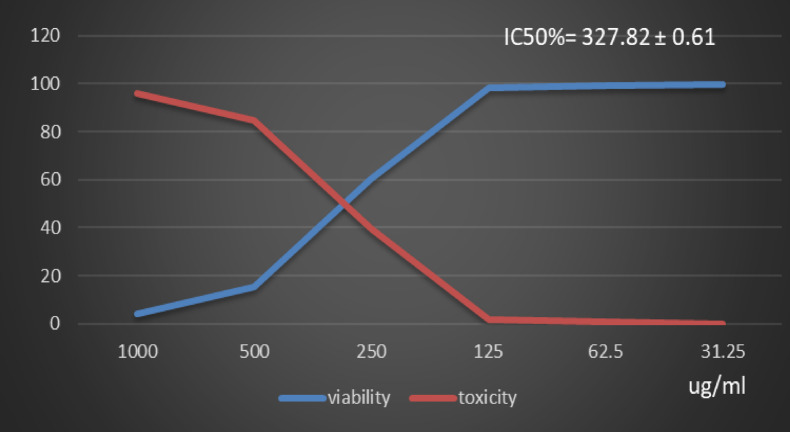 Figure 5
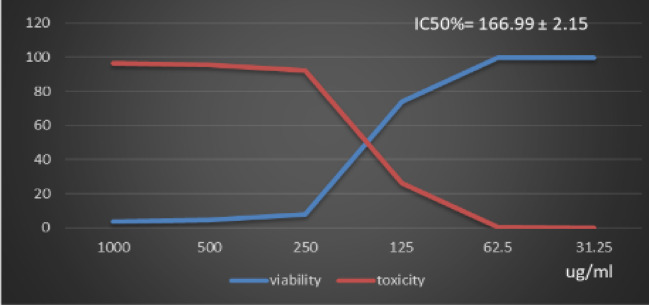 Figure 6
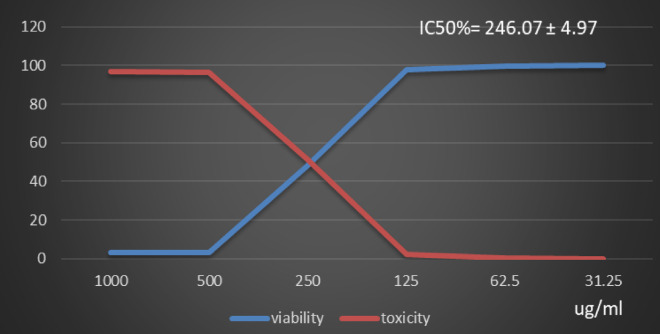 Figure 7
Peer Reviews
No public reviews on file for this paper yet. If you reviewed it on a platform where reviews are public (OpenReview, ICLR, NeurIPS, ICML), you can paste yours below so the community can read it here.
Videos
No videos yet. Explain this paper in a talk, walkthrough, or lecture? Add one.
Taxonomy
TopicsAfrican Botany and Ecology Studies · Agriculture and Rural Development Research · Ethnobotanical and Medicinal Plants Studies
Introduction
The secondary metabolites like phenolic compounds, alkaloids, sulphur-containing compounds and terpenoids of plant parts are effective against the disease-causing agents, which have high efficacy and lower toxicity as compared to synthetic drugs^1–3^. Since they are presently recognized as therapeutically useful molecules, which can be potential alternatives for the development of anticancer drugs and antimicrobial^4,5^.The variability in agro-climatic conditions in Sudan is characterized it wide range of different crops can be grown throughout the year, one of these crops is Adansonia digitata. Locally names “ Gongolase, Tabldy, Baobab, monkey-bread tree, the dead-rat tree (owing to its fruit shape), is a large iconic tree, majestic sub-tropical tree belongs to the family Malvaceae, known multipurpose tree, that grows and originates in the sub-Sahara areas of Africa it found in Sudan, Nigeria, Mali, Burkina Faso, Senegal, Kenya^6–13^. All different parts of Adansonia tree (roots, trunk, bark, leaves, pulp and seeds) beneficial to human used for therapeutic purposes such as anticancer, antimicrobial, antiviral and anti-trypanosome activity, against stomachaches and diarrhea^14–21^. Adansonia digitata tree Have high nutritional value and unique flavor Baobab leaves are good source of protein with essential amino acids vitamins (such as vitamin A, vitamin C, and vitamin B6), minerals (such as calcium, iron, and potassium), dietary fibre, and as well as palmitic, oleic, and linoleic acids^21–30^. They also contain beneficial bioactive compounds, including polyphenols and flavonoids, which contribute to their potential health benefits. Baobab leaves used in the preparation of sauces, soups, stews, and other traditional dishes in Africa. They impart a tangy and slightly sour taste to the dishes, adding a unique flavor furthermore; baobab pulp extracts have antimicrobial and antioxidant^30–35^. Medicinal plants can be an interesting source of new antibiotic compounds, which could possibly help tacking the problem of resistance to antibiotics, also used as anticancer. Adansonia Digitata often used in the traditional treatment of various infectious diseases, anticancer and have high nutritive value especially in Africa (especially in Sudan).
The objective of this study:-
To identify the polyphenol of Adansonia digitata pulp by HPLC that have activity against microorganism and cancer cells.
Materials and methods
Plant material
(Supplementary Material) Mature fruits pulp of Adansonia digitata specimen 436/2022, deposited at MAPRI herbarium, National Center for Research, Sudan, identified by Dr. Mubark Sidig was purchased from Omer Bin Khatab market (previously Abu Jahl market) at EI-Obeid (north Kordofan State) west Sudan, Fig. 1.
Fig. 1EI-Obeid (north Kordofan State) west Sudan.
Extraction and Preparation of extracts
The powder separated from seeds manually and crushed using mortar and pestle to coarse powder then macerated with 80%ethanol at room temperature for 24 h, filtered and evaporated using rotary evaporator and kept in a dry brown container at refrigerator until used.
High Performance Liquid Chromatography device.
Microorganisms
In this study, a conventional biochemical method used to identify the microorganism in the three separate laboratories according to standard microbiology techniques. The pathogenic were, Bacillus subtilis (ATCC 6633), Escherichia coli (ATCC 8739) and Salmonella typhi (ATCC 6539, fungus Candida albicans (ATCC 10221) and Aspergillus niger (ATCC 16888).
Methods
Agar well diffusion method
In this method used Nutrient agar for antibacterial activity and potato dextrose agar for antifungal activity, Agar well diffusion method is widely used to evaluate the antimicrobial activity of plants or microbial extracts, the agar plate surface was inoculated by spreading a volume of the microbial inoculum over the entire agar surface. Then, a hole with a diameter of 6 to 8 mm punched aseptically with a sterile cork borer or a tip, and a volume (20–100mL) of the antimicrobial agent or extract solution at desired concentration. Then, agar plates incubated under suitable conditions depending upon the test microorganism. the antimicrobial agent diffuses in the agar medium and inhibits the growth of the microbial strain tested^35–38^.
Determination of minimum inhibitory concentration (MIC) and minimum bactericidal concentration (MBC)
The method of dilution in liquid medium was used for the determination of the minimum inhibitory concentration (MIC), all the inoculated dilutions are incubated for 24 h at 37 C, and the results are read according to the turbidity. The nutrient agar poured into petri dishes is inoculated in streaks with 100 µl of the contents of the tubes having a concentration ≥ MIC in the previous dilution series. Minimum bactericidal concentration (MBC) is determined after incubation for 24 h at 37 C. It is the smallest concentration that completely inhibits growth. In addition, the MBC/MIC ratio of each extract is calculated in order to assess its antibacterial power. When the MBC/MIC ratio of a given substance is less than or equal to 4, this substance is considered bactericidal, if this ratio is greater than 4 it is said to be bacteriostatic^39,40^.
Determination of sample cytotoxicity on cells (MTT protocol)
To develop a complete monolayer sheet inoculated the 96 well tissue culture plate with 1 × 10^5^ cells/ml (100 ul/well) and incubated at 37 °C for 24 h. Growth medium was decanted from 96 well microliter plates after a confluent sheet of cells were formed, cell monolayer was washed twice. Two-fold dilutions of the tested sample were made in RPMI medium with 2% serum 0.1 ml of each dilution was tested in different wells leaving three wells as control; Plate was incubated at 37 °C and examined. Cells checked for any physical signs of toxicity, e.g. partial or complete loss of the monolayer, rounding, shrinkage, or cell granulation. MTT solution was prepared (5 mg/ml in PBS) (BIO BASIC CANADA INC). 20ul MTT solution added to each well. Place on a shaking table, 150 rpm for 5 minutes, to mix thoroughly the MTT into the media. Incubate (37 C, 5% CO2) for 4 h to allow the MTT to be metabolized. Dump off the media. Suspend Formosan (MTT metabolic product) in 200ul DMSO. Place on a shaking table, 150 rpm for 5 minutes, to mix thoroughly the Formosan into the solvent. Read optical density at 560 nm and subtract background at 620 nm. Optical density should be directly correlated with cell quantity^39^.
Statistical analysis
Minitab version 17 software used to analyze all data. The mean and Standard deviation were calculated. Regression analysis used to evaluate the significant difference. A linear regression equation was used to determine the half-maximal inhibitory concentration IC50 from the linear part of the sigmoid curve in order to analyze cell viability, i.e. y = mx + c, y = 50, M and C values were derived from the viability graph. R 2 values ≥ 0.95 were considered statistically significant.
HPLC conditions
(Supplementary Material) Using an Agilent 1260 series for HPLC analysis. Using Zorbax Eclipse plus C8 column (4.6 mm x 250 mm i.d., 5 μm) for the separation. The mobile phase consisted of water (A) and 0.05% trifluoroacetic acid in acetonitrile (B) at a flow rate 0.9 ml/min. The programmed mobile phase was consecutively in a linear gradient as follows: 0 min (82% A); 0–1 min (82% A); 1–11 min (75% A); 11–18 min (60% A); 18–22 min (82% A); 22–24 min (82% A). The multi-wavelength detector monitored at 280 nm. The volume for injection was five µl for each of the sample solutions. The temperature of the column at 40 °C.
Results and discussion
Table 1 and (Supplementary Material). Showed the Polyphenol constituents of Adansonia digitata pulp extract contained 18 compounds, 4 of them were major compounds Ellagic acid (8.3624%), Coumaric acid (8.8411%), Rosmarinic acid (7.3747%) and Cinnamic acid (8.5964%) these results agree with those who said that the primary bioactive constituents found in Adansonia digitata have antibacterial, anti-inflammatory, antioxidant, anticancer, cardio protective, neuroprotective, and antidiabetic activity^31,38^. Table 2 Showed that moderate inhibitions zones of Adansonia digitata ethanoic pulp extracts against pathogenic bacteria (Bacillus subtilis (ATCC 6633), Escherichia coli (ATCC 8739) and Salmonella typhi (ATCC 6539) with an inhibition diameter of 25 ± 0.1 mm, 23 ± 0.1 mm and 26 ± 0.2 mm respectively, compare with antibiotic Gentamicin inhibition zones diameter to above pathogenic bacteria were 28 ± 0.2 mm, 32 ± 0.1 mm and 29 ± 0.2 mm respectively, as well as fungi (Candida albicans (ATCC 10221) and Aspergillus niger (ATCC 16888)) 21 ± 0.2 mm and 11 ± 0.1 mm respectively compare with antibiotic fluconazole, inhibition diameter 26 ± 0.2 mm and 27 ± 0.1 mm respectively, Table 3 showed minimum inhibitory concentration (MIC) (g/ml), minimum bactericidal concentration (MBC) (g/ml) and MBC/MIC values The ethanoic extract of the pulp of Adansonia Digitata showed a bactericidal effect on the all bacteria and fungi tested, this due to present of polyphenol (Ellagic acid, Coumaric acid, Rosmarinic acid and Cinnamic acid), Ellagic acid can damage bacterial cell walls and membranes, while coumaric, rosmarinic, and cinnamic acids primarily act by binding to and inactivating proteins and enzymes, disrupting membrane function, and inducing oxidative stress. (Supplementary Material) Showed inhibitions zones (in mm) by Adansonia digitata ethanoic pulp extracts against pathogenic bacteria (Bacillus subtilis (ATCC 6633), Escherichia coli (ATCC 8739), Salmonella typhi (ATCC 6539) respectively. (Supplementary Material) showed the inhibitions zones (in mm) by Adansonia digitata ethanoic pulp extracts against fungi Candida albicans (ATCC 10221) and Aspergillus niger (ATCC 16888) respectively, these finding are in agreement with that previously studies^2,12^. Table 4, in addition Fig. 2 Showed the cytotoxicity of Adansonia digitata pulp extracts against Hela cell line (cervical cancer) at different concentrations, the IC_50_ (50% growth inhibition) was 104.45 ± 1.67, (Supplementary Material) Hela cell Control. (Supplementary Material) Showed the effect of Adansonia digitata pulp extracts against Hela cell at different concentration (1000, 500, 250,125, 62.5 and 31.25 ug/ml), showed an excellent cytotoxicity at high concentration 1000,500 and 250 ug/ml this due to widely distributed polyphenols in plants that possess anti-inflammatory and anticancer these finding are in agreement with that previously studies^39–43^. Table 5; Fig. 3 Showed the cytotoxicity of the Adansonia digitata pulp extract against HepG2 cell line (a human liver cancer) at different concentrations found the IC_50_ (50% growth inhibition) was 205.66 ± 5.11(Supplementary Material) HepG2 cell Control. (Supplementary Material) Showed the effect of Adansonia digitata pulp extracts against HepG2 cell at different concentration (1000, 500, 250,125, 62.5 and 31.25 ug/ml), found cytotoxicity at high concentration 1000 and 500 ug/ml that main the plant contain beneficial bioactive compounds, including polyphenols and flavonoids, which contribute to their potential health benefits these results agree with those studies^44–47^. Table 6. In addition, Fig. 4 found that the cytotoxicity of the Adansonia digitata pulp extract were conducted using A549 cell line (lung cancer) at different concentrations found the IC_50_ (50% growth inhibition) was 239.75 ± 2.32. (Supplementary Material) A549 cell Control. (Supplementary Material) Showed the effect of Adansonia digitata pulp extracts against A549 cell at different concentration (1000, 500, 250,125, 62.5 and 31.25 ug/ml), showed cytotoxicity at high concentration 1000 and 500 ug/ml these finding are in agreement with that previously reported studies^46,47^.Table 7; Fig. 5 showed the cytotoxicity of the pulp of Adansonia digitata were conducted using A431 cell line (cells epidermis carcinoma) at different concentrations, the IC_50_ (50% growth inhibition) was 327.82 ± 0.61. (Supplementary Material) A431 cell Control. (Supplementary Material) Showed the effect of Adansonia digitata pulp extracts against A431 cell at different concentration (1000, 500, 250,125, 62.5 and 31.25 ug/ml), showed cytotoxicity at high concentration 1000and 500 ug/ml these finding are in agreement with that previously reported studies^46,47^.Table 8; Fig. 6. Showed that the cytotoxicity of the pulp of Adansonia digitata were conducted using Pc3 cell line (prostate cancer) at different concentrations, the IC_50_ (50% growth inhibition) was166.99 ± 2.15. (Supplementary Material) Pc3 cell Control. (Supplementary Material) Showed the effect of Adansonia digitata pulp extracts against Pc3 cell at different concentration (1000, 500, 250,125, 62.5 and 31.25 ug/ml), showed cytotoxicity at high concentration 1000,500 and 250 ug/ml these finding are in agreement with that previously reported studies^47^.Table 9; Fig. 7 Showed the cytotoxicity of Adansonia digitata pulp were conducted using T47D cell line (human breast cancer) at different concentrations, the IC_50_ (50% growth inhibition) was 246.07 ± 4.97, (Supplementary Material) T47D cell Control. (Supplementary Material) Showed the effect of Adansonia digitata pulp extracts against T47D cell at different concentration (1000, 500, 250,125, 62.5 and 31.25 ug/ml), the pulp of Adansonia digitata showed cytotoxicity at high concentration 1000 and 500 ug/ml, baobab pulp extract rich content of bioactive compounds like polyphenols and flavonoids so that exerts cytotoxic effects on cancer cells by inhibiting cell proliferation and inducing apoptosis, while the exact mechanisms are still under investigation, baobab compounds can interfere with cellular pathways like the PI3K/Akt signaling cascade, a key regulator of cell growth and survival, leading to increased programmed cell death and reduced cell proliferation, with further research needed to fully elucidate the specific molecular pathways involved in cancer types, these finding are in agreement with that previously reported studies^45–49^.
Table 1. Polyphenol constituents of Adansonia digitata pulp extract identified by HPLC.Name of the Poly phenol compoundRet. TimeArea%Gallic acid3.5723.6540Chlorogenic acid4.1835.7638Catechin4.4234.8432Methyl gallate5.4134.2906Coffeic acid5.8233.2464Syringic acid6.3134.2625Rutin6.7226.0454Ellagic acid7.1028.3624Coumaric acid8.5428.8411Vanillin8.9675.1506Ferulic acid9.5745.2579Naringenin10.1944.9199Rosmarinic acid11.6107.3747Daidzein15.7924.7034Querectin17.1514.4204Cinnamic acid19.1128.5964Kaempferol20.5024.1067Hesperetin21.0956.1607
Table 2. Inhibition zone (in mm) by Adansonia digitata pulp extract.Pathogenic microorganismInhibition zone (in mm)Control Bacillus subtilis (ATCC 6633) 25 ± 0.128 ± 0.2 Escherichia coli (ATCC 8739) 23 ± 0.132 ± 0.1 Salmonella typhi (ATCC 6539) 26 ± 0.229 ± 0.2 Candida albicans (ATCC 10221) 21 ± 0.226 ± 0.2Aspergillus niger ATCC 16,88811 ± 0.127 ± 0.1* NA : No activity.* Control for Bacteria was Gentamicin and for fungi was Fluconazole.
Table 3. Minimum inhibitory concentration (MIC) (g/ml). Minimum bactericidal/fungcidal concentration (MBC) (g/ml) and MBC/MIC values by Adansonia digitata pulp extract.BacteriaMICMBCMBC/MICBacillus subtilis (ATCC 6633)0.090.192.1Escherichia coli (ATCC 8739)0.170.331.94Salmonella typhi (ATCC 6539)0.170.311.82FungiMICMFCMFC/MICCandida albicans (ATCC 10221)0.060.162.7Aspergillus niger ATCC 16,8880.130.463.5
Table 4. Effect of Adansonia digitata pulp extracts against Hela cell at different concentration.IDug/mlO.DMean O.D±SEViability %Toxicity %IC50± SDHela-0.6630.6580.6560.6590.0020821000.739ugAdansonia digitata pulp extracts10000.0180.0170.020.0183330.0008822.78199291997.21800708104.45 ± 1.675000.0220.0180.0190.0196670.0012022.98431967697.015680322500.0190.0190.020.0193330.0003332.93373798797.066262011250.220.1970.2240.2136670.00841332.4228629267.5771370862.50.6260.6190.6310.6253330.0034894.891249375.10875063231.250.6580.6570.6580.6576670.00033399.797673240.202326758
Fig. 2. Effect of Adansonia digitata pulp extracts against Hela cell at different concentration.
Table 5. Effect of Adansonia digitata pulp extracts against HepG2 cell at different concentration.IDug/mlO.DMean O.D±SEViability %Toxicity %IC50± SDHepG2-0.7470.7490.7450.7470.0011551000.739ugAdansonia digitata pulp extracts10000.0240.0330.0280.0283330.0026033.79294957696.20705042205.66 ± 5.115000.0740.0520.0440.0566670.0089697.58589915292.414100852500.240.2740.2630.2590.01001734.6720214265.327978581250.5630.5980.5860.5823330.01026977.9562695222.0437304862.50.7360.7410.7350.7373330.00185698.705934851.29406514931.250.7450.7480.7440.7456670.00120299.821508260.178491745
Fig. 3. Effect of Adansonia digitata pulp extracts against HepG2 cell at different concentration.
Table 6. Effect of Adansonia digitata pulp extracts against A549 cell at different concentration.IDug/mlO.DMean O.D±SEViability %Toxicity %IC50± SDA549-0.650.6460.6420.6460.0023091000.739UgAdansonia digitata pulp extracts10000.0340.0310.0280.0310.0017324.7987616195.20123839239.75 ± 2.325000.0840.0990.0750.0860.00713.312693586.68730652500.30.2940.3070.3003330.00375646.4912280753.508771931250.560.5560.5370.5510.00709585.2941176514.7058823562.50.6510.6430.6440.6460.002517100031.250.6490.6440.6450.6460.0015281000
Fig. 4. Effect of Adansonia digitata pulp extracts against A549 cell at different concentration.
Table 7. Effect of Adansonia digitata pulp extracts against A431 cell at different concentration.IDug/mlO.DMean O.D±SEViability %Toxicity %IC50± SDA431-0.7340.7310.7370.7340.0017321000.739UgAdansonia digitata pulp extracts10000.0340.030.0280.0306670.0017644.17801998295.82198002327.82 ± 0.615000.1160.1030.1180.1123330.00470215.3042688584.695731152500.4380.450.4410.4430.00360660.3542234339.645776571250.720.7160.7250.7203330.00260398.138056311.86194368862.50.7330.7270.7250.7283330.00240499.227974570.772025431
Fig. 5. Effect of Adansonia digitata pulp extracts against A431 cell at different concentration.
Table 8. Effect of Adansonia digitata pulp extracts against Pc3 cell at different concentration.IDug/mlO.DMean O.D±SEViability %Toxicity %IC50± SDPc3-0.5490.550.5450.5480.0015281000.739UgAdansonia digitata pulp extracts10000.0190.020.020.0196670.0003333.58880778696.41119221166.99 ± 2.155000.0240.0230.0260.0243330.0008824.44038929495.559610712500.0450.0380.0490.0440.0032158.0291970891.970802921250.4180.3960.4020.4053330.00656673.9659367426.0340632662.50.5450.5380.5520.5450.00404199.452554740.54744525531.250.5490.5510.5420.5473330.00272899.87834550.121654501
Fig. 6. Effect of Adansonia digitata pulp extracts against Pc3 cell at different concentration.
Table 9. Effect of Adansonia digitata pulp extracts against T47D cell at different concentration.IDug/mlO.DMean O.D±SEViability %Toxicity %IC50± SDT47D-0.7650.7630.7670.7650.0011551000.739UgAdansonia digitata pulp extracts10000.0210.0290.0250.0250.0023093.26797385696.73202614246.07 ± 4.975000.0240.0280.0270.0263330.0012023.44226579596.55773422500.3580.3850.3660.3696670.00800748.3224400951.677559911250.7520.7390.7480.7463330.00384497.559912852.44008714662.50.7660.7580.7620.7620.00230999.607843140.39215686331.250.7630.7690.7630.7650.0021000
Fig. 7. Effect of Adansonia digitata pulp extracts against T47D cell at different concentration.
Conclusion
This work comes to conclude that the Adansonia digitation pulp extracts contain polyphenol compounds have activity against pathogenic microorganism Bacillus subtilis (ATCC 6633), Escherichia coli (ATCC 8739), Salmonella typhi (ATCC 6539), fungi Candida albicans (ATCC 10221), Aspergillus niger ATCC 16888) compare with antibiotic for bacteria (Gentamicin) and for fungi (Fluconazole), also have cytotoxicity against six cancer cell line such as Hela (The line is derived from cervical cancer), Hep G2 (a human liver cancer), A549 (lung cancer), A-431 (cells epidermis carcinoma), PC3 (a human prostate cancer) and T-47D (human breast cancer cell line). I hope that the research will encourage researcher to do more research to utilization of Adansonia digitata.
Supplementary Information
Below is the link to the electronic supplementary material.
Supplementary Material 1
The reference list from the paper itself. Each links out to its DOI / PubMed record.
- 1Abere, M., Yilma, Z., Tsegie, T., Eshete, A. & Alemu, A. Population structure and phenological attributes of Adansonia digitata L.(baobab) in Northwestern lowland area of Ethiopia. Heliyon 9 (12). 10.1016/j.heliyon.2023.e 22571 (2023).10.1016/j.heliyon.2023.e 22571 PMC 1069617638058453 · doi ↗ · pubmed ↗
- 2Aljuhaimi et al. Z. Albakry Influence of coconut pulp on bioactive properties, fatty acids, phenolic compounds, nutrients and sensory evaluation of wheat flour bread. Int. J. Food Sci. Technol., 59(6), 4020–4029. (2024).
- 3Fakhri, S., Moradi, S. Z., Farzaei, M. H. & Bishayee, A. Modulation of dysregulated cancer metabolism by plant secondary metabolites: A mechanistic review. In: Semin Cancer Biol. Academic Press; c May. p. 80. (2022). 10.1016/j.semcancer.2020.02.00710.1016/j.semcancer.2020.02.00732081639 · doi ↗ · pubmed ↗
- 4Adsina, J. A. & Zhu, J. A review of the geographical distribution, Indigenous benefits and conservation of baobab (Adansonia digitata L.) tree in sub-saharan Africa. Preprint 2022 10.20944/preprints 202205.0287.v 1
- 5Stadlmayr, B. et al. Nutritional composition of baobab (Adansonia digitata L.) fruit pulp sampled at different geographical locations in Kenya J. Food Compos. Anal.(2020).
- 6Thompson, P. T. & Boamah, V. E. Ba du In-vitro antioxidant,antimicrobial and phytochemical properties of extracts from the pulp and seeds of the African baobab fruit (Adansonia digitata L. Heliyon 10 (8). 10.1016/j.heliyon.2024.e 29660 (2024). Article e 29660.10.1016/j.heliyon.2024.e 29660 PMC 1104403838665573 · doi ↗ · pubmed ↗
- 7H.S.E.I.E.A. Alaziz et al. Phytochemical analysis, antioxidant, cytotoxicity and antibacterial activity of Adansonia digitata L. seeds ethanol extract. J. Pharmacogn. Phytochem.8 (2019).
- 8Rivera-Martínez, A. R. et al. Fruit Extract of Sechiumchinantlense (& F. Chiang) Induces Apoptosis in the Human Cervical Cancer He La Cell Line. Nutrients. 15(3):667. (2023).10.3390/nu 15030667 PMC 992057536771372 · doi ↗ · pubmed ↗