Performance evaluation of the nanoScan® P123S total-body PET
Dániel Réti, Carlos-Alcaide Corral, Islay Cranston, Victoria J. M. Reid, Kerry M. O’Rourke, Timaeus E. F. Morgan, Axel Montagne, Maurits A. Jansen, Valeria K. Burianova, Andrew Sutherland, Péter Major, Kálmán Nagy, Gergő Bagaméry, Adriana A. S. Tavares

TL;DR
This paper evaluates a new PET scanner for total-body imaging in rodents, showing improved performance in sensitivity and resolution.
Contribution
The study provides a detailed performance evaluation of the nanoScan® P123S PET system for total-body preclinical imaging.
Findings
The scanner achieved a spatial resolution under 0.7 mm with iterative reconstruction.
The NECR peak was 1805.0 kcps at 93.7 MBq for mouse-sized phantoms.
Total-body rat images were successfully acquired using the new system.
Abstract
Before utilising preclinical Position Emission Tomography (PET) systems for biological studies, evaluating their performance is important to better qualify the scanner’s applications. This study aims to assess the performance of the new extended field of view (FOV) nanoScan® PET/CT P123S system, developed for rodent total-body PET applications. Scanner resolution, noise equivalent count rate (NECR), sensitivity and image quality were evaluated following NEMA NU-4 2008 protocols. Furthermore, a Derenzo phantom and linearity measurements were conducted. In vivo studies were subsequently carried out to evaluate system performance in biological applications. The scanner spatial resolution according to the NEMA protocol was 1.4 mm using FBP reconstruction, while with iterative reconstruction it was under 0.7 mm. The NECR peak using a 250‒750 keV energy window was 1805.0 kcps at 93.7 MBq…
Genes, proteins, chemicals, diseases, species, mutations and cell lines named across the full text — each resolved to its canonical identifier and authoritative record.
Click any figure to enlarge with its caption.
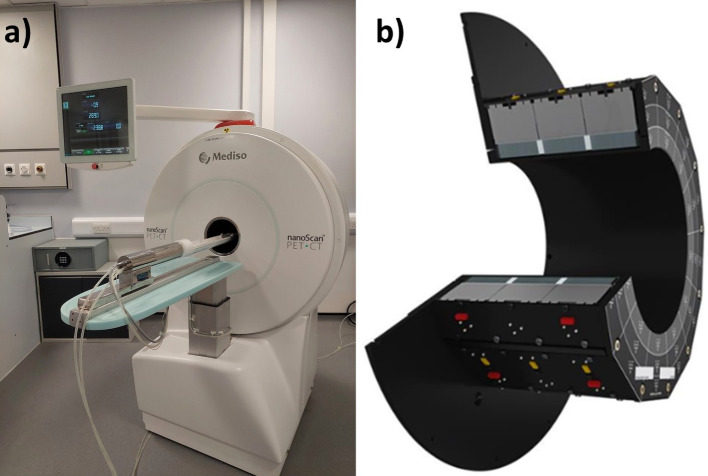 Figure 1
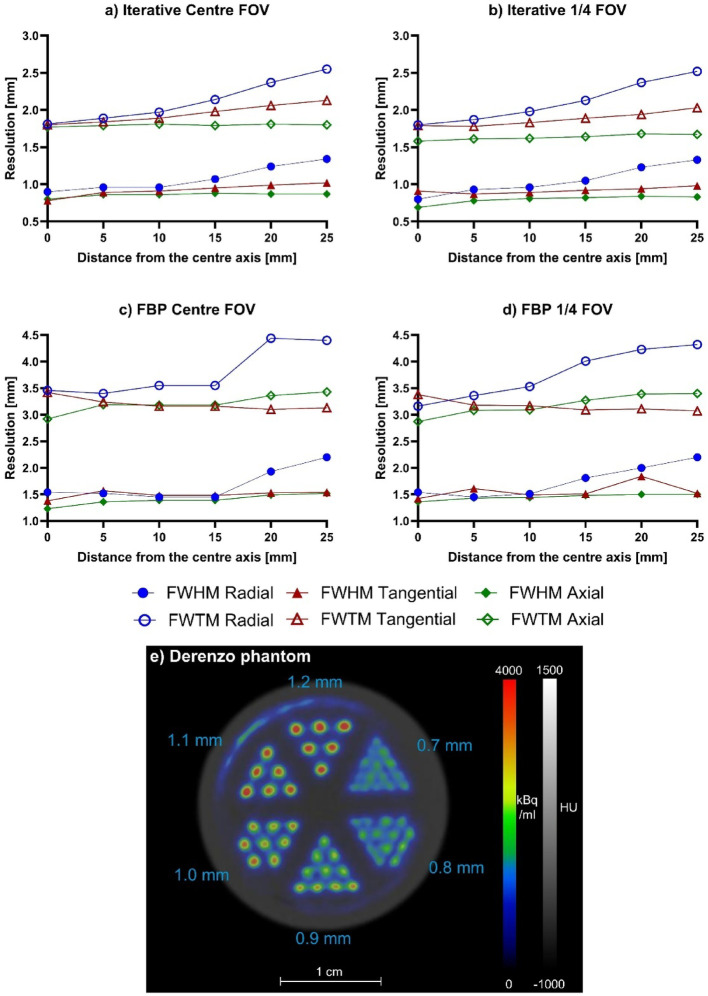 Figure 2
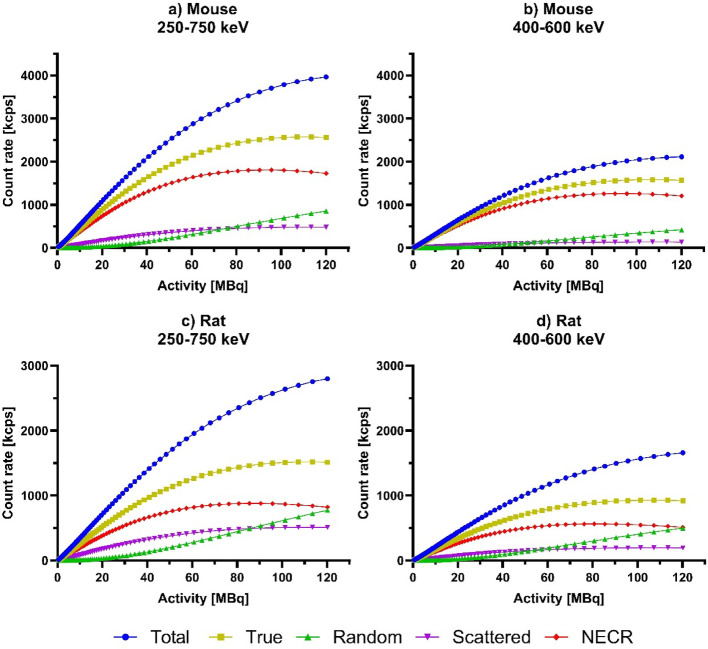 Figure 3
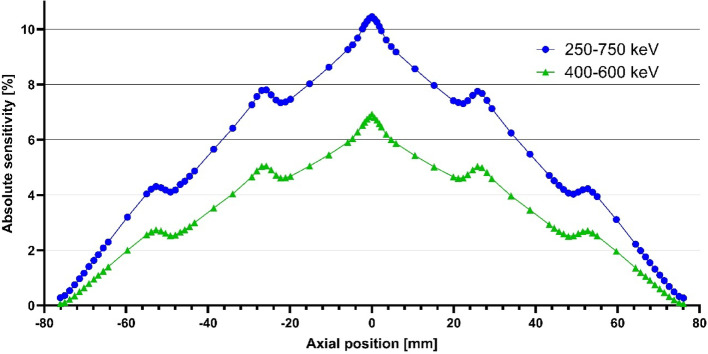 Figure 4
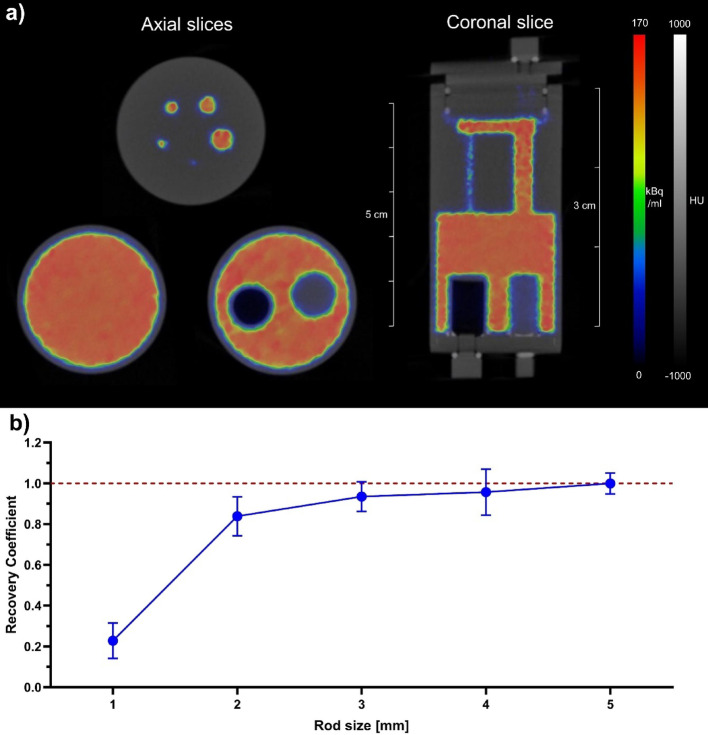 Figure 5
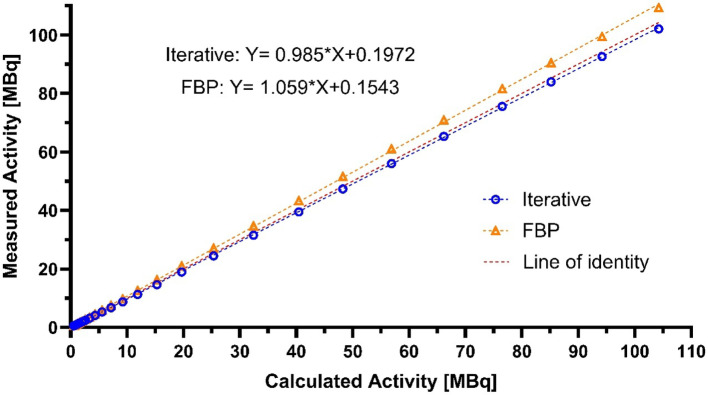 Figure 6
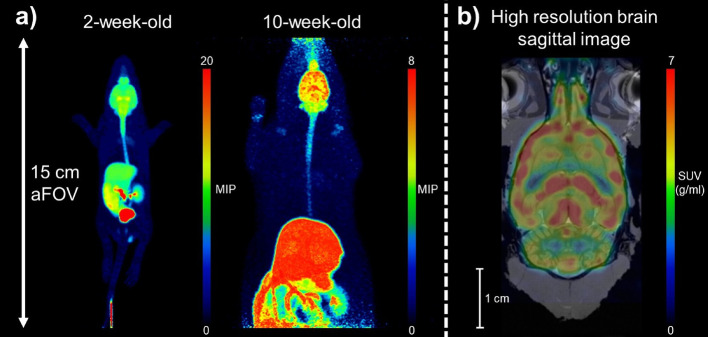 Figure 7
Peer Reviews
No public reviews on file for this paper yet. If you reviewed it on a platform where reviews are public (OpenReview, ICLR, NeurIPS, ICML), you can paste yours below so the community can read it here.
Videos
No videos yet. Explain this paper in a talk, walkthrough, or lecture? Add one.
Taxonomy
TopicsMedical Imaging Techniques and Applications · Radiation Detection and Scintillator Technologies · Radiopharmaceutical Chemistry and Applications