Hydrophobic complementarity-determining region 3 (CDR3) sequences elucidate the cardiotoxic effects of immune checkpoint inhibitors
Shoiab Bukhari, Rajat Mohindra, Matthieu Paiola, Carly Tymm, Robert Winchester, Aditi Guha, Laura Tang, Sanjay Bansal, Brian S. Henick, G. Scott Chandler, Adam Mor

TL;DR
This study explores how immune checkpoint inhibitors cause heart damage by analyzing T cells and TCR sequences in patients who experienced cardiotoxicity.
Contribution
The study identifies shorter, hydrophobic TCR CDR3 sequences as a novel mechanism linking T cell activation to irAE-related myocarditis.
Findings
Patients with cardiotoxicity had increased CD4+ FOXP3+ and CD8+ PRF1+ T cells at disease onset.
Effector CD8 T cells were found in heart tissue and pericardial fluid, indicating their role in myocarditis.
TCR CDR3 sequences in myocarditis patients were shorter and had more hydrophobic residues.
Abstract
Immune checkpoint inhibitors (ICIs) have significantly changed cancer treatment, demonstrating strong efficacy across multiple cancers. However, their use also carries the risk of serious immune-related side effects (irAEs), especially cardiotoxicity. To understand how these adverse effects occur, we studied peripheral blood mononuclear cells and T cells taken from the heart tissue of cancer patients who experienced cardiotoxicity during ICI therapy. Using spectral flow cytometry, single-cell RNA sequencing, and T cell receptor (TCR) sequencing, we found key differences in the immune profiles of affected patients. Those with cardiotoxicity had a noticeable increase in circulating CD4 + FOXP3 + and CD8 + PRF1 + T cells at disease onset. Our results also show that effector CD8 T cells are present in the heart tissue and pericardial fluid of patients with myocarditis, highlighting their…
Genes, proteins, chemicals, diseases, species, mutations and cell lines named across the full text — each resolved to its canonical identifier and authoritative record.
Click any figure to enlarge with its caption.
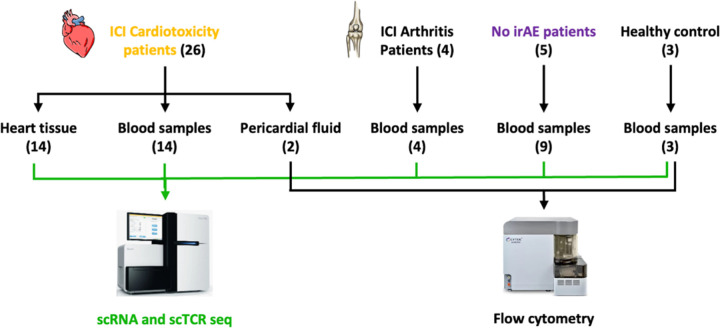 Figure 1
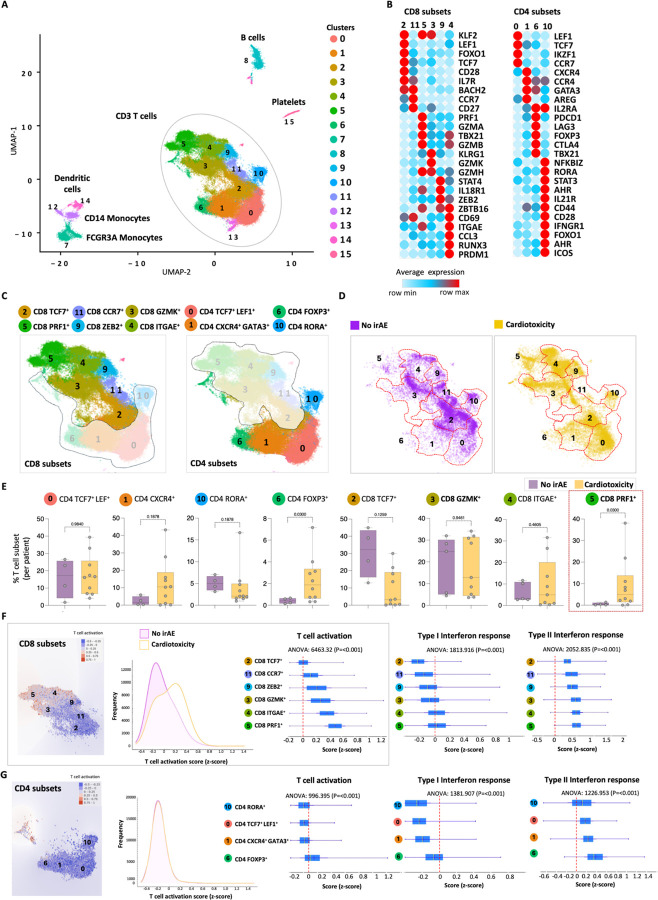 Figure 2
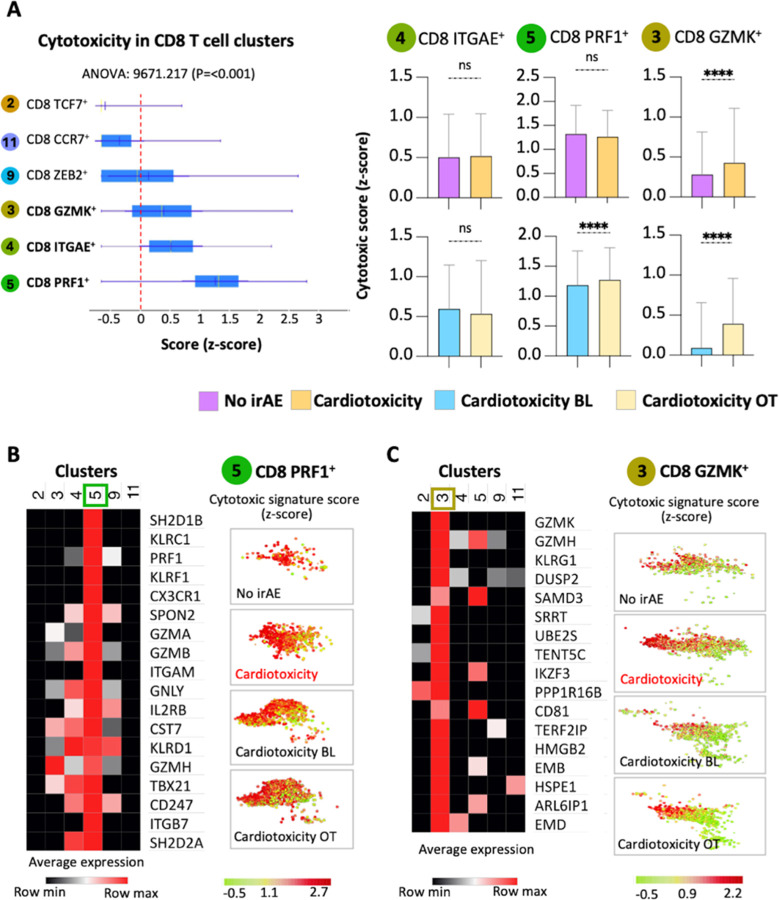 Figure 3
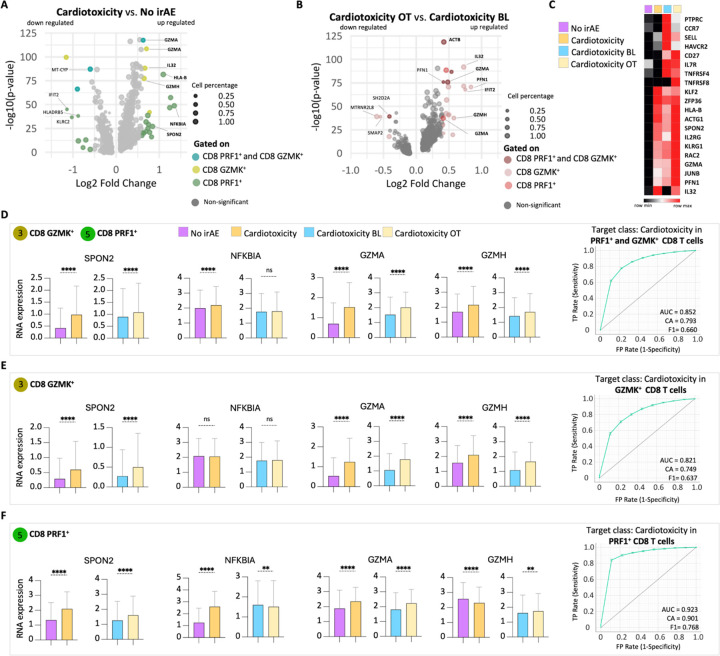 Figure 4
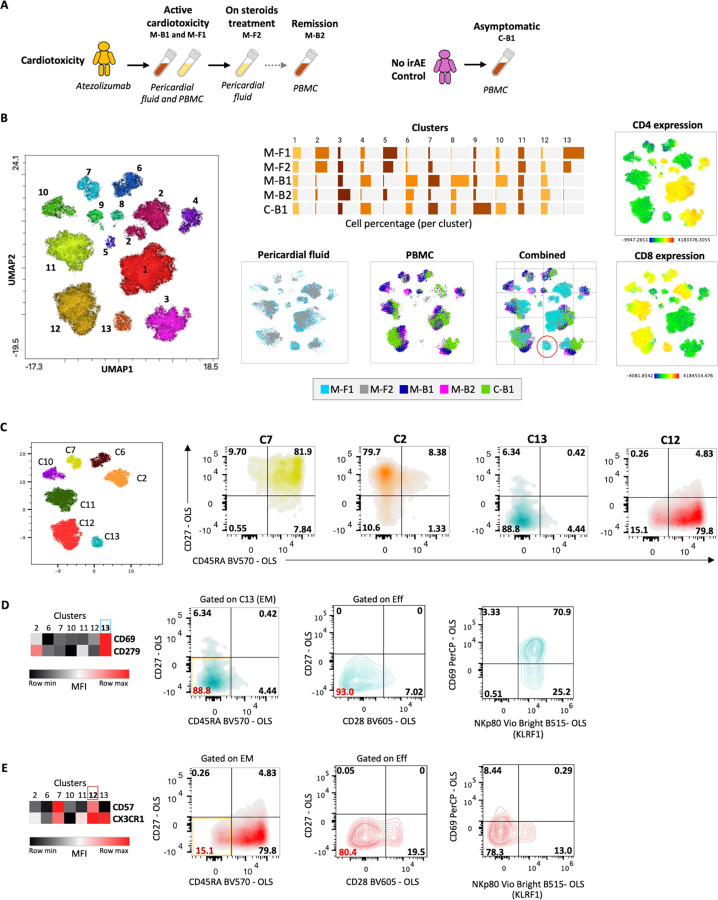 Figure 5
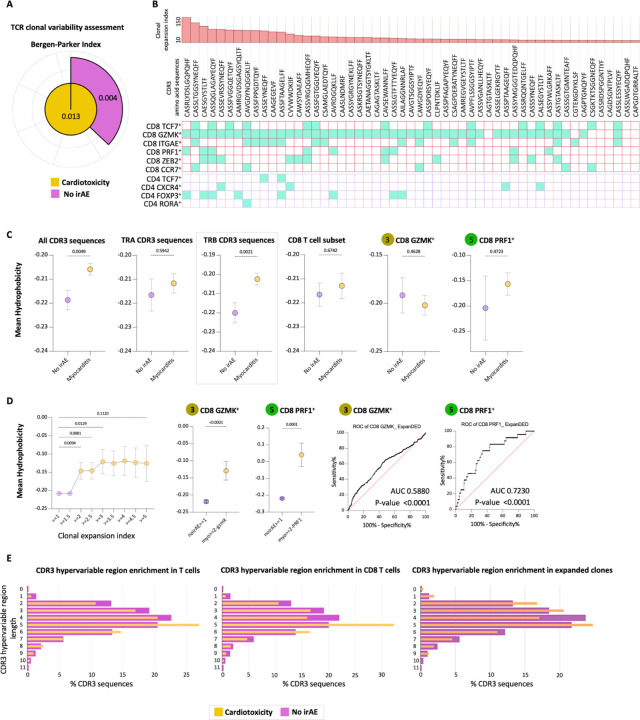 Figure 6
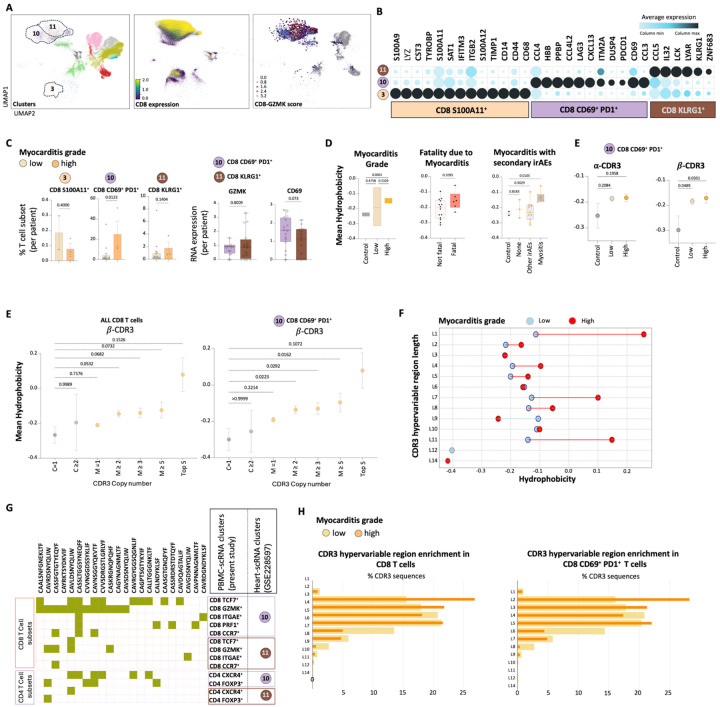 Figure 7
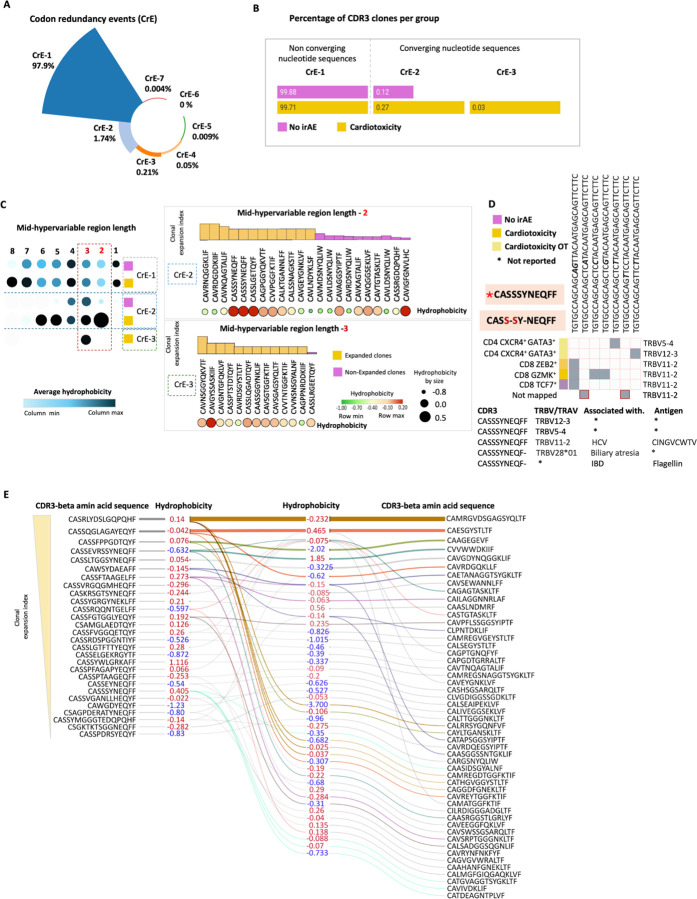 Figure 8
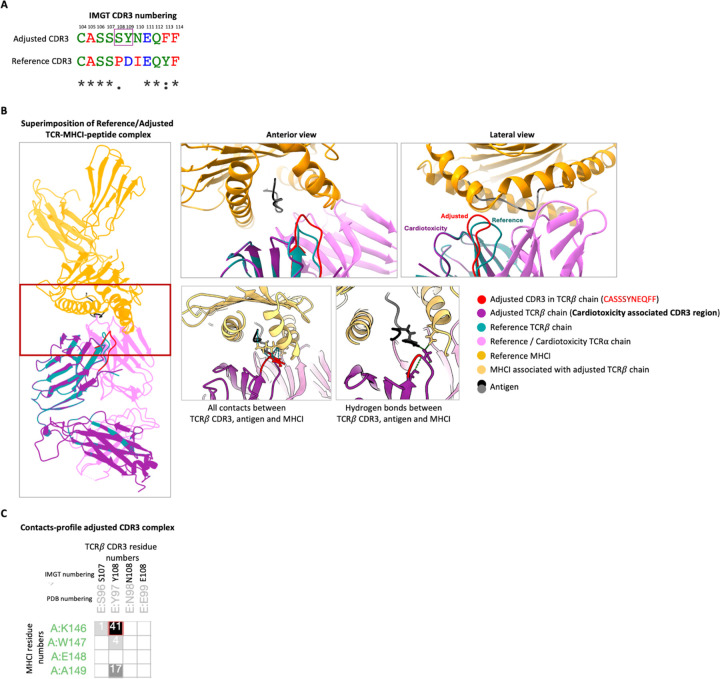 Figure 9
Peer Reviews
No public reviews on file for this paper yet. If you reviewed it on a platform where reviews are public (OpenReview, ICLR, NeurIPS, ICML), you can paste yours below so the community can read it here.
Videos
No videos yet. Explain this paper in a talk, walkthrough, or lecture? Add one.
Taxonomy
TopicsCancer Immunotherapy and Biomarkers · Chemotherapy-induced cardiotoxicity and mitigation · Cardiac Fibrosis and Remodeling