A protocol for assessing smallholder farmers’ climate resilience: A guidance for researchers to construct a robust multidimensional domain
Imade Yoga Prasada, Jangkung Handoyo Mulyo, Hani Perwitasari, Agus Dwi Nugroho

TL;DR
This paper provides a clear protocol for researchers to build a reliable framework for assessing smallholder farmers' climate resilience.
Contribution
It introduces a statistically accountable protocol for constructing a multidimensional domain for climate resilience assessment.
Findings
Inappropriate domains and indicators can lead to biased research outcomes.
A robust protocol is essential for developing reliable climate resilience constructs.
The protocol emphasizes a statistical approach for framework development.
Abstract
In recent years, the theoretical frameworks on climate resilience of smallholder farmers have continued to develop. This has encouraged the emergence of a variety of domains, indicators, and items. Meanwhile, inappropriate construct domains, indicators, and items can lead to biased research findings. Therefore, developing a robust construct domain, indicators, and items requires a clear, easily understood, and statistically accountable protocol. This protocol emphasizes the formation of a framework for conducting a statistical approach to assess smallholder farmers’ climate resilience. Image, graphical abstract
Genes, proteins, chemicals, diseases, species, mutations and cell lines named across the full text — each resolved to its canonical identifier and authoritative record.
Click any figure to enlarge with its caption.
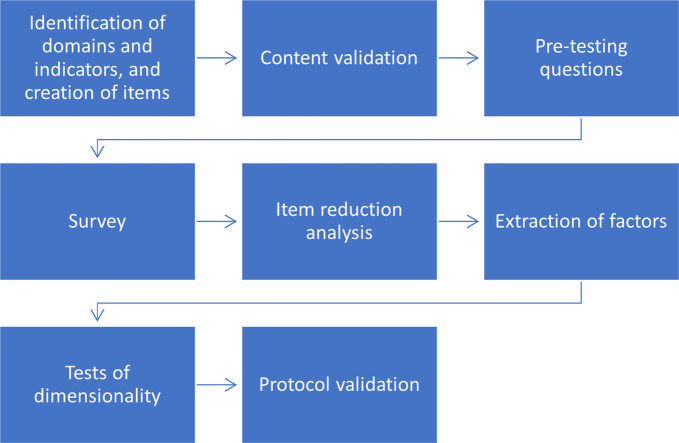 Figure 1
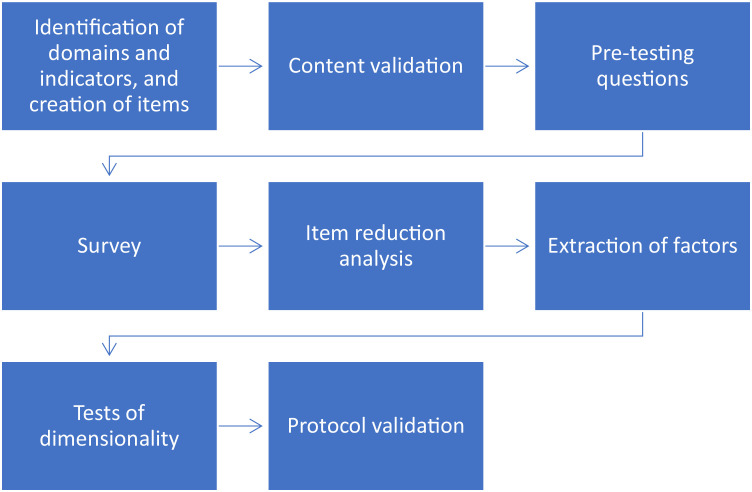 Figure 2
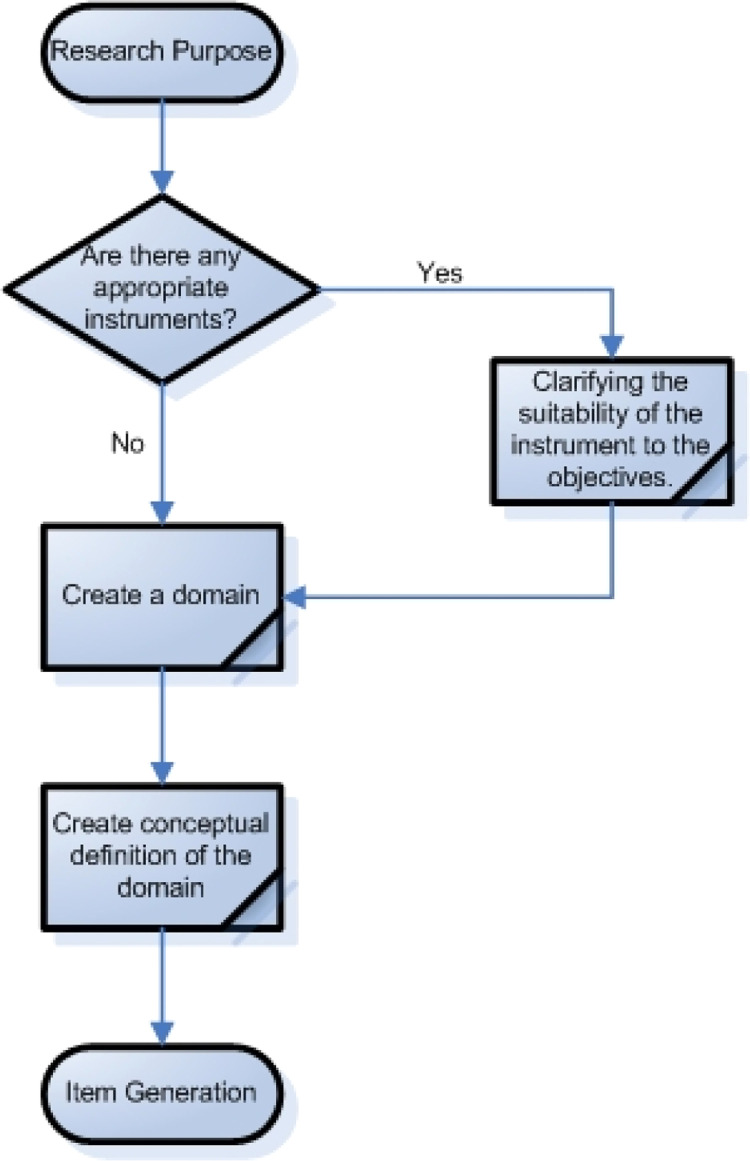 Figure 3
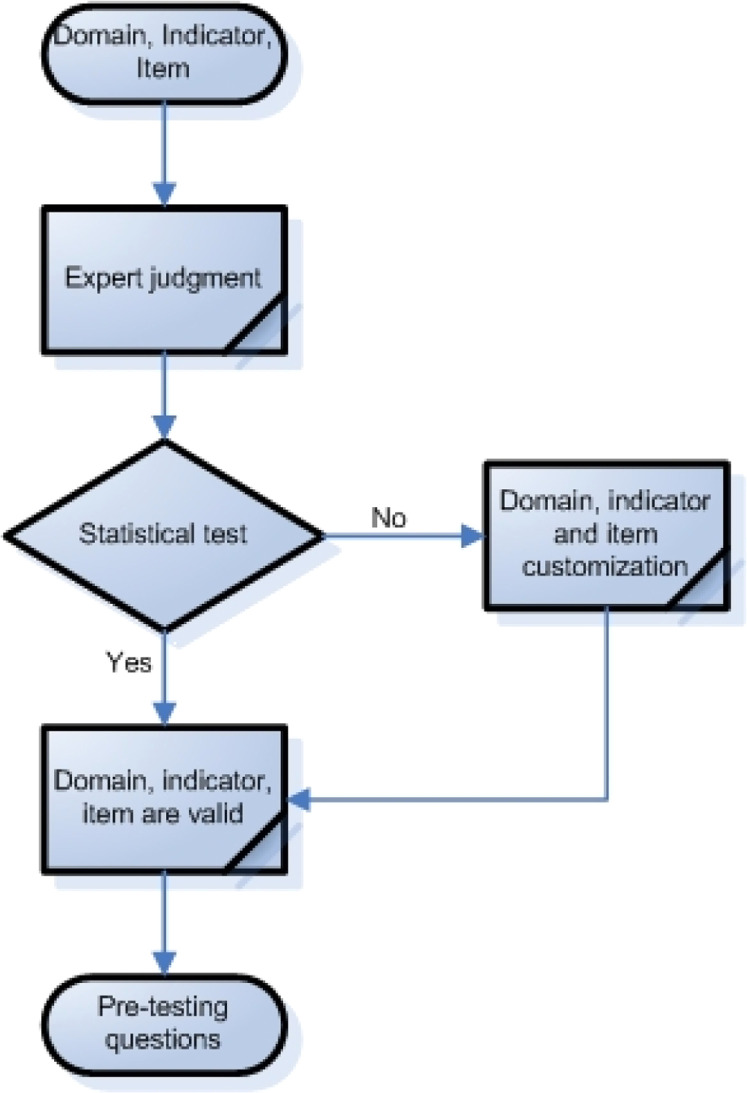 Figure 4
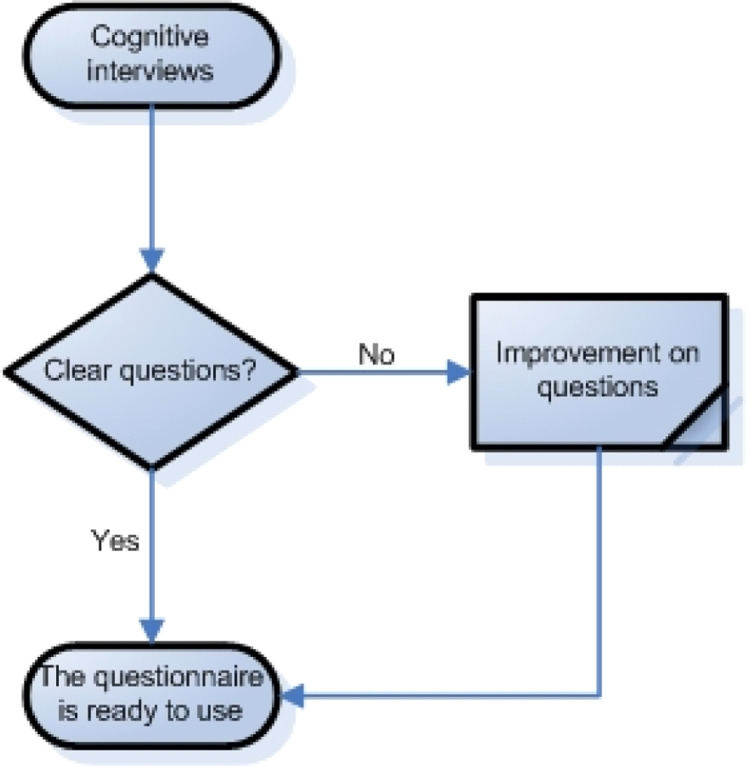 Figure 5
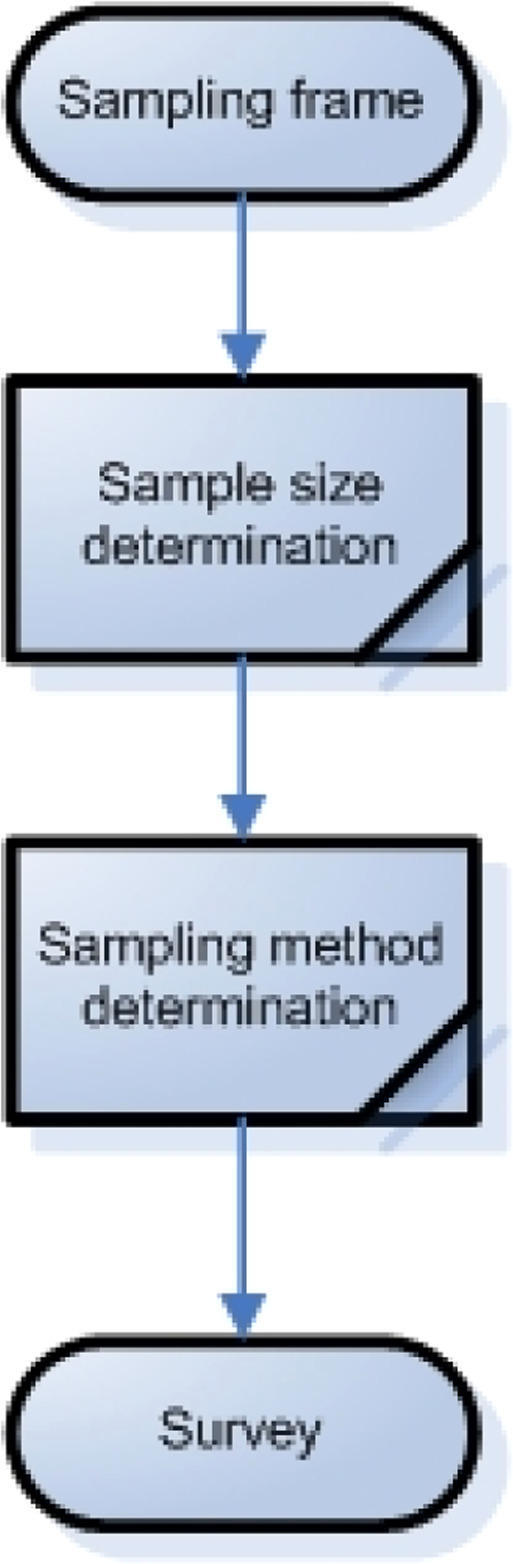 Figure 6
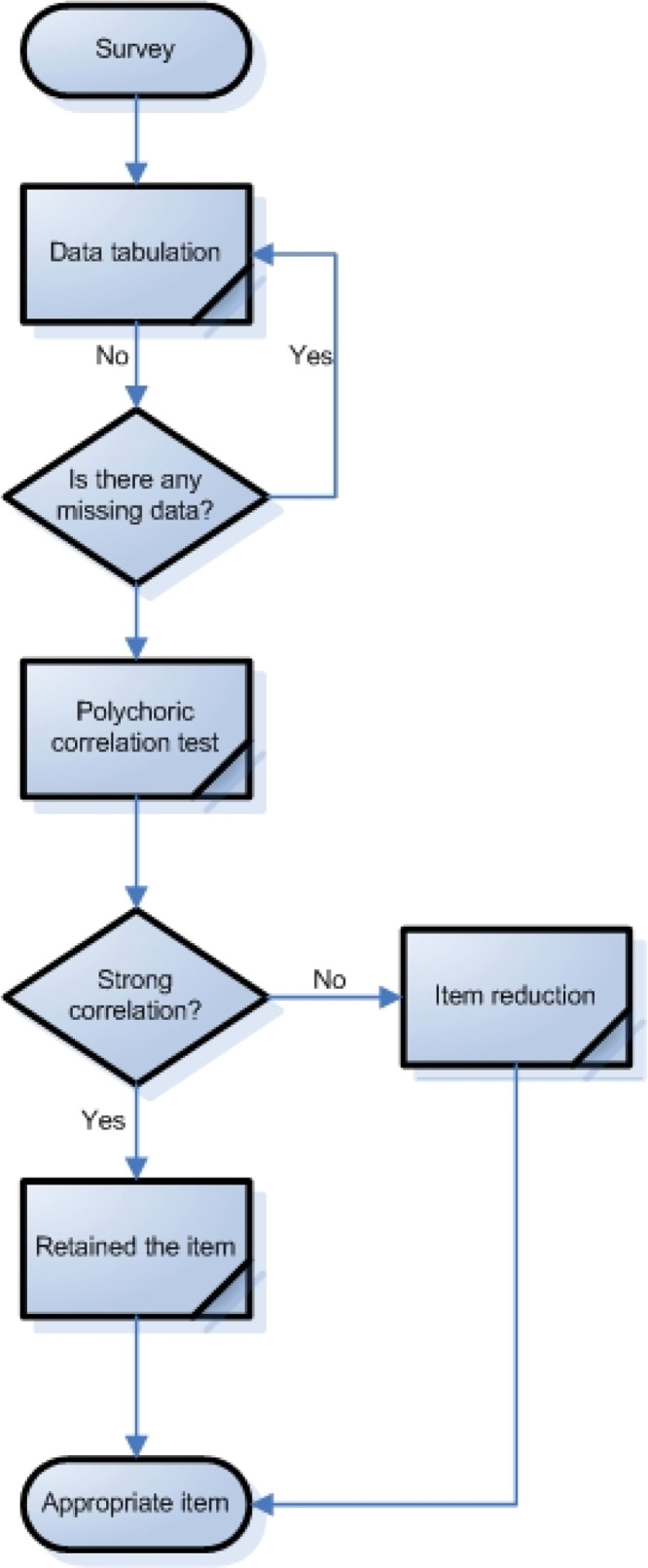 Figure 7
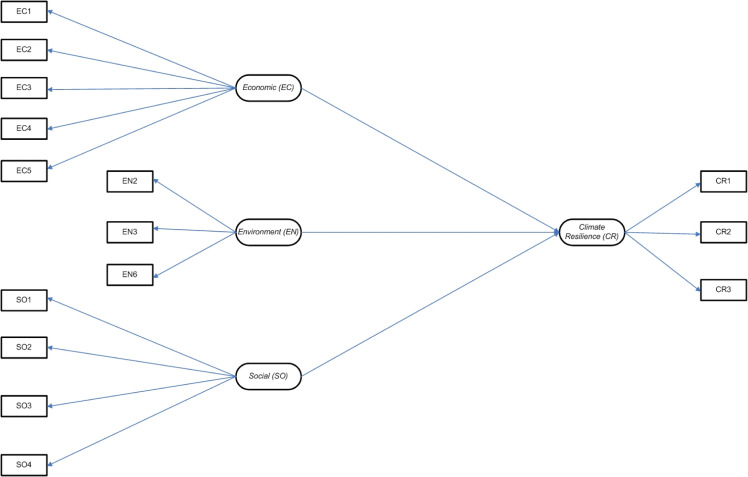 Figure 8
Peer Reviews
No public reviews on file for this paper yet. If you reviewed it on a platform where reviews are public (OpenReview, ICLR, NeurIPS, ICML), you can paste yours below so the community can read it here.
Videos
No videos yet. Explain this paper in a talk, walkthrough, or lecture? Add one.
Taxonomy
TopicsClimate change impacts on agriculture · Agricultural risk and resilience · Sustainable Agricultural Systems Analysis