A machine learning study highlighting the challenges of fidgety movement recognition using vision and inertial sensors
Falco Lentzsch, Frédéric Li, Friederike Pagel, Margot Lau, Andrea Kock, Hanna Marie Röhling, Anne Stein, Maciej Baranowski, Marco Maass, Hannes Hölzl, Sebastian Glende, Sebastian Mansow-Model, Ute Thyen, Marcin Grzegorzek

TL;DR
This study explores the use of machine learning to recognize fidgety movements in infants, aiming to improve early neurological screening but facing challenges in generalizing results.
Contribution
The paper investigates deep learning approaches for disentangled feature representation in fidgety movement recognition using multimodal data.
Findings
Features characterizing movement can be learned independently of subject information.
Generalizing feature representations to unseen subjects remains a significant challenge.
Both vision- and sensor-based modalities face specific challenges in fidgety movement recognition.
Abstract
Past medical research has shown that infantile movement and early neurological development are closely linked. Fidgety Movements that are reflex-like movement occurring in healthy infants less than 20-week of age have proven to be especially important, as past studies have highlighted that their absence is strongly correlated with the future development of neurological disorders like Cerebral Palsy. To provide a timely intervention, the General Movement Assessment was proposed as a screening medical procedure carried out by clinical personnel specifically trained to recognize Fidgety Movements. Because of its high cost in time and resources, several initiatives to automatize General Movement Assessment using machine learning techniques have been proposed in the literature. However none has managed to emerge as state-of-the-art so far. To investigate this problem, we conducted a study…
Genes, proteins, chemicals, diseases, species, mutations and cell lines named across the full text — each resolved to its canonical identifier and authoritative record.
Click any figure to enlarge with its caption.
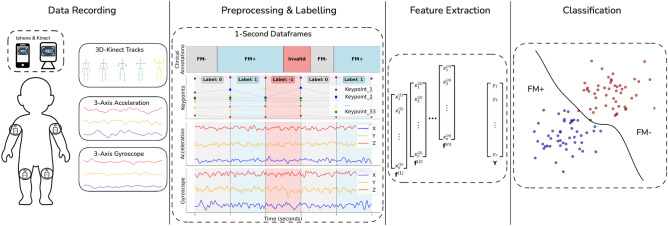 Figure 1
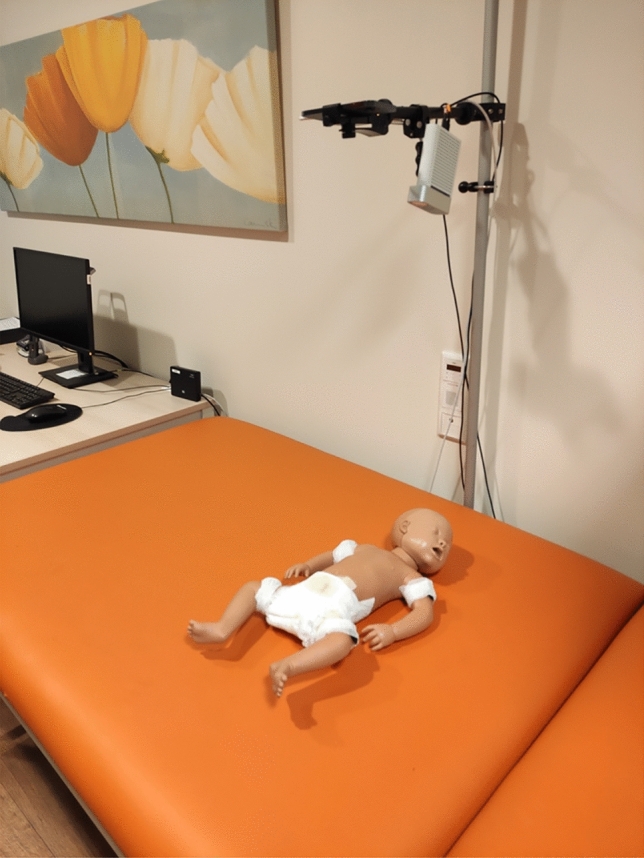 Figure 2
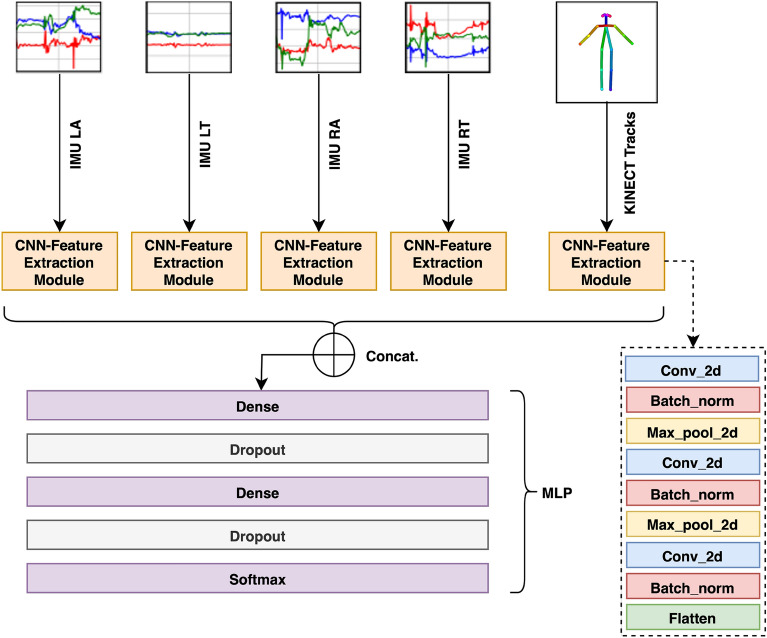 Figure 3
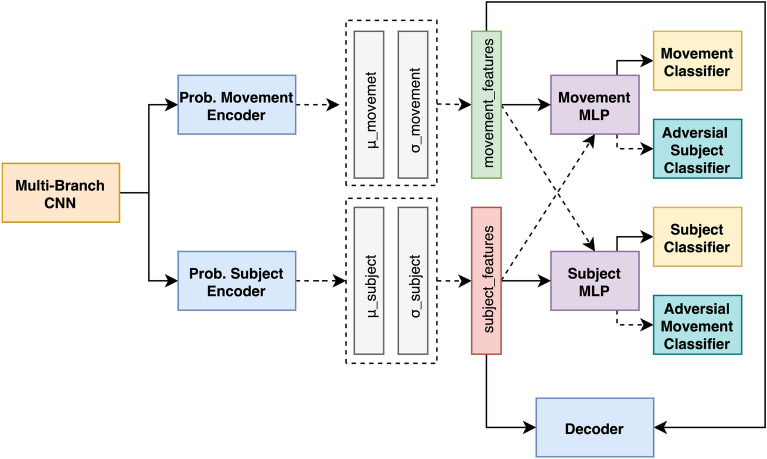 Figure 4
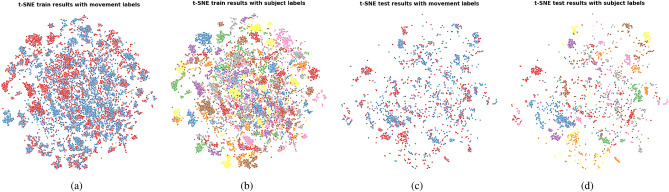 Figure 5
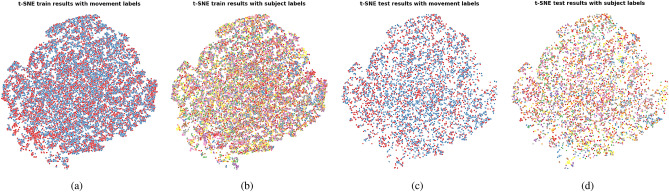 Figure 6
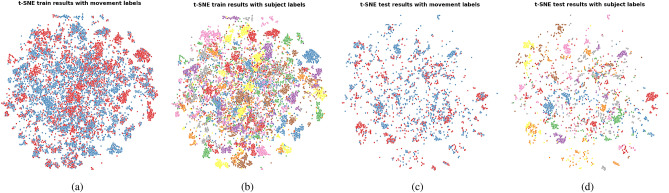 Figure 7
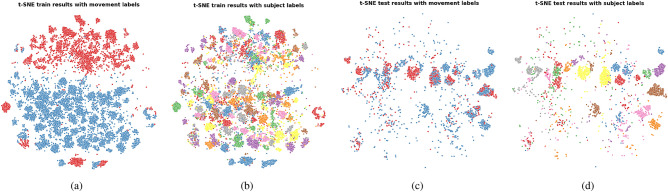 Figure 8
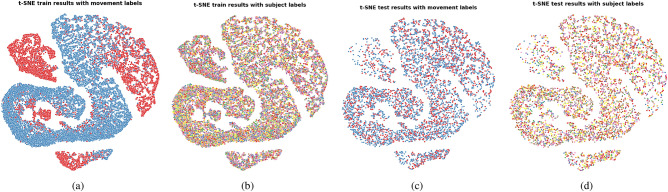 Figure 9
Peer Reviews
No public reviews on file for this paper yet. If you reviewed it on a platform where reviews are public (OpenReview, ICLR, NeurIPS, ICML), you can paste yours below so the community can read it here.
Videos
No videos yet. Explain this paper in a talk, walkthrough, or lecture? Add one.
Taxonomy
TopicsInfant Development and Preterm Care · Cerebral Palsy and Movement Disorders · Neonatal and fetal brain pathology