Human tolerogenic dendritic cell subtypes exert divergent effects on induction of cytotoxic CD4+ T cells
Gabrielle Barran, Najib Naamane, Abdul Mannan Baru, Amy E. Anderson, Jane Falconer, Catharien M. U. Hilkens

TL;DR
This study compares different types of tolerogenic dendritic cells and finds that some can induce cytotoxic activity in CD4+ T cells, which could impact their use in treating autoimmune diseases.
Contribution
The study identifies that vitamin D3-generated tolerogenic dendritic cells uniquely induce cytotoxic CD4+ T cells, a novel regulatory mechanism.
Findings
Tolerogenic dendritic cells generated with vitamin D3 induce cytotoxic CD4+ T cells marked by granzyme B and cytotoxic gene expression.
TolDC produced with vitamin D3 and dexamethasone do not induce cytotoxic activity in CD4+ T cells.
Both tolDC types show reduced interleukin-12 production and interferon-γ secretion by CD4+ T cells.
Abstract
Tolerogenic dendritic cells (tolDC) are currently in clinical trials for the treatment of autoimmune diseases such as rheumatoid arthritis and multiple sclerosis. The methods for producing therapeutic tolDC vary widely, with little being known about the commonalities and differences of distinct cell products in terms of their regulatory actions on CD4+ T cells. We compared human monocyte-derived tolDC generated with vitamin D3 alone or in combination with dexamethasone. We found marked differences in the surface expression of HLA-DR and immune regulatory molecules, but also found commonalities, e.g. a strongly reduced capacity to produce interleukin-12 and a concomitant decreased ability to induce interferon-γ secretion by allogeneic CD4+ T cells. To gain a deeper understanding of how these tolDC types exert their regulatory effects, we co-cultured them with CD4+ T cells from rheumatoid…
Genes, proteins, chemicals, diseases, species, mutations and cell lines named across the full text — each resolved to its canonical identifier and authoritative record.
Click any figure to enlarge with its caption.
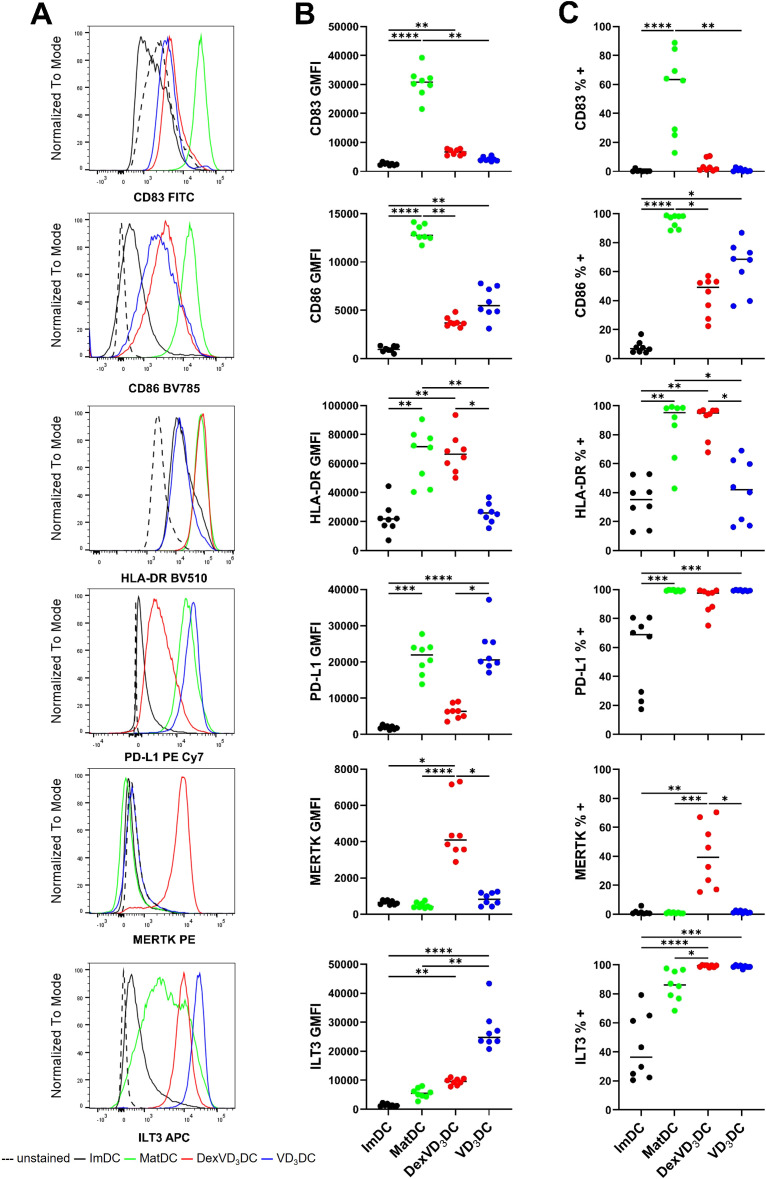 Figure 1
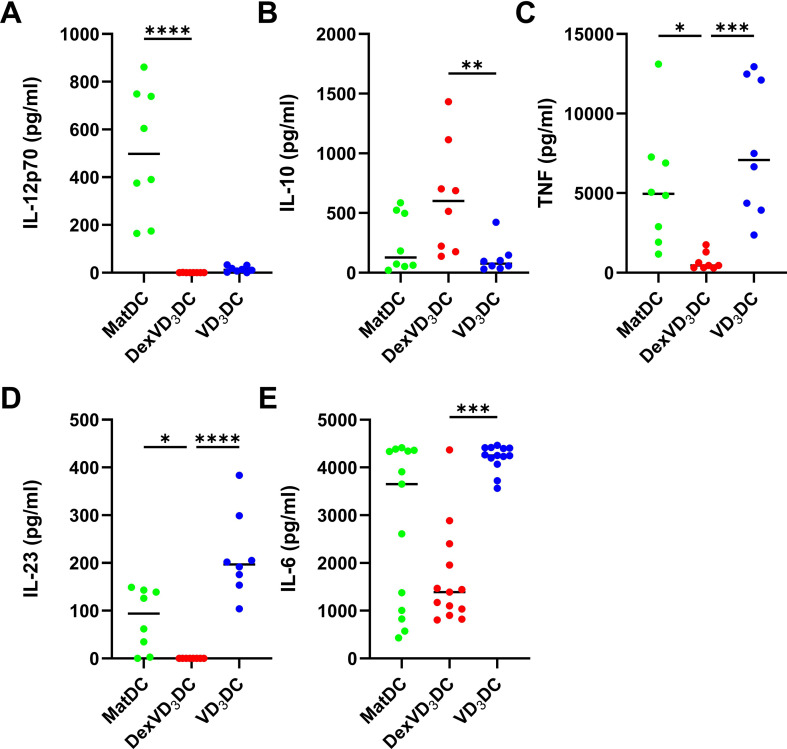 Figure 2
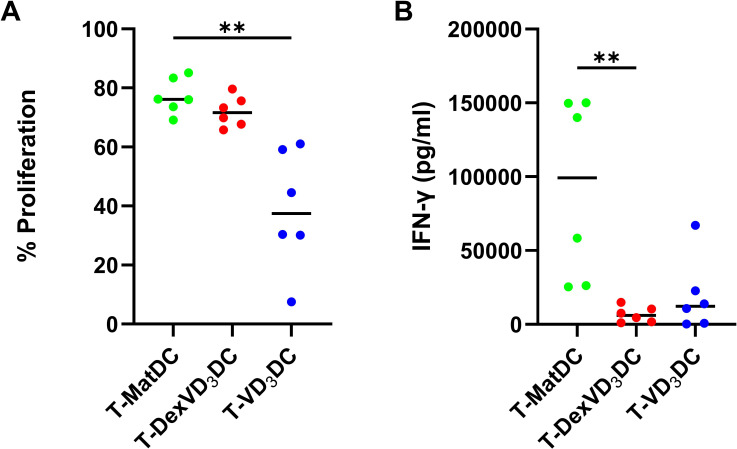 Figure 3
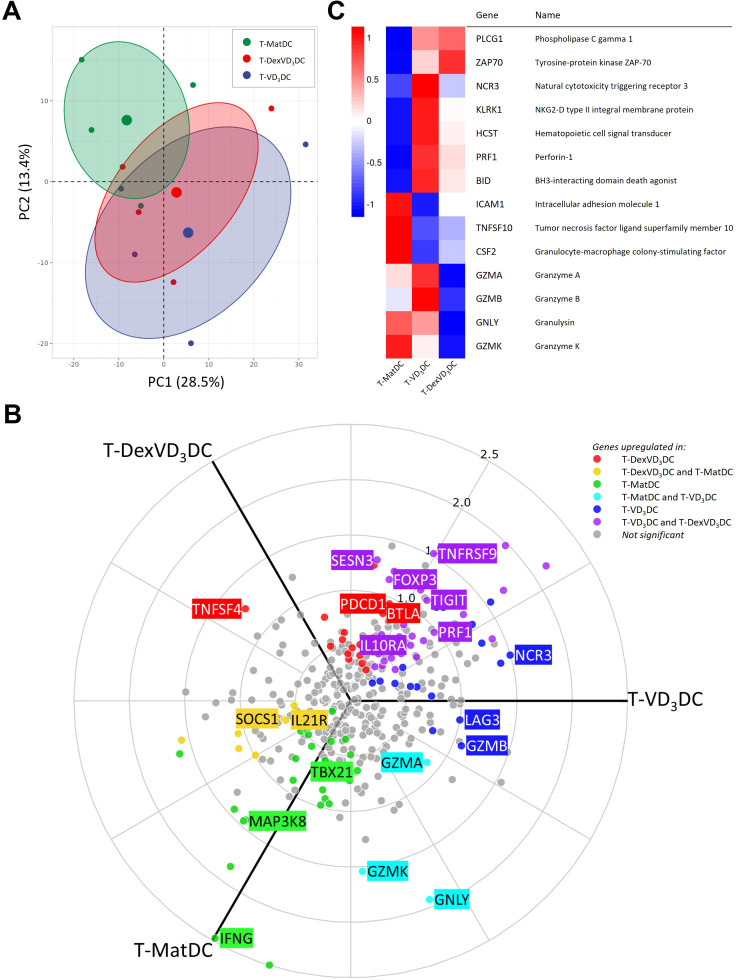 Figure 4
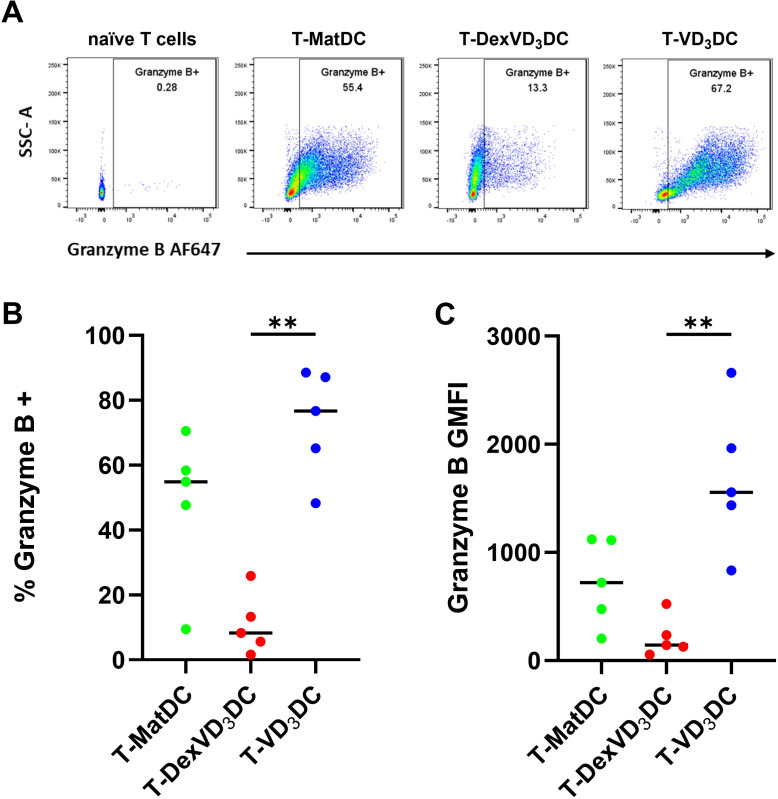 Figure 5
 Figure 6
Peer Reviews
No public reviews on file for this paper yet. If you reviewed it on a platform where reviews are public (OpenReview, ICLR, NeurIPS, ICML), you can paste yours below so the community can read it here.
Videos
No videos yet. Explain this paper in a talk, walkthrough, or lecture? Add one.
Taxonomy
TopicsImmunotherapy and Immune Responses · Cancer Immunotherapy and Biomarkers · Immune cells in cancer