Well-to-well transfer of HaloTag ligand 6-chlorohexan-1-ol and formaldehyde in a multi-well plate
Yugo Mishima, Saori Yasuda, Aoi Kunitomi, Tokiha Masuda-Ozawa, Shusuke Tomoshige, Shunji Kato, Yuki Kadono, Kiyotaka Nakagawa, Minoru Ishikawa

TL;DR
This paper shows that certain chemicals used in experiments can spread between wells in a plate, affecting results and cell health.
Contribution
The study reveals that 6-chlorohexan-1-ol and formaldehyde can transfer between wells, impacting experimental outcomes.
Findings
6-chlorohexan-1-ol transferred to untreated wells, affecting HaloTag-targeting PROTAC activity.
Formaldehyde used for cell fixation caused toxicity in surrounding wells.
The transfer of these reagents highlights the need for careful handling in multi-well plates.
Abstract
When volatile organic compounds are handled in multi-well plates, their volatilization is known to affect non-treated wells in the plate. In this paper, we report two cases in which the HaloTag ligand 6-chlorohexan-1-ol and formaldehyde were volatilized and transferred to other wells in a multi-well plate. We found that competition between the HaloTag-targeting PROTAC and 6-chlorohexan-1-ol affected the other wells of the plate. A multifaceted analysis revealed that this phenomenon resulted from well-to-well transfer of 6-chlorohexan-1-ol into untreated wells on the plate. In addition, the formaldehyde used for cell fixation was toxic to cells in the surrounding wells. Therefore, even these reagents, which are widely used in life science research, require careful handling in multi-well plates. The online version contains supplementary material available at 10.1038/s41598-025-29372-w.
Genes, proteins, chemicals, diseases, species, mutations and cell lines named across the full text — each resolved to its canonical identifier and authoritative record.
Click any figure to enlarge with its caption.
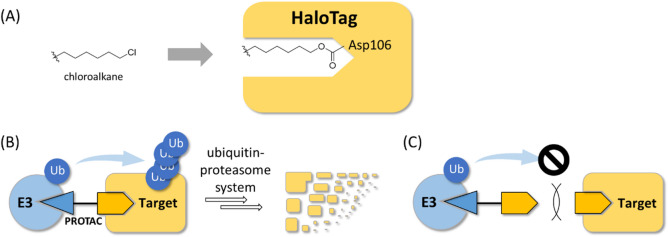 Figure 1
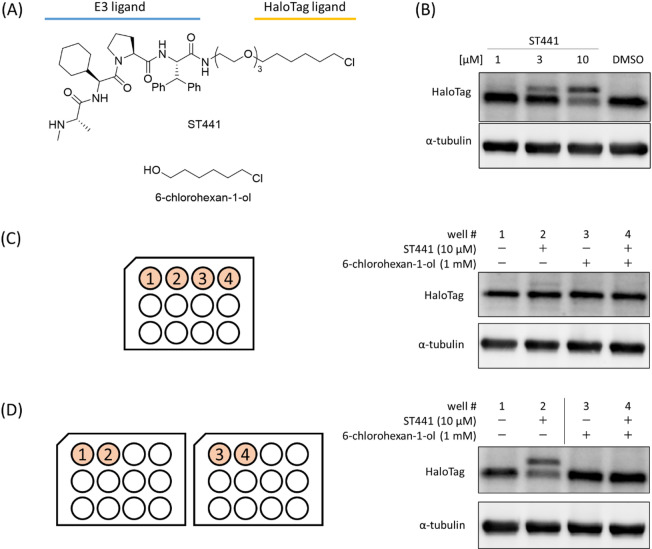 Figure 2
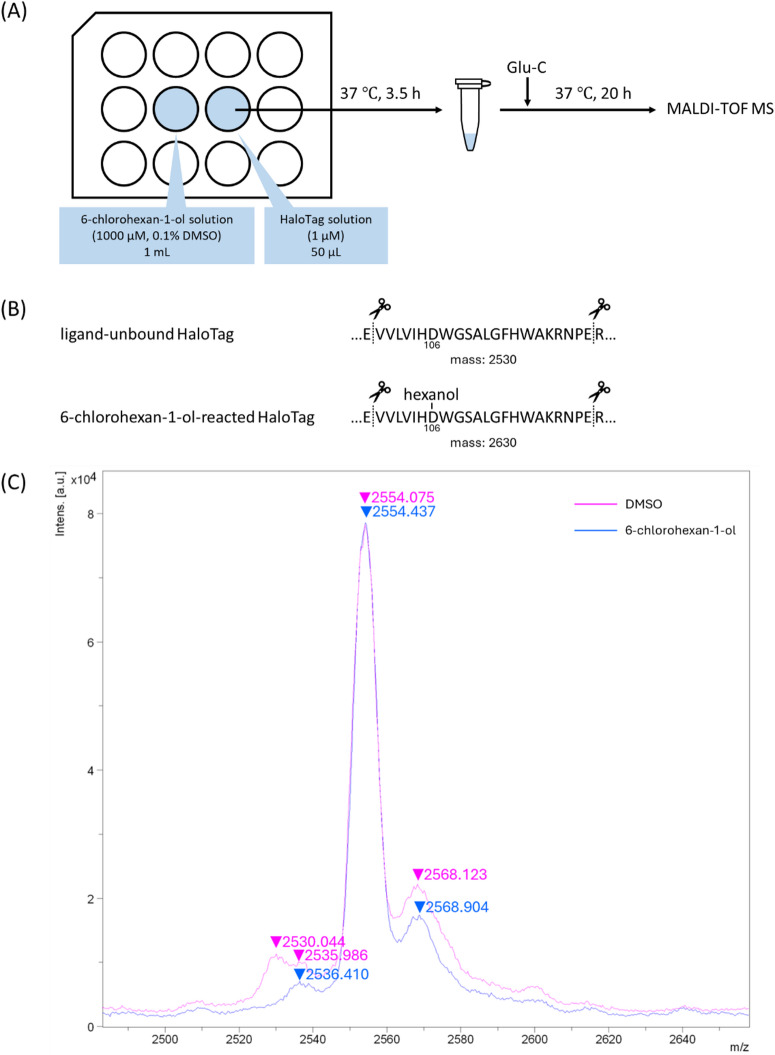 Figure 3
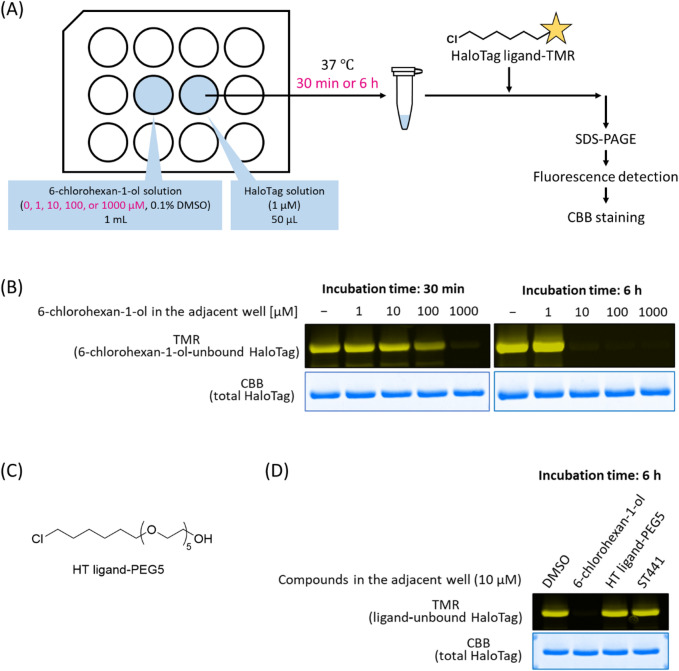 Figure 4
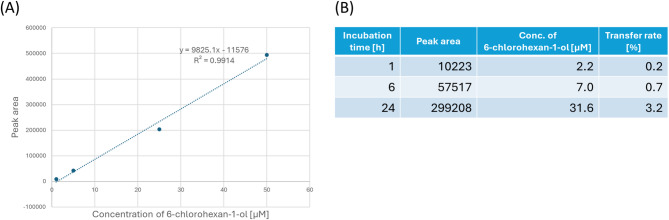 Figure 5
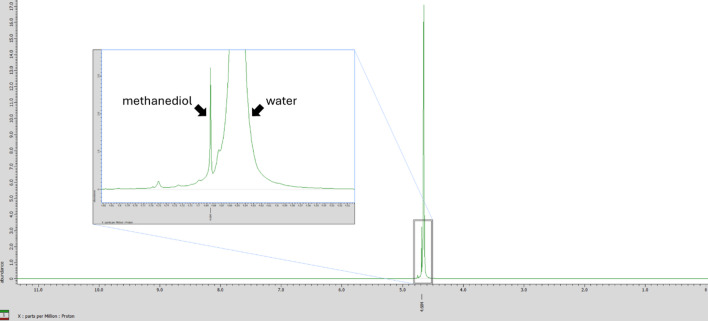 Figure 6
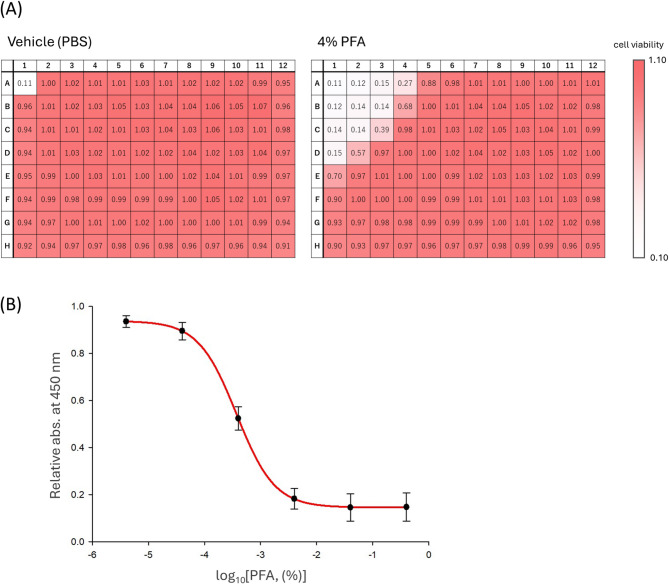 Figure 7
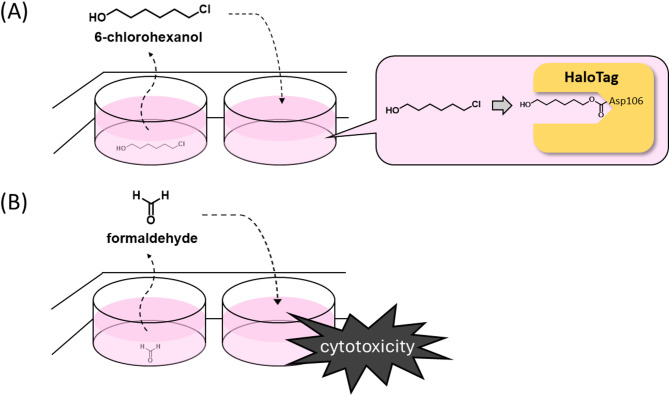 Figure 8
Peer Reviews
No public reviews on file for this paper yet. If you reviewed it on a platform where reviews are public (OpenReview, ICLR, NeurIPS, ICML), you can paste yours below so the community can read it here.
Videos
No videos yet. Explain this paper in a talk, walkthrough, or lecture? Add one.
Taxonomy
TopicsProtein Degradation and Inhibitors · Peptidase Inhibition and Analysis · Click Chemistry and Applications