Climate-Driven Shifts in Bat Distributions Reveal Functional Reorganization and Spatial Mismatch Across Agroecosystems
Yingying Liu, Yang Geng, Yushi Pan, Hao Zeng, Zhenglanyi Huang, Peter John Taylor, Tinglei Jiang

TL;DR
This study shows how climate change could shift the habitats of insect-eating bats, potentially reducing their ability to control crop pests in key agricultural areas.
Contribution
The integration of DNA metabarcoding and species distribution modeling reveals how climate change may disrupt bat-mediated pest control in agroecosystems.
Findings
Bats consistently consume pest moths across different regions, indicating a reliable role in pest control.
Future climate scenarios show a northward shift in suitable habitats, with high emissions causing habitat fragmentation.
Spatial mismatches between bat habitats and pest control needs may emerge under high-emission climate scenarios.
Abstract
Climate change is shifting where species live, and this can disrupt important ecosystem services—like how insect-eating bats help control crop pests. We studied the Asian long-fingered bat, Miniopterus fuliginosus, to understand how future climate might affect its ability to protect crops. First, we used DNA analysis on bat feces from three different Chinese regions. We found that these bats mainly eat moths, including many pests that harm rice and maize, and their diet stays consistent across all areas—showing that they reliably help control pests. Then, we used models to predict the bats’ current suitable habitats and those in the 2050s and 2070s, under two climate scenarios: one with low greenhouse gas emissions (less warming) and one with high emissions (more warming). The models showed that the bats’ suitable habitats will shift north. While the total suitable area may stay stable…
Genes, proteins, chemicals, diseases, species, mutations and cell lines named across the full text — each resolved to its canonical identifier and authoritative record.
Click any figure to enlarge with its caption.
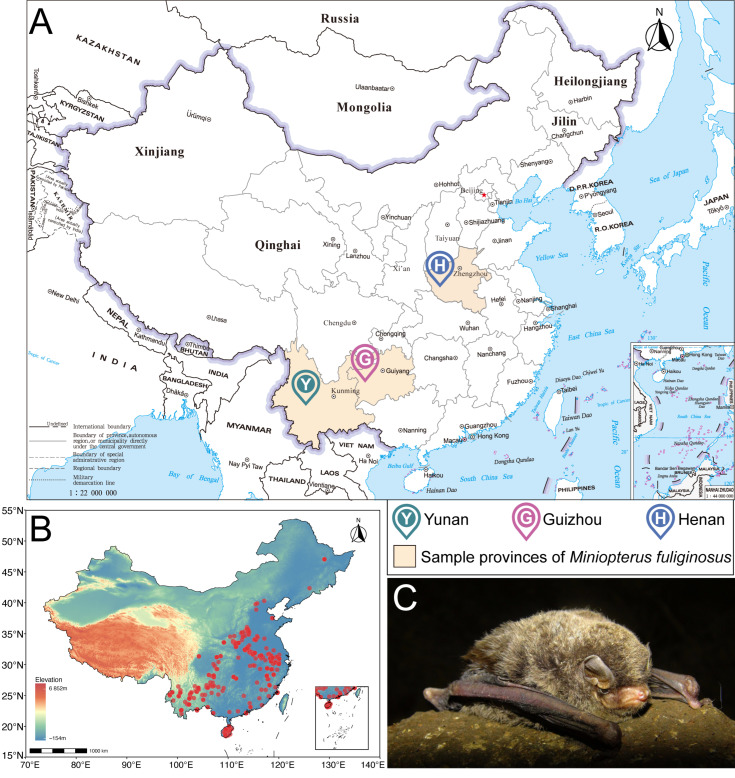 Figure 1
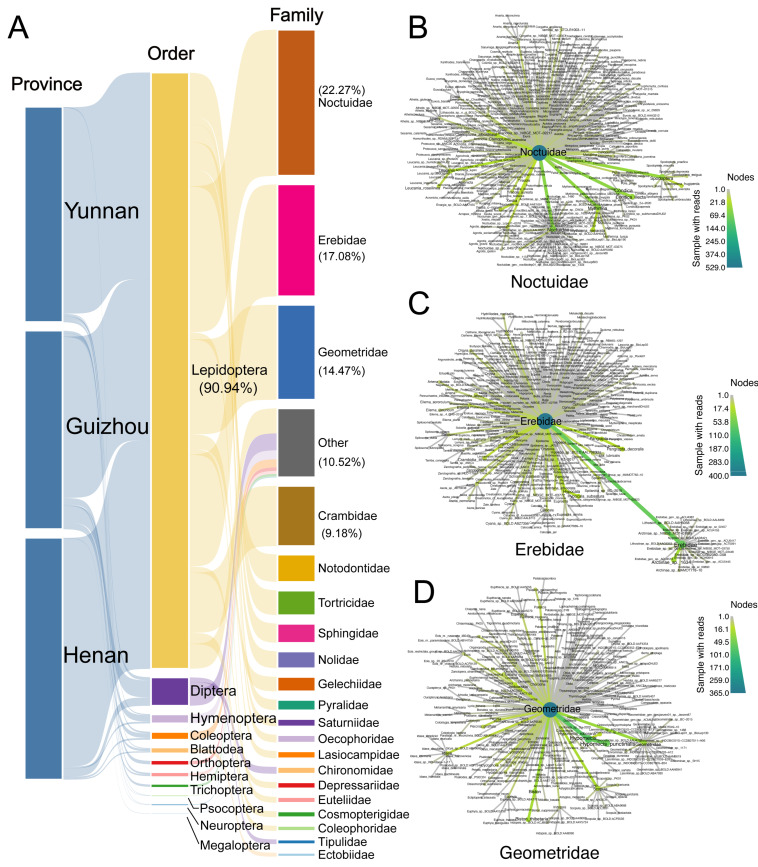 Figure 2
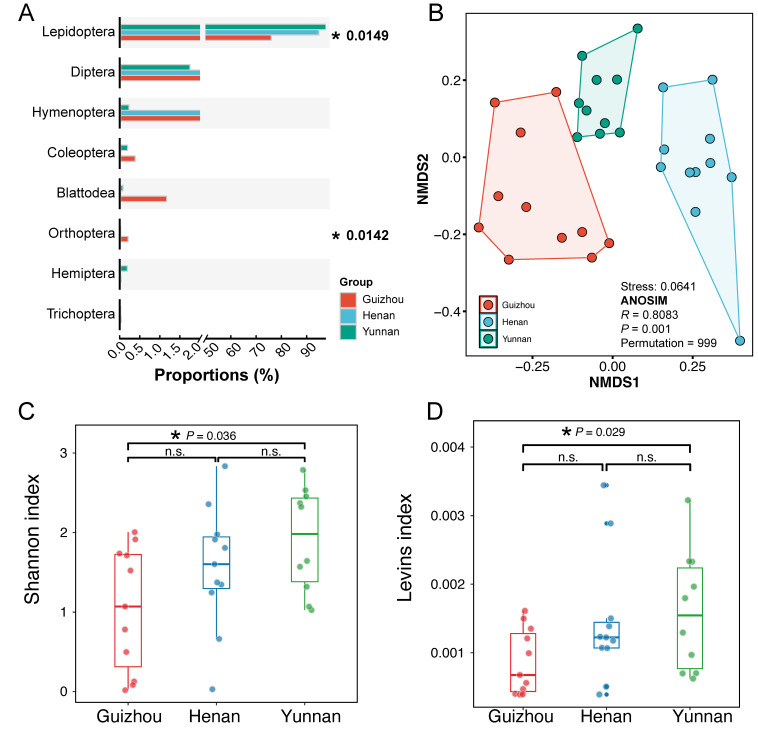 Figure 3
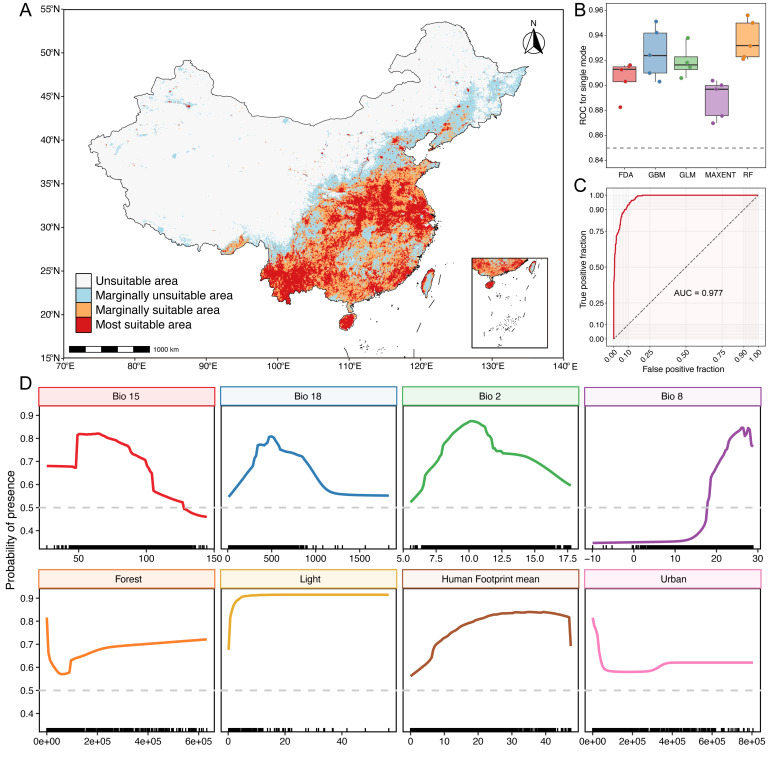 Figure 4
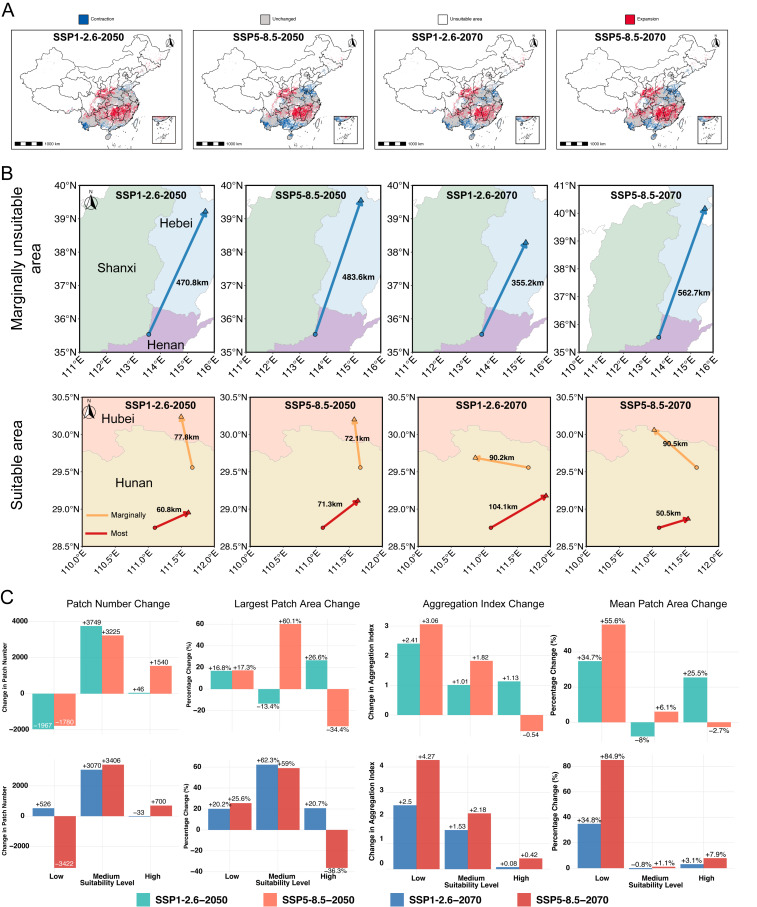 Figure 5
Peer Reviews
No public reviews on file for this paper yet. If you reviewed it on a platform where reviews are public (OpenReview, ICLR, NeurIPS, ICML), you can paste yours below so the community can read it here.
Videos
No videos yet. Explain this paper in a talk, walkthrough, or lecture? Add one.
Taxonomy
TopicsEnvironmental DNA in Biodiversity Studies · Species Distribution and Climate Change · bioluminescence and chemiluminescence research