NMR-Based Metabolomics Reveals Position-Specific Signatures Associated with Physical Demands in Professional Soccer Players
Suewellyn N. dos Santos, Glydiston E. O. Ananias, Edmilson R. da Rocha, Alessandre C. Carmo, Edson de S. Bento, Thiago M. de Aquino, Ronaldo V. Thomatieli-Santos, Luiz Rodrigo A. de Lima, Pedro Balikian, Natália de A. Rodrigues, Gustavo G. de Araujo, Filipe A. B. Sousa

TL;DR
This study uses NMR-based metabolomics to show how different soccer positions have unique metabolic responses to match demands, helping tailor recovery strategies.
Contribution
The study introduces position-specific metabolomic signatures in professional soccer players, linking internal load with external match performance.
Findings
Metabolomic analysis identified 38 key metabolites linked to carbohydrate, TCA cycle, amino acid, and energy metabolism.
Central Midfielders showed stronger associations with muscle damage and inflammation, while Defenders and Wide Midfielders were linked to energy metabolism and oxidative stress.
External load metrics varied significantly by position, with Central Midfielders covering more distance and Full Backs achieving higher peak speeds.
Abstract
Background: Soccer’s varied physical demands require meticulous load monitoring, which is now being advanced by combining GPS for external metrics and NMR-based metabolomics for internal metabolic profiling. This study aimed to investigate how player position influences the metabolomic profile (as a marker of internal load) under known match effort (external load). Methods: This was a longitudinal observational descriptive study involving 12 professional soccer players from the U-20 São Paulo Football Club, enrolled in the 2022 São Paulo State Under-20 Football Championship. Players were monitored across six matches during the season, culminating in a total of 49 individual match observations from those players (4-2-3-1 formation: Central Defenders [CD], n = 9; Full Backs [FB], n = 9; Central Midfielders [CM], n = 14; Wide Midfielders [WM], n = 12; Forwards [F], n = 5). Internal load…
Genes, proteins, chemicals, diseases, species, mutations and cell lines named across the full text — each resolved to its canonical identifier and authoritative record.
Click any figure to enlarge with its caption.
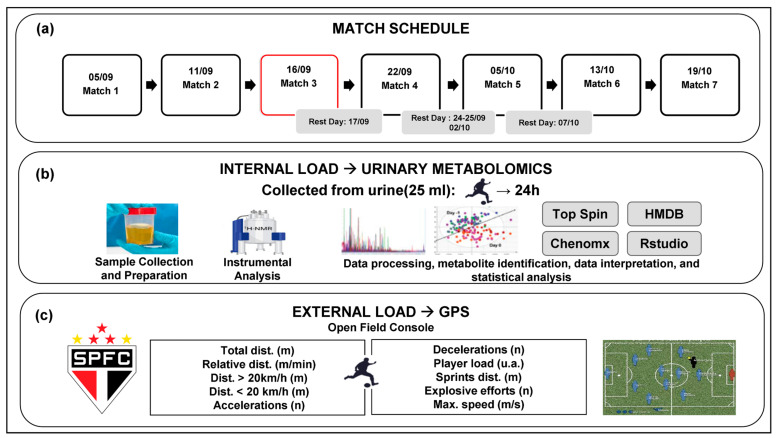 Figure 1
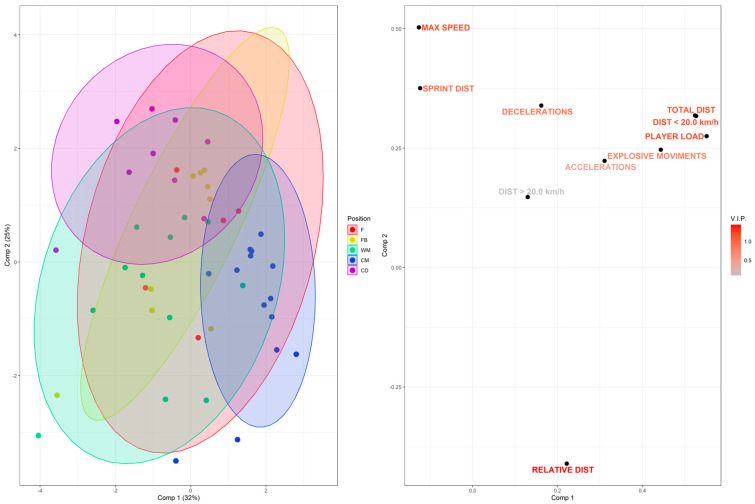 Figure 2
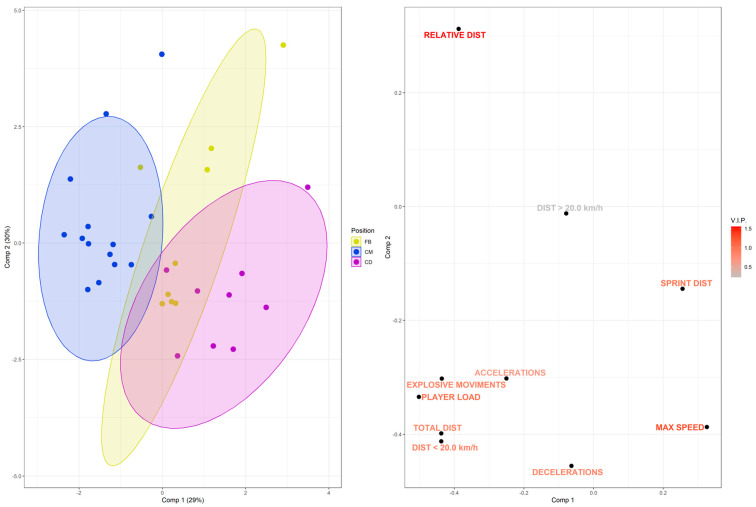 Figure 3
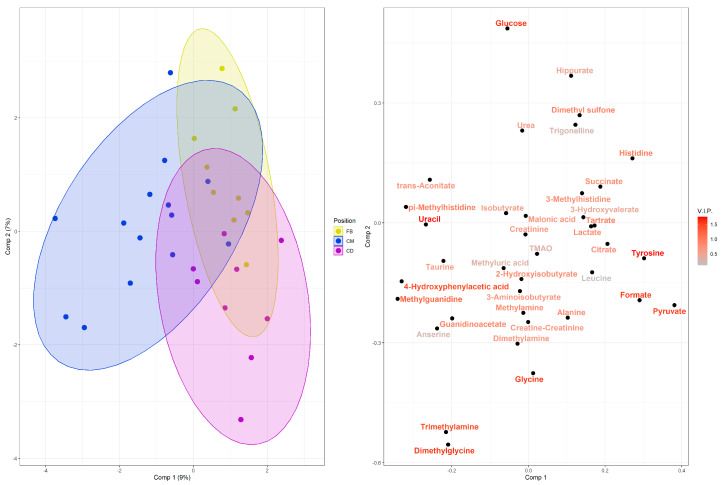 Figure 4
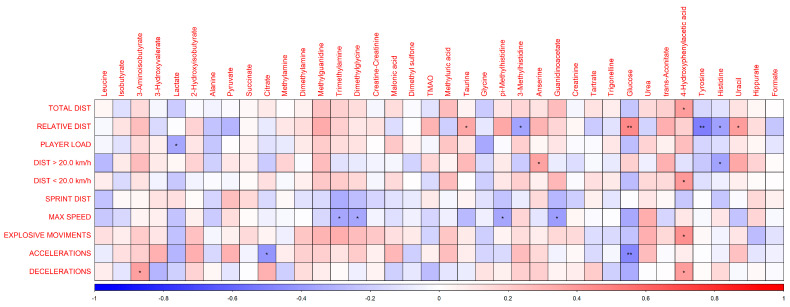 Figure 5
Peer Reviews
No public reviews on file for this paper yet. If you reviewed it on a platform where reviews are public (OpenReview, ICLR, NeurIPS, ICML), you can paste yours below so the community can read it here.
Videos
No videos yet. Explain this paper in a talk, walkthrough, or lecture? Add one.
Taxonomy
TopicsSports Performance and Training