Evolution of Robotic-Assisted Hepatobiliary Surgery
Dinh N. Nguyen, Abid Qureshi, Christina Cuoccio, Elliot G. Moore, Romulo Genato, Luca Milone

TL;DR
This paper reviews how robotic surgery has advanced and improved outcomes in complex liver and bile surgeries.
Contribution
The paper provides a comprehensive overview of the technological and procedural evolution of robotic-assisted hepatobiliary surgery.
Findings
Robotic surgery has seen exponential growth in hepatobiliary applications due to technological advancements.
Improved patient outcomes have been achieved through the use of robotic-assisted techniques in hepatobiliary surgery.
Abstract
Robotic surgery has grown tremendously in the past decade and has been applied in many surgical specialties, including hepatobiliary surgery. The complexity associated with hepatobiliary surgery initially limited the growth of implementing the use of robotics; however, technological breakthroughs made to the robotic surgical system and the superior patient outcomes have contributed to its exponential growth in the field. This article explores the evolution of robotic-assisted hepatobiliary surgery, from the advancement of the robotic surgical system to the progression of techniques applied in hepatobiliary surgery, and how this positively affected patient outcomes.
Genes, proteins, chemicals, diseases, species, mutations and cell lines named across the full text — each resolved to its canonical identifier and authoritative record.
Click any figure to enlarge with its caption.
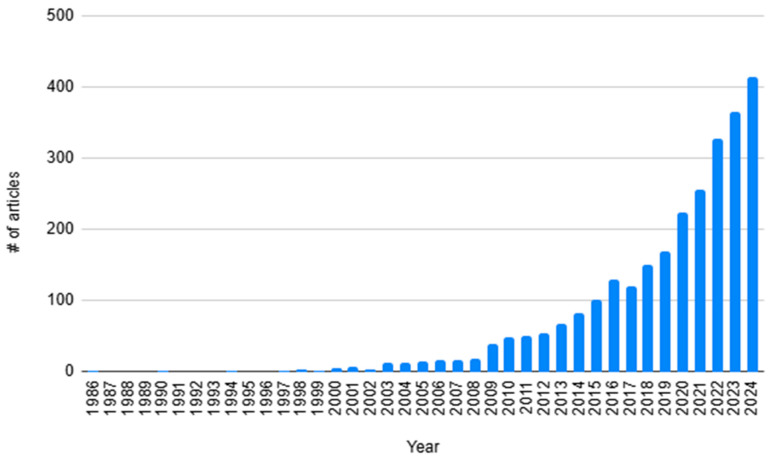 Figure 1
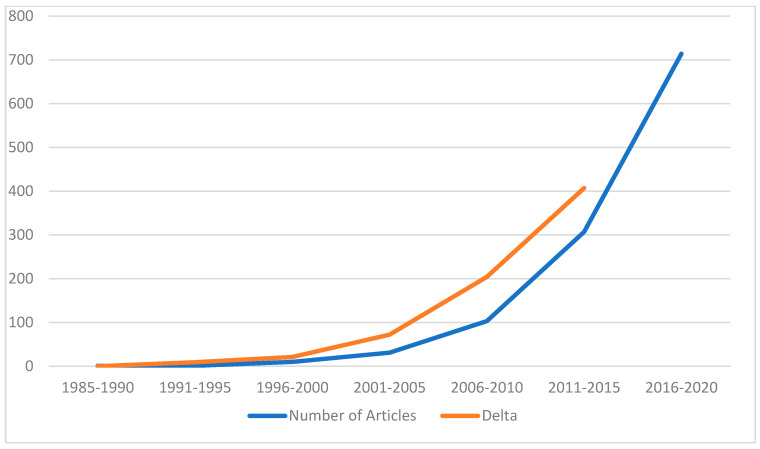 Figure 2
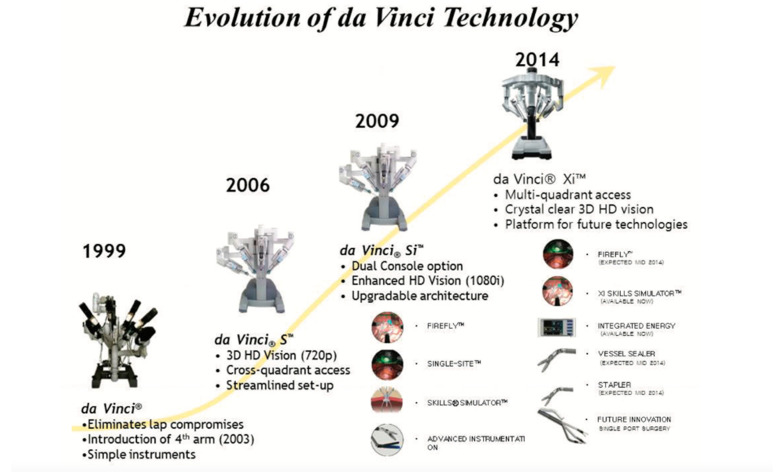 Figure 3
 Figure 4
Peer Reviews
No public reviews on file for this paper yet. If you reviewed it on a platform where reviews are public (OpenReview, ICLR, NeurIPS, ICML), you can paste yours below so the community can read it here.
Videos
No videos yet. Explain this paper in a talk, walkthrough, or lecture? Add one.
Taxonomy
TopicsHepatocellular Carcinoma Treatment and Prognosis · Cholangiocarcinoma and Gallbladder Cancer Studies · Gallbladder and Bile Duct Disorders