Dynamic Characterization of Antioxidant-Related, Non-Volatile, and Volatile Metabolite Profiles of Cherry Tomato During Ripening
Zhimiao Li, Sihui Guan, Rongqing Wang, Meiying Ruan, Qingjing Ye, Zhuping Yao, Chenxu Liu, Hongjian Wan, Guozhi Zhou, Yuan Cheng

TL;DR
This study tracks changes in cherry tomato metabolites during ripening, revealing how nutritional and sensory qualities develop.
Contribution
The paper provides a comprehensive, stage-specific metabolite profile linking ripening to antioxidant and sensory traits in cherry tomatoes.
Findings
Ripening increases lycopene, glucose/fructose, and antioxidant vitamins (A, E, C) while decreasing sucrose and bitter steroidal glycoalkaloids.
Non-volatile metabolites like phenolic acids and flavonoids accumulate at red-ripe stage, enhancing nutritional quality.
Volatile compounds shift toward fruity-floral odorants during ripening, with esters and terpenoids dominating the volatilome.
Abstract
Cherry tomato is a notable dietary source of metabolites associated with antioxidant functions. However, how ripening reshapes primary, specialized, and volatile metabolites remains incompletely resolved. Green-ripe and red-ripe fruits were comparatively analyzed using targeted HPLC assays for quality indices and vitamins, UPLC–MS/MS for non-volatile metabolites, and HS-SPME–GC–MS for volatiles. Ripening was accompanied by a pronounced accumulation of lycopene and an increase in soluble solids, reflecting a shift of sugars toward glucose and fructose while sucrose remained low. Organic acids declined overall, with citric acid remaining predominant. The free-amino-acid pool expanded, with redistribution from GABA toward glutamate and aspartate. Vitamins exhibited stage-dependent patterns; antioxidant-related vitamins (A, E, and C) were higher at the red-ripe stage, indicating a…
Genes, proteins, chemicals, diseases, species, mutations and cell lines named across the full text — each resolved to its canonical identifier and authoritative record.
Click any figure to enlarge with its caption.
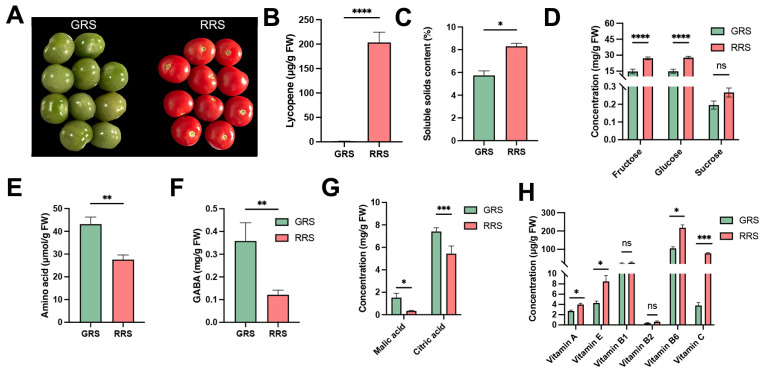 Figure 1
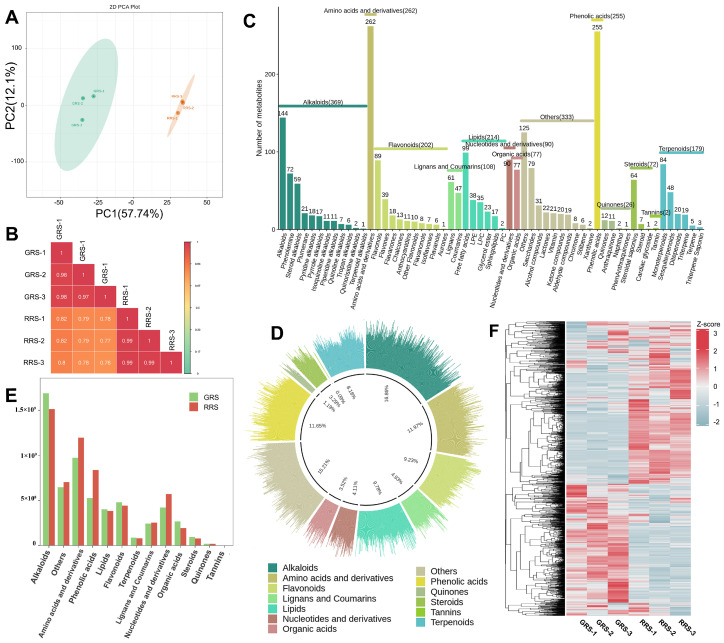 Figure 2
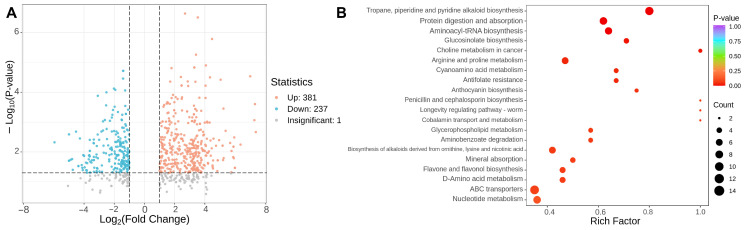 Figure 3
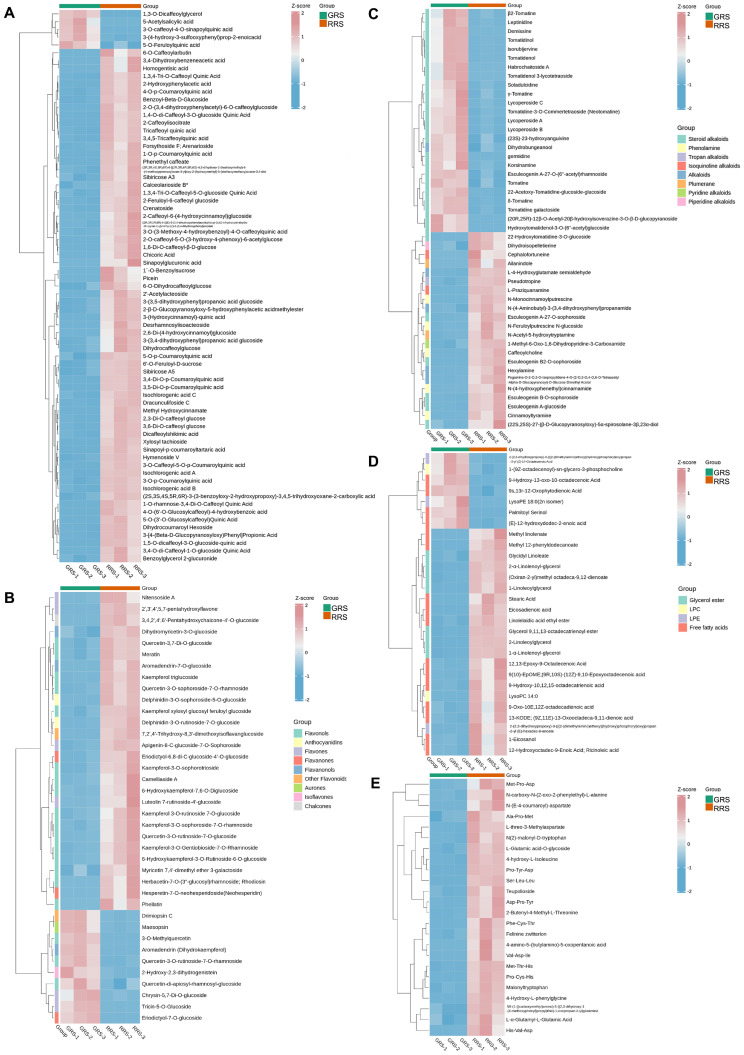 Figure 4
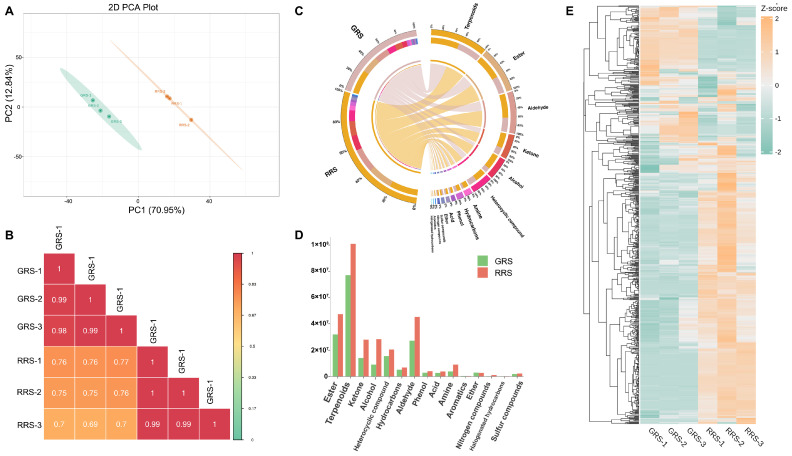 Figure 5
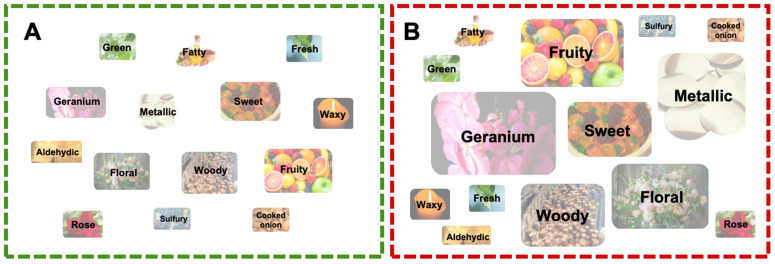 Figure 6
Peer Reviews
No public reviews on file for this paper yet. If you reviewed it on a platform where reviews are public (OpenReview, ICLR, NeurIPS, ICML), you can paste yours below so the community can read it here.
Videos
No videos yet. Explain this paper in a talk, walkthrough, or lecture? Add one.
Taxonomy
TopicsPostharvest Quality and Shelf Life Management · Edible Oils Quality and Analysis · Antioxidant Activity and Oxidative Stress