Chemical Diversity and Ecological Origins of Anti-MRSA Metabolites from Actinomycetota
Sayoane Pessoa Fernandes, Luana Layse Câmara de Almeida, Thalisson Amorim de Souza, Genil Dantas de Oliveira, Marcelly da Silveira Silva, Valnês da Silva Rodrigues-Junior, Harley da Silva Alves, Samuel Paulo Cibulski

TL;DR
This paper reviews natural compounds from Actinomycetota that can fight MRSA, a dangerous antibiotic-resistant bacteria, and highlights the importance of exploring new ecological niches for drug discovery.
Contribution
The paper systematically reviews recent anti-MRSA metabolites from Actinomycetota and emphasizes ecology-driven bioprospecting for novel antibiotics.
Findings
Compounds like chromomycins and actinomycins show potent anti-MRSA activity with submicromolar MICs.
Underexplored ecological niches like mangroves and marine sediments are promising sources of novel metabolites.
Ecology-driven drug discovery is critical for addressing the AMR crisis.
Abstract
Antimicrobial resistance (AMR) poses a major global threat to human health. Among multidrug-resistant pathogens, MRSA is a leading cause of severe nosocomial infections, urgently demanding the discovery of novel antimicrobial agents. Nature, particularly Actinomycetota, remains a prolific source of potent bioactive compounds to combat pathogens. This review analyzes recent advancements in anti-MRSA compounds from Actinomycetota. We highlight the most promising bioactive metabolites, their sources, mechanisms of action, and current limitations. Our analysis identified numerous compounds with potent activity against MRSA, including chromomycins, actinomycins, diperamycin, lunaemycin A, lactoquinomycin A, and weddellamycin, which exhibit submicromolar minimal inhibitory concentrations (MICs). The renewed interest in exploring Actinomycetota de novo is directly driven by the AMR crisis.…
Genes, proteins, chemicals, diseases, species, mutations and cell lines named across the full text — each resolved to its canonical identifier and authoritative record.
Click any figure to enlarge with its caption.
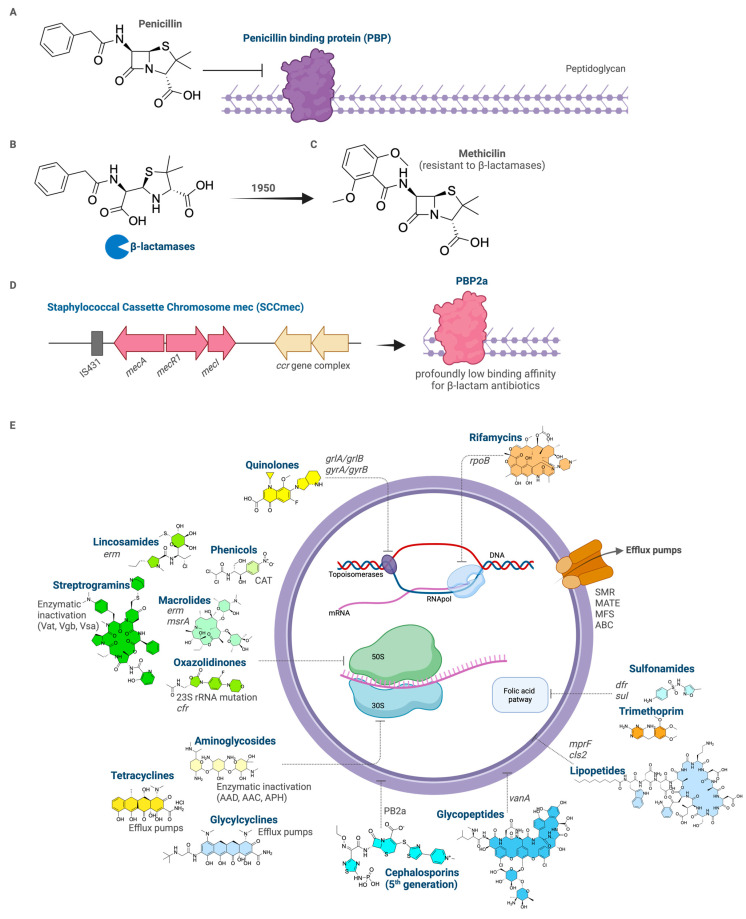 Figure 1
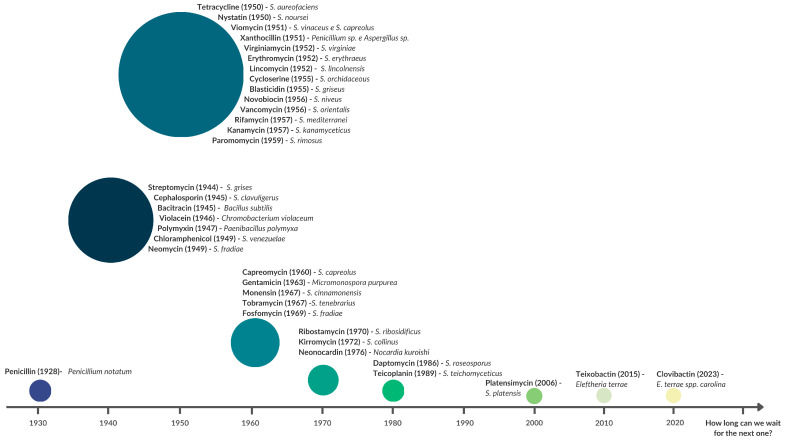 Figure 2
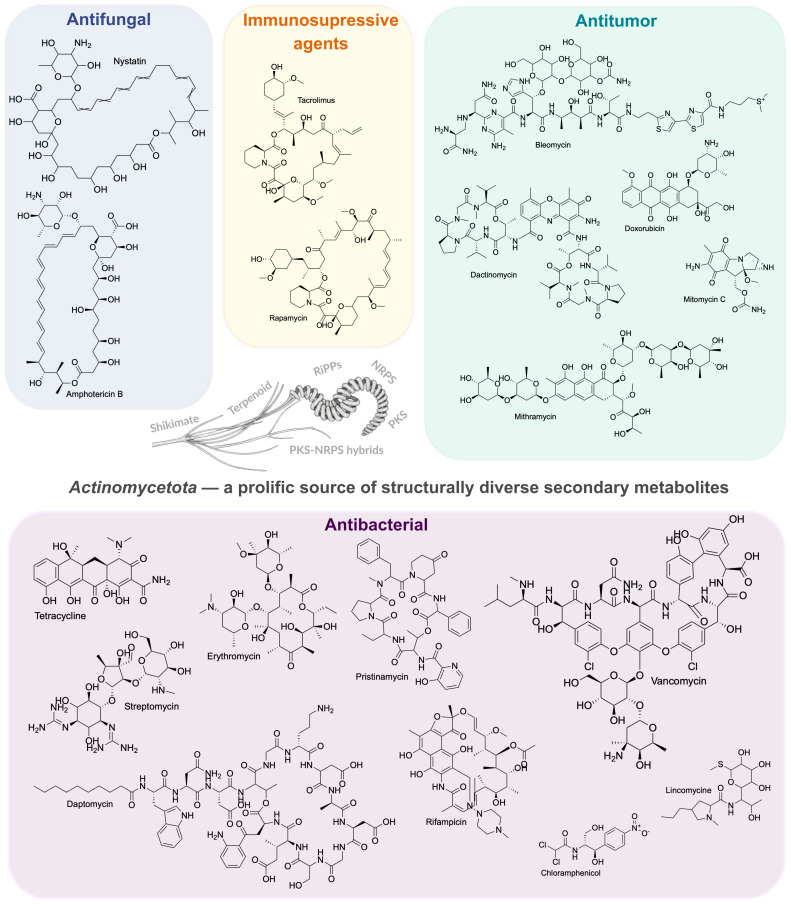 Figure 3
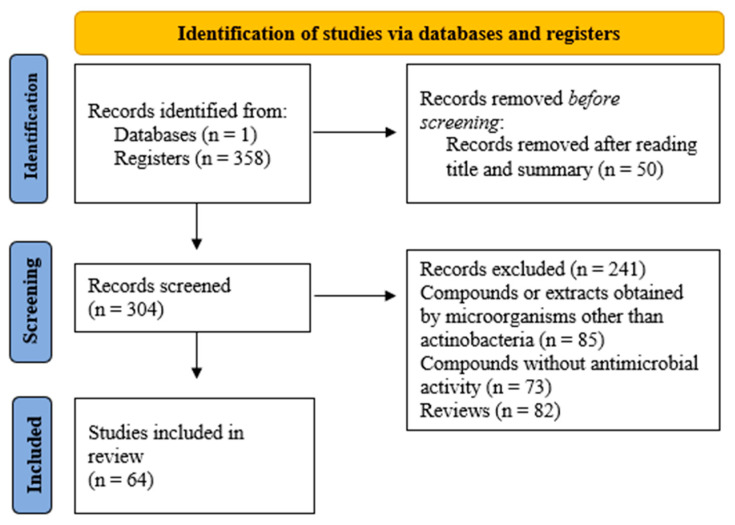 Figure 4
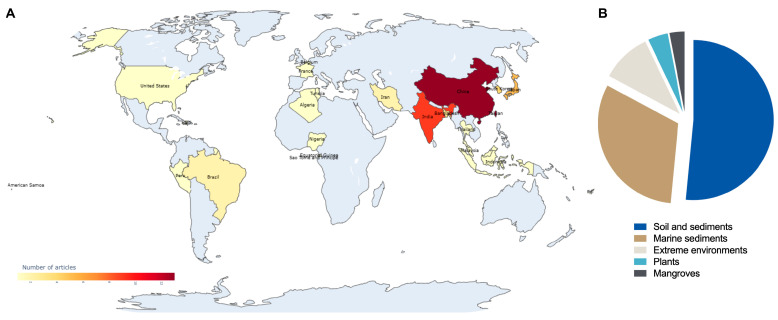 Figure 5
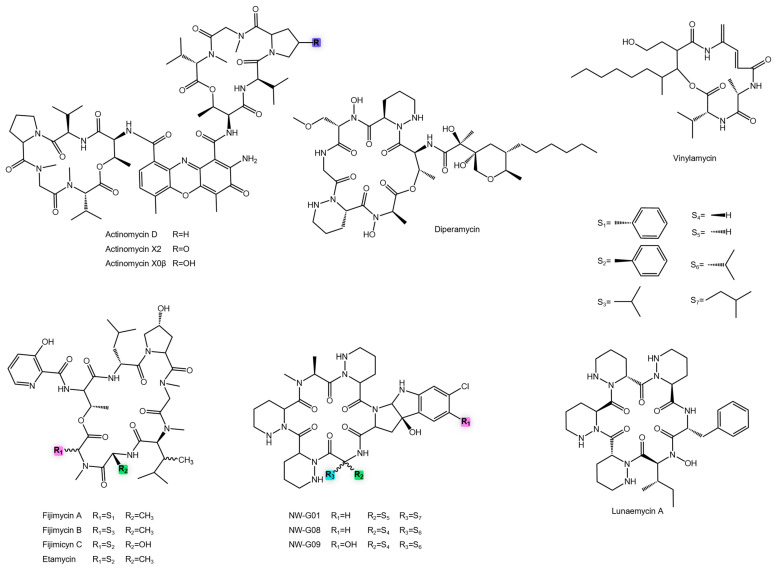 Figure 6
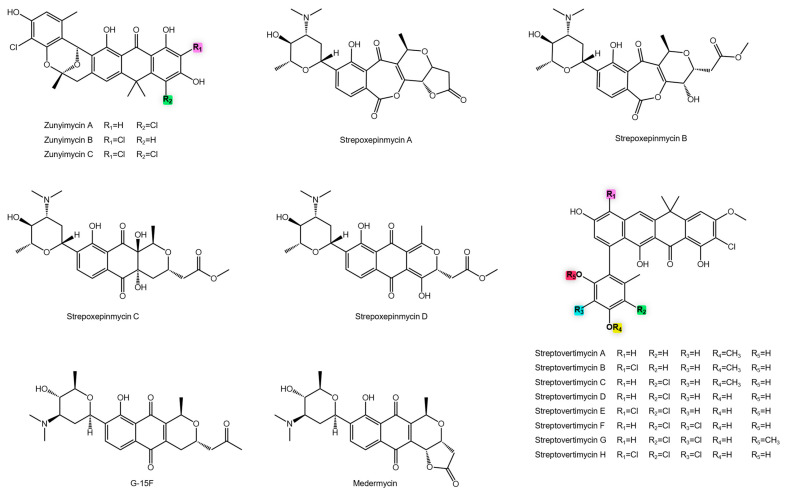 Figure 7
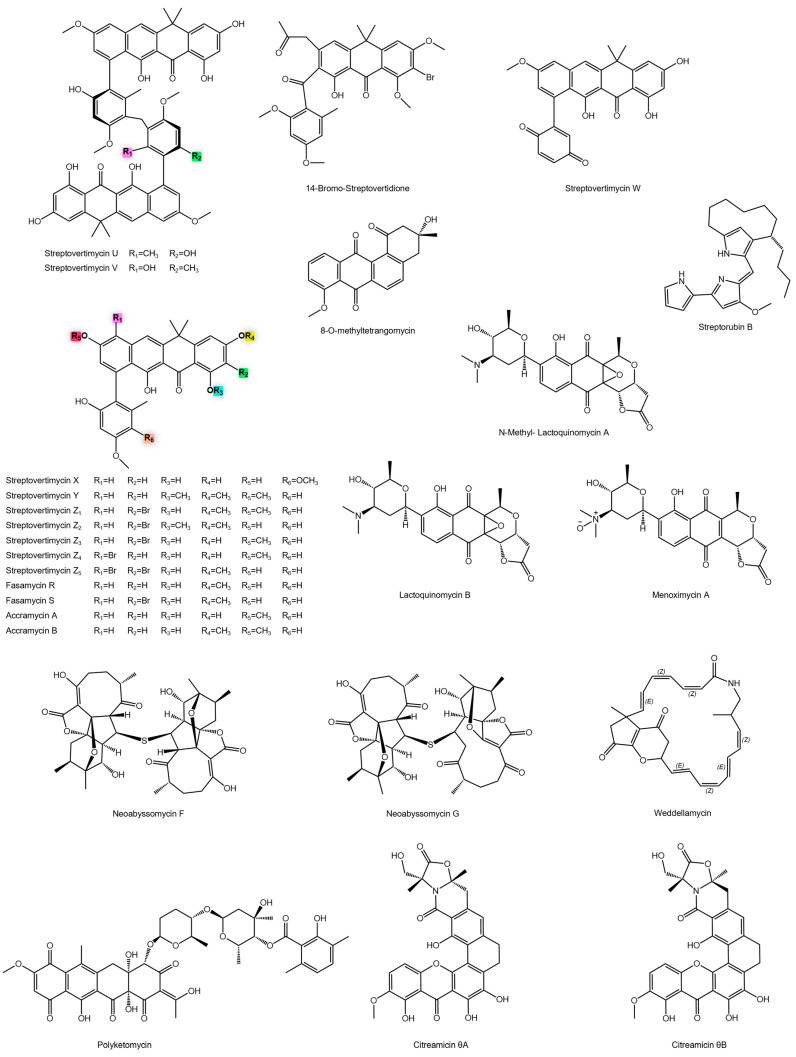 Figure 8
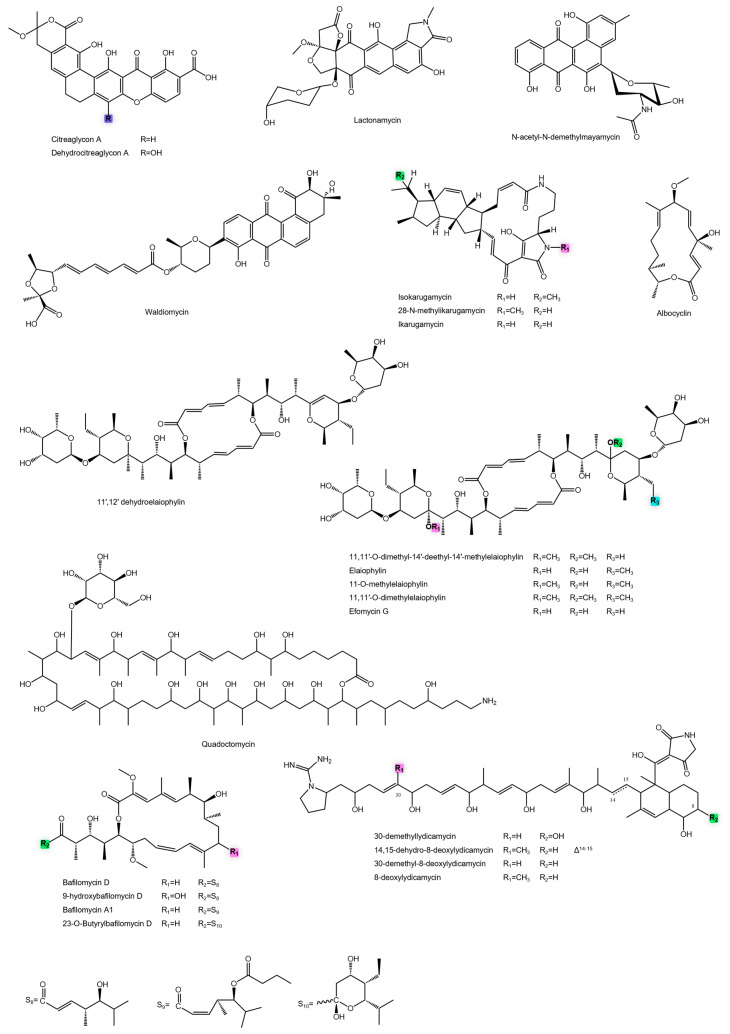 Figure 9
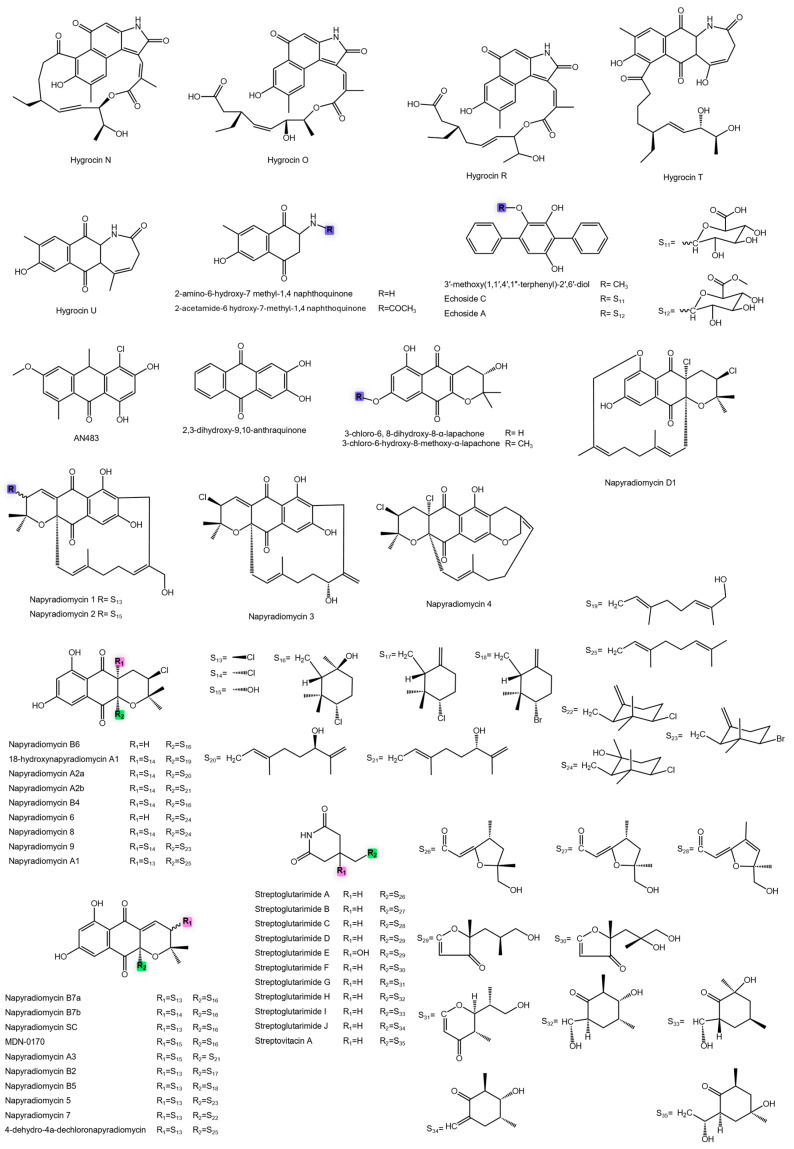 Figure 10
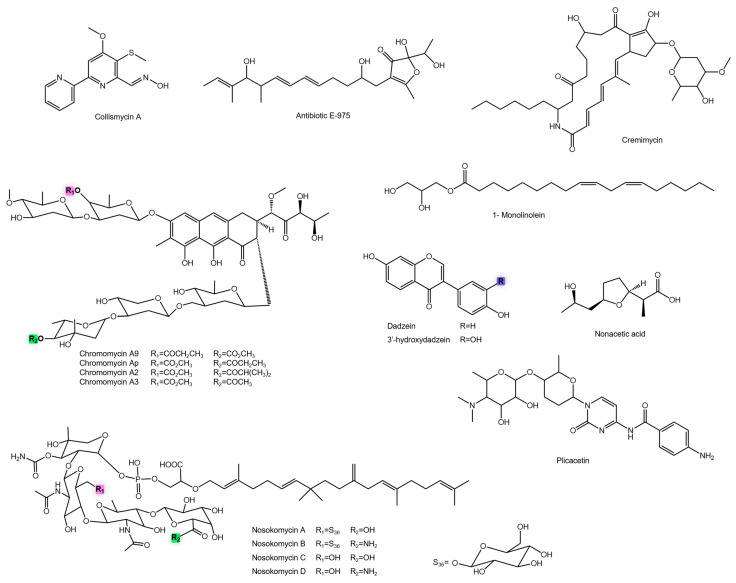 Figure 11
Peer Reviews
No public reviews on file for this paper yet. If you reviewed it on a platform where reviews are public (OpenReview, ICLR, NeurIPS, ICML), you can paste yours below so the community can read it here.
Videos
No videos yet. Explain this paper in a talk, walkthrough, or lecture? Add one.
Taxonomy
TopicsMicrobial Natural Products and Biosynthesis · Marine Sponges and Natural Products · Microbial Metabolism and Applications