Syncope in a Patient With an Extensive Thoracolumbosacral Myxopapillary Ependymoma
Alice S Wang, Nicole A Nguyen, Louis Reier, Jessica Dally, Carolyn S Leach, Ahmad Ibrahim, Dan E Miulli

TL;DR
A young woman with syncope was found to have a rare spinal tumor, showing that unusual symptoms can indicate spinal issues.
Contribution
This case report presents syncope as an atypical presentation of thoracolumbosacral myxopapillary ependymoma.
Findings
A T10-S2 myxopapillary ependymoma was identified in a patient with syncope and neurological symptoms.
Subtotal debulking of the tumor led to resolution of the patient's symptoms postoperatively.
Abstract
Myxopapillary ependymomas are most commonly found involving the conus medullaris, cauda equina, and filum terminale, causing lower extremity symptoms, whereas atypical presentations such as syncope are rare. A 20-year-old woman presented with multiple syncopal episodes, headache, visual changes, and lower extremity paresis. Imaging revealed a T10-S2 myxopapillary ependymoma and mild ventriculomegaly. The patient underwent subtotal debulking, and histopathologic examination confirmed a WHO Grade II myxopapillary ependymoma. Postoperatively, her symptoms resolved. This case highlights the importance of evaluating spinal pathology in patients with atypical presentations of syncope.
Genes, proteins, chemicals, diseases, species, mutations and cell lines named across the full text — each resolved to its canonical identifier and authoritative record.
Click any figure to enlarge with its caption.
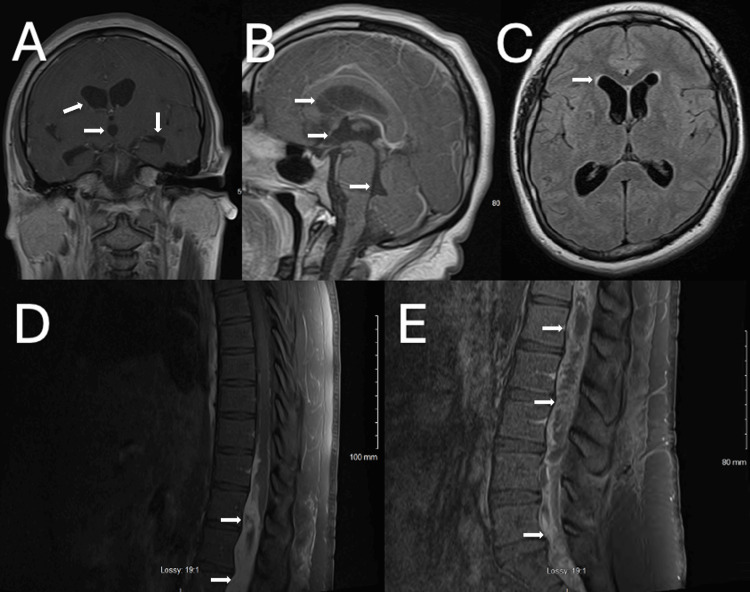 Figure 1
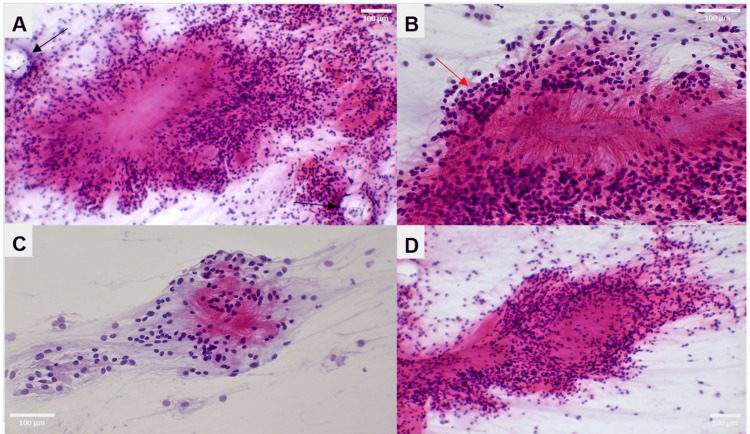 Figure 2
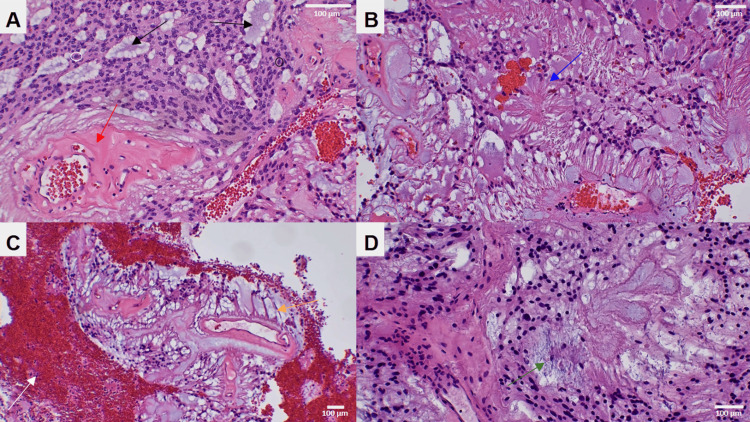 Figure 3
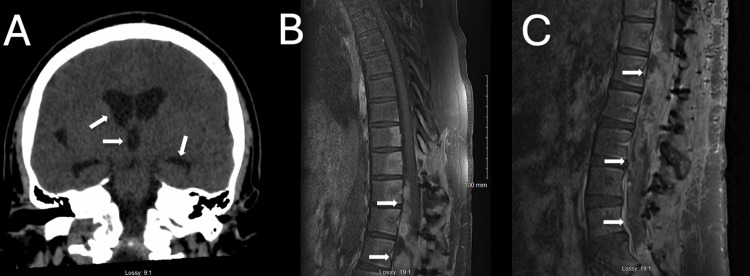 Figure 4
Peer Reviews
No public reviews on file for this paper yet. If you reviewed it on a platform where reviews are public (OpenReview, ICLR, NeurIPS, ICML), you can paste yours below so the community can read it here.
Videos
No videos yet. Explain this paper in a talk, walkthrough, or lecture? Add one.
Taxonomy
TopicsGlioma Diagnosis and Treatment · Vascular Malformations Diagnosis and Treatment · Adrenal and Paraganglionic Tumors