Prevalence, Characteristics, and Genetic Architecture of Avoidant/Restrictive Food Intake Phenotypes
Ludvig Daae Bjørndal, Elizabeth C. Corfield, Laurie J. Hannigan, Ziada Ayorech, Cynthia M. Bulik, Hunna J. Watson, Lisa Dinkler, Samuel J. R. A. Chawner, Stefan Johansson, Ole A. Andreassen, Helga Ask, Alexandra Havdahl

TL;DR
This study finds that a significant number of children have avoidant/restrictive eating behaviors, which are linked to developmental issues and specific genetic factors.
Contribution
The study identifies genetic loci and correlations associated with avoidant/restrictive food intake in children, along with its developmental impact.
Findings
ARFI prevalence in children is substantial, with 6.0% showing persistent symptoms.
Children with ARFI face elevated developmental difficulties across multiple domains.
Genetic correlations were found between ARFI and mental health, cognitive, and gastrointestinal traits.
Abstract
This cohort study investigates the prevalence of avoidant/restrictive food intake (ARFI) in the general pediatric population, developmental characteristics of affected children, and the genetic underpinnings of ARFI symptoms. What is the prevalence of avoidant/restrictive food intake (ARFI) in the general pediatric population, developmental characteristics of affected children, and the genetic underpinnings of ARFI symptoms? In this cohort study of 35 751 children, those with ARFI exhibited more developmental difficulties compared with children with no ARFI. Two independent genome-wide significant loci and an association with ADCY3 were identified, and small to moderate genetic correlations were observed between ARFI and mental health, cognitive, anthropometric, food-associated, and gastrointestinal phenotypes. This study suggests that the prevalence of ARFI was considerable and…
Genes, proteins, chemicals, diseases, species, mutations and cell lines named across the full text — each resolved to its canonical identifier and authoritative record.
Click any figure to enlarge with its caption.
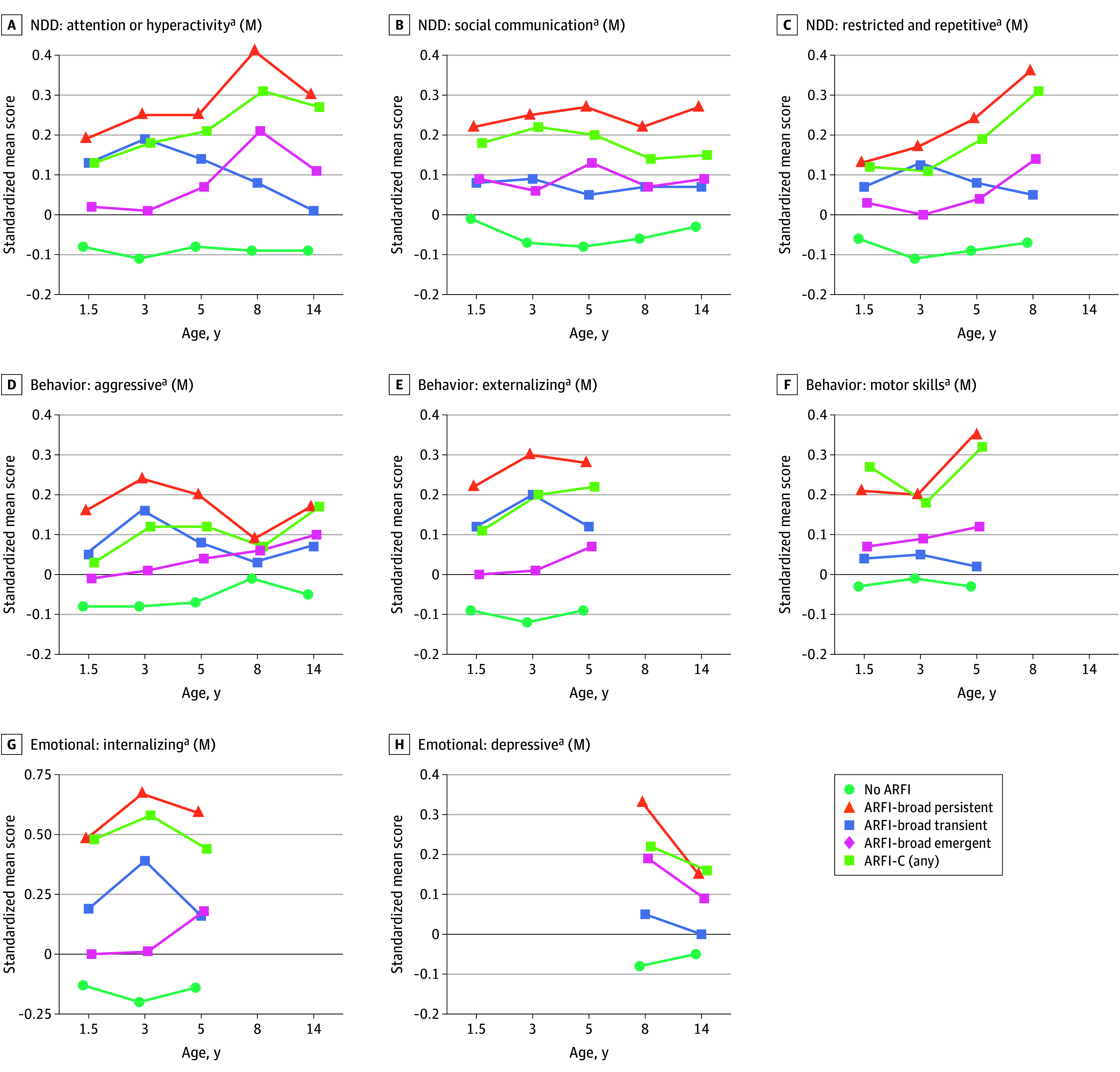 Figure 1
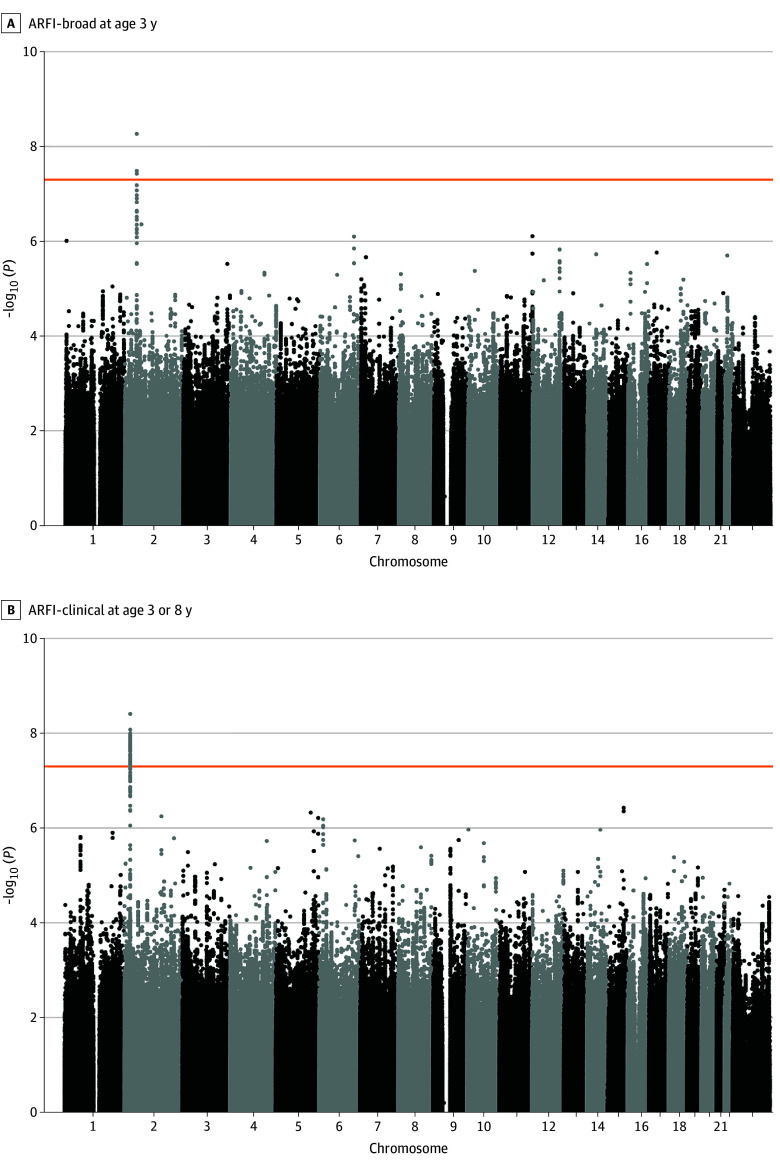 Figure 2
Peer Reviews
No public reviews on file for this paper yet. If you reviewed it on a platform where reviews are public (OpenReview, ICLR, NeurIPS, ICML), you can paste yours below so the community can read it here.
Videos
No videos yet. Explain this paper in a talk, walkthrough, or lecture? Add one.
Taxonomy
TopicsChild Nutrition and Feeding Issues · Nutrition, Genetics, and Disease · Folate and B Vitamins Research