Clinical applications of resting coronary flow detection via transthoracic echocardiography
Zixuan He, Ruohan Zhao, Xin Zhang, Liqiong Shi, Siyi Zhang, Jia Xu, Yinting Xiong, Qing Lv

TL;DR
This paper reviews how resting coronary blood flow measured by echocardiography can help diagnose and predict outcomes in heart disease.
Contribution
The paper highlights the clinical utility of non-invasive resting coronary flow assessment using transthoracic echocardiography.
Findings
Resting coronary flow provides hemodynamic and diagnostic insights in cardiovascular diseases.
Advancements in TTE make coronary flow assessment more practical and non-invasive.
Transthoracic echocardiography can offer prognostic information for patients with heart conditions.
Abstract
Beyond being a component of coronary flow velocity reserve, resting coronary blood flow is recognized as a clinically relevant measure, providing hemodynamic, diagnostic, and prognostic information across some cardiovascular diseases. With advancements in high-frequency transducers and imaging protocols, transthoracic coronary artery imaging has become increasingly non-invasive, practical, and useful. This review aims to summarize the clinical value and applications of transthoracic echocardiography (TTE) to assess coronary blood flow at rest.
Genes, proteins, chemicals, diseases, species, mutations and cell lines named across the full text — each resolved to its canonical identifier and authoritative record.
Click any figure to enlarge with its caption.
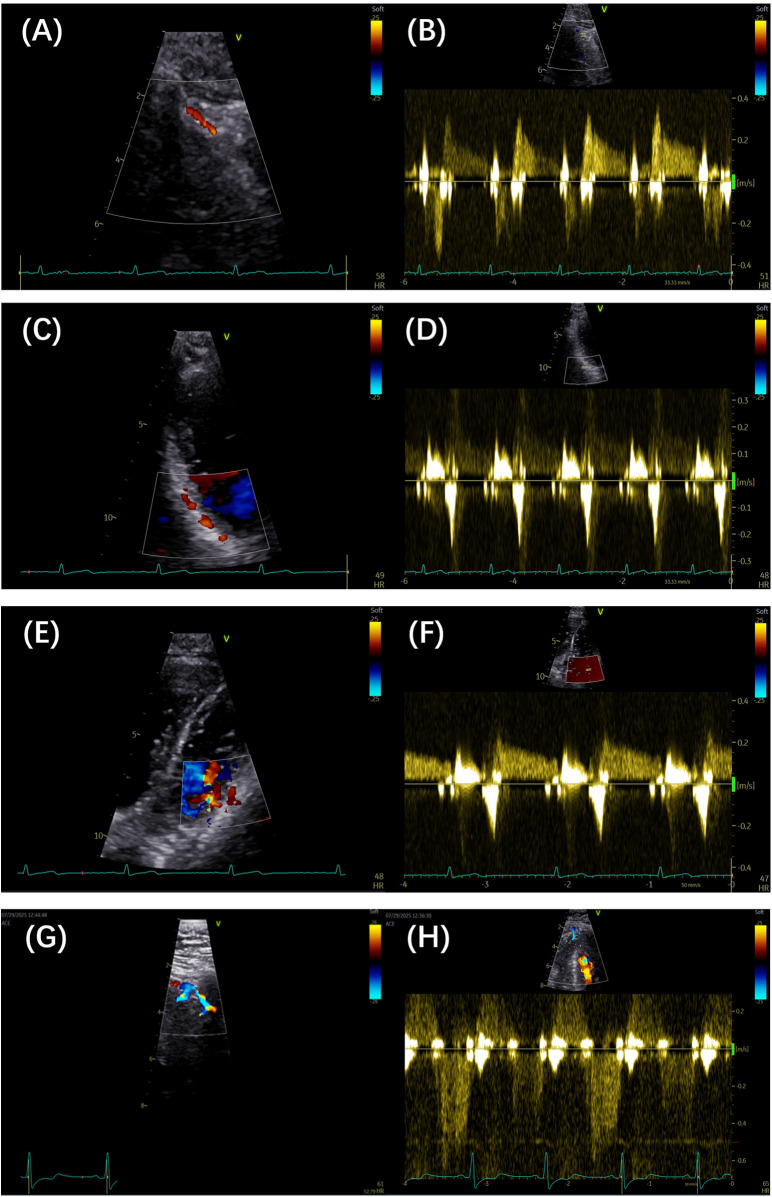 Figure 1
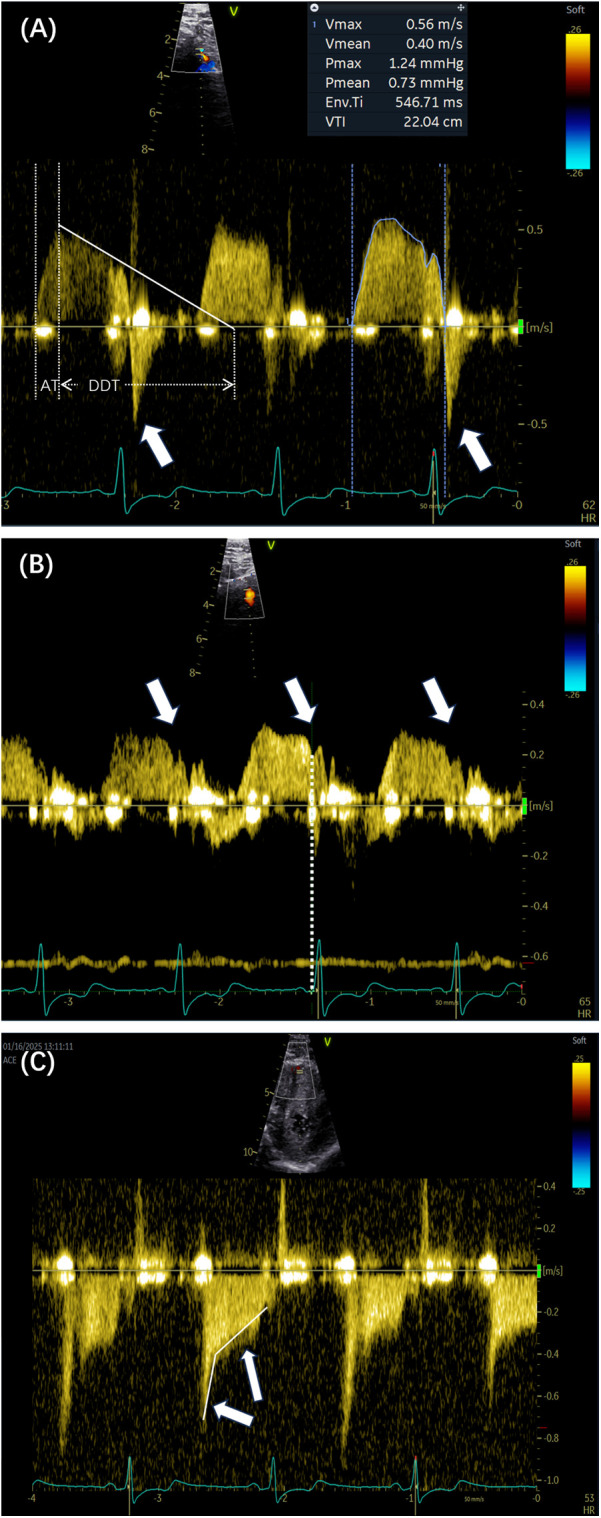 Figure 2
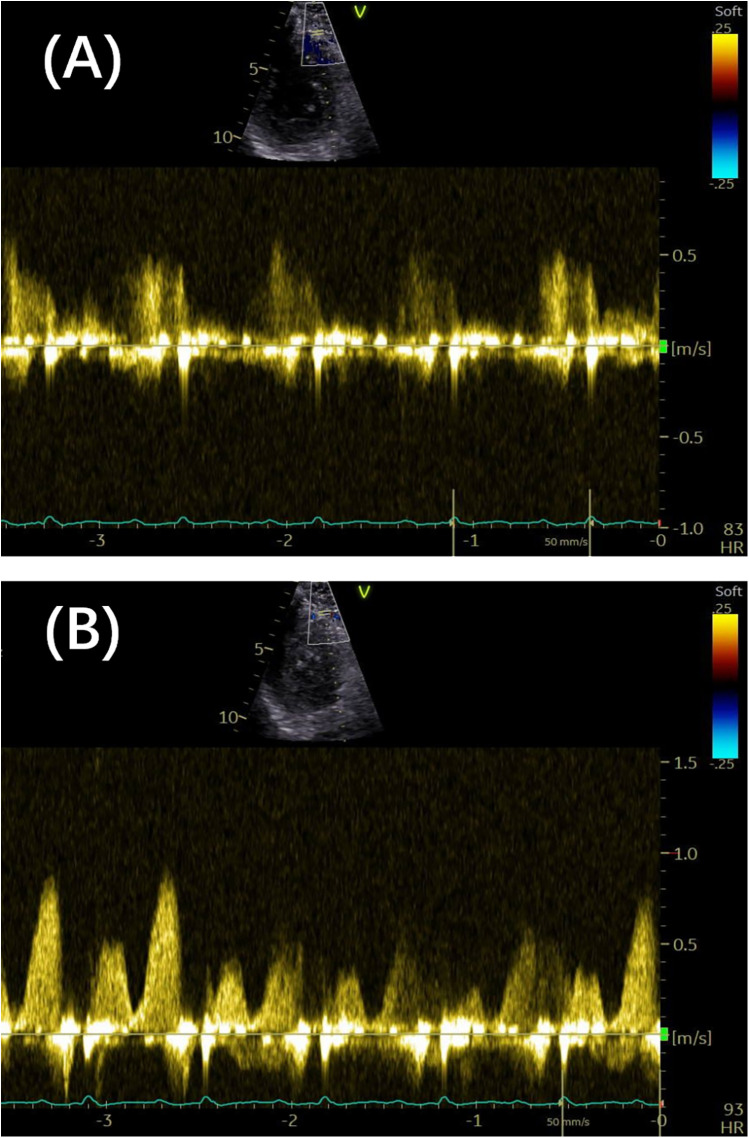 Figure 3
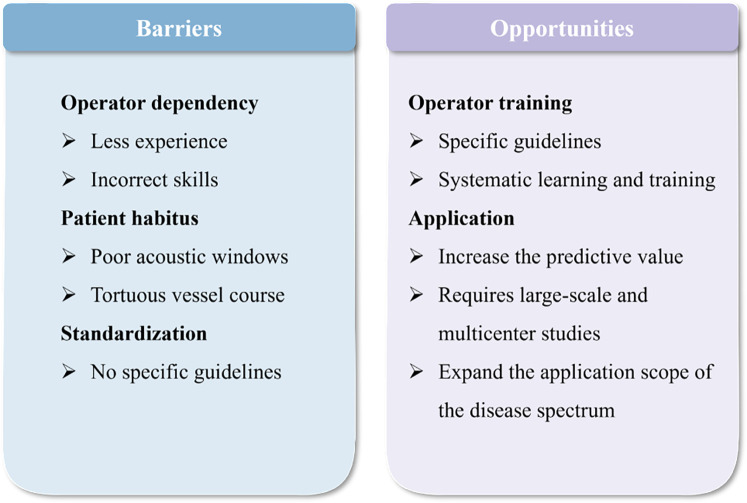 Figure 4
Peer Reviews
No public reviews on file for this paper yet. If you reviewed it on a platform where reviews are public (OpenReview, ICLR, NeurIPS, ICML), you can paste yours below so the community can read it here.
Videos
No videos yet. Explain this paper in a talk, walkthrough, or lecture? Add one.
Taxonomy
TopicsCardiac Imaging and Diagnostics · Cardiovascular Function and Risk Factors · Coronary Interventions and Diagnostics