Amorphous carbonized objects and their contribution to reconstructing ancient Mesoamerican cuisine: An innovative non-destructive methodological approach
Clarissa Cagnato, Nawa Sugiyama, Laura Longo, Alessandro Bonetto, Matteo Parisatto, Elena Longo, Marko Prasek, Giuliana Tromba, Antonio Marcomini, Elena Badetti

TL;DR
This paper introduces a non-destructive method using imaging techniques to study ancient food remains in Mesoamerica, helping reconstruct ancient recipes and culinary traditions.
Contribution
The study presents a novel pipeline combining multiple imaging techniques to analyze amorphous carbonized objects in Prehispanic Central American archaeological contexts.
Findings
The pipeline successfully identified complex food remains from the ancient site of Teotihuacan.
This is the first use of combined imaging techniques to distinguish food remains from plant parts in Mesoamerican archaeology.
The method can be applied more broadly to study ancient culinary traditions in Mesoamerica.
Abstract
Archaeobotanists often come across small, amorphous carbonized objects (ACOs) in their flotation samples. Although their identification remains difficult and requires a range of characterization techniques, the study of ACOs recovered from sites in Europe and the Levant have allowed researchers to reconstruct ancient recipes. However, similar materials from sites in pre-Hispanic Central America have been overlooked, hampering our understanding of their ancient cooking traditions. This article proposes a new pipeline to study such remains through three types of non-destructive imaging techniques: optical microscopy (OM), scanning electron microscopy (SEM), and synchrotron radiation-based phase-contrast X-ray computed microtomography (SR micro-CT), key techniques to consider for the imaging of archaeological materials. The approach was developed by establishing a reference collection from…
Genes, proteins, chemicals, diseases, species, mutations and cell lines named across the full text — each resolved to its canonical identifier and authoritative record.
Click any figure to enlarge with its caption.
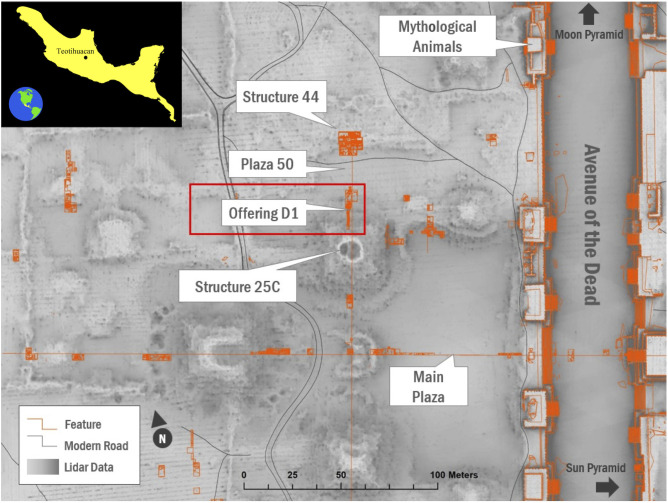 Figure 1
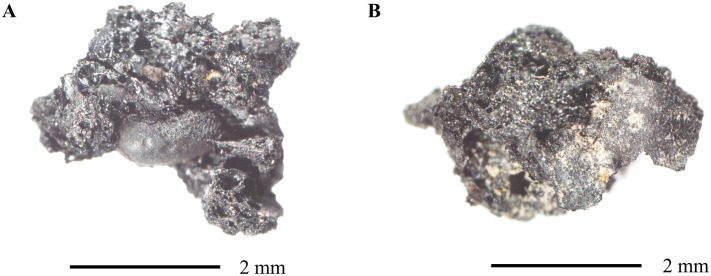 Figure 2
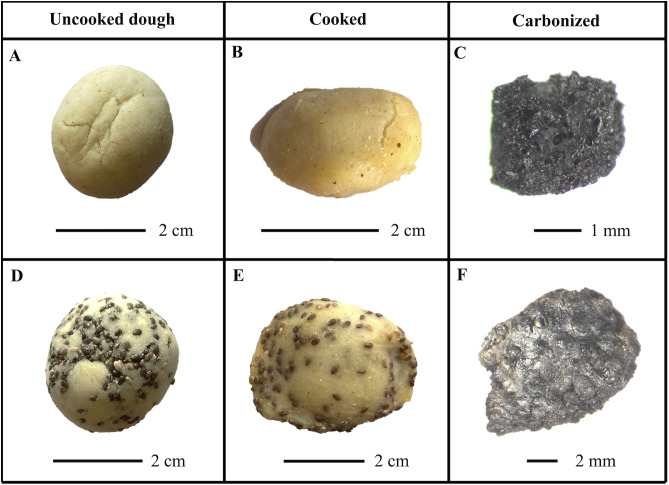 Figure 3
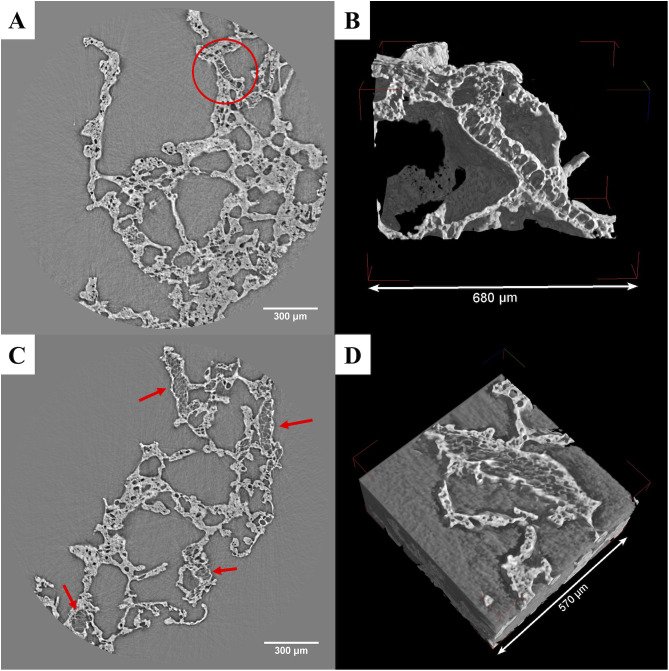 Figure 4
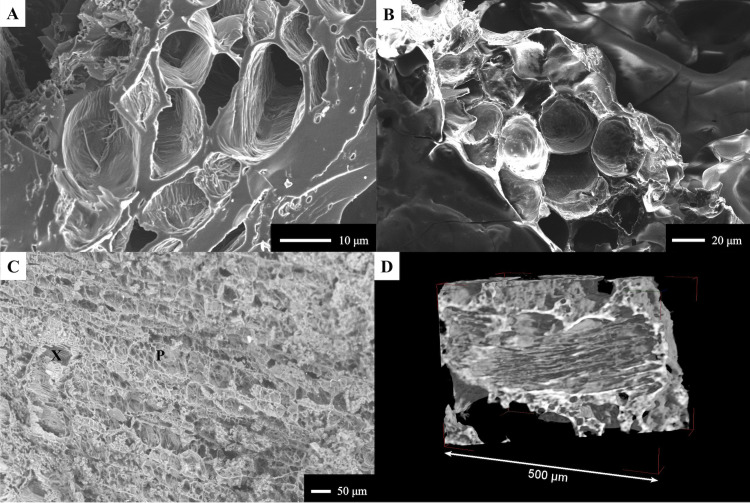 Figure 5
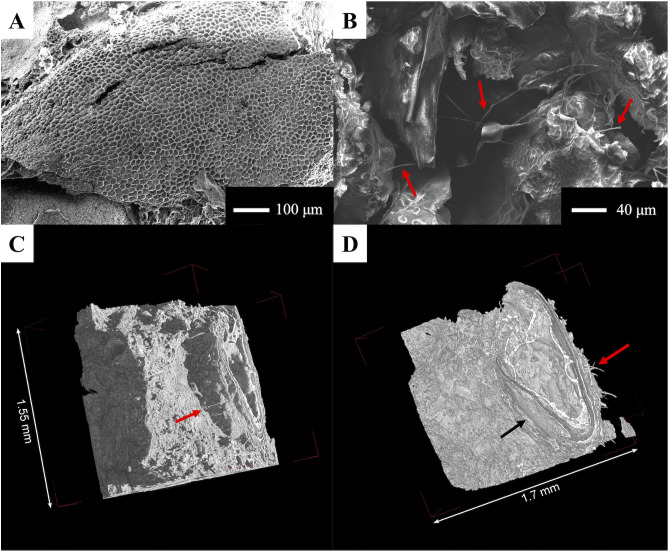 Figure 6
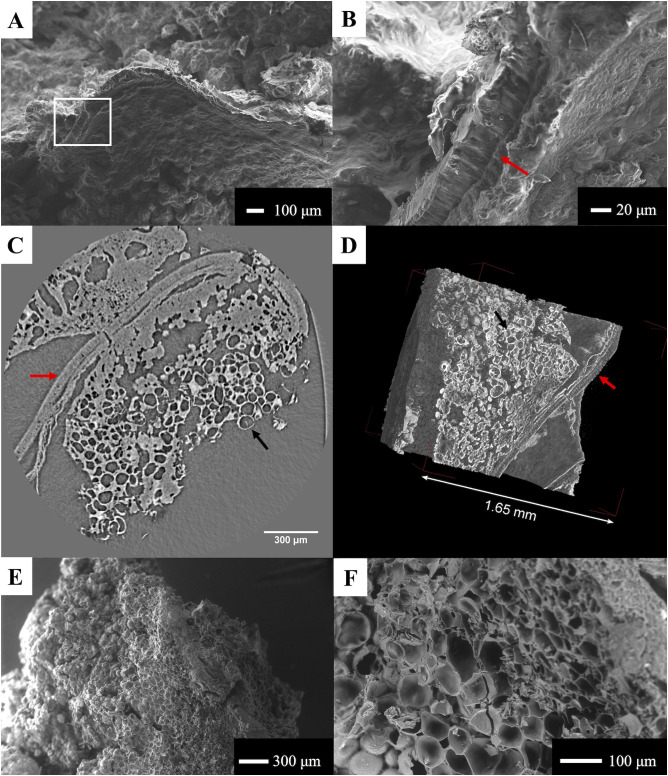 Figure 7
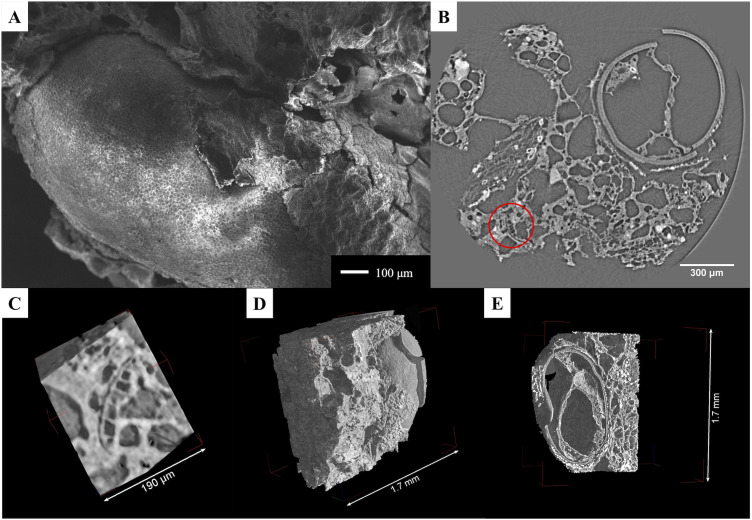 Figure 8
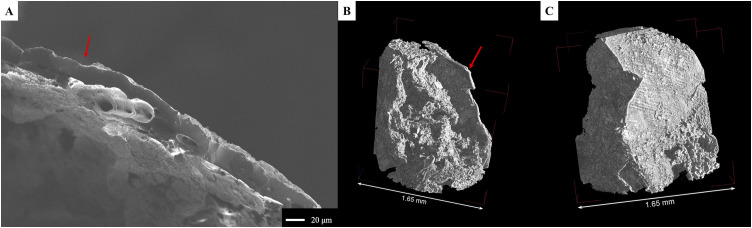 Figure 9
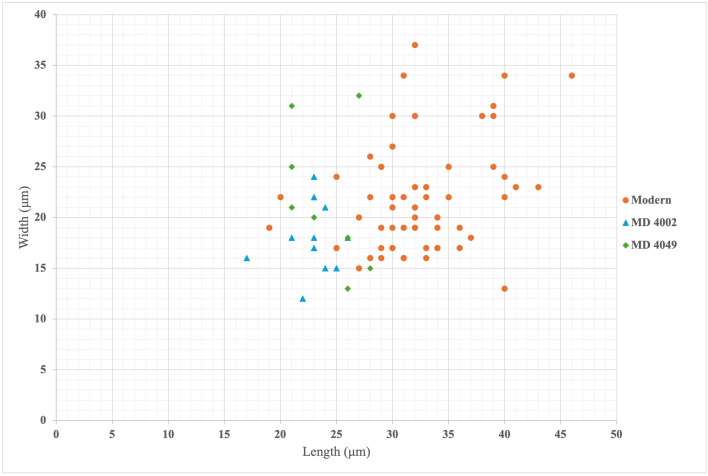 Figure 10
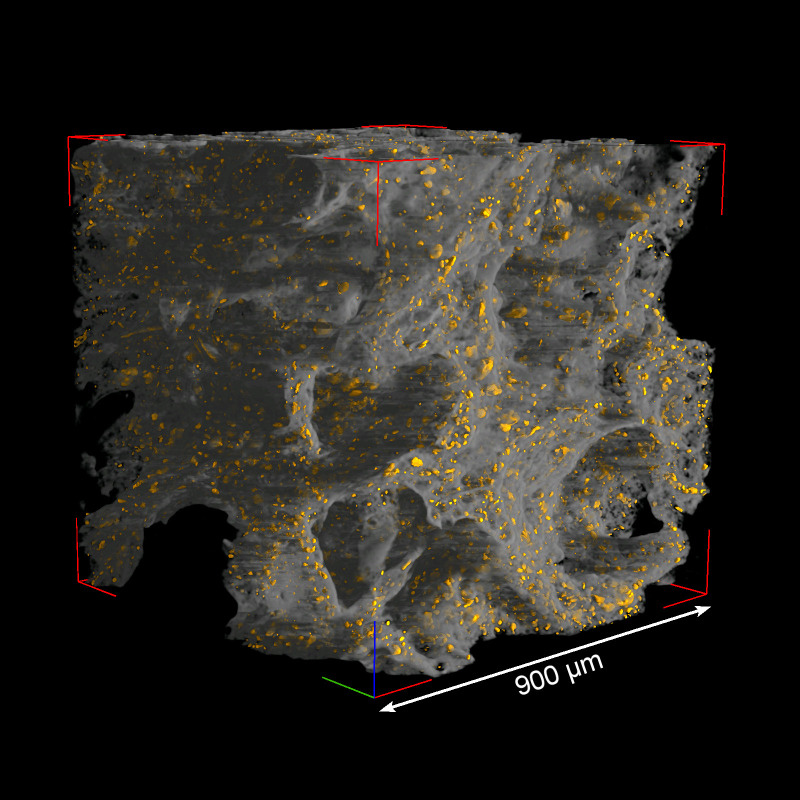 Figure 11
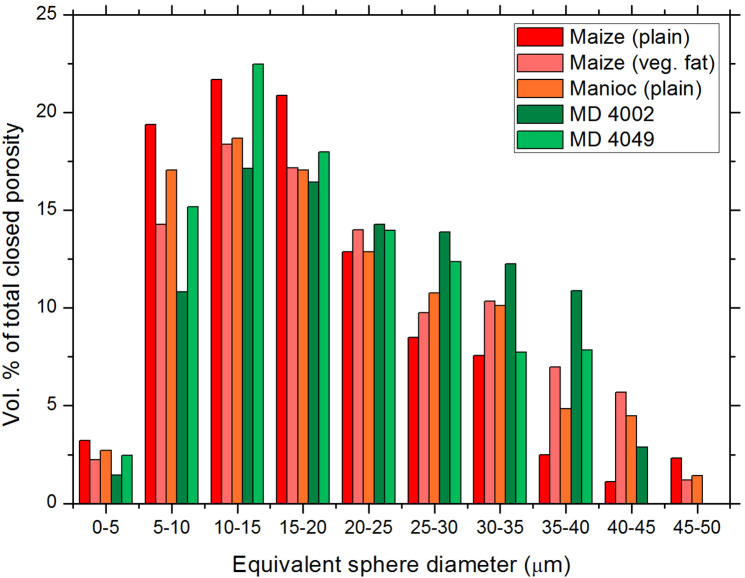 Figure 12
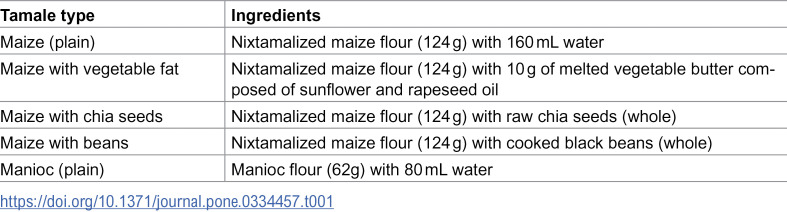 Figure 13
Peer Reviews
No public reviews on file for this paper yet. If you reviewed it on a platform where reviews are public (OpenReview, ICLR, NeurIPS, ICML), you can paste yours below so the community can read it here.
Videos
No videos yet. Explain this paper in a talk, walkthrough, or lecture? Add one.
Taxonomy
TopicsArchaeology and ancient environmental studies · Cultural Heritage Materials Analysis · Amazonian Archaeology and Ethnohistory