Extraction of Triterpene Compounds From Hancornia speciosa Gomes Fruits and Evaluation of Pharmacological Potential
Sérgio Prado Leite, Michel Rubens dos Reis Souza, Adilson Allef Moraes Santana, Monalisa Martins Montalvão, Camilla Natália Oliveira Santos, Lucas Sousa Magalhães, Cristiane Bani Correa, Tatiana Rodrigues de Moura, Sona Jain, Thiago Rodrigues Bjerk

TL;DR
This study explores the extraction of beneficial triterpene compounds from Hancornia speciosa fruits and evaluates their anti-inflammatory potential.
Contribution
The study introduces the EDGE extraction method as a more efficient and sustainable alternative for obtaining triterpene-rich extracts.
Findings
EDGE extraction reduced solvent volume by 60 mL and extraction time by 87 minutes compared to ultrasound methods.
The extract showed no cytotoxicity and significantly reduced reactive oxygen species in neutrophils.
Lupeol concentration in the extract was comparable between EDGE and ultrasound methods.
Abstract
Hancornia speciosa Gomes, a Brazilian native species, holds biotechnological potential due to compounds such as lupeol, α‐amyrin, and β‐amyrin, which possess pharmacological properties. This study investigates triterpene‐rich extracts from H. speciosa fruit for potential anti‐inflammatory applications. Extraction was performed using the energized‐guided dispersive extraction (EDGE) method and compared to ultrasound extraction techniques to evaluate efficiency and yield. The EDGE system demonstrated notable advantages over ultrasound extraction, including a 60 mL reduction in solvent volume and an 87‐min decrease in extraction time, enhancing efficiency, cost‐effectiveness, and sustainability. The EDGE extraction successfully obtained a triterpene‐rich extract from H. speciosa Gomes with a concentration of lupeol (50.09 ± 1.29 mg/g) with no significant difference when compared to the…
Genes, proteins, chemicals, diseases, species, mutations and cell lines named across the full text — each resolved to its canonical identifier and authoritative record.
Click any figure to enlarge with its caption.
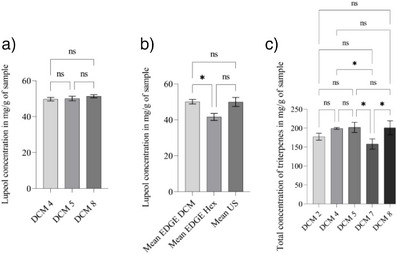 Figure 1
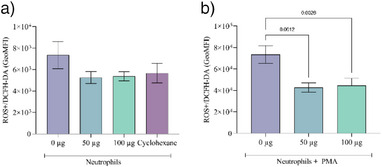 Figure 2
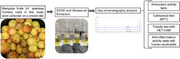 Figure 3
 Figure 4
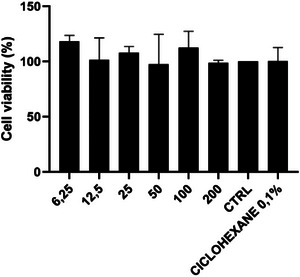 Figure 5
Peer Reviews
No public reviews on file for this paper yet. If you reviewed it on a platform where reviews are public (OpenReview, ICLR, NeurIPS, ICML), you can paste yours below so the community can read it here.
Videos
No videos yet. Explain this paper in a talk, walkthrough, or lecture? Add one.
Taxonomy
TopicsNatural product bioactivities and synthesis · Essential Oils and Antimicrobial Activity · Phytochemical compounds biological activities