First isolation of Prototheca bovis from a bottlenose dolphin (Tursiopstruncatus)
Chika Shirakata, Kanon Tsurumi, Koichi Makimura, Rui Kano

TL;DR
Prototheca bovis was first isolated from a bottlenose dolphin with digestive issues, marking a new occurrence in dolphin health.
Contribution
This study reports the first isolation of Prototheca bovis from a dolphin, expanding knowledge on this organism's host range.
Findings
Prototheca bovis was isolated from a bottlenose dolphin with digestive tract abnormalities.
The dolphin showed candida-like yeasts and mucosal thickening with ulcers in the forestomach.
This is the first documented case of Prototheca sp. in a marine mammal.
Abstract
To our knowledge, this is the first report of Prototheca sp. isolated from the digestive tract of a dolphin. A captive-born female bottlenose dolphin (Tursiops truncatus) weighing 165 kg that was housed at Enoshima Aquarium presented with a slightly elevated body temperature and candida-like yeasts in stomach fluid and feces. Gastroscopy revealed cobblestone-like thickening of the mucosa with a few ulcers in the forestomach. Prototheca bovis was isolated from the biopsy specimen of the lesion.
Genes, proteins, chemicals, diseases, species, mutations and cell lines named across the full text — each resolved to its canonical identifier and authoritative record.
Click any figure to enlarge with its caption.
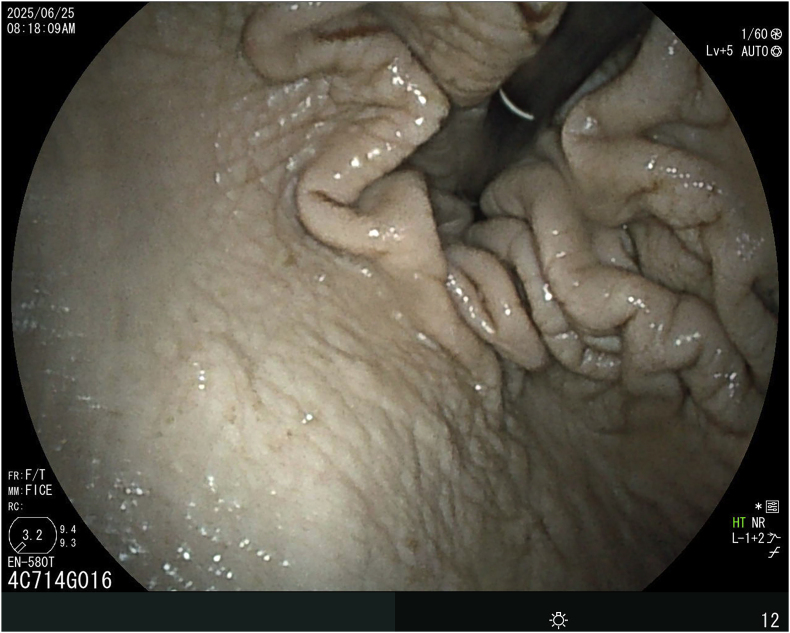 Figure 1
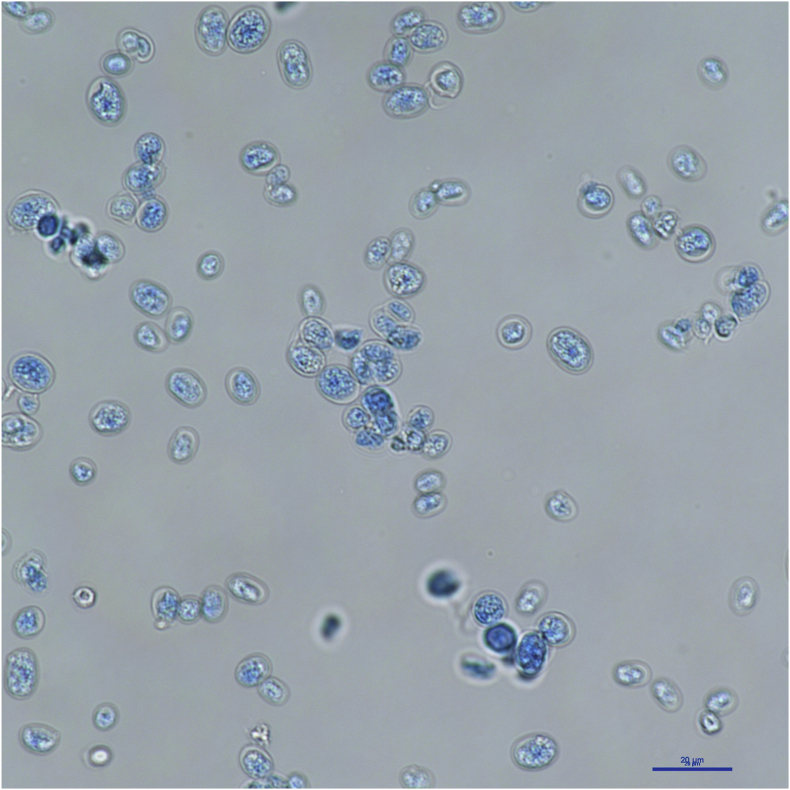 Figure 2
Peer Reviews
No public reviews on file for this paper yet. If you reviewed it on a platform where reviews are public (OpenReview, ICLR, NeurIPS, ICML), you can paste yours below so the community can read it here.
Videos
No videos yet. Explain this paper in a talk, walkthrough, or lecture? Add one.
Taxonomy
TopicsMarine animal studies overview · Milk Quality and Mastitis in Dairy Cows · Identification and Quantification in Food
Introduction
1
The genus Prototheca comprises achlorophyllic algae that are ubiquitous in the environment and in the intestines of animals. However, Prototheca spp. have lost their ability to photosynthesize and have adopted a sometimes parasitic lifestyle. Certain species are capable of causing protothecosis in humans and animals, with P. wickerhamii and P. bovis most commonly associated with disease [[1], [2], [3]]. However, little is known about the pathogenicity of Prototheca in marine animals. To our knowledge, this is the first report of Prototheca sp. isolated from the digestive tract of a dolphin.
Case presentation
2
A captive-born 13 years old female bottlenose dolphin (Tursiops truncatus) weighing 165 kg that was housed at Enoshima Aquarium presented with a slightly elevated body temperature (37.3 °C) and Candida-like yeasts in stomach fluid and feces on day 1 (Table 1). Oral itraconazole (ITCZ) treatment was initiated at a dosage of 2.5 mg/kg twice daily (BID). As the low-grade fever persisted after 21 days of itraconazole treatment, an endoscopic examination was performed. Gastroscopy revealed cobblestone-like thickening of the mucosa with a few ulcers in the forestomach, but no lesions were observed in the main stomach on day 21 (Fig. 1). After the isolate was identified as a P. bovis, the oral ITCZ treatment was stopped because Candida and Prototheca were considered saprophytes. Treatment with antibiotics was started. Since the low-grade fever persisted for 4 weeks (on day 99), a second endoscopic examination and culture were conducted. Mucositis of forestomach was observed, but P. bovis was not isolated again. P. bovis and C. albicans were isolated from the lesion and fos-ravuconazole (F-RVCZ) was started (2mg/kg once daily, orally) to treat Protothea infection. After 26 days of treatment with F-RVCZ, the body temperature was within the normal range and the condition was improved.Table 1. History of the case.Table 1. DayTopicIsolation from forestomachTreatment1Fever (37.3 °C) and loss of appetiteITCZ (2.5 mg/kg twice daily, orally)21Normal body temperature (36.6 °C)A few ulcers in the forestomachC. albicans and P. bovisCandida and Prototheca were considered saprophytes.ITCZ was stopped. Oral antibiotic treatments were started.25Fever (37.5 °C) and feeling downContinue with antibiotics.99Fever (37.9 °C) and feeling down Ulcers in the forestomachF-RVCZ (2mg/kg once daily, orally) was started.106C. albicans and P. bovisContinue with F-RVCZ.113C. albicansContinue with F-RVCZ.120Normal body temperature (37.0 °C)Condition improvementC. albicansContinue with F-RVCZ.124F-RVCZ treatment was stopped.ITCZ: itraconazole, F-RVCZ: fos-ravuconazole.Fig. 1. Forestomach gastroscopy image of a 13-year-old bottlenose dolphin from which Prototheca bovis was cultured from gastric fluid. Cobblestone-like mucosal thickening and ulcers are visible.Fig. 1
A biopsy specimen from the surface of the forestomach was inoculated onto CHROMagar™ Candida (Kanto Chemical Co., Inc., Tokyo, Japan) and incubated at 32 °C. After 4 days of incubation, numerous wet, white-to-purple colonies developed on the medium surface. Microscopic examination of the isolates revealed numerous spheroidal sporangia measuring 7–15 μm in diameter, as well as elongated and slightly lunate forms, with sporangiospores measuring 3–7 μm in diameter (Fig. 2). Based on these morphological characteristics, the isolates were presumptively identified as Prototheca spp [4]. Molecular identification of the strain was determined by 18S rDNA sequence analysis. A PCR product of approximately 520 bp was obtained and sequenced [5]. Comparative nucleotide sequence analysis revealed 100 % identity with Prototheca bovis (strain SAG 2021 18S ribosomal RNA gene, complete sequence; GenBank accession no. MF163508). The isolate was therefore identified as a P. bovis. Minimum inhibitory concentrations (MICs) for antialgae agents were determined based on the Clinical and Laboratory Standards Institute (CLSI) M27-A3 guidelines [6,7]. The MIC values for the isolate were <0.03 μg/ml for amphotericin B, 1 μg/ml for ITCZ, 1 μg/ml for voriconazole, <0.03 μg/ml for ravuconazole, 0.25 μg/ml for posaconazole, and 0.5 μg/ml for micafungin (Table 2).Fig. 2. Microscopic examination of the isolate showing numerous spheroid sporangia measuring 7–15 μm in diameter, as well as elongated and slightly lunate forms, with sporangiospores measuring 3–7 μm in diameter.Fig. 2. Table 2Susceptibility of P. bovis and C. albicans to antifungal drugs and phytochemicals.Table 2. Species (Daysa)MICs (mg/l)AMBFLCZITCZRVCZPSCZVRZMYC*P. bovis (21)0.06>6410.060.2514P. bovis (106)0.125160.12528C. albicans (120)*0.068<0.03<0.03<0.03<0.03<0.03MICs: minimum inhibitory concentrations.AMB: amphotericin B, FLCZ: fluconazole, ITCZ: itraconazole, RVCZ: ravuconazole, VRZ: voriconazole, MYC: micafungin.aIsolation days.
Discussion
3
The sequence of the 18S ribosomal rDNA of the isolates was 100 % identical to that of the type strain of P. bovis and isolates derived from bovine mastitis, suggesting that they were the same as P. bovis isolated from the cows. Bovine protothecal mastitis, defined as an inflammation of the mammary gland, is the most prevalent and devastating disease in dairy cattle worldwide [1]. P. bovis is most associated with bovine mastitis, a disease that causes a reduction in milk production and secretion of thin watery milk containing white flakes. P. bovis (former species was P. zopfii) sometimes causes cutaneous or disseminate protothecosis in humans and small animals [[1], [2], [8]]. Among Japanese cases, cutaneous cases were most frequently reported and showed the best prognosis, while disseminated cases were rare and had the worst prognosis [2].
This is the first report of P. bovis isolated from dolphins, but it was not clear whether this Prototheca had infected the dolphins. The oral ITCZ was administered based on a provisional diagnosis of candidiasis in the dolphin. However, the MIC (1 μg/ml) of ITCZ for the P. bovis suggests the treatment was likely ineffective (Table 2). However, following treatment with RVCZ, P. bovis was no longer isolated, and the dolphin's condition improved, suggesting protothecosis for the dolphin. RVCZ is an available human azole drug against human onycomycosis in Japan since 2018 and exhibits excellent in vitro anti-algae activity against Prototheca species [7]. RVCZ was more potent than the other azoles against Prototheca species and has considerable potential for use as a therapeutic agent for human and animal protothecosis [7].
Notably, P. bovis was isolated from any of the other dolphins from the culture examination of gastroscopy samples. Therefore, these findings suggest that P. bovis was present in the seawater but was not highly pathogenic for dolphins. We speculated that the opportunistic infection resulted from candidiasis treatment and compromised immunity.
Protothecosis is considered one of the zoonosis which means animal to human transmission or environment to human and animals [9]. Human health risk from consumption of processed milk is low, as pasteurization is usually effective against Prototheca [9]. Wang et al., investigated case reports on disseminated protothecosis in humans concluded that the skin was not only the primary site of entry but also the organ most frequently affected by the pathogen [10]. Therefore, there is a possibility of Prototheca infection of this dolphin case through skin wounds or oral uptake of the seawater. Because persistence and proliferation of Prototheca spp. in aquatic environments is well documented for sea water [9]. However, since the ecology of Prototheca spp. in marine environments and epidemiology in marine mammals remain poorly understood, further investigation into protothecosis in marine mammals may be warranted within a One Health approach.
CRediT authorship contribution statement
Chika Shirakata: Formal analysis. Kanon Tsurumi: Investigation. Koichi Makimura: Writing – review & editing, Investigation. Rui Kano: Writing – original draft, Investigation, Data curation.
Ethical statement of “first isolation of Prototheca bovis from a bottlenose dolphin (Tursiops truncatus)”
This study was conducted according to the principles of the Declaration of Helsinki.
Conflict interest
No other author has reported a potential conflict of interest relevant to this case report.
The reference list from the paper itself. Each links out to its DOI / PubMed record.
- 1Todd J.R.Matsumoto T.Ueno R.Murugaiyan J.Britten A.King J.W.Medical phycology 2017 Med. Mycol.56suppl. 12018 S 188S 2042976778010.1093/mmy/myx 162 · doi ↗ · pubmed ↗
- 2Kano R.Emergence of fungal-like organisms: prototheca Mycopathologia 1852020747-410.1007/s 11046-019-00365-431401758 · doi ↗ · pubmed ↗
- 3Jagielski T.Bakula Z.Gawor J.Maciszewski K.Wolf-Henning Kusber W.The genus Prototheca (Trebouxiophyceae, Chlorophyta) revisited: implications from molecular taxonomic studies Algal Res.432019101639
- 4Kano R.Satoh K.Yaguchi T.Masuda M.Makimura K.de Hoog G.S.Phenotypic characteristics of Prototheca species occurring in humans and animals Med. Mycol. J 63202217203522848110.3314/mmj.21-00018 · doi ↗ · pubmed ↗
- 5Sobukawa H.Yamaguchi S.Kano R.Ito T.Suzuki K.Onozaki M.Short communication: molecular typing of Prototheca zopfii from bovine mastitis in Japan J. Dairy Sci.952012444244462281845710.3168/jds.2011-5101 · doi ↗ · pubmed ↗
- 6Clinical Laboratory Standards Institute. CLSI document M 27-A 3Reference Method for Broth Dilution Antifungal Susceptibility Testing of Yeasts; Approved Standardthird ed.2008 Philadelphia: Wayne
- 7Miura A.Kano R.Ito T.Suzuki K.Kamata H.In vitro algaecid effect of itraconazole and ravuconazole on Prototheca species Med. Mycol.5820208458473177316410.1093/mmy/myz 119 · doi ↗ · pubmed ↗
- 8Jagielski T.Proskurnicka A.Iskra M.Wronka S.Bakuła Z.Danesi P.Protothecosis in dogs: a narrative review J. Vet. Intern. Med.392025 e 7002510.1111/jvim.70025 PMC 1189887140072265 · doi ↗ · pubmed ↗