Impact of the indigenous rotavirus vaccine Rotavac in the Universal Immunization Program in India during 2016–2020
Nayana P. Nair, Samarasimha N. Reddy, Sidhartha Giri, Tintu Varghese, Varunkumar Thiyagarajan, Jayaprakash Muliyil, Priya Hemavathy, Shainey Alokit Khakha, Rashmi Arora, Mohan D. Gupte, Jaqueline E. Tate, Umesh D. Parashar, Venkata Raghava Mohan, Gagandeep Kang

TL;DR
India's Rotavac vaccine reduced severe rotavirus disease in children by 54% and cut hospitalizations, performing as well as international vaccines.
Contribution
First real-world evaluation of Rotavac's effectiveness in India's national immunization program.
Findings
Rotavac showed 54% adjusted vaccine effectiveness against severe rotavirus gastroenteritis.
Hospitalization rates for rotavirus dropped from 40% to 20% after vaccine introduction.
Protection was observed against non-vaccine strains like G3P[8] and G1P[6].
Abstract
In 2016, India introduced Rotavac (G9P[11]), an indigenous oral rotavirus vaccine administered at 6, 10 and 14 weeks of age through the Universal Immunization Program. Evaluating its effectiveness under routine programmatic conditions is critical, given the variable performance of rotavirus vaccines in low- and middle-income countries. Here we assessed Rotavac’s real-world effectiveness and impact across 31 hospitals in 9 states between 2016 and 2020 using a test-negative case–control design. Overall, 24,624 children were enrolled in surveillance (62% male and 38% female). Of 8,372 children aged 6–59 months eligible for effectiveness analysis (1,790 rotavirus-positive cases and 5,437 rotavirus-negative controls), 6,646 received 3 doses and 581 were unvaccinated. The adjusted vaccine effectiveness of 3 doses against severe rotavirus gastroenteritis was 54% (95% confidence interval (CI)…
Genes, proteins, chemicals, diseases, species, mutations and cell lines named across the full text — each resolved to its canonical identifier and authoritative record.
Click any figure to enlarge with its caption.
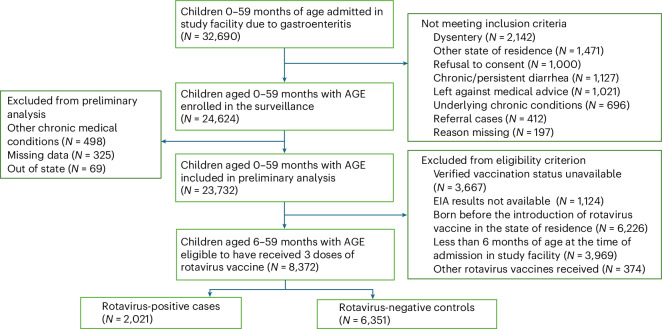 Figure 1
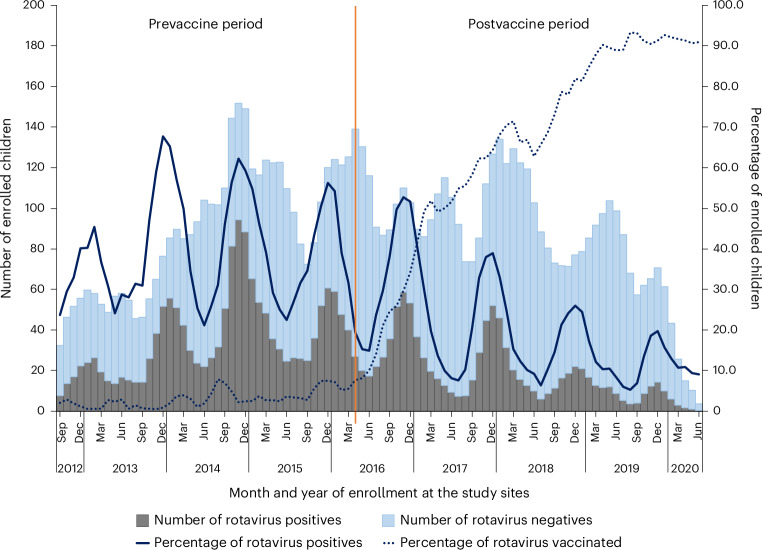 Figure 2
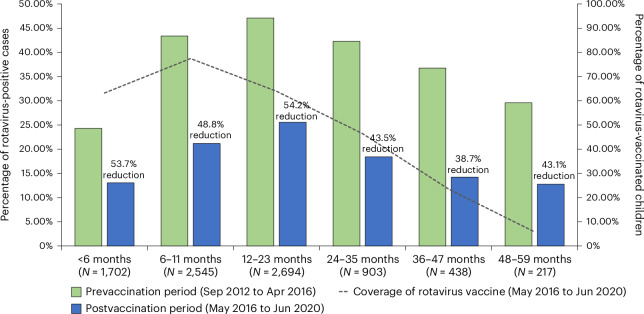 Figure 3
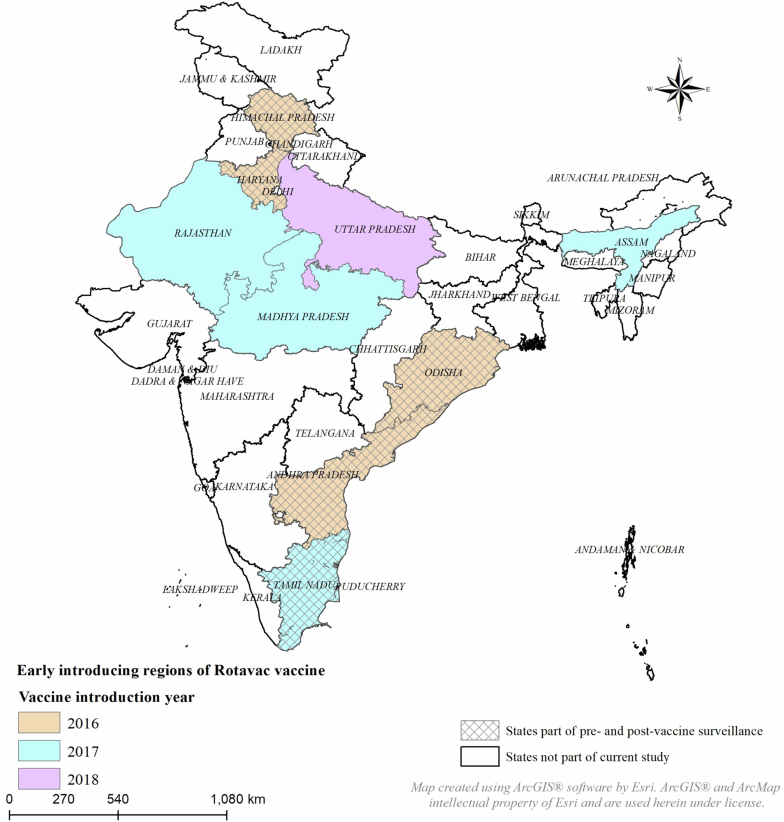 Figure 4
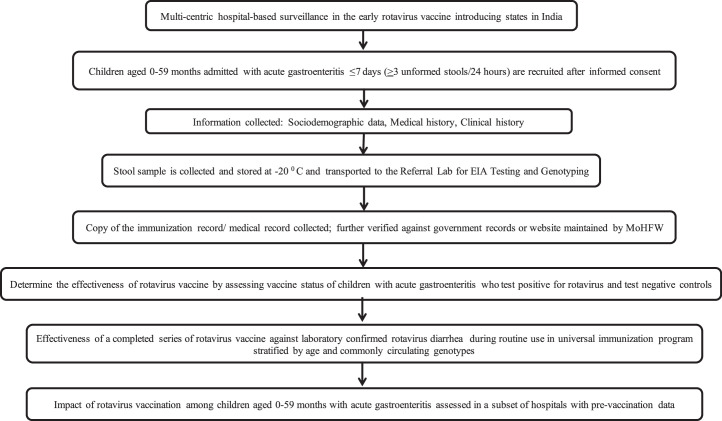 Figure 5
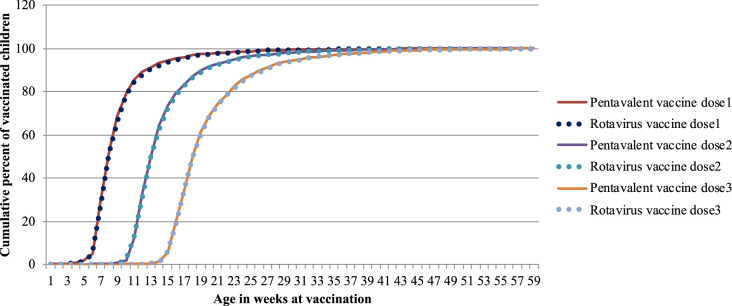 Figure 6
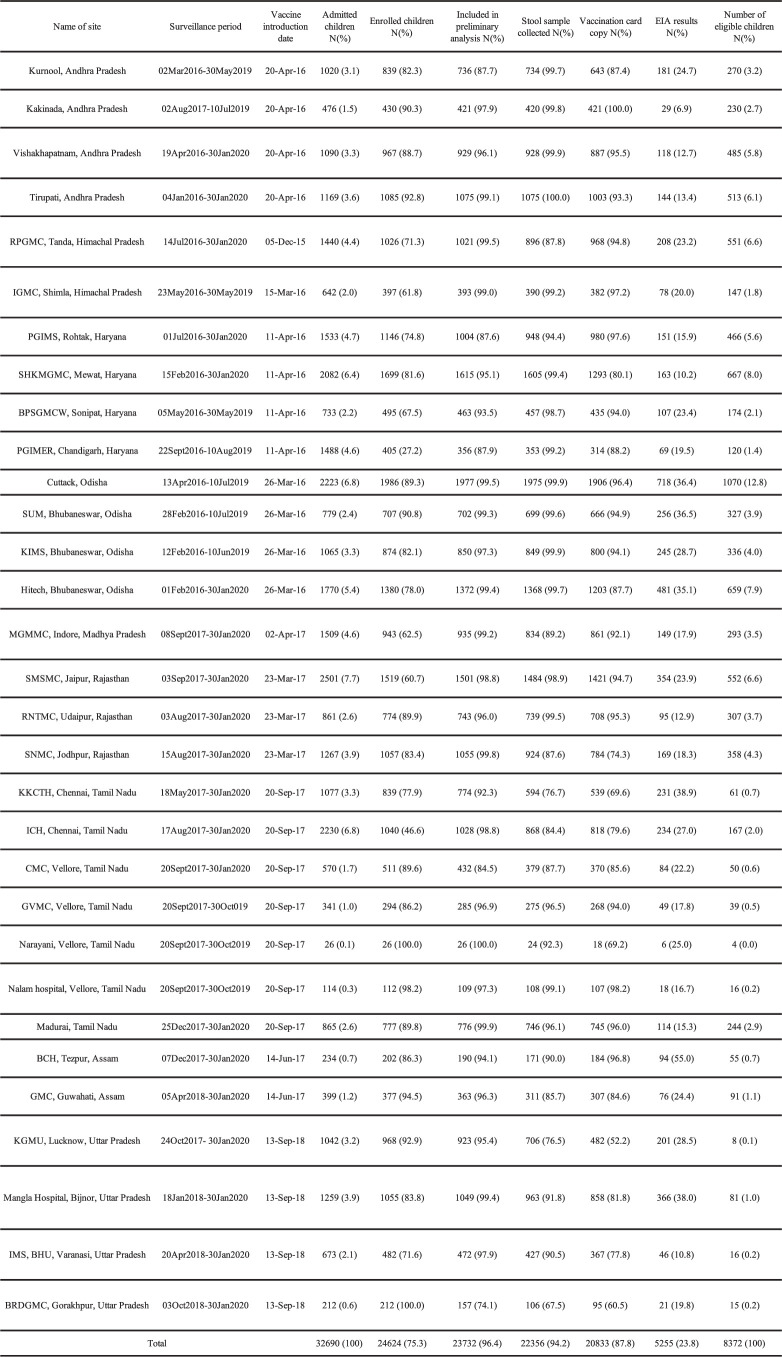 Figure 7
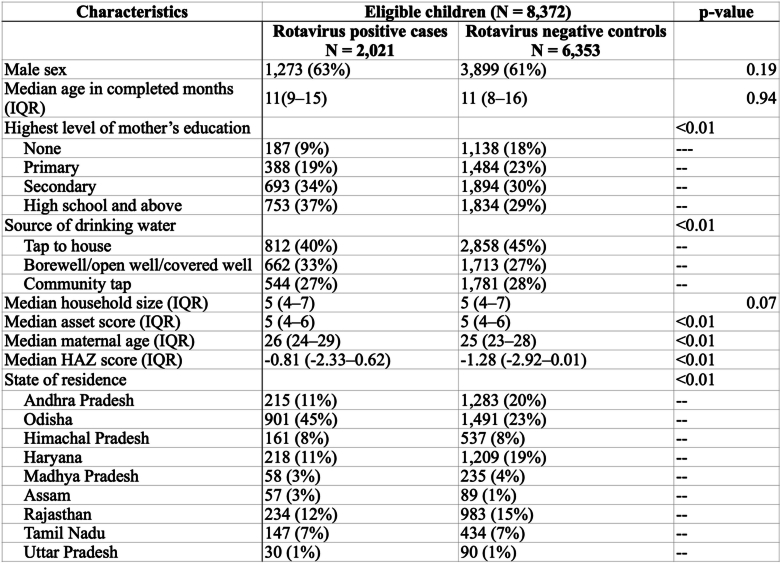 Figure 8
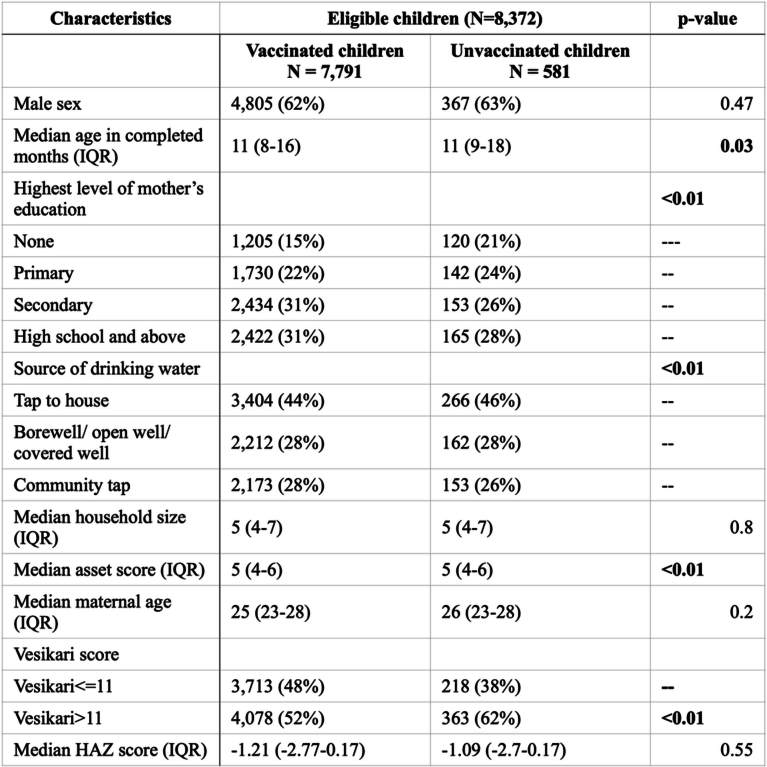 Figure 9
 Figure 10
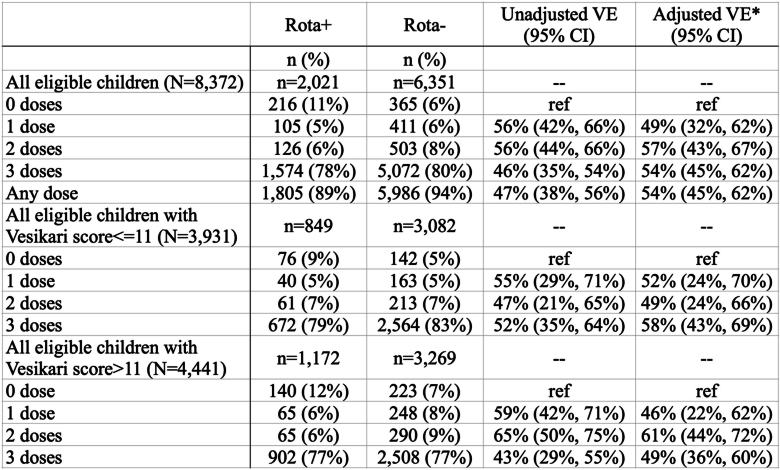 Figure 11
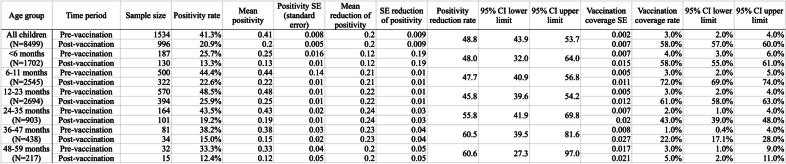 Figure 12
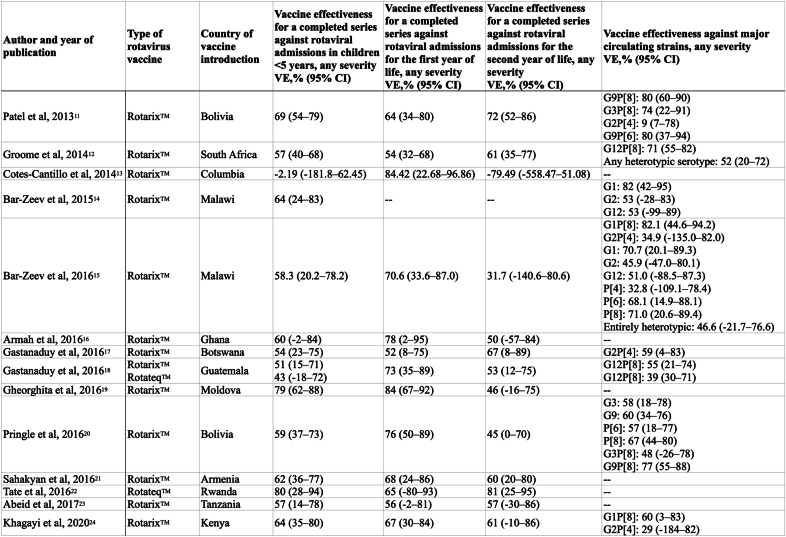 Figure 13
Peer Reviews
No public reviews on file for this paper yet. If you reviewed it on a platform where reviews are public (OpenReview, ICLR, NeurIPS, ICML), you can paste yours below so the community can read it here.
Videos
No videos yet. Explain this paper in a talk, walkthrough, or lecture? Add one.
Taxonomy
TopicsViral gastroenteritis research and epidemiology · Viral Infections and Immunology Research · SARS-CoV-2 and COVID-19 Research