A Triple‐Layered Composite Scaffold of Silk Fibroin and Decellularized Amniotic Membrane for Bladder Tissue Engineering
Melina Mamdoohi, Mehdi Shafieian, Zahra Hassannejad

TL;DR
This study creates a three-layered scaffold for bladder tissue engineering that mimics natural bladder tissue and shows strong biocompatibility and resistance to stone formation.
Contribution
A novel triple-layered composite scaffold combining silk fibroin and decellularized amniotic membrane for bladder tissue engineering is developed.
Findings
The scaffold's mechanical properties closely resemble those of human bladder tissue.
Scaffolds with decellularized human amniotic membrane show no erosion or crystalline particle formation after exposure to human urine.
The scaffold achieves high biocompatibility with adipose-derived stem cells.
Abstract
Augmentation cystoplasty has different side effects in urinary bladder reconstruction. Accordingly, it is necessary to develop substitutes using natural and synthetic biomaterials to address current problems. This study evaluates the potential of a triple‐layered composite scaffold for bladder regeneration. The triple‐layered scaffold consists of a silk fibroin (SF) film blended with polyethylene oxide (PEO), a decellularized human amniotic membrane (DHAM), and a lyophilized SF sponge, which is seeded with adipose tissue‐derived stem cells (ADSCs) encapsulated in collagen hydrogel. The mechanical properties of the triple‐layered scaffolds closely resemble those of human bladder tissue. The cell survival, proliferation, and viability of the different layers of the scaffold are assessed. The results show that DHAM and silk sponge at a concentration of 4% wt v−1 achieve a high level of…
Genes, proteins, chemicals, diseases, species, mutations and cell lines named across the full text — each resolved to its canonical identifier and authoritative record.
Click any figure to enlarge with its caption.
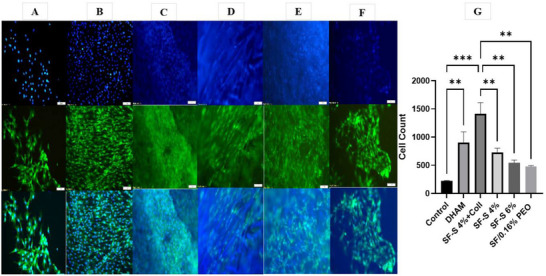 Figure 1
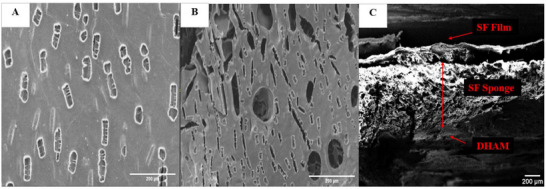 Figure 2
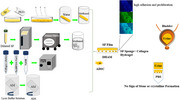 Figure 3
 Figure 4
 Figure 5
 Figure 6
 Figure 7
 Figure 8
 Figure 9
 Figure 10
 Figure 11
 Figure 12
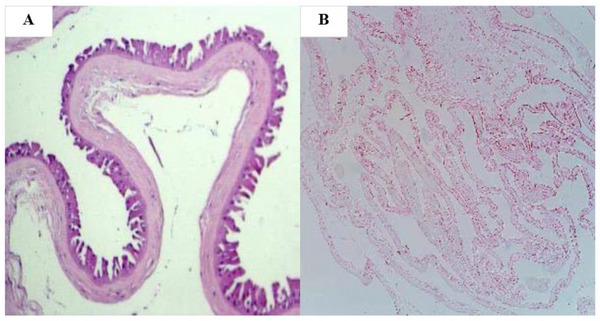 Figure 13
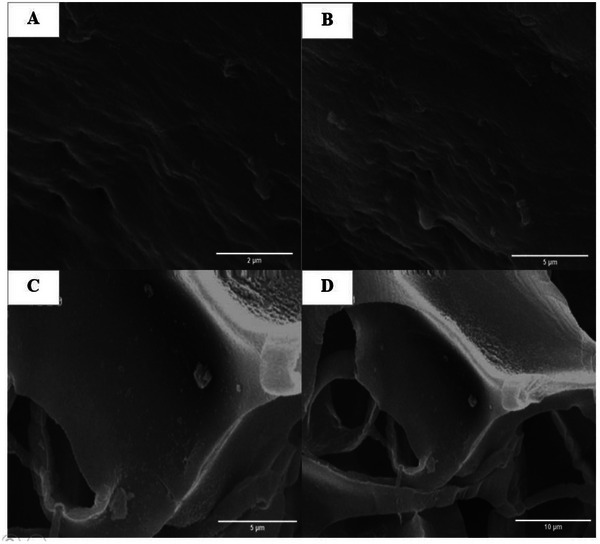 Figure 14
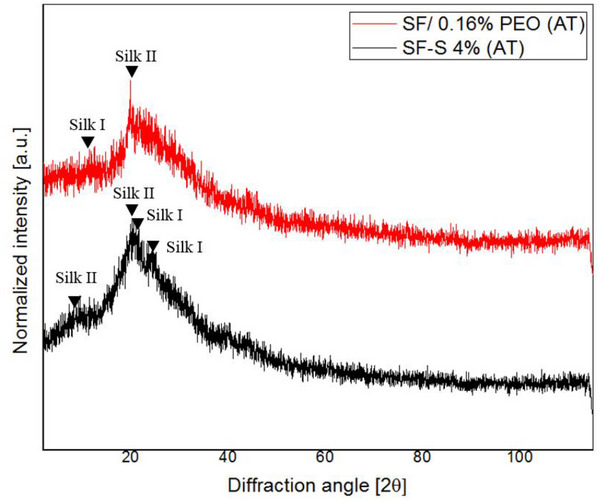 Figure 15
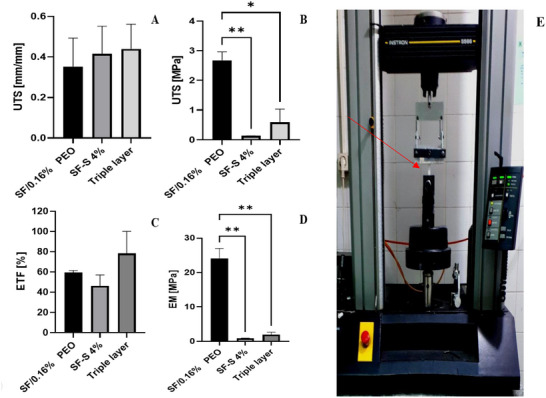 Figure 16
 Figure 17
Peer Reviews
No public reviews on file for this paper yet. If you reviewed it on a platform where reviews are public (OpenReview, ICLR, NeurIPS, ICML), you can paste yours below so the community can read it here.
Videos
No videos yet. Explain this paper in a talk, walkthrough, or lecture? Add one.
Taxonomy
TopicsTissue Engineering and Regenerative Medicine