Indication-based electronic prescribing intervention reduces unnecessary meropenem use in a safety-net hospital: a quasi-experimental study
Jannet Manuela Reyna-Quito, Robert Glowacki, Huiyuan Zhang, William E. Trick, Vanessa Sardá

TL;DR
An electronic alert system reduced unnecessary use of the antibiotic meropenem in a hospital without harming patients.
Contribution
A targeted electronic prescribing alert effectively reduced meropenem use in a safety-net hospital.
Findings
Meropenem use decreased by 41% after implementing the alert.
Patient safety was not compromised by the intervention.
Abstract
This quasi-experimental before-and-after intervention study evaluated an indication-based electronic prescribing alert in a 450-bed tertiary care hospital. Implementation reduced meropenem use by 41% without compromising patient safety, demonstrating the effectiveness of this targeted antimicrobial stewardship strategy.
Genes, proteins, chemicals, diseases, species, mutations and cell lines named across the full text — each resolved to its canonical identifier and authoritative record.
Click any figure to enlarge with its caption.
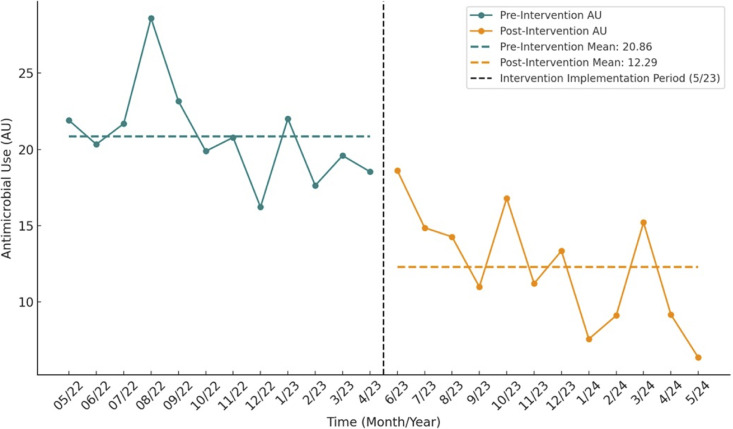 Figure 1
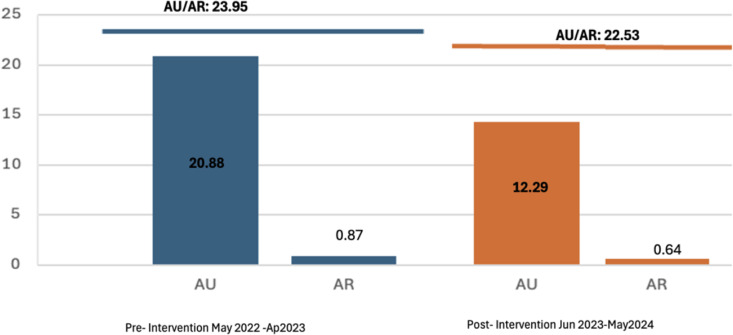 Figure 2
Peer Reviews
No public reviews on file for this paper yet. If you reviewed it on a platform where reviews are public (OpenReview, ICLR, NeurIPS, ICML), you can paste yours below so the community can read it here.
Videos
No videos yet. Explain this paper in a talk, walkthrough, or lecture? Add one.
Taxonomy
TopicsAntibiotic Use and Resistance · Antibiotics Pharmacokinetics and Efficacy · Nosocomial Infections in ICU