Exploring the Antidiabetic Properties of Polyalthia longifolia Leaf and Stem Extracts: In Vitro α-Glucosidase and Glycation Inhibition
Guglielmina Froldi, Marguerite Kamdem Simo, Laura Tomasi, Giulia Tadiotto, Francine Medjiofack Djeujo, Xavier Gabriel Fopokam, Emmanuel Souana, Modeste Lambert Sameza, Pierre Michel Jazet, Fabrice Fekam Boyom

TL;DR
This study explores how extracts from Polyalthia longifolia leaves and stems may help manage diabetes by inhibiting enzymes and harmful chemical reactions linked to high blood sugar.
Contribution
The study identifies ethanol and methanol leaf extracts of P. longifolia as having significant antidiabetic potential through in vitro inhibition of α-glucosidase and glycation.
Findings
Ethanol and methanol extracts from P. longifolia leaves showed significant antidiabetic activity.
Phytochemical analysis identified phenolic compounds and flavonoids as key bioactive components.
Extracts exhibited antiglycation and antiradical properties, with slight cytotoxicity observed in HT-29 cells.
Abstract
Polyalthia longifolia, a member of the Annonaceae family, is traditionally used for its medicinal properties, including as an antidiabetic remedy, primarily in Asia and sub-Saharan Africa. This study investigated the potential of six P. longifolia extracts in counteracting hyperglycemia and diabetes-related complications. Aqueous, ethanol, and methanol extracts from leaves and stems were evaluated for their antihyperglycemic, antiglycation, and antiradical properties using α-glucosidase, BSA, and ORAC assays, respectively. Phytochemical characterization was conducted using TPC and TFC assays, and HPLC analysis identified specific bioactive compounds, including various phenolic compounds (gallic acid, (+)-catechin, epicatechin, caffeic acid, ellagic acid and rosmarinic acid) and flavonoids (luteolin, kaempferol and baicalein). The MTT assay on the human cell line HT-29 assessed the…
Genes, proteins, chemicals, diseases, species, mutations and cell lines named across the full text — each resolved to its canonical identifier and authoritative record.
Click any figure to enlarge with its caption.
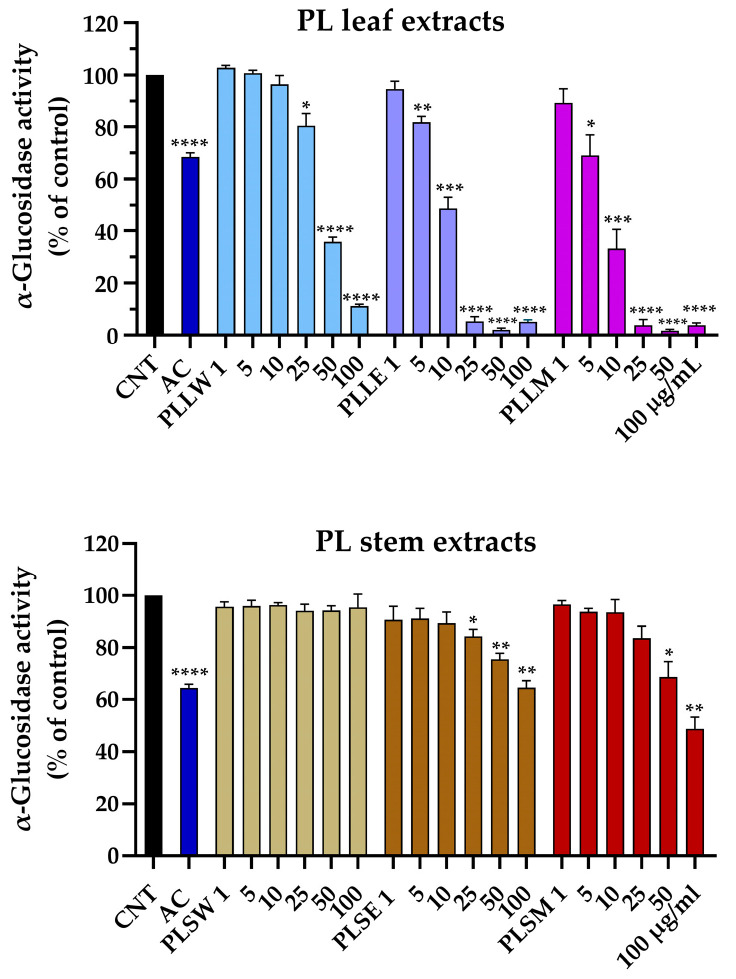 Figure 1
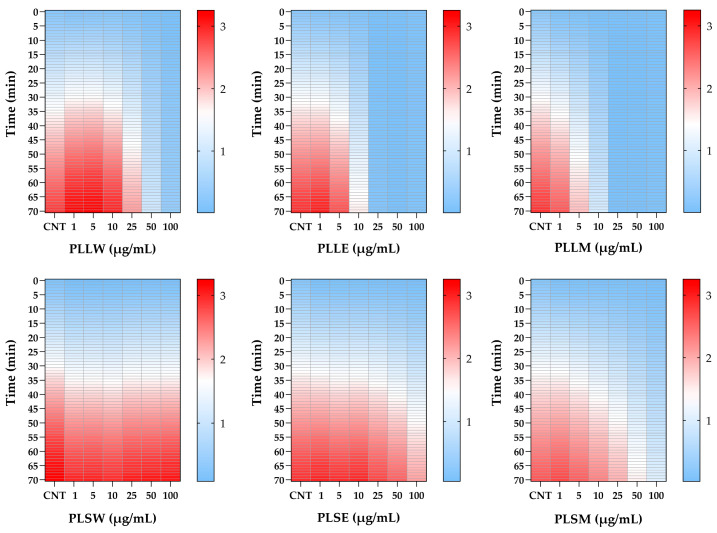 Figure 2
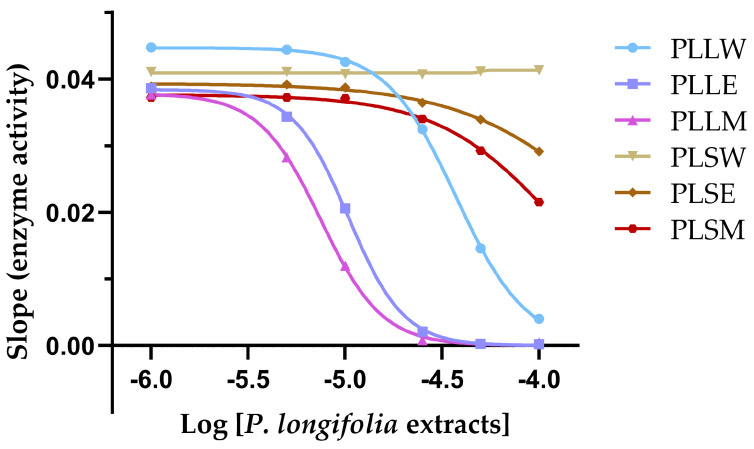 Figure 3
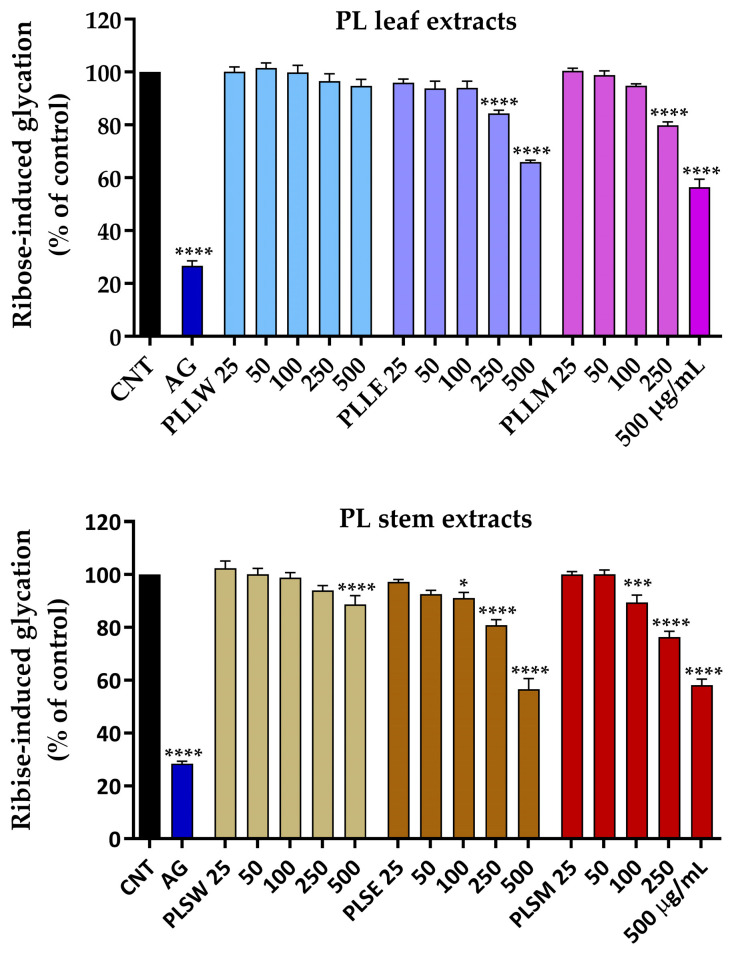 Figure 4
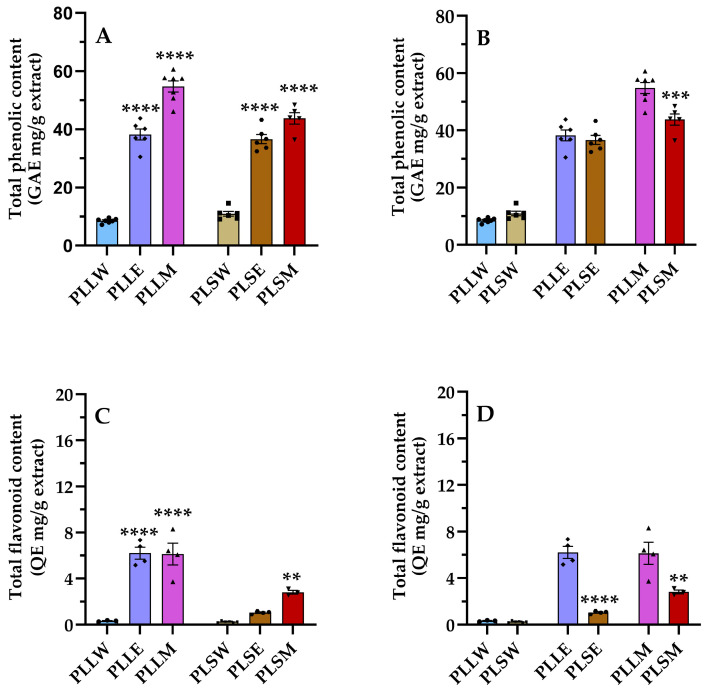 Figure 5
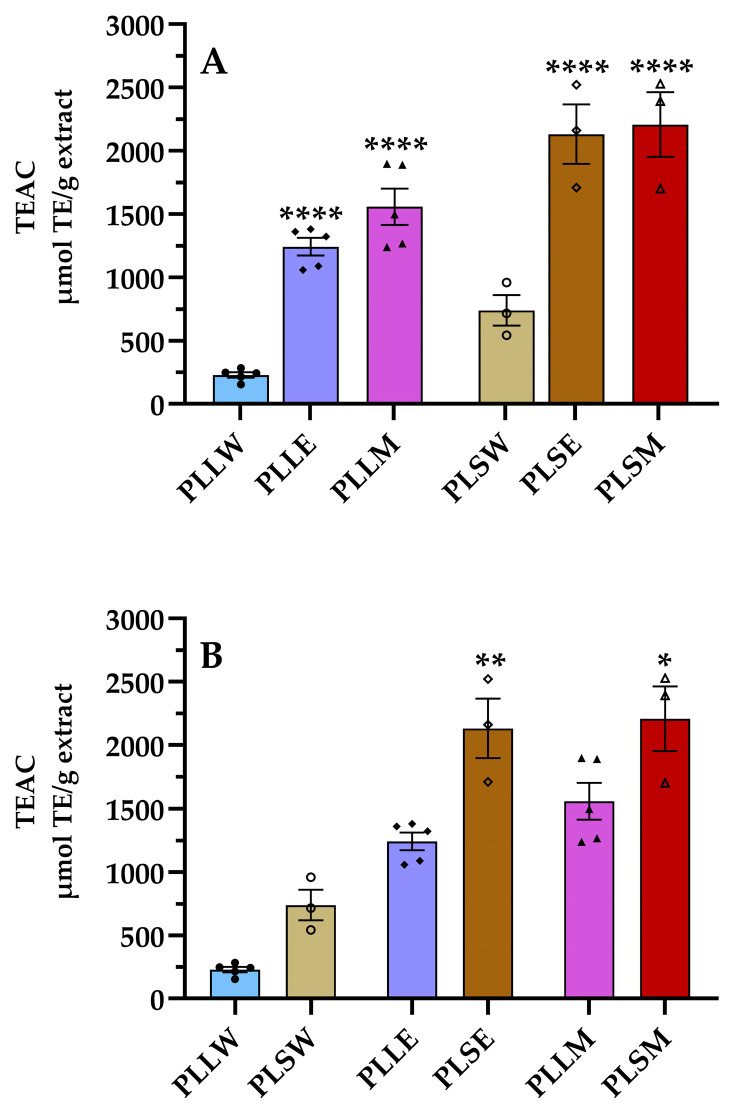 Figure 6
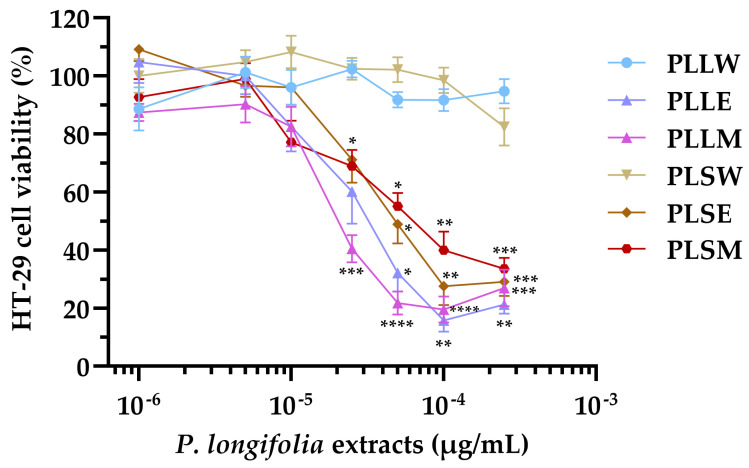 Figure 7
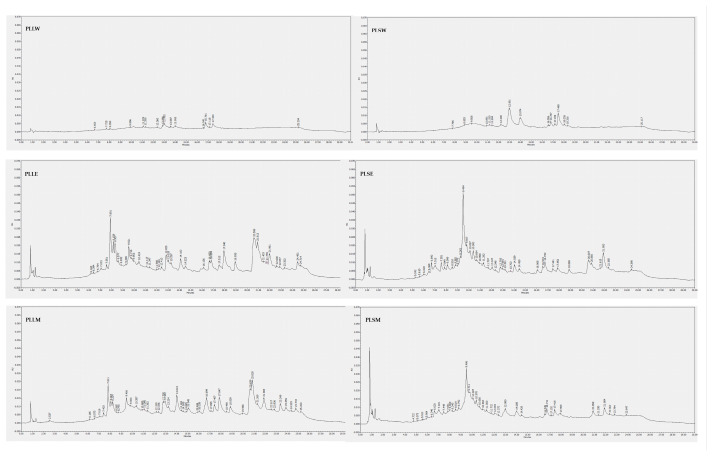 Figure 8
Peer Reviews
No public reviews on file for this paper yet. If you reviewed it on a platform where reviews are public (OpenReview, ICLR, NeurIPS, ICML), you can paste yours below so the community can read it here.
Videos
No videos yet. Explain this paper in a talk, walkthrough, or lecture? Add one.
Taxonomy
TopicsTraditional and Medicinal Uses of Annonaceae · Natural Antidiabetic Agents Studies · Phytochemicals and Antioxidant Activities