Importance of Capillary Leak and Nocturia in Defining and Successfully Treating Idiopathic Edema
John K. Maesaka, Louis J. Imbriano, Candace Grant, Minesh Khatri, Nobuyuki Miyawaki

TL;DR
Idiopathic edema in women can be successfully treated by addressing capillary leak through salt and water restriction and using support hose.
Contribution
The paper identifies capillary leak as the key mechanism in idiopathic edema and provides a treatment framework.
Findings
Salt restriction with or without diuretics eliminated weight gain and nocturia in uncomplicated cases.
Support hose reduced postural hypotension and fainting by increasing interstitial hydrostatic pressure.
Water restriction prevented hyponatremia and its severe complications in life-threatening cases.
Abstract
Background/Objectives: Idiopathic edema (IE) in women is characterized by swelling of hands and face followed by increasing abdominal and truncal girth, bloating, edema, >1.4 kg weight gain when in upright posture, and nocturia that eliminates the retained fluid. A capillary leak is the primary pathophysiologic abnormality that induces different clinical presentations that were considered untreatable. Methods: We utilized different aspects of Starling forces of edema formation and treated four uncomplicated cases of IE by reducing salt intake with or without diuretics and two cases of life-threatening cases due to seizures and coma induced by acute hyponatremia in one and postural dizziness, fainting, and fractures and dislocations of joints in another. Results: All four uncomplicated cases of IE were treated by reducing salt intake with or without diuretics that eliminated the weight…
Genes, proteins, chemicals, diseases, species, mutations and cell lines named across the full text — each resolved to its canonical identifier and authoritative record.
Click any figure to enlarge with its caption.
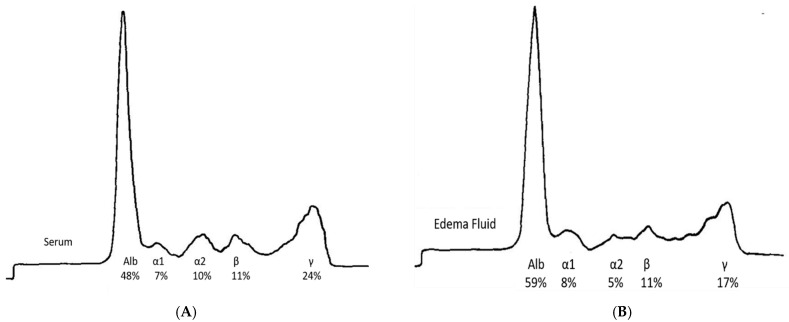 Figure 1
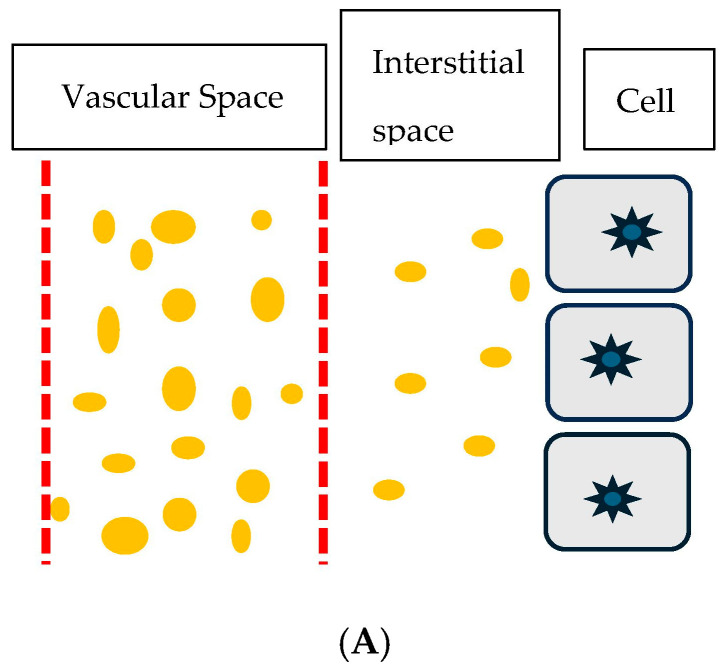 Figure 2
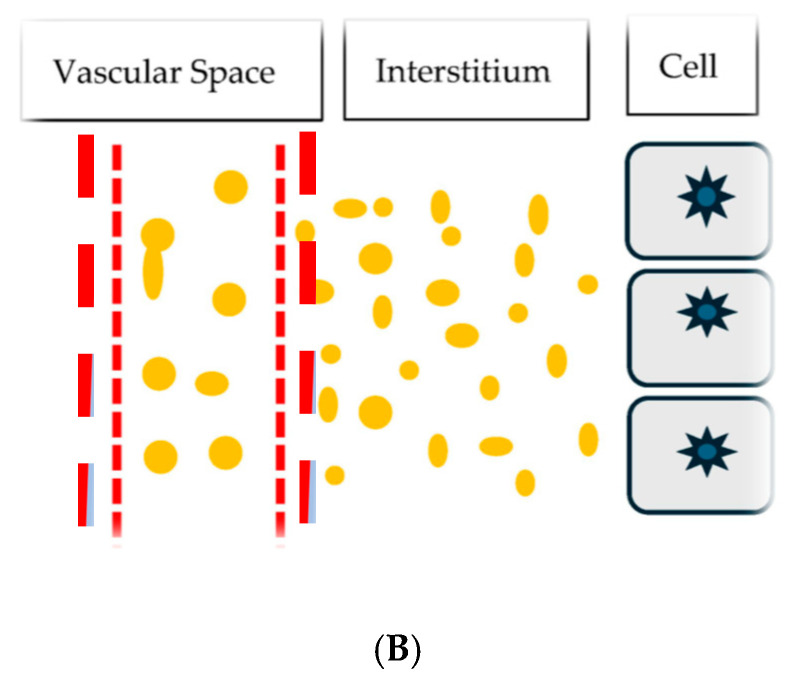 Figure 3
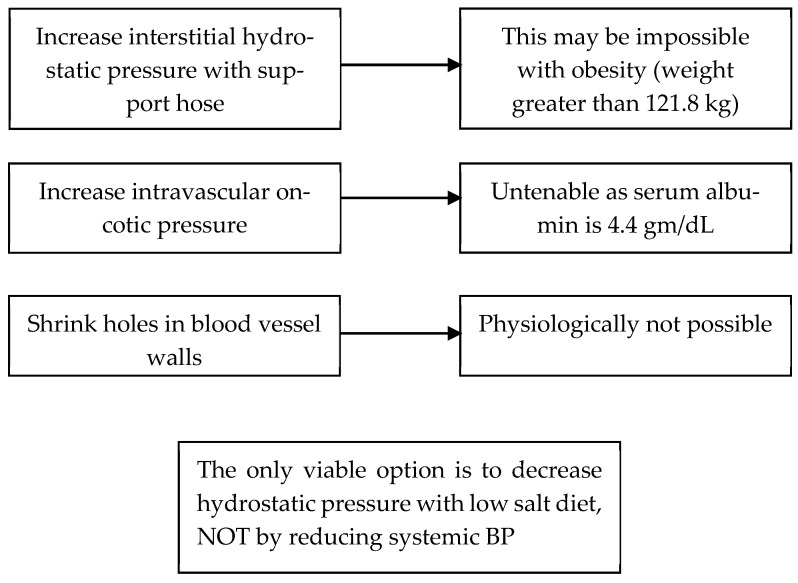 Figure 4
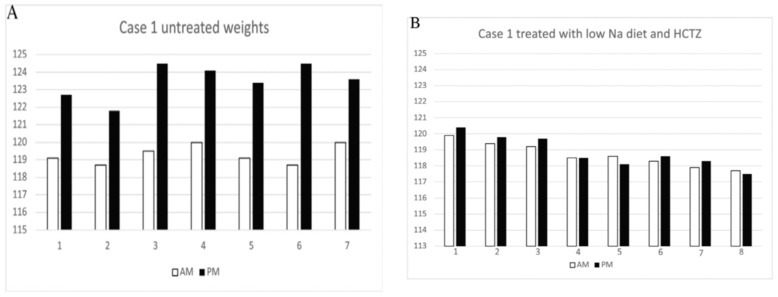 Figure 5
 Figure 6
Peer Reviews
No public reviews on file for this paper yet. If you reviewed it on a platform where reviews are public (OpenReview, ICLR, NeurIPS, ICML), you can paste yours below so the community can read it here.
Videos
No videos yet. Explain this paper in a talk, walkthrough, or lecture? Add one.
Taxonomy
TopicsElectrolyte and hormonal disorders · Restraint-Related Deaths · Ion Transport and Channel Regulation