Nuclear Protein in Testis (NUT) Carcinoma With Nasopharyngeal and Intracranial Involvement: A Case Report
Natasha Holden, James Park, Chul Chae, Dassaev Vigil, Donald Dennis

TL;DR
This case report describes a rare and aggressive cancer called NUT carcinoma that affected a man's nasopharynx and brain, highlighting its diagnosis and treatment challenges.
Contribution
The report adds to the limited literature on NUT carcinoma by presenting a case with nasopharyngeal and intracranial involvement.
Findings
A 43-year-old male was diagnosed with NUT carcinoma involving the nasopharynx and frontal brain region.
The case highlights the diagnostic challenges associated with NUT carcinoma due to its rarity and aggressive nature.
The report emphasizes the importance of molecular testing for accurate diagnosis and treatment planning.
Abstract
Nuclear protein in testis (NUT) carcinoma is a rare and aggressive malignancy characterized by NUT gene rearrangement. Previously classified as NUT midline carcinoma, this malignancy was reclassified to NUT carcinoma in order to reflect that it can occur outside midline structures of the body. This case report follows a 43-year-old male presenting with a nasopharyngeal mass invading the frontal brain region, ultimately diagnosed as NUT carcinoma. Here, we detail the clinical and molecular characteristics of this tumor to contribute to the growing body of literature on this rare malignancy, while acknowledging potential diagnostic challenges and therapeutic considerations.
Genes, proteins, chemicals, diseases, species, mutations and cell lines named across the full text — each resolved to its canonical identifier and authoritative record.
Click any figure to enlarge with its caption.
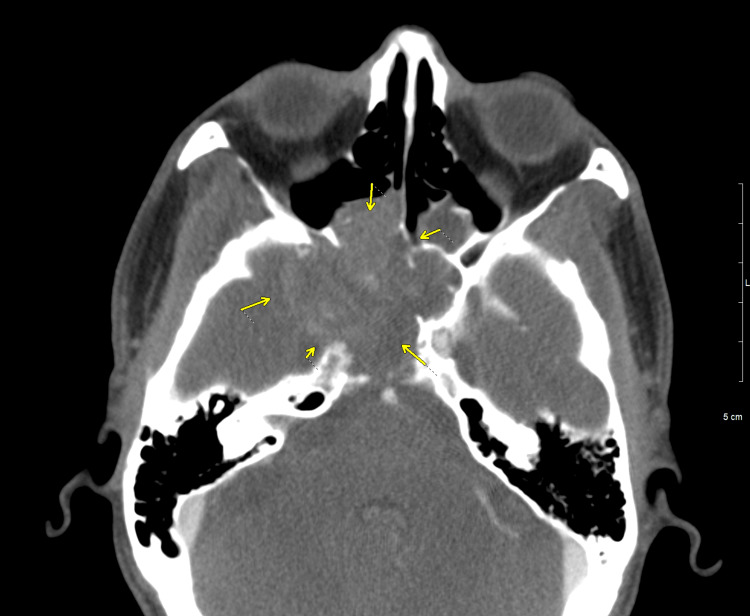 Figure 1
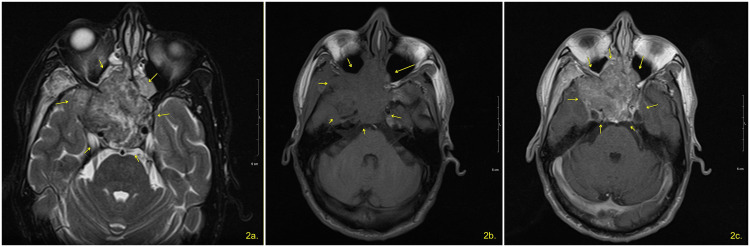 Figure 2
Peer Reviews
No public reviews on file for this paper yet. If you reviewed it on a platform where reviews are public (OpenReview, ICLR, NeurIPS, ICML), you can paste yours below so the community can read it here.
Videos
No videos yet. Explain this paper in a talk, walkthrough, or lecture? Add one.
Taxonomy
TopicsProtein Degradation and Inhibitors · Ubiquitin and proteasome pathways · Cancer-related gene regulation