Indonesian Translation and Cross-Cultural Adaptation of the Sensory Processing Measure-2 (SPM-2) for Preschool Children: A Study Protocol
Ayleen Kosasih, Putri Dirgantara, Zulfa Khoirunisah, Hermito Gidion, Muhammad Luthfi, Reza Nur Arsyi, Dini Fajariani, Herqutanto

TL;DR
This study outlines a protocol to translate and validate the Sensory Processing Measure-2 for Indonesian preschool children to assess sensory processing difficulties.
Contribution
The study introduces a culturally adapted Indonesian version of the SPM-2 for preschoolers, addressing a gap in validated sensory processing assessment tools in Indonesia.
Findings
A systematic translation and validation protocol for the Indonesian version of SPM-2 is being developed.
Cognitive debriefing and content validity assessments will be conducted with parents, caregivers, and teachers.
Psychometric properties will be evaluated using I-CVI, S-CVI, and Cronbach's alpha.
Abstract
Sensory processing is foundational for learning and behaviors. Challenges in sensory processing can impair daily functioning; therefore, sensory processing disorder is frequently linked with neurodevelopmental disorders and other clinical conditions, though it can also occur independently. However, there is a lack of validated tools in Indonesia for assessing sensory processing difficulties. The Sensory Processing Measurement second edition (SPM-2) is available in English and other languages. To ensure its accuracy for the Indonesian-speaking population, a study was conducted to translate, validate, and ensure its reliability and cultural relevance in Indonesian. This study is aimed at translating and testing the validity and reliability of the Indonesian version of the SPM-2 for preschoolers. A step-by-step approach will be conducted according to principles of good practice for the…
Genes, proteins, chemicals, diseases, species, mutations and cell lines named across the full text — each resolved to its canonical identifier and authoritative record.
Click any figure to enlarge with its caption.
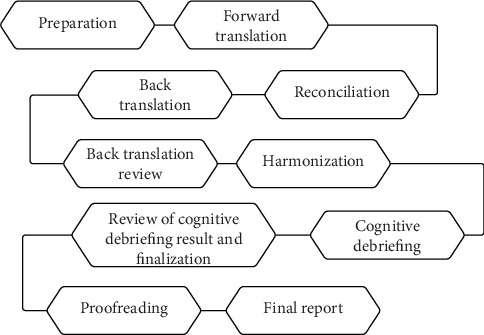 Figure 1
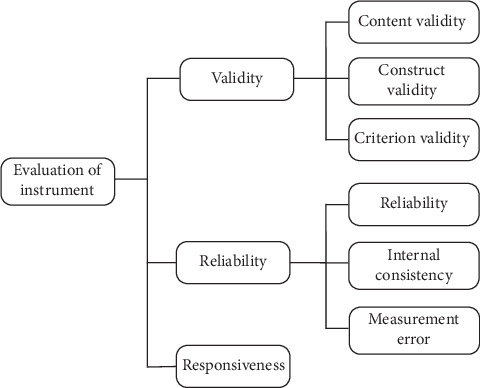 Figure 2
Peer Reviews
No public reviews on file for this paper yet. If you reviewed it on a platform where reviews are public (OpenReview, ICLR, NeurIPS, ICML), you can paste yours below so the community can read it here.
Videos
No videos yet. Explain this paper in a talk, walkthrough, or lecture? Add one.
Taxonomy
TopicsAttention Deficit Hyperactivity Disorder · Health Education and Validation · Neural and Behavioral Psychology Studies