Comparative analysis of complanadine A total syntheses
Reem Al-Ahmad, Mingji Dai

TL;DR
This paper reviews four different ways to synthesize complanadine A, a complex natural compound with potential for treating pain and promoting nerve growth.
Contribution
The paper provides a comparative analysis of four innovative total syntheses of complanadine A from different research groups.
Findings
Four distinct total syntheses of complanadine A are reviewed, each showcasing unique strategies.
The syntheses highlight the impact of emerging synthetic methods on natural product synthesis.
The review emphasizes complanadine A's potential in neurotrophic activity and pain management.
Abstract
In this review, we summarize and compare four total syntheses of complanadine A, a complex and pseudo-dimeric lycopodium alkaloid with promising neurotrophic activity and potential for pain management. These four total syntheses are from the groups of Siegel, Sarpong, Tsukano, and Dai. Each of the four total syntheses contains innovative strategies and creative tactics, reflecting how emerging synthetic capabilities and concepts can positively impact natural product total synthesis.
Genes, proteins, chemicals, diseases, species, mutations and cell lines named across the full text — each resolved to its canonical identifier and authoritative record.
Click any figure to enlarge with its caption.
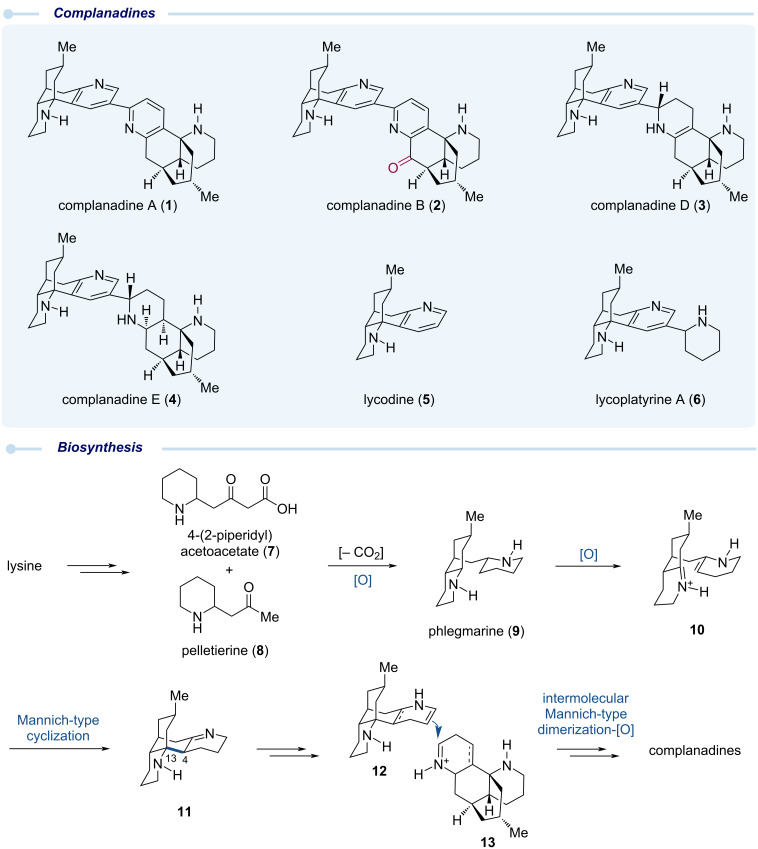 Figure 1
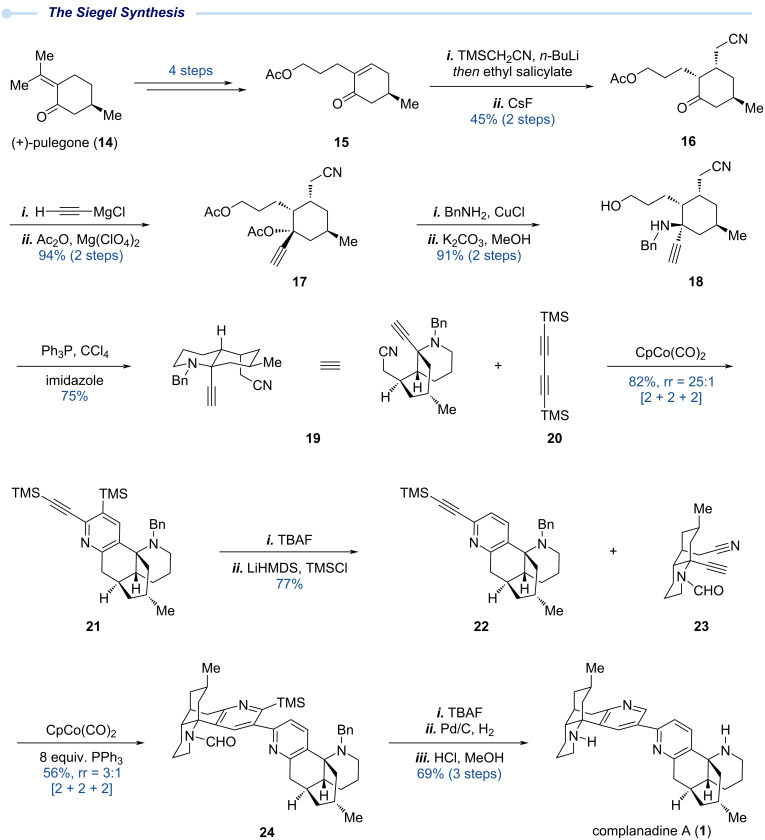 Figure 2
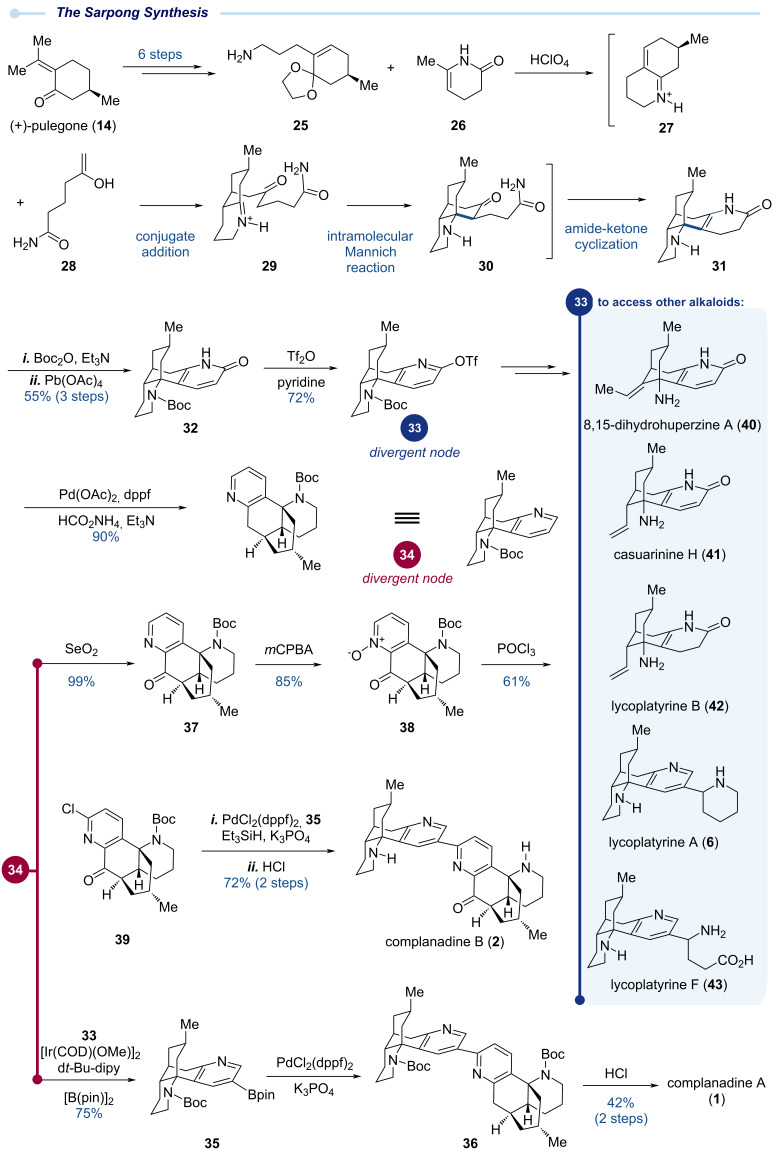 Figure 3
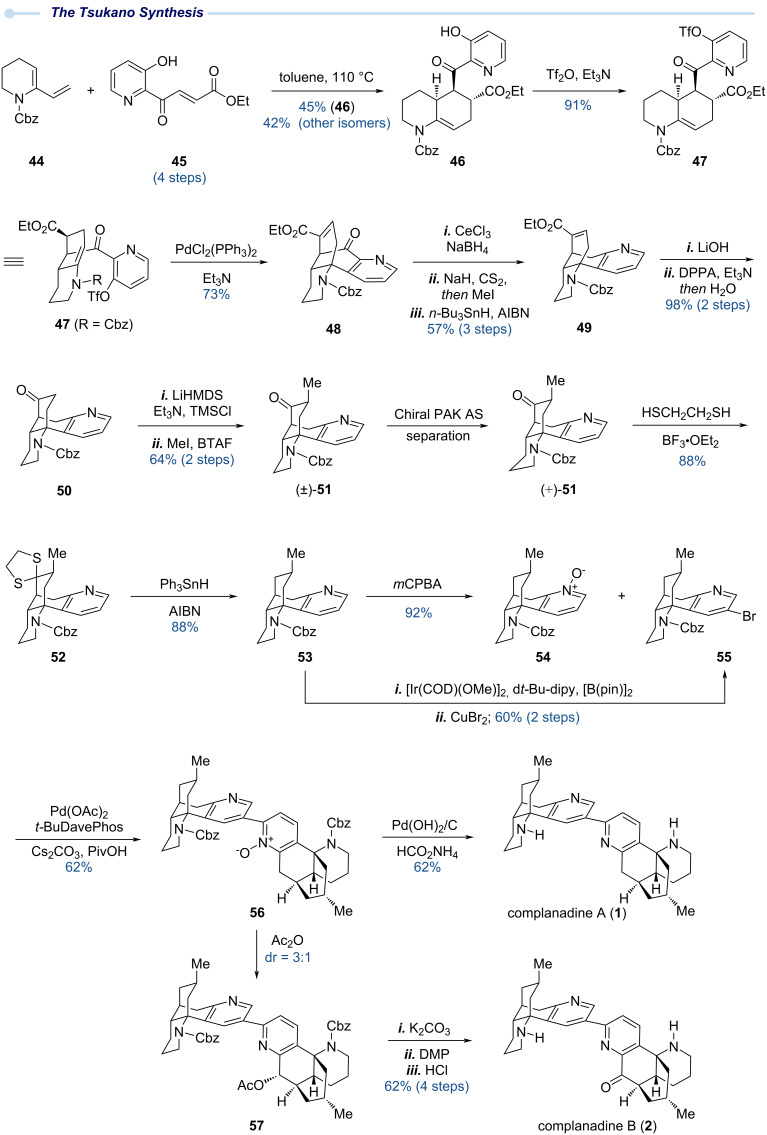 Figure 4
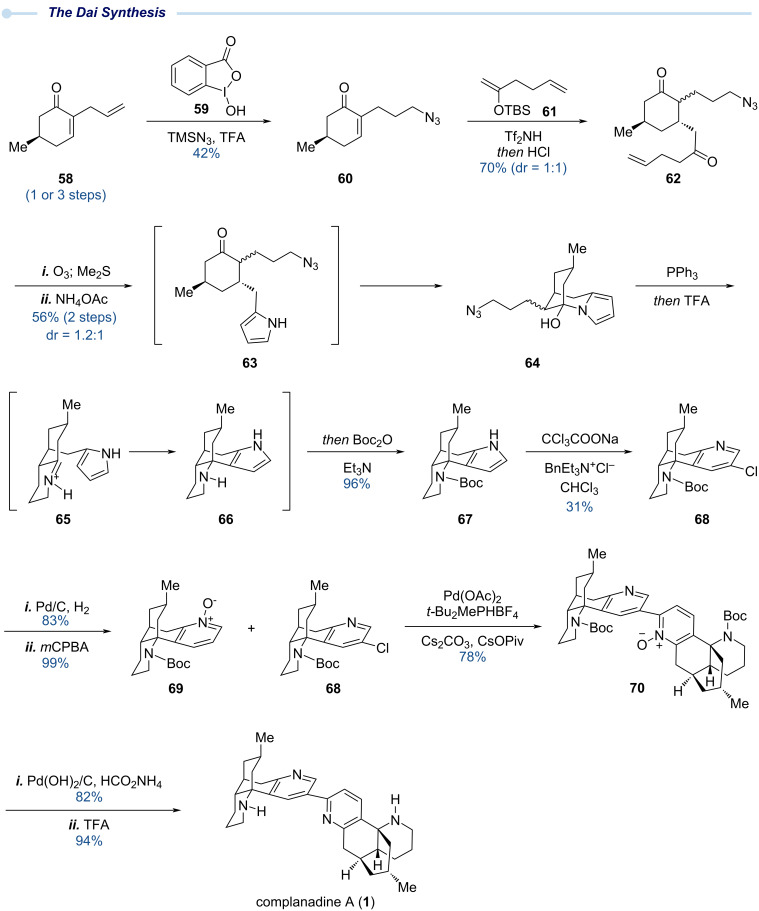 Figure 5
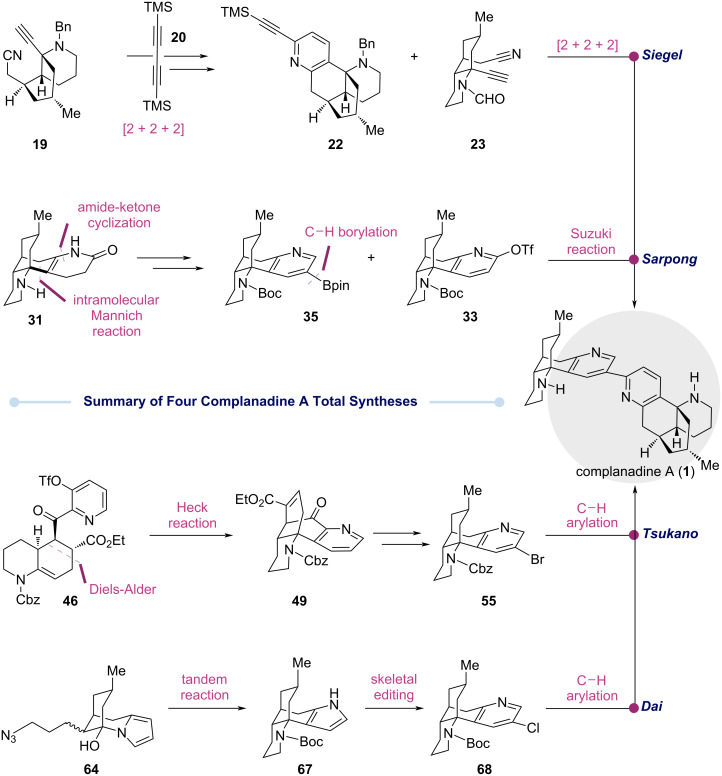 Figure 6
Peer Reviews
No public reviews on file for this paper yet. If you reviewed it on a platform where reviews are public (OpenReview, ICLR, NeurIPS, ICML), you can paste yours below so the community can read it here.
Videos
No videos yet. Explain this paper in a talk, walkthrough, or lecture? Add one.
Taxonomy
TopicsCholinesterase and Neurodegenerative Diseases · Nicotinic Acetylcholine Receptors Study · Plant and fungal interactions