Vascular Endothelial Growth Factor B Modulates Cardiac Functions via Ferroptosis Pathways in Post-Myocardial Infarction
Sai Manasa Varanasi, Ankit Sabharwal, Shreyartha Mukherjee, Huzaifa Muhammad, Riya Kar, Carter Magnano, Anya Dorairaj, Enfeng Wang, Shamit Dutta, Pritam Das, Stephen C. Ekker, Ying Wang, Debabrata Mukhopadhyay, Ramcharan Singh Angom

TL;DR
This study shows that VEGFB protects heart cells after a heart attack by reducing cell death through ferroptosis pathways.
Contribution
The study reveals a novel role of VEGFB-NRP1 signaling in modulating ferroptosis and enhancing cardiac survival post-MI.
Findings
VEGFB overexpression protects zebrafish hearts from ischemic injury and promotes regeneration.
VEGFB reduces ROS and ferroptosis while preserving mitochondrial integrity in cardiomyocytes.
NRP1 is essential for VEGFB's protective effects, as its knockdown negates these benefits.
Abstract
Myocardial infarction (MI) remains a leading cause of mortality worldwide, yet effective cardioprotective strategies remain limited in clinical settings. Vascular endothelial growth factor B (VEGFB) has emerged as a promising therapeutic candidate in MI, but the role of its co-receptor, Neuropilin-1 (NRP1), in cardiomyocyte (CM) survival under ischemic stress remains poorly understood. Here, we investigated VEGFB-NRP1 signaling using an in vivo zebrafish model of cardiac injury as well as in vitro hypoxia models in CMs. We demonstrated that VEGFB overexpression conferred protection against ischemic injury and enhanced cardiac regeneration in the zebrafish heart. Mechanistically, we showed that VEGFB treatment enhances CM viability through reducing reactive oxygen species (ROS), ferroptosis activation, and preserving mitochondrial integrity. We also demonstrated that NRP1 knockdown in…
Genes, proteins, chemicals, diseases, species, mutations and cell lines named across the full text — each resolved to its canonical identifier and authoritative record.
Click any figure to enlarge with its caption.
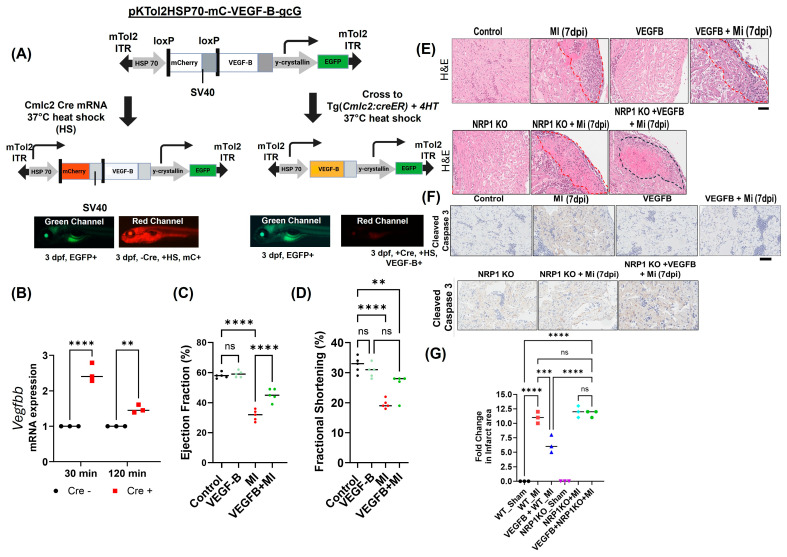 Figure 1
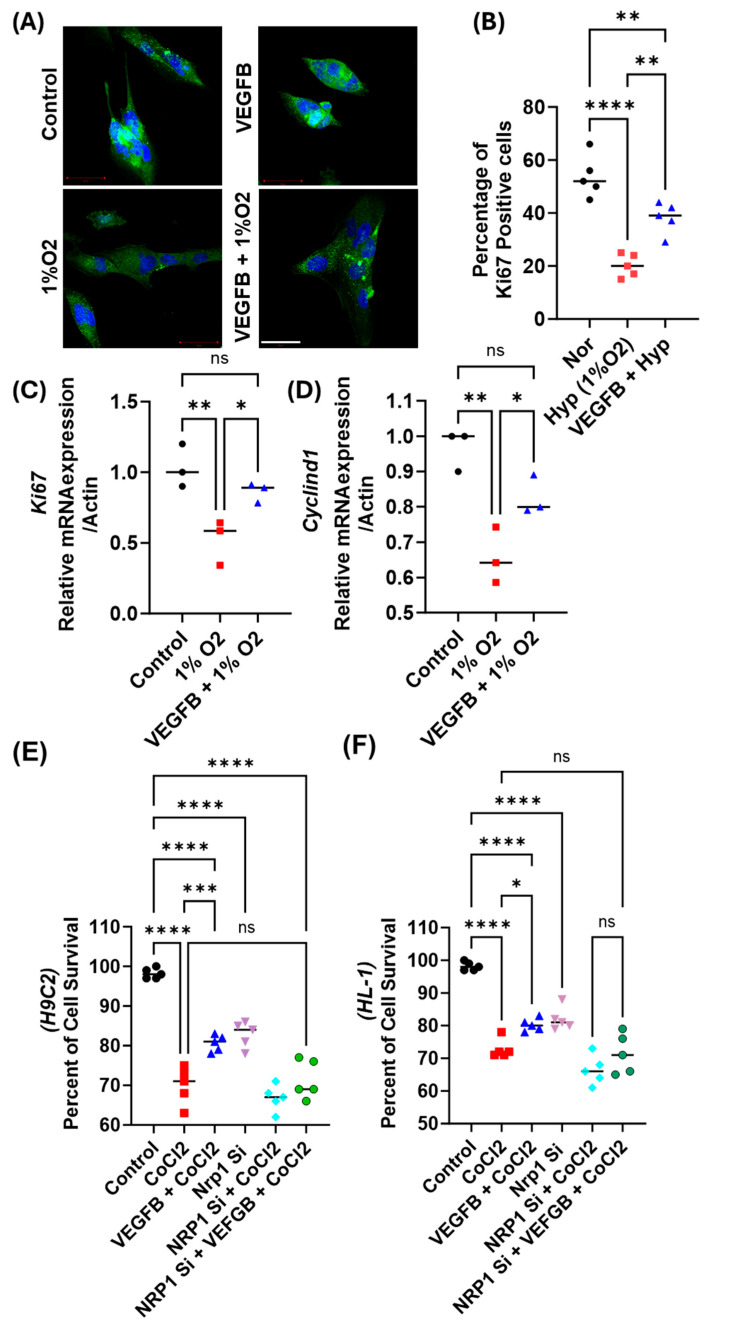 Figure 2
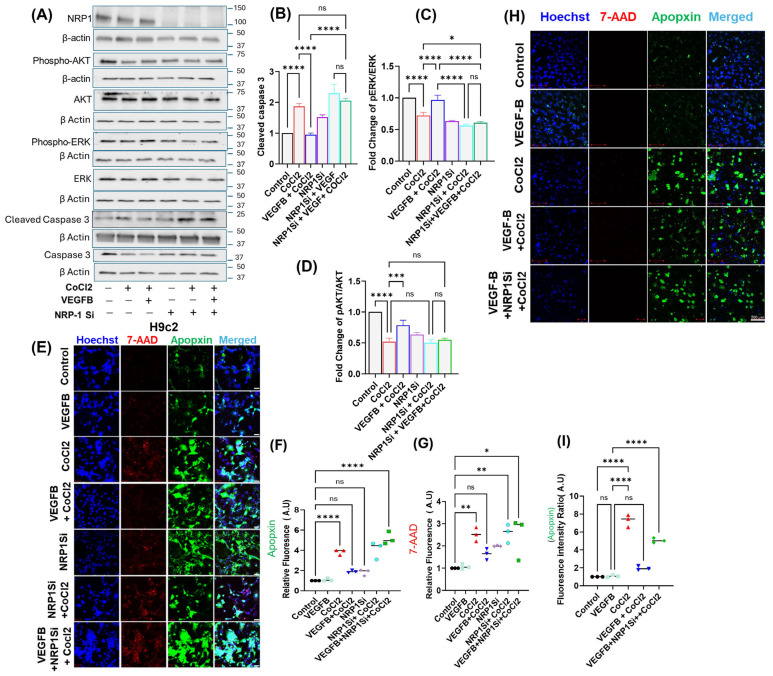 Figure 3
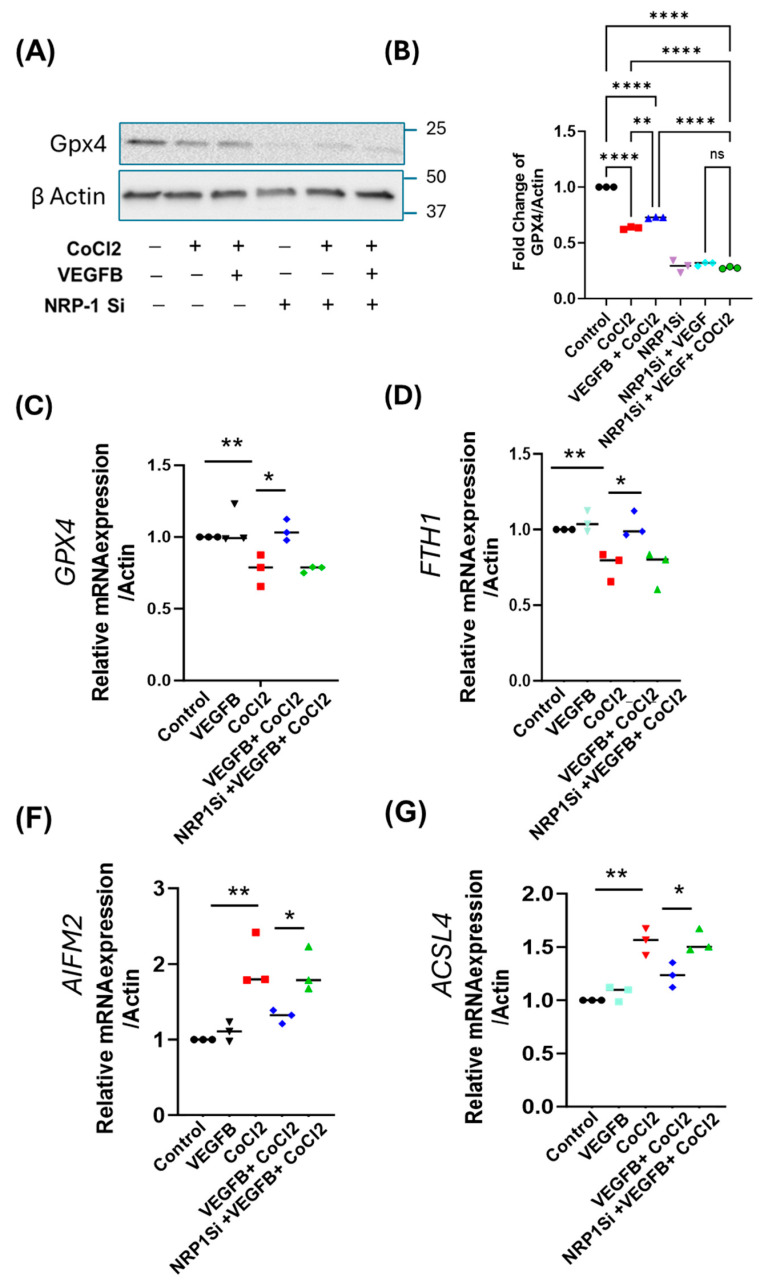 Figure 4
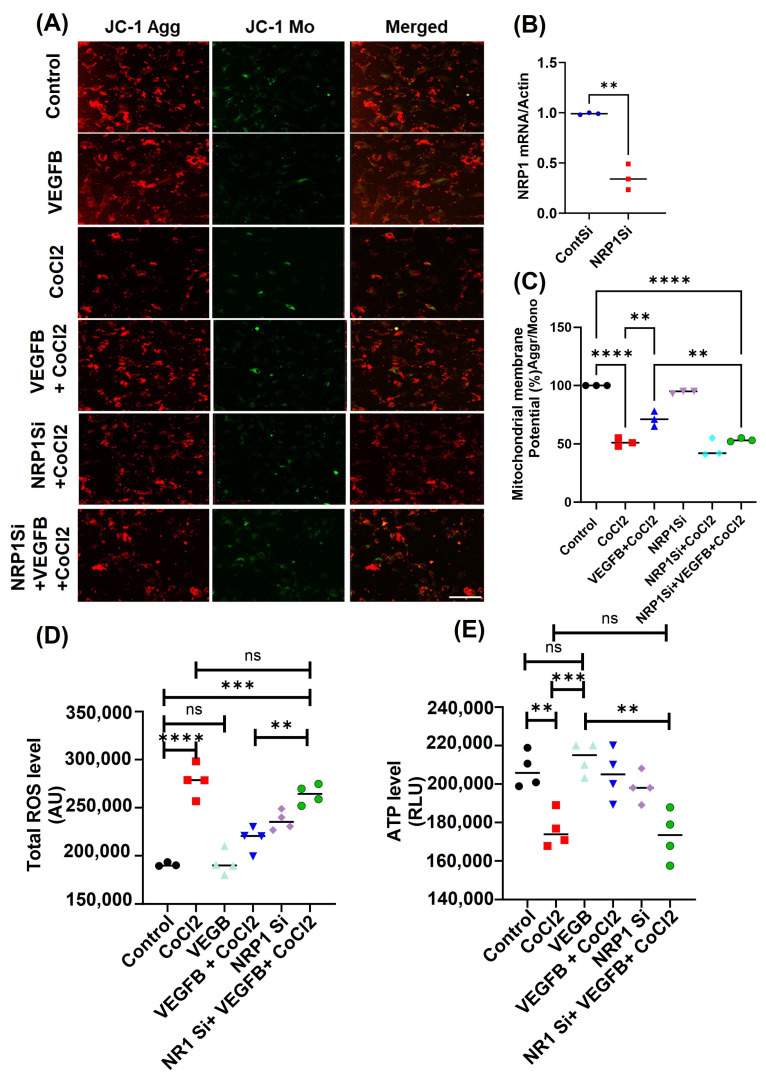 Figure 5
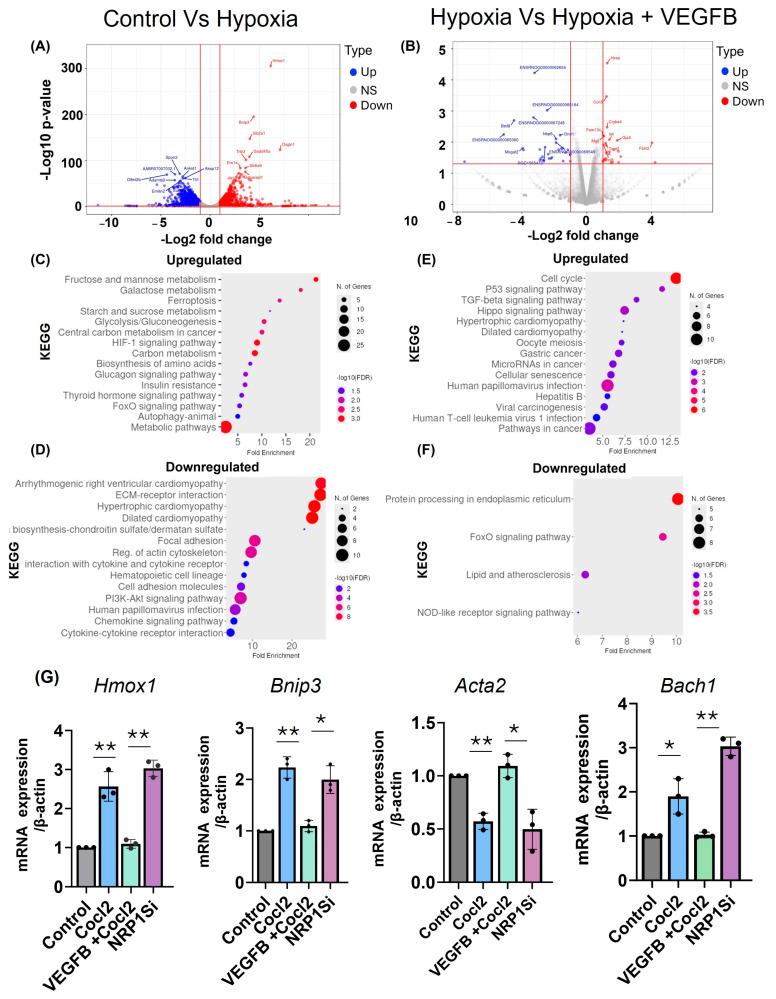 Figure 6
Peer Reviews
No public reviews on file for this paper yet. If you reviewed it on a platform where reviews are public (OpenReview, ICLR, NeurIPS, ICML), you can paste yours below so the community can read it here.
Videos
No videos yet. Explain this paper in a talk, walkthrough, or lecture? Add one.
Taxonomy
TopicsBiomarkers in Disease Mechanisms · Ferroptosis and cancer prognosis · Cancer-related molecular mechanisms research