The German translation of the Oxford utilitarianism scale: Validation and the impact of the Covid-19 pandemic on the observations
Aistė Ambrasė, Malte Hendrickx, Melina Grahlow, Hong Yu Wong, Birgit Derntl

TL;DR
This paper introduces a German version of a scale to measure utilitarian views and examines how the pandemic affected these views.
Contribution
The paper presents the first validated German version of the Oxford Utilitarianism Scale and explores its use during and after the pandemic.
Findings
The German version of the Oxford Utilitarianism Scale (OUS-DE) showed good fit and reliability in pre-pandemic and post-pandemic samples.
Women scored higher on the Impartial Beneficence subscale than men in both pre- and post-pandemic samples.
Agreement with the Impartial Beneficence subscale decreased after the pandemic, and utilitarian beliefs remained stable in repeated measurements.
Abstract
The study of utilitarian inclinations is probably the most experimentally investigated aspect of morality. The Oxford Utilitarianism Scale has been developed to provide a self-report tool for reliable measurement of utilitarian views while addressing serious methodological issues with previous measures. In this study, we have translated and validated a German version of the Oxford Utilitarianism Scale (OUS-DE). The scale consists of two subscales: Impartial Beneficence (IB-DE) and Instrumental Harm (IH-DE). We conducted a procedure in a general German sample (NS1 = 378, 243 women, Mage = 25.37) before the Covid-19 pandemic. A confirmatory factor analysis demonstrated a good fit of a two-factor model for OUS-DE, while internal consistency and construct reliability were acceptable. Both in the pre-pandemic and the post-pandemic sample (NS2 = 348, 206 women, Mage = 24.61) we found a…
Genes, proteins, chemicals, diseases, species, mutations and cell lines named across the full text — each resolved to its canonical identifier and authoritative record.
Click any figure to enlarge with its caption.
 Figure 1
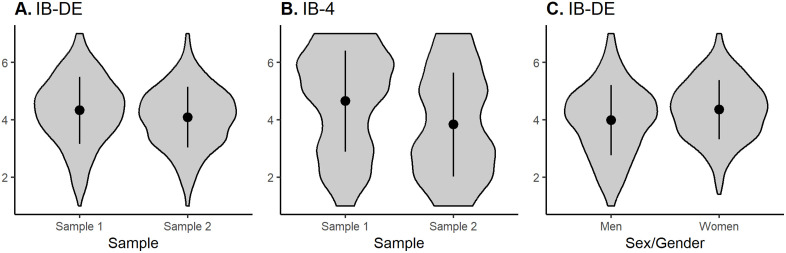 Figure 2
 Figure 3
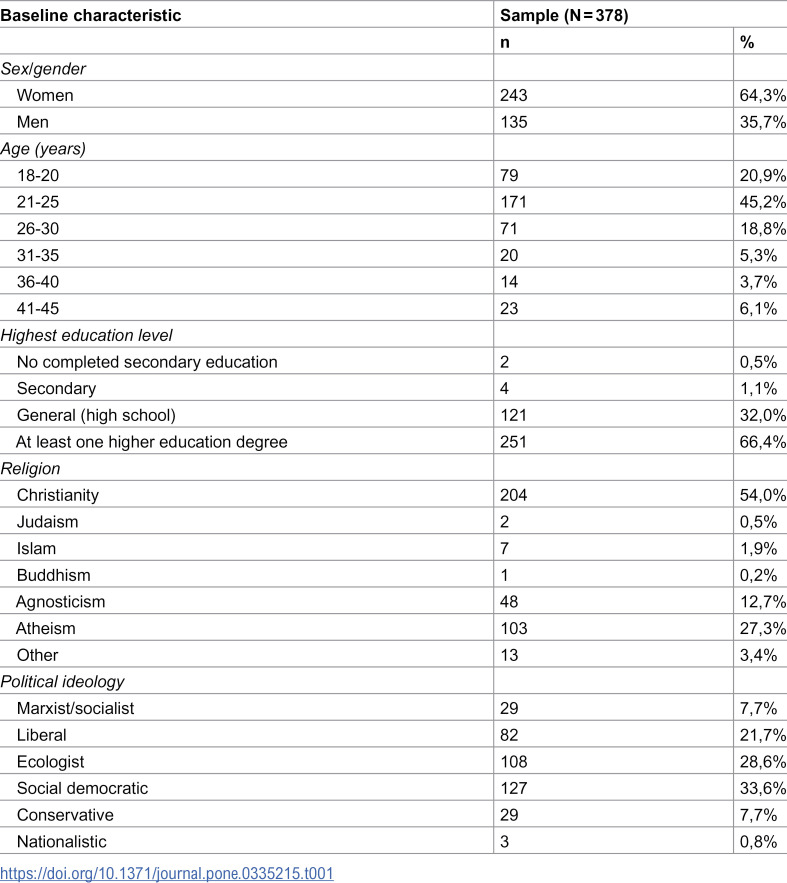 Figure 4
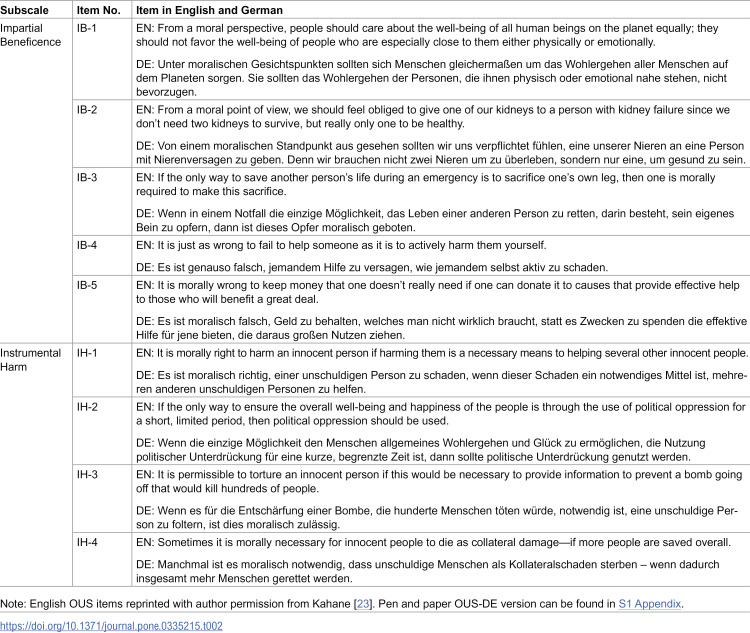 Figure 5
 Figure 6
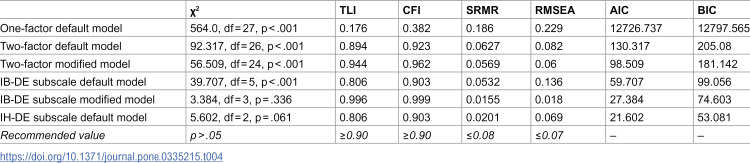 Figure 7
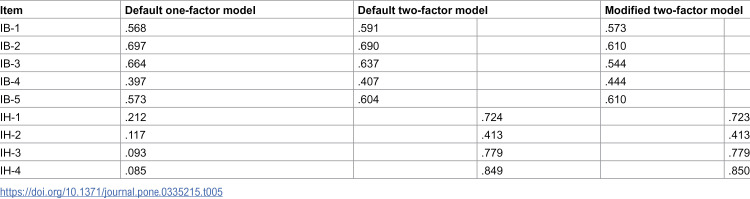 Figure 8
 Figure 9
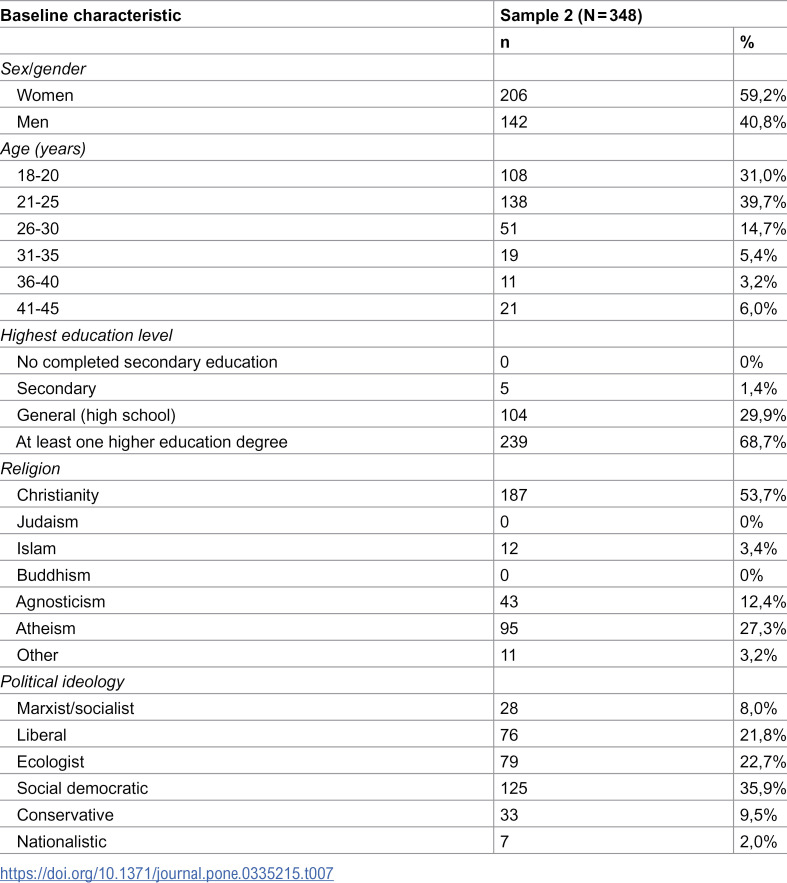 Figure 10
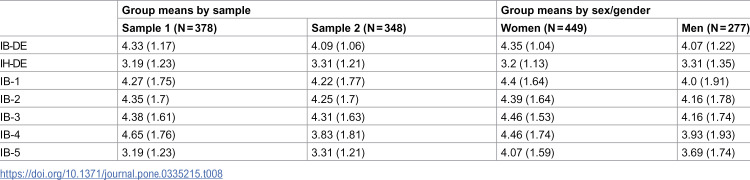 Figure 11
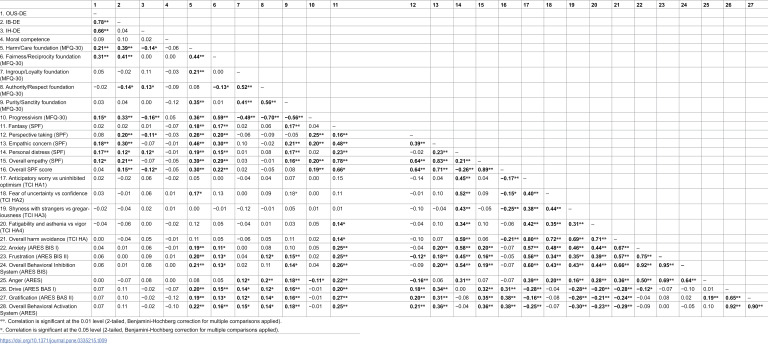 Figure 12
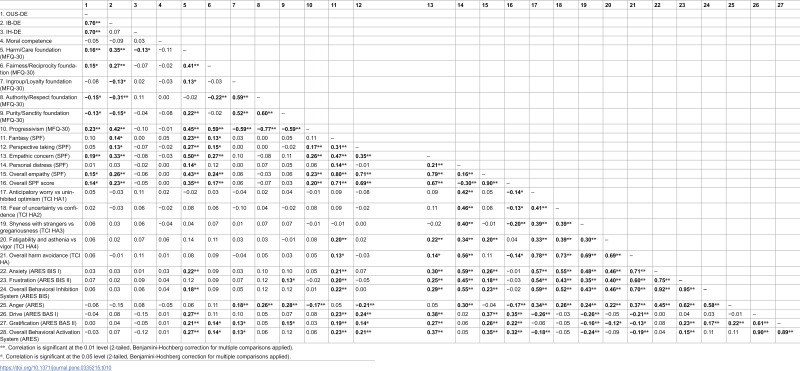 Figure 13
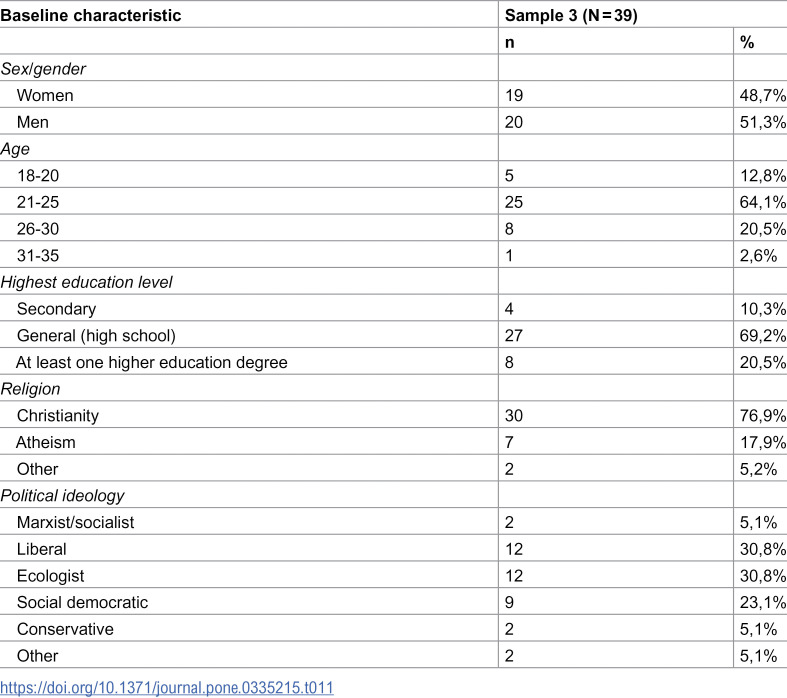 Figure 14
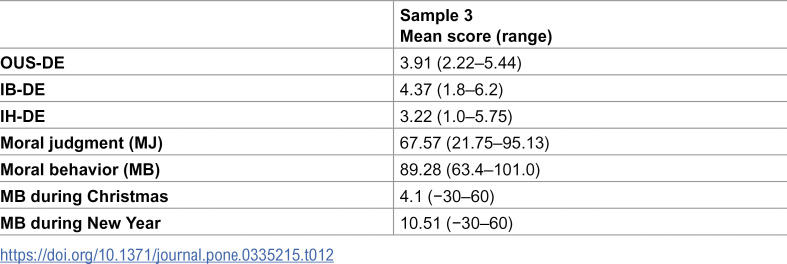 Figure 15
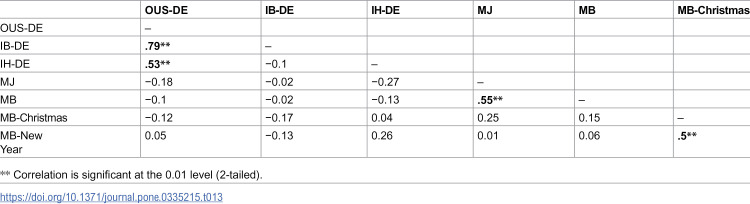 Figure 16
Peer Reviews
No public reviews on file for this paper yet. If you reviewed it on a platform where reviews are public (OpenReview, ICLR, NeurIPS, ICML), you can paste yours below so the community can read it here.
Videos
No videos yet. Explain this paper in a talk, walkthrough, or lecture? Add one.
Taxonomy
TopicsPsychology of Moral and Emotional Judgment · Social and Intergroup Psychology · Emotions and Moral Behavior