Using plant electrical signals of water hyacinth (Eichhornia crassipes) for water pollution monitoring
Valeria Maria Melleiro Gimenez, Ana Carolina de Souza Silva, Gustavo Maia Souza, Ernane Jose Xavier Costa

TL;DR
This paper shows that water hyacinths can detect water pollution through changes in their electrical signals, offering a new way to monitor water quality in real time.
Contribution
The novel use of bioelectrical signal analysis in water hyacinths for real-time water pollution monitoring.
Findings
Water hyacinths' bioelectrical signals change in response to wastewater exposure.
Time and frequency domain analyses reveal distinct signal patterns under pollution.
Adaptive Gabor representation effectively captures joint time-frequency behavior.
Abstract
Aquatic plants, such as water hyacinths, Eichhornia crassipes, are indicators of environmental changes. This study explores the response of water hyacinths to wastewater exposure by analyzing their bioelectrical signals. The analysis includes time, frequency, and joint time-frequency domains, evaluating the plant’s response to water quality variation. In the time domain, the Lempel-Ziv complexity analysis was used to demonstrate how the plant’s response evolves over time, while spectral entropy was used for frequency domain analysis. By using adaptive Gabor representation, the joint time-frequency behavior of the signal was evaluated. All these advanced digital signal processing techniques were used to evaluate the plant’s ability to detect and adapt to the presence of pollutants. The results show that water hyacinths can serve as part of a reliable instrumentation system for real-time…
Genes, proteins, chemicals, diseases, species, mutations and cell lines named across the full text — each resolved to its canonical identifier and authoritative record.
Click any figure to enlarge with its caption.
 Figure 1
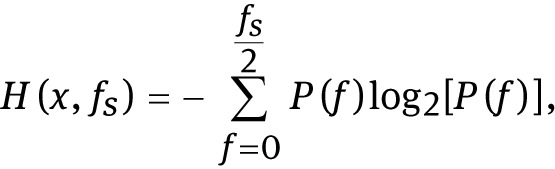 Figure 2
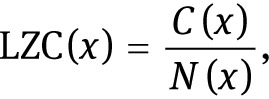 Figure 3
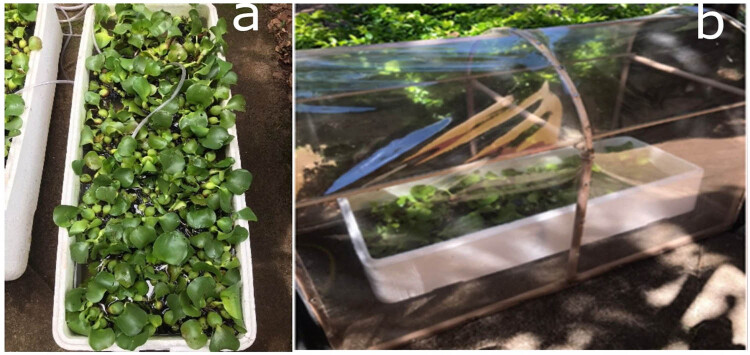 Figure 1
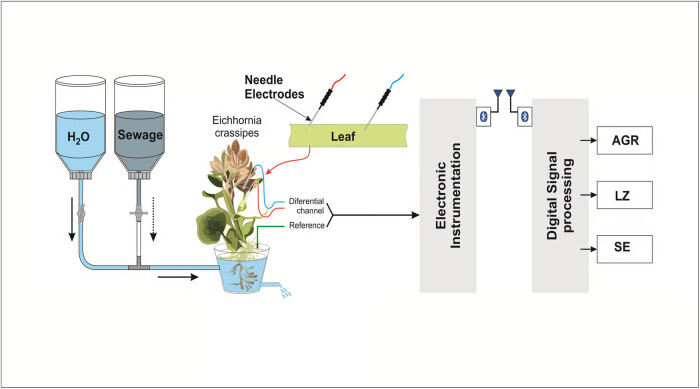 Figure 2
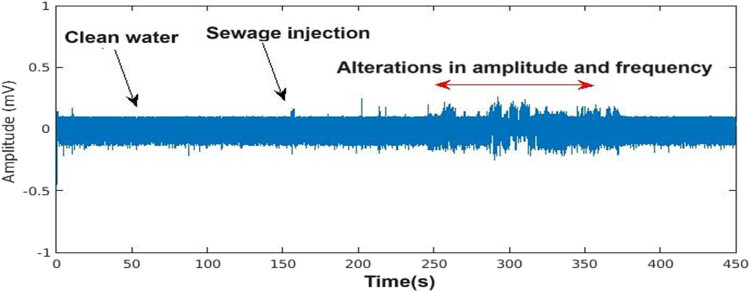 Figure 3
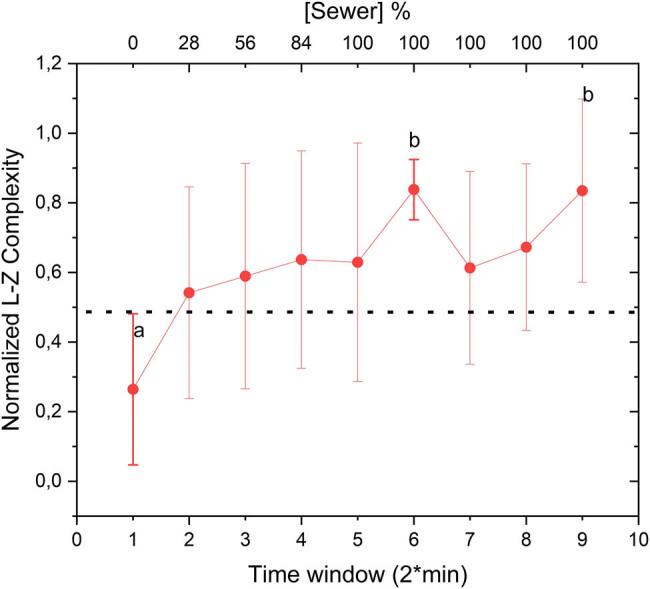 Figure 4
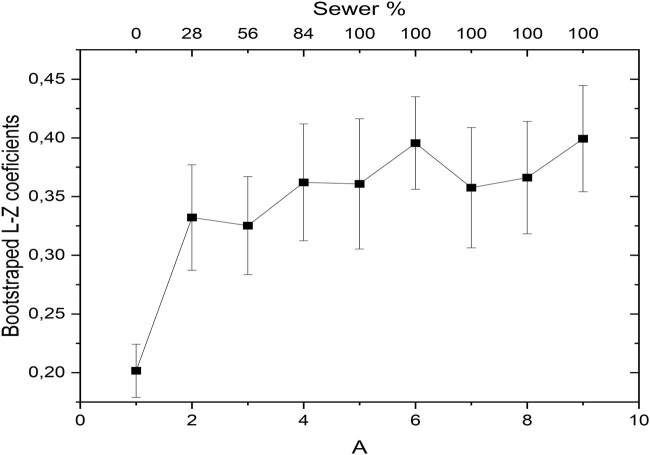 Figure 5
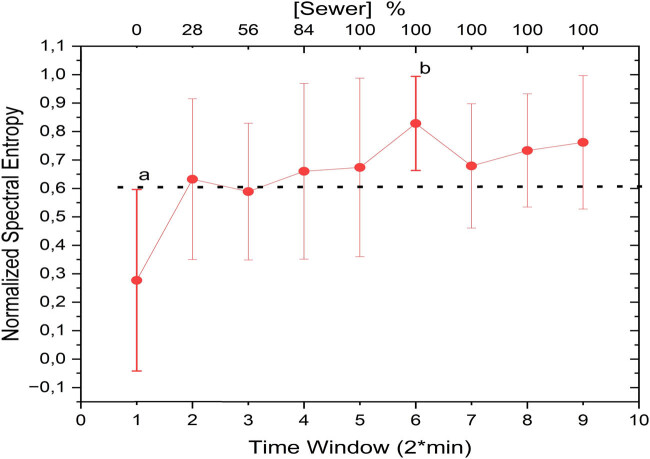 Figure 6
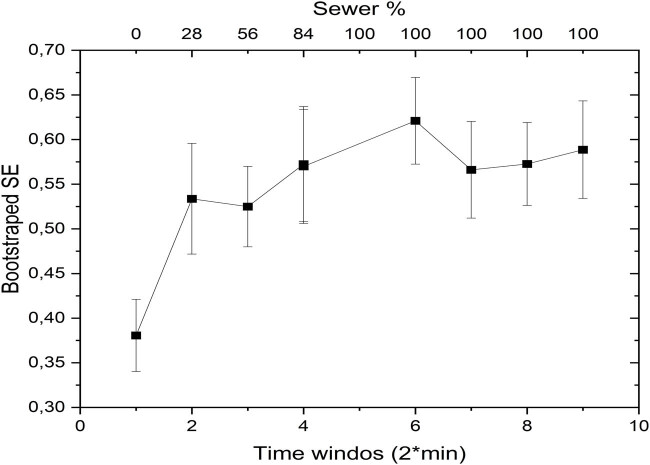 Figure 7
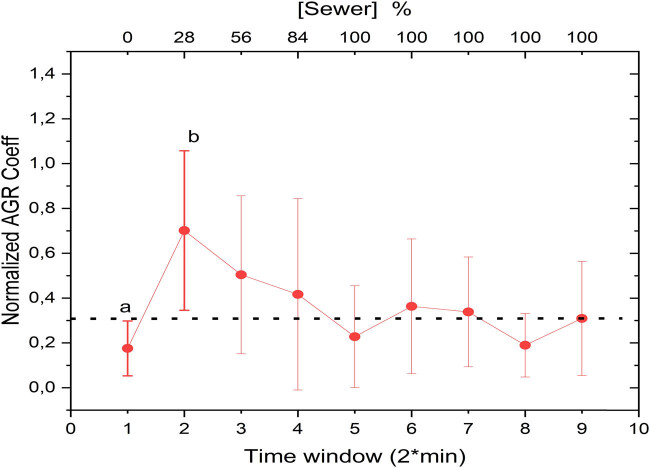 Figure 8
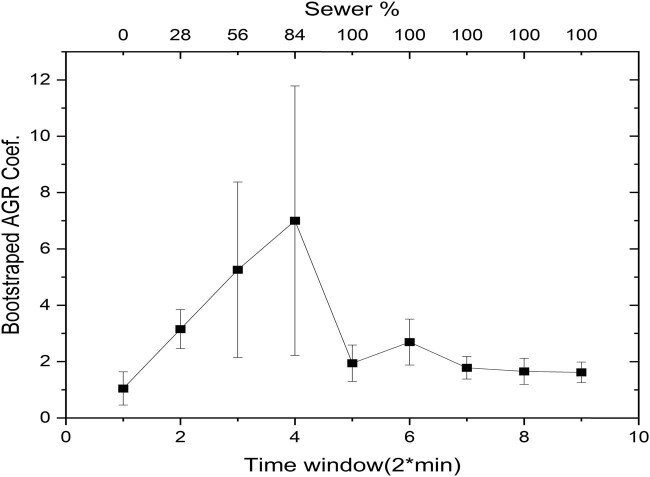 Figure 9
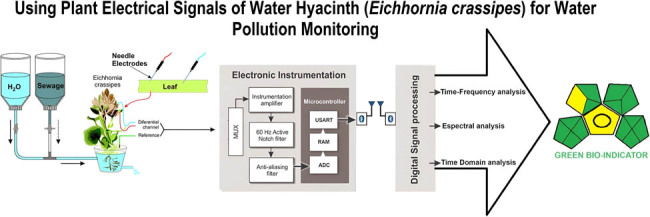 Figure 13
Peer Reviews
No public reviews on file for this paper yet. If you reviewed it on a platform where reviews are public (OpenReview, ICLR, NeurIPS, ICML), you can paste yours below so the community can read it here.
Videos
No videos yet. Explain this paper in a talk, walkthrough, or lecture? Add one.
Taxonomy
TopicsPlant and Biological Electrophysiology Studies