Experimental and Numerical Study of Laser Beam Welding of PBT-G30 for Electronic Housings in Automotive Applications
Luiz R. R. Silva, Paulo D. P. Nunes, Eduardo A. S. Marques, Ricardo J. C. Carbas, Lucas F. M. da Silva

TL;DR
This study explores laser welding techniques for joining plastic parts in automotive electronics, finding that a specific joint design significantly improves strength.
Contribution
The study introduces a validated numerical model for predicting laser welding performance in complex joint configurations used in automotive applications.
Findings
Butt-overlap joints showed 85% higher strength compared to purely overlapping joints.
The numerical model accurately predicted experimental results, including displacement and force values.
Minor deviations in model predictions were within the average experimental values and standard deviation.
Abstract
This study investigates the application of laser spot welding to join protective housing components in the automotive electronics industry. The PBT GF 30 components were joined using two primary configurations: a purely overlapping joint and a top-overlap joint, both autogenous (i.e., without filler material). To complement the experimental analysis, a numerical model, previously validated for a simpler joint configuration, was adapted and applied to configurations beyond the overlapping and top-overlap joint, more representative of practical automotive industry components. The results demonstrated that butt-overlap joints exhibited significantly higher strength (85% increase) than purely overlapping joints. This enhancement is attributed to the combined effect of normal and shear stresses in the top-overlap configuration, whereas purely overlapping joints rely solely on shear stress.…
Genes, proteins, chemicals, diseases, species, mutations and cell lines named across the full text — each resolved to its canonical identifier and authoritative record.
Click any figure to enlarge with its caption.
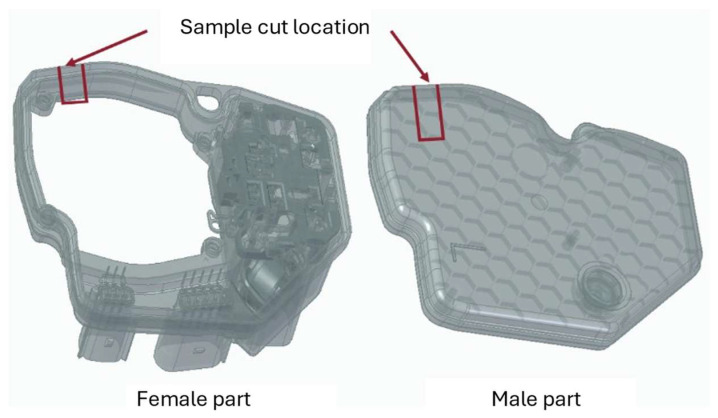 Figure 1
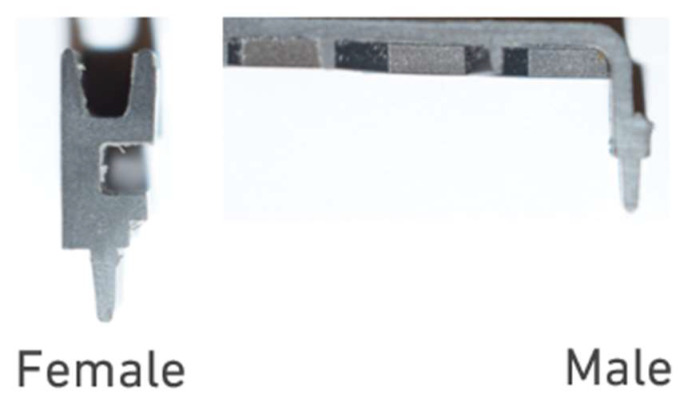 Figure 2
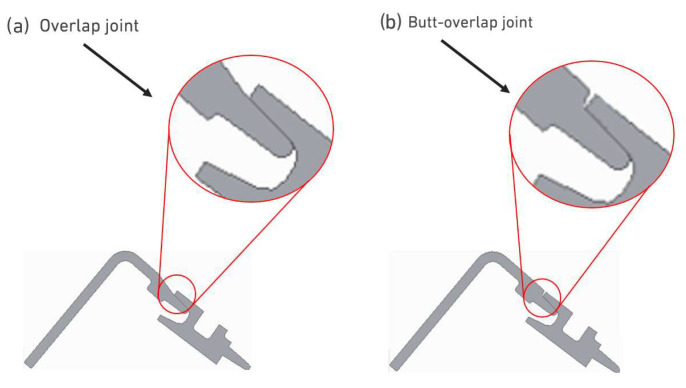 Figure 3
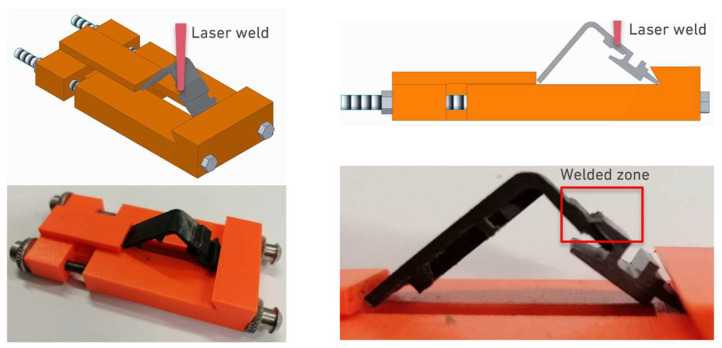 Figure 4
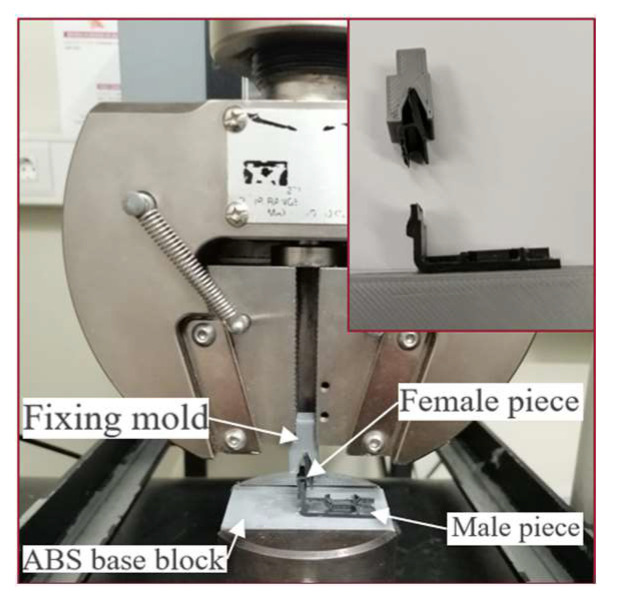 Figure 5
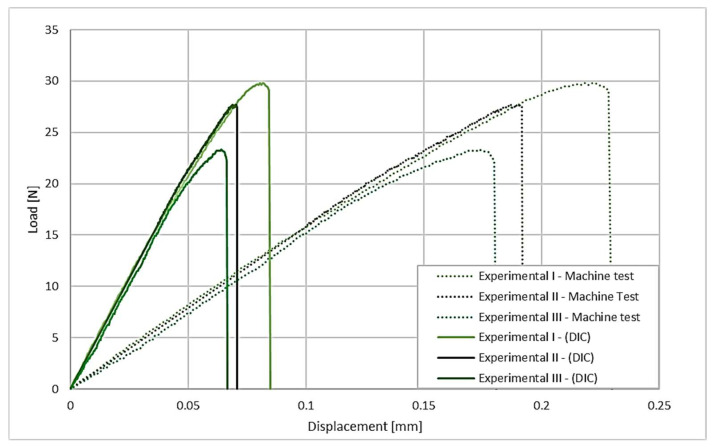 Figure 6
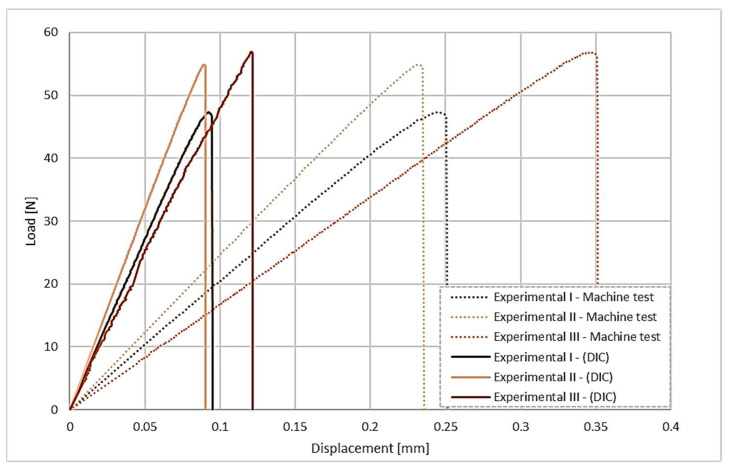 Figure 7
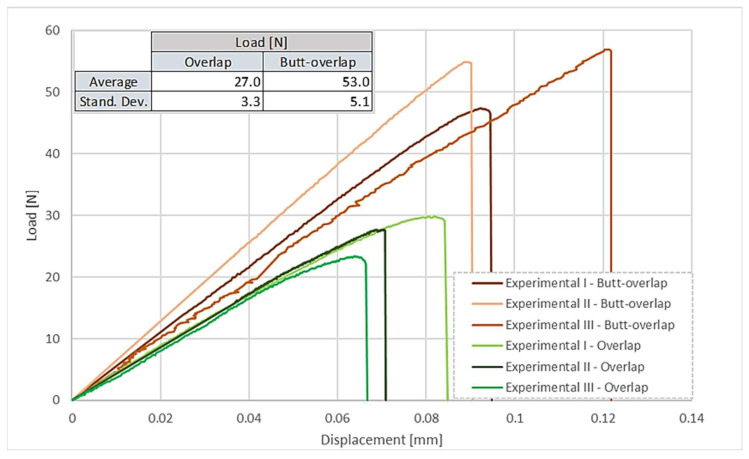 Figure 8
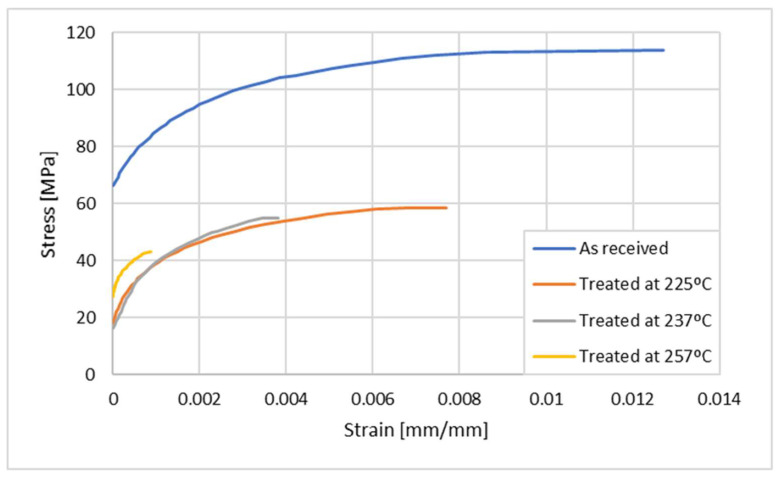 Figure 9
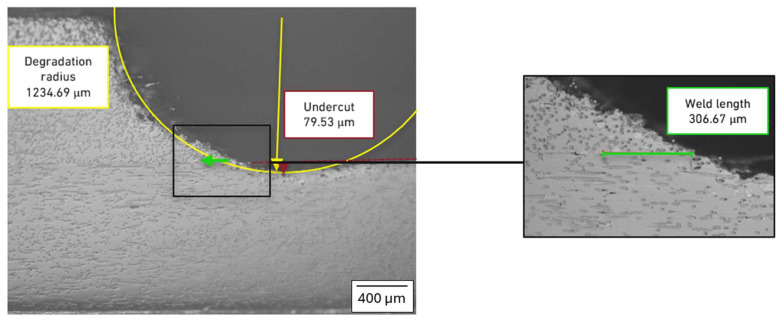 Figure 10
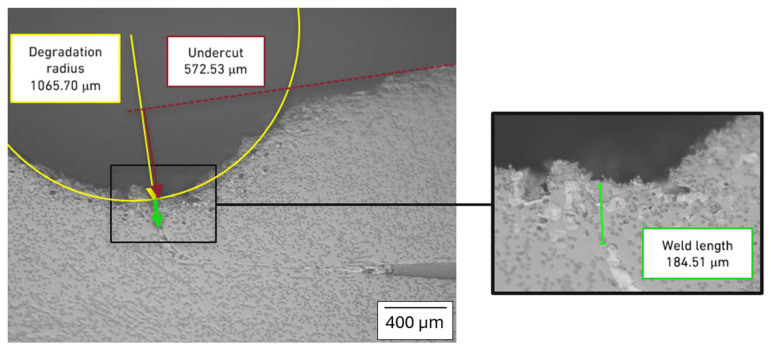 Figure 11
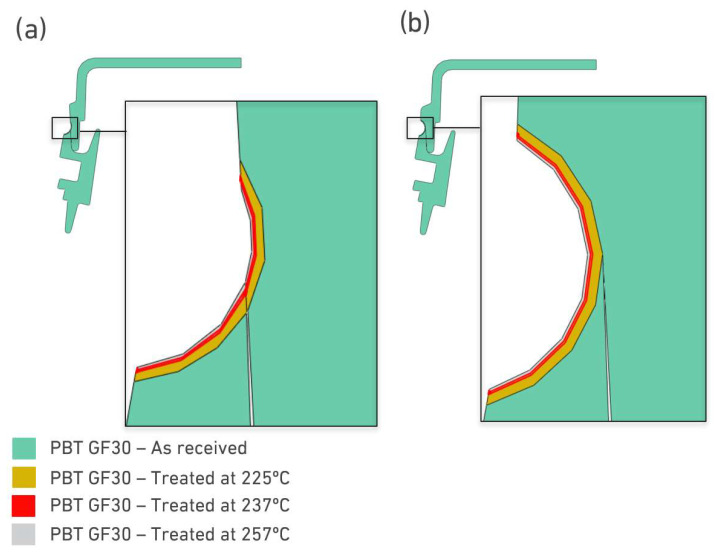 Figure 12
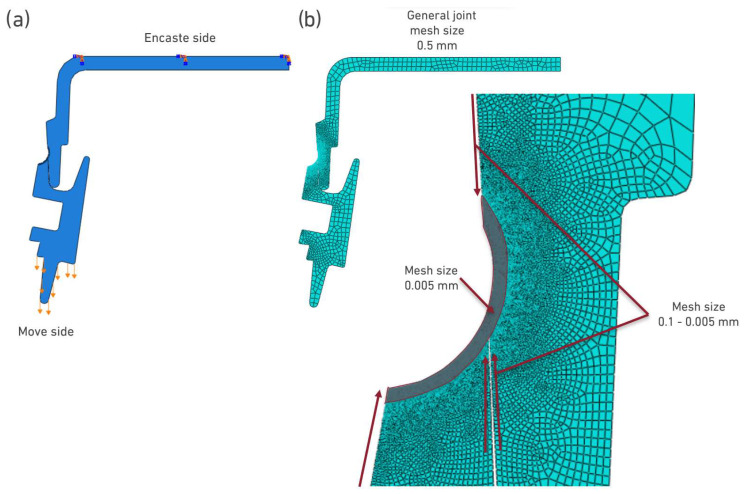 Figure 13
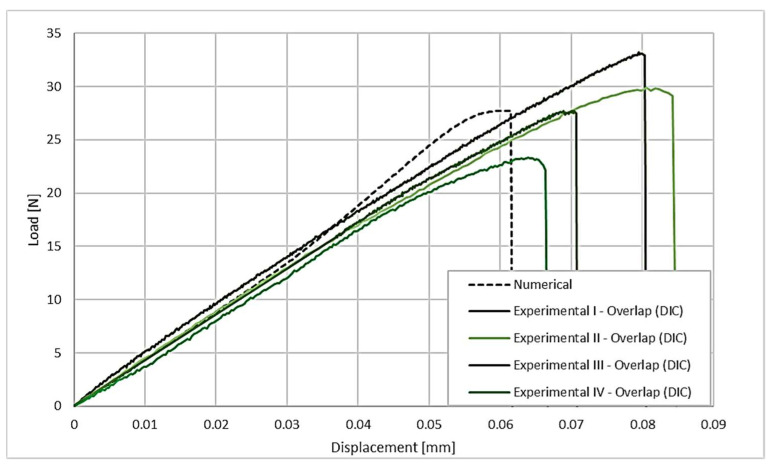 Figure 14
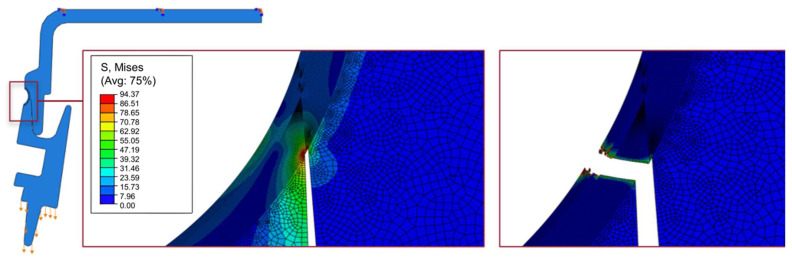 Figure 15
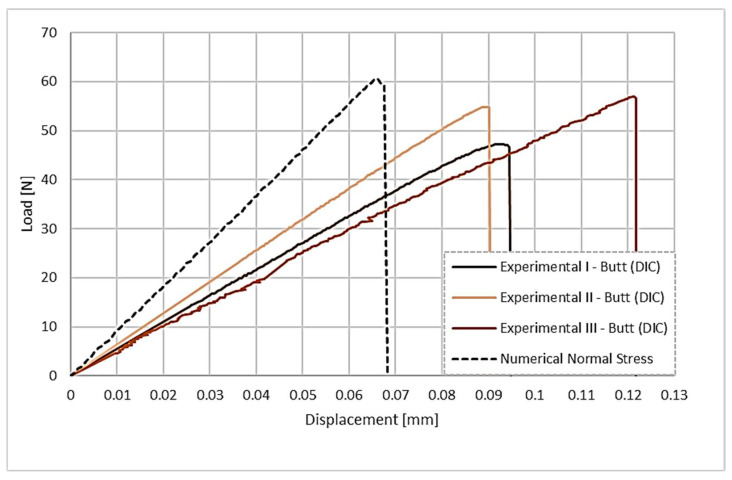 Figure 16
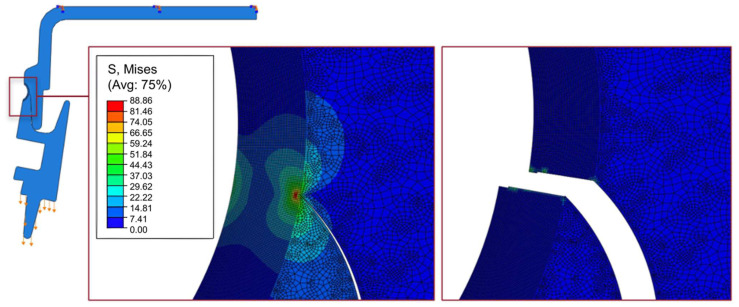 Figure 17
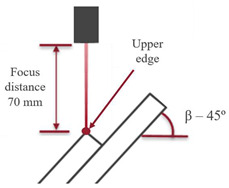 Figure 18
Peer Reviews
No public reviews on file for this paper yet. If you reviewed it on a platform where reviews are public (OpenReview, ICLR, NeurIPS, ICML), you can paste yours below so the community can read it here.
Videos
No videos yet. Explain this paper in a talk, walkthrough, or lecture? Add one.
Taxonomy
TopicsMechanical Behavior of Composites · Welding Techniques and Residual Stresses · Structural Load-Bearing Analysis