A Comparison of High-Impulse and Direct-Current Magnetron Sputtering Processes for the Formation of Effective Bactericidal Oxide Coatings on Polymer Substrates
Joanna Kacprzyńska-Gołacka, Piotr Wieciński, Bogusława Adamczyk-Cieślak, Sylwia Sowa, Wioletta Barszcz, Monika Łożyńska, Marek Kalbarczyk, Andrzej Krasiński, Halina Garbacz, Jerzy Smolik

TL;DR
This study compares two sputtering methods for creating bactericidal oxide coatings on polymer and metal substrates, finding that HIPIMS produces coatings with better mechanical and antimicrobial properties.
Contribution
The paper introduces HIPIMS as a superior method for depositing AgO and CuO coatings with enhanced mechanical and antimicrobial performance compared to DCMS.
Findings
HIPIMS-deposited AgO and CuO coatings are thinner, denser, and harder than those from DCMS.
HIPIMS coatings show 50% higher hardness for AgO and 24% for CuO compared to DCMS coatings.
Both HIPIMS and DCMS coatings achieve 100% bacterial viability reduction and hydrophobic properties.
Abstract
In this paper, silver oxide (AgO) and copper oxide (CuO) coatings are placed on a single sputtering target with the direct-current magnetron sputtering (DCMS) and high-power impulse magnetron sputtering (HIPIMS) methods. All the tested coatings are obtained in a reactive process using a metallic target made by the Kurt Lesker company. The investigated coatings are deposited at room temperature on substrates made of pure iron (ARMCO) and polypropylene (PP) without substrate polarization. The deposition time for all the coatings is the same. The results of SEM and TEM investigations clearly show that using the HIPIMS method for the deposition of AgO and CuO coatings reduces their thickness and increases their structure density. Coatings produced with the HIPIMS method are characterized by a higher hardness and Young’s modulus. The value of hardness for AgO and CuO coatings deposited by…
Genes, proteins, chemicals, diseases, species, mutations and cell lines named across the full text — each resolved to its canonical identifier and authoritative record.
Click any figure to enlarge with its caption.
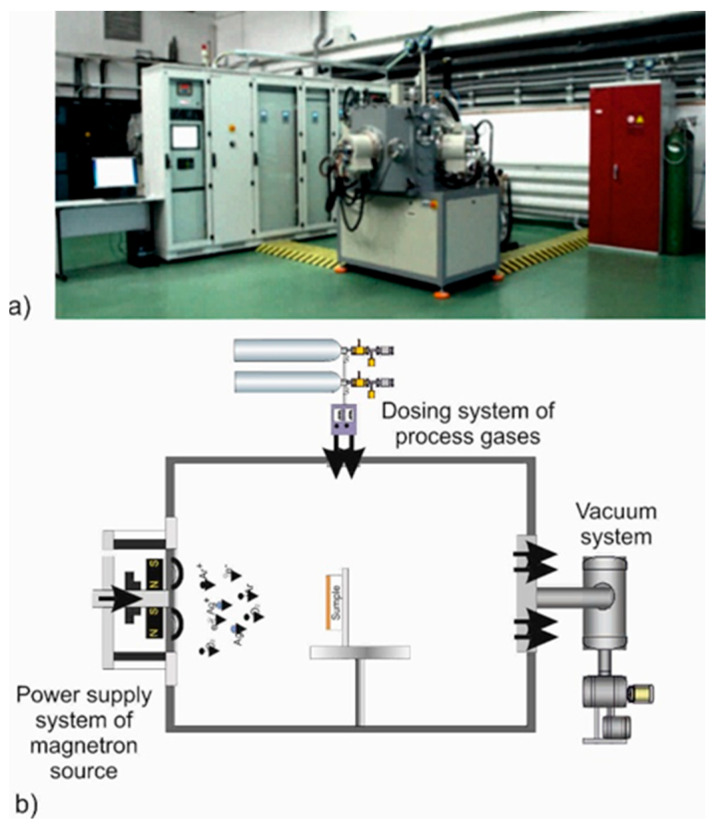 Figure 1
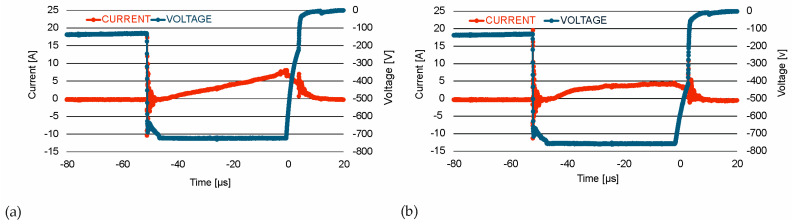 Figure 2
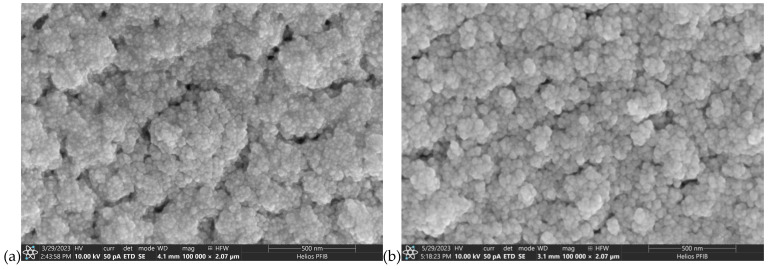 Figure 3
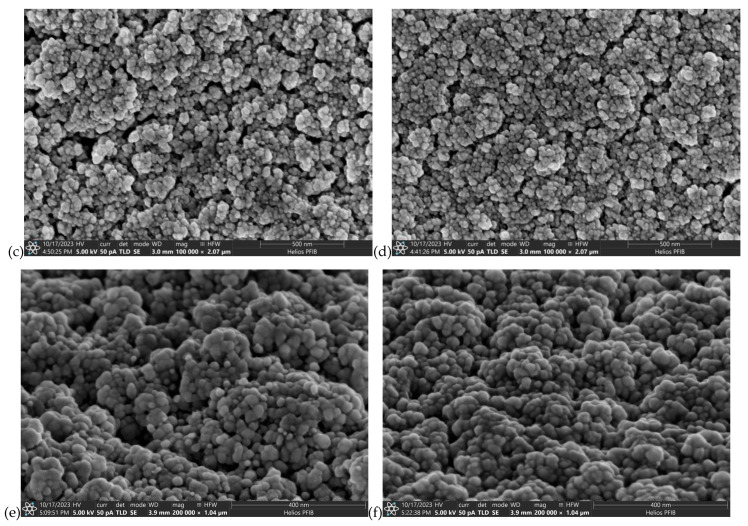 Figure 4
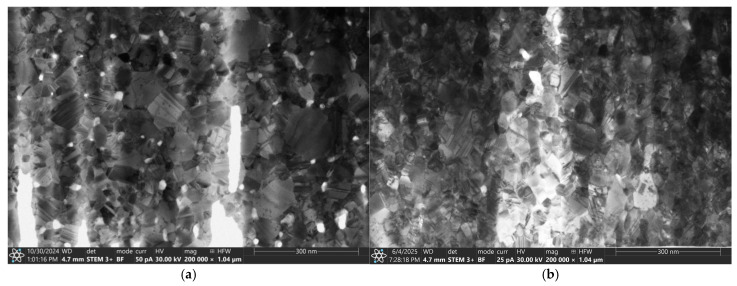 Figure 5
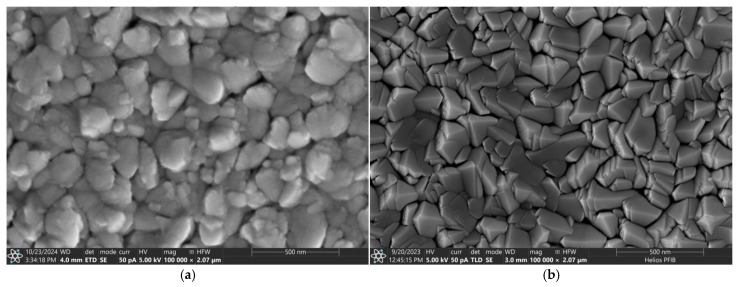 Figure 6
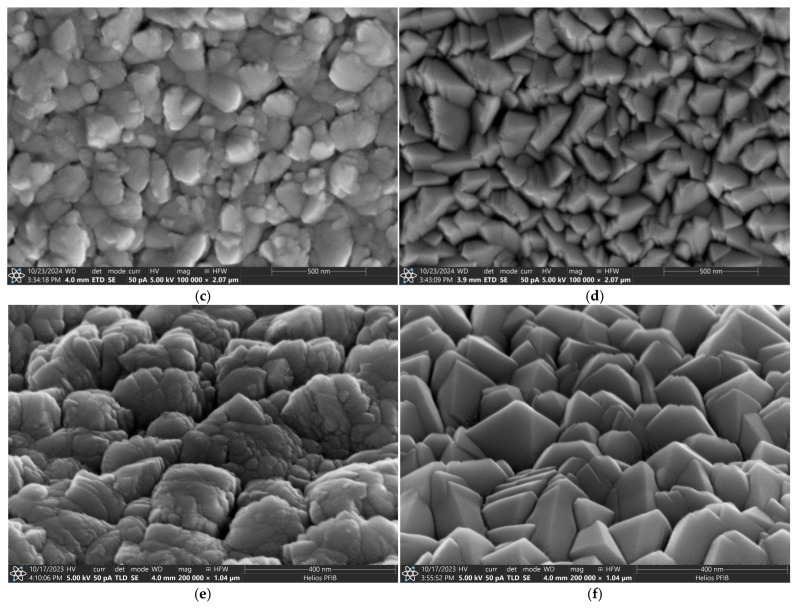 Figure 7
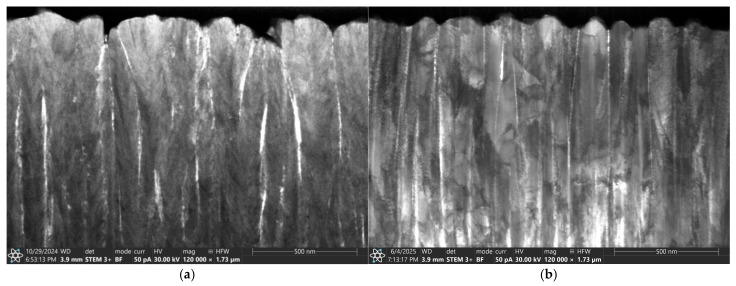 Figure 8
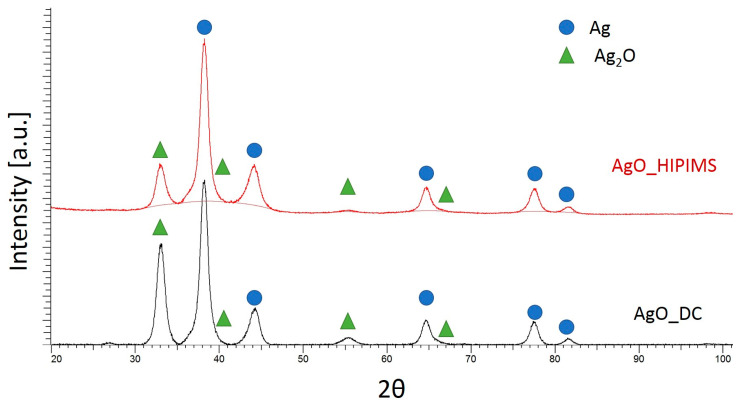 Figure 9
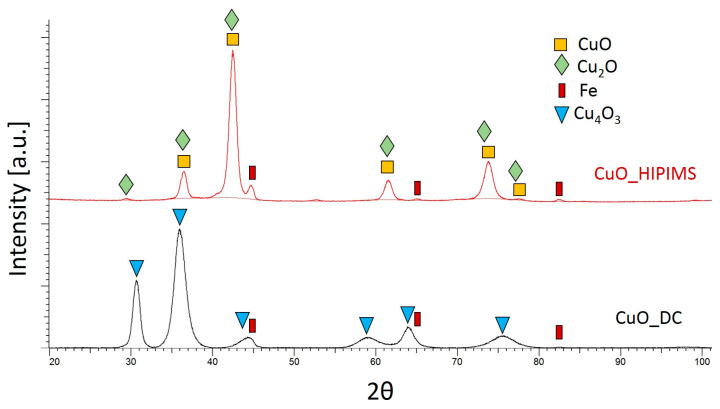 Figure 10
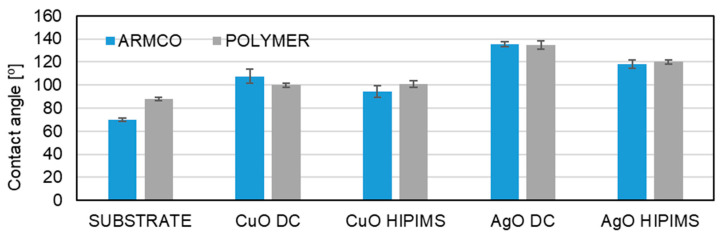 Figure 11
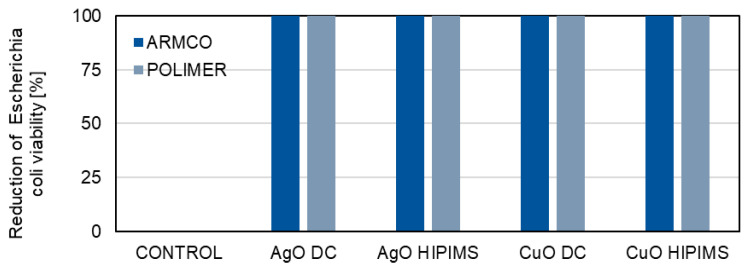 Figure 12
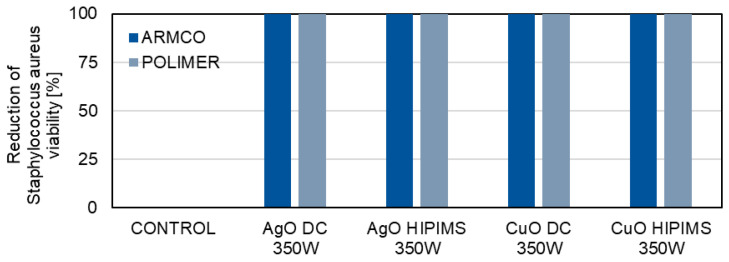 Figure 13
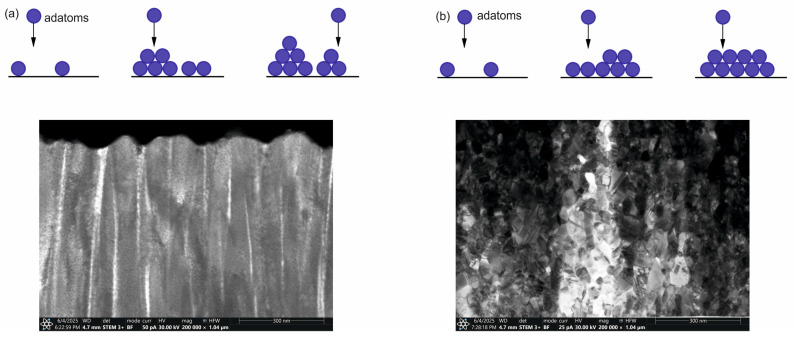 Figure 14
Peer Reviews
No public reviews on file for this paper yet. If you reviewed it on a platform where reviews are public (OpenReview, ICLR, NeurIPS, ICML), you can paste yours below so the community can read it here.
Videos
No videos yet. Explain this paper in a talk, walkthrough, or lecture? Add one.
Taxonomy
TopicsMetal and Thin Film Mechanics · Nanoparticles: synthesis and applications · Corrosion Behavior and Inhibition