The Biologically Active Compounds in Fruits of Cultivated Varieties and Wild Species of Apples
Alexander A. Shishparenok, Anastasiya N. Shishparenok, Heather A. Harr, Valentina A. Gulidova, Eugene A. Rogozhin, Alexander M. Markin

TL;DR
Wild apples contain significantly more health-promoting compounds than cultivated ones, offering greater health benefits at lower consumption levels.
Contribution
The study identifies wild apple species as potential sources for enhancing the bioactive content of cultivated apples through breeding.
Findings
Wild apples have higher concentrations of phenolic compounds and organic acids than cultivated varieties.
Less than 50 g of wild apple provides physiologically relevant amounts of several polyphenols.
Cultivated apples only meet effective intake levels for chlorogenic acid at average consumption.
Abstract
Insufficient fruit intake is a major contributor to the development of non-communicable diseases, as the global average of daily fruit consumption remains far below the recommended levels. Apples are among the most widely consumed fruits worldwide, making them an ideal target for nutritional enhancement. Enhancing the content of health-promoting compounds within apples offers a practical way to increase bioactive intake without requiring major dietary changes. This review evaluates which of the 41 biologically active compounds considered in this article can reach physiologically relevant intake levels at the current average daily consumption of cultivated and wild apples. Comparative analysis shows that wild apples consistently contain higher concentrations of phenolic compounds and organic acids than cultivated varieties, in some cases by more than tenfold. At the average daily fruit…
Genes, proteins, chemicals, diseases, species, mutations and cell lines named across the full text — each resolved to its canonical identifier and authoritative record.
Click any figure to enlarge with its caption.
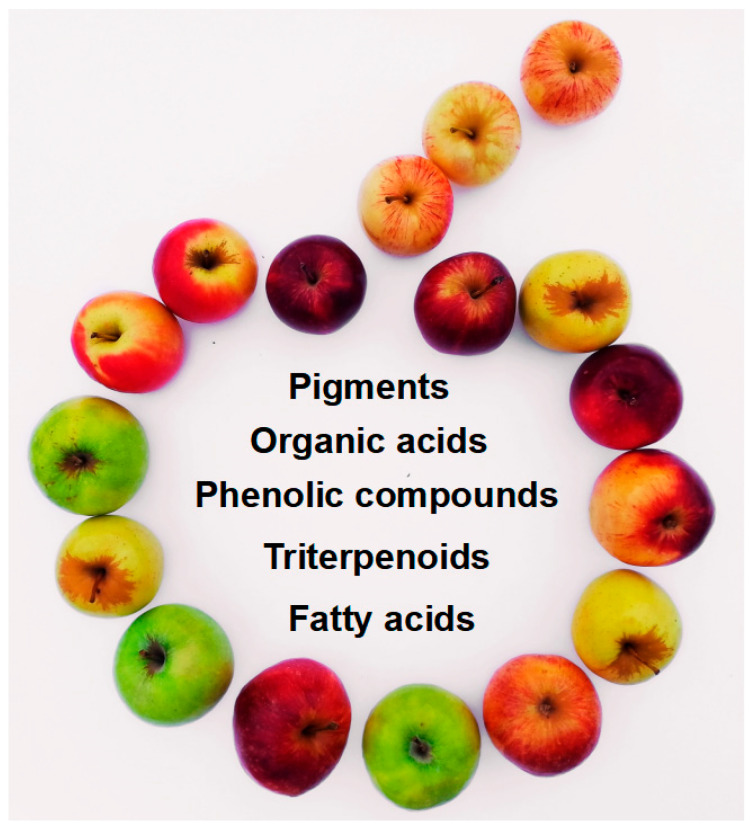 Figure 1
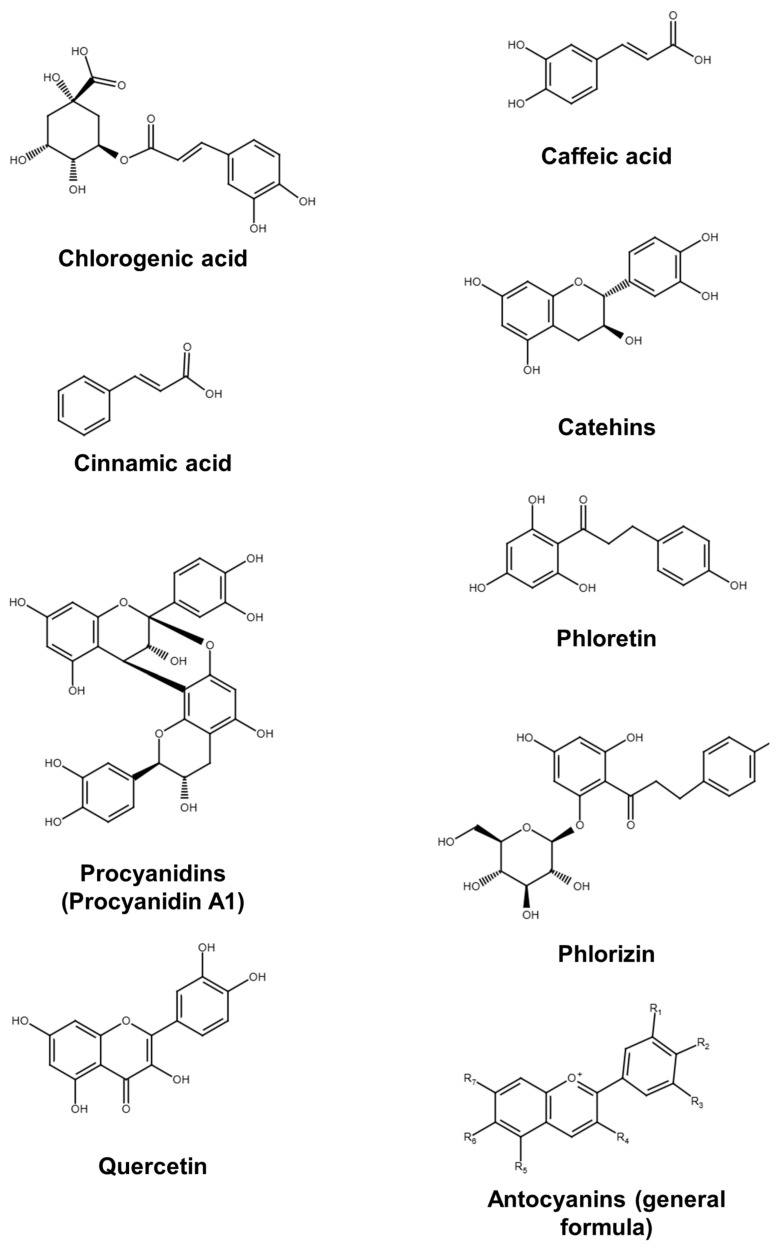 Figure 2
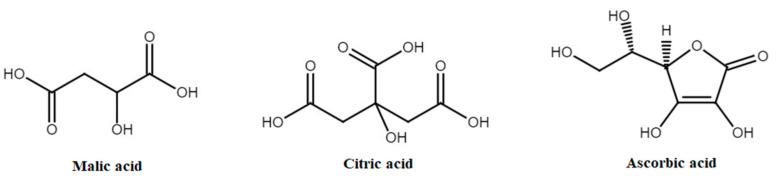 Figure 3
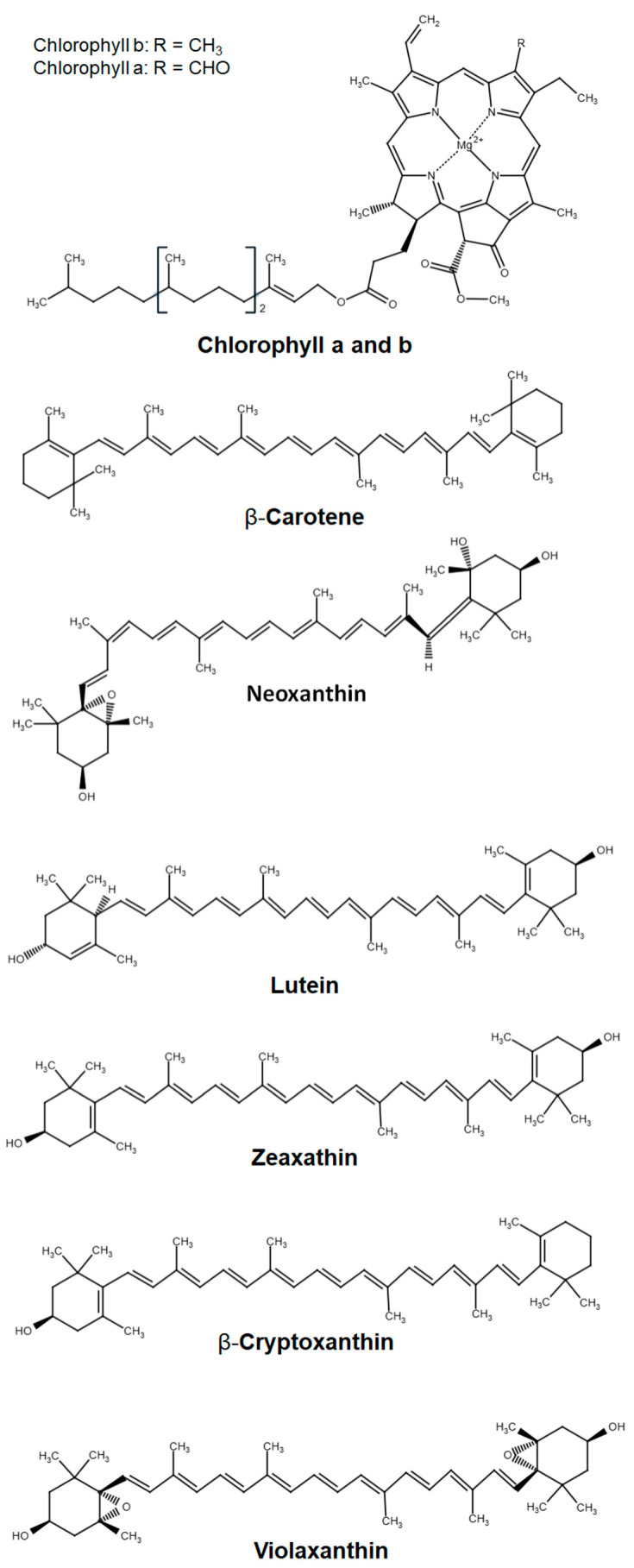 Figure 4
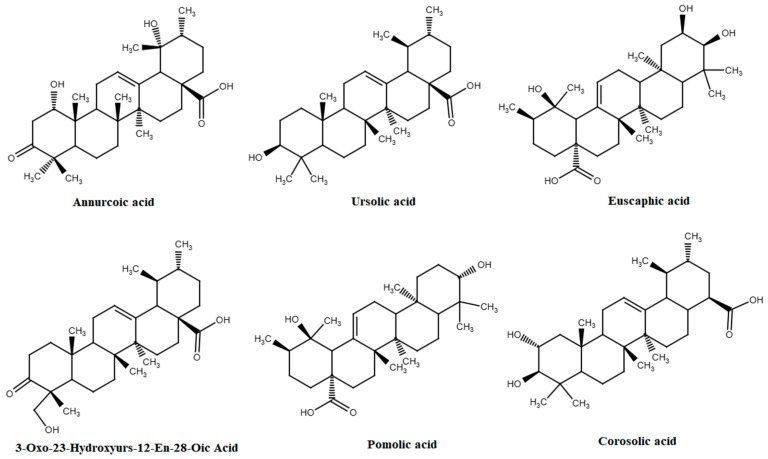 Figure 5
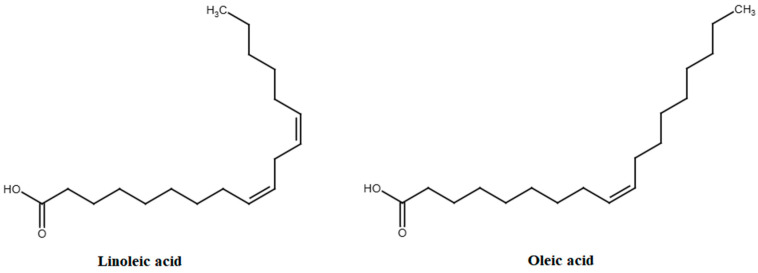 Figure 6
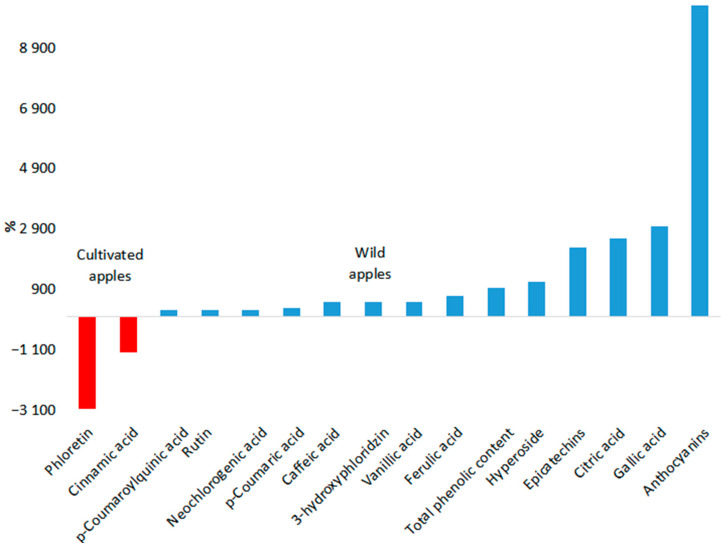 Figure 7
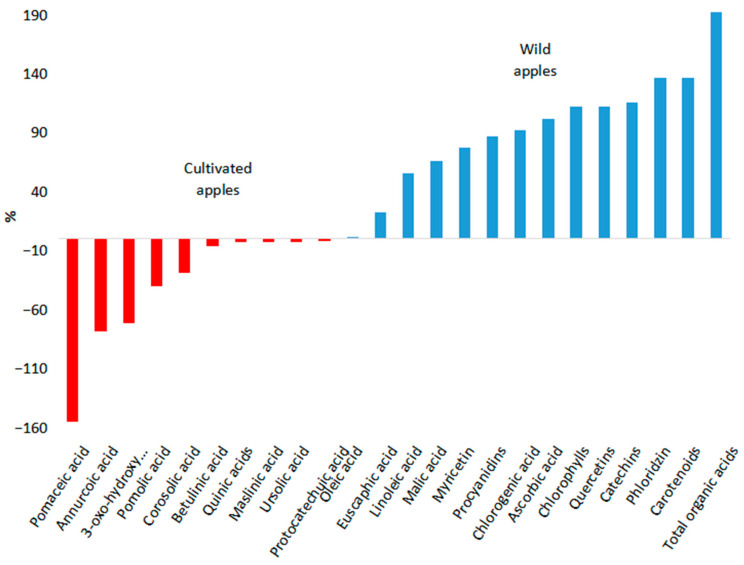 Figure 8
Peer Reviews
No public reviews on file for this paper yet. If you reviewed it on a platform where reviews are public (OpenReview, ICLR, NeurIPS, ICML), you can paste yours below so the community can read it here.
Videos
No videos yet. Explain this paper in a talk, walkthrough, or lecture? Add one.
Taxonomy
TopicsPhytochemicals and Antioxidant Activities · Horticultural and Viticultural Research · Plant Physiology and Cultivation Studies