Developing Up-Scale Allogeneic Chondrocyte Therapies Using Juvenile Donor Cartilage
Charlotte H. Hulme, Jade Perry, Helen S. McCarthy, Tian Lan, Thavisha Ranasinghe, Nigel Kiely, Robert Freeman, Jonathan Wright, Karina T. Wright

TL;DR
This study explores using juvenile donor cartilage to develop scalable allogeneic chondrocyte therapies for cartilage repair.
Contribution
The study is the first to investigate juvenile chondrocyte expansion in a GMP-compliant bioreactor for allogeneic therapies.
Findings
Juvenile chondrocytes from polydactyly and iliac apophysis sources showed similar cell yields and chondrogenic potential.
Quantum® bioreactor expansion preserved chondrocyte function but resulted in slower growth compared to traditional methods.
Both sources expressed key chondrocyte markers and retained the ability to form glycosaminoglycans.
Abstract
Allogeneic chondrocyte therapies present an attractive alternative to existing autologous therapies for the repair of cartilage defects, enabling the selection of optimal donor cells and streamlined manufacturing processes. This study investigates the potential of juvenile chondrocytes derived from human infantile (aged 0–4 y) polydactyly digits and the iliac apophysis for cartilage repair using Good Manufacturing Practice bioreactor expansion. Iliac apophysis (n = 4) and polydactyly tissues (n = 4) were assessed histologically. Chondrocytes were isolated enzymatically and cultured using standard tissue culture plastic (TCP) methodology. Upon sufficient cell expansion, chondrocytes were seeded into the Quantum® bioreactor system or onto TCP (±vitronectin coating). The manufactured chondrocytes growth rates, total cell yields, chondrogenic pellet forming capacity (GAG/DNA, histology),…
Genes, proteins, chemicals, diseases, species, mutations and cell lines named across the full text — each resolved to its canonical identifier and authoritative record.
Click any figure to enlarge with its caption.
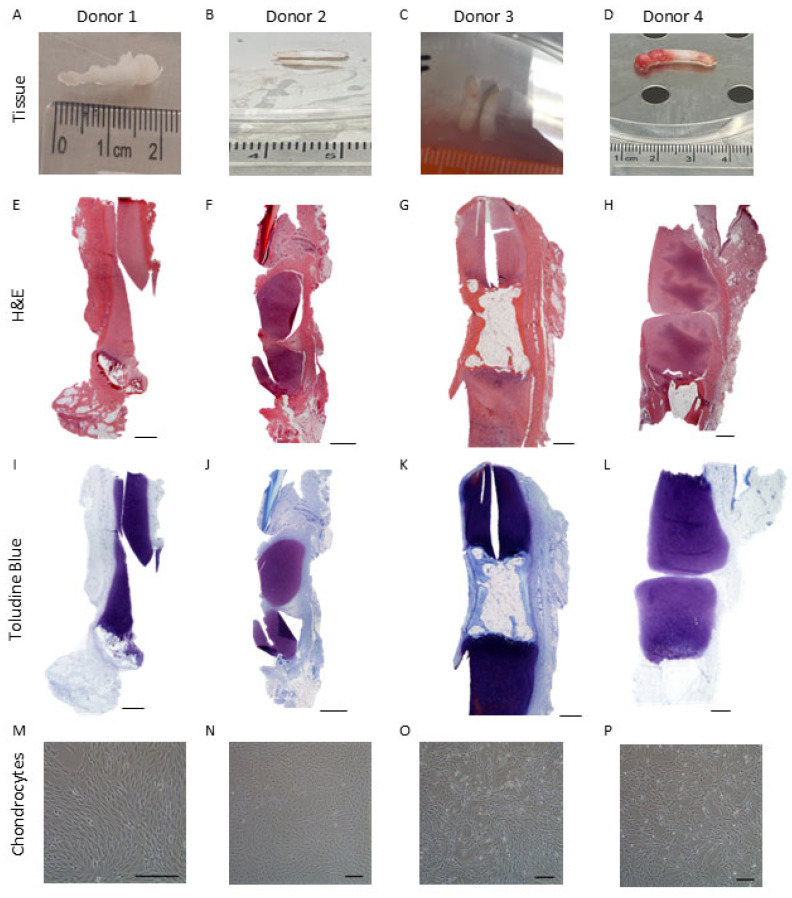 Figure 1
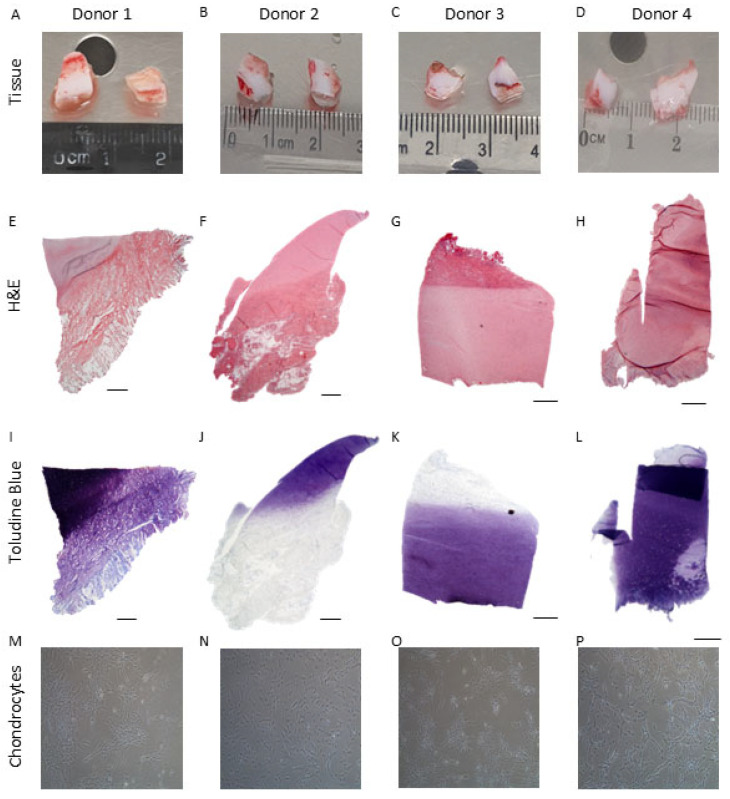 Figure 2
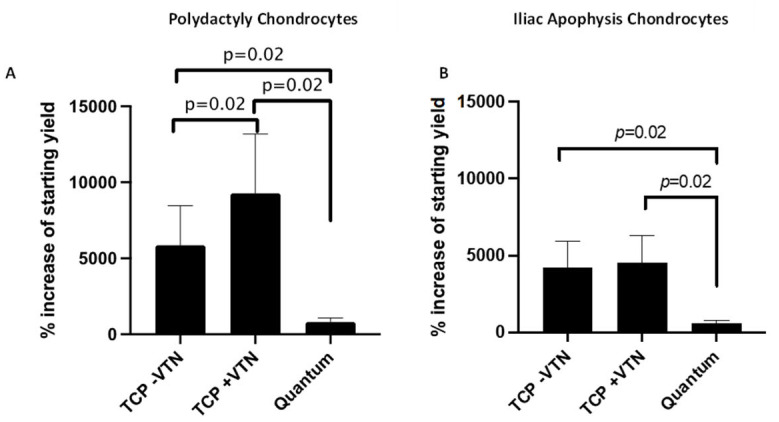 Figure 3
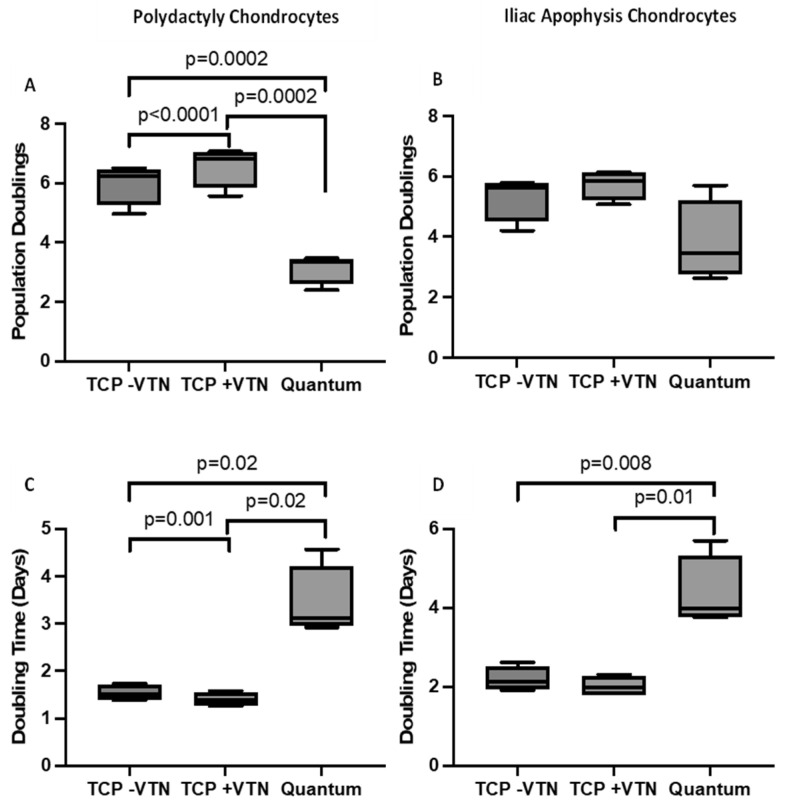 Figure 4
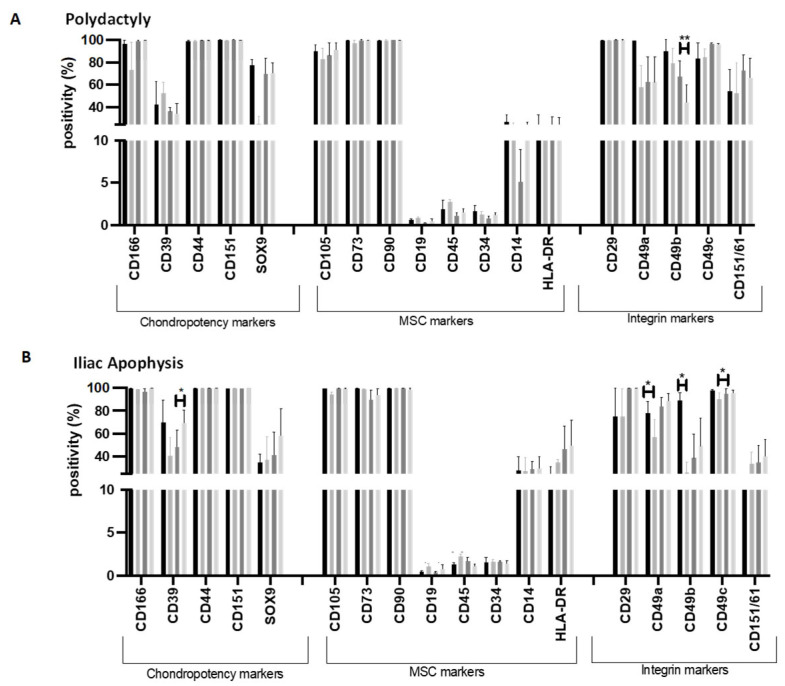 Figure 5
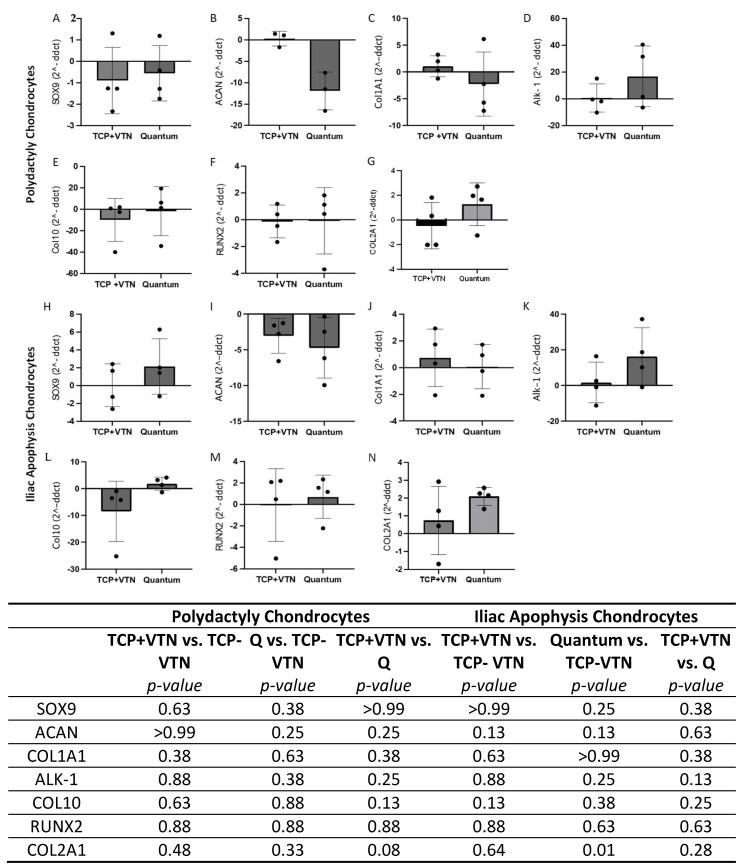 Figure 6
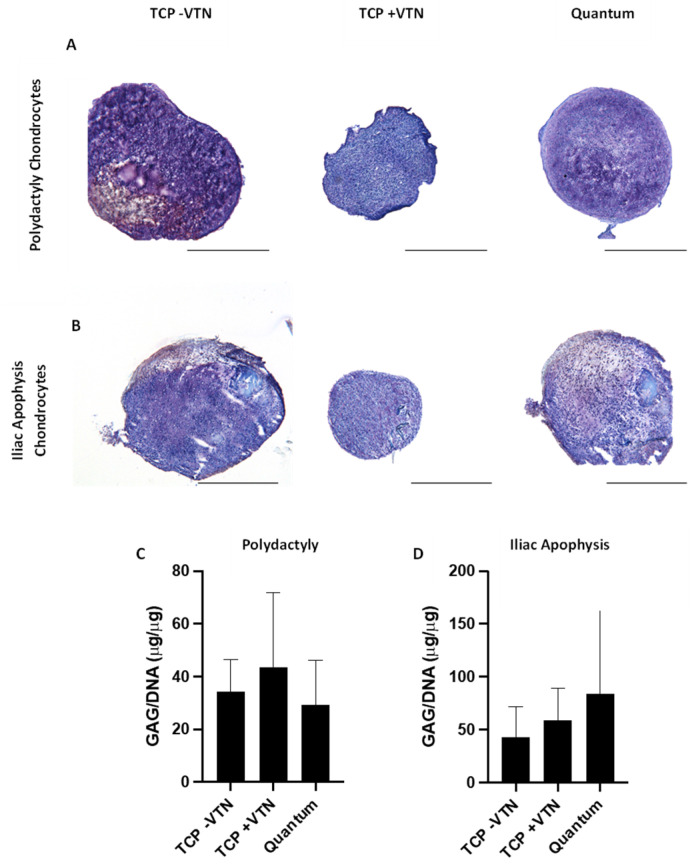 Figure 7
Peer Reviews
No public reviews on file for this paper yet. If you reviewed it on a platform where reviews are public (OpenReview, ICLR, NeurIPS, ICML), you can paste yours below so the community can read it here.
Videos
No videos yet. Explain this paper in a talk, walkthrough, or lecture? Add one.
Taxonomy
TopicsOsteoarthritis Treatment and Mechanisms · RNA Interference and Gene Delivery · Cancer-related molecular mechanisms research