To scale or not to scale? Re-engineering biorefining for a more sustainable and circular future
Ahmad B. Ghanayem

TL;DR
The paper discusses how sustainable biorefining needs a comprehensive approach to move from lab experiments to real-world applications.
Contribution
The novelty lies in emphasizing a holistic process-level strategy combining techno-economic and life-cycle assessments for biorefining.
Findings
Sustainable biorefining needs more than just renewable feedstocks.
A holistic approach is essential for scaling up biorefining innovations.
Abstract
Further to the use of renewable feedstocks, sustainable biorefining requires a holistic process-level approach encompassing techno-economic and life-cycle assessments to help bridge the gap between laboratory innovation and industrial scalability. Further to the use of renewable feedstocks, sustainable biorefining requires a holistic process-level approach encompassing techno-economic and life-cycle assessments to help bridge the gap between laboratory innovation and industrial scalability.
Genes, proteins, chemicals, diseases, species, mutations and cell lines named across the full text — each resolved to its canonical identifier and authoritative record.
Click any figure to enlarge with its caption.
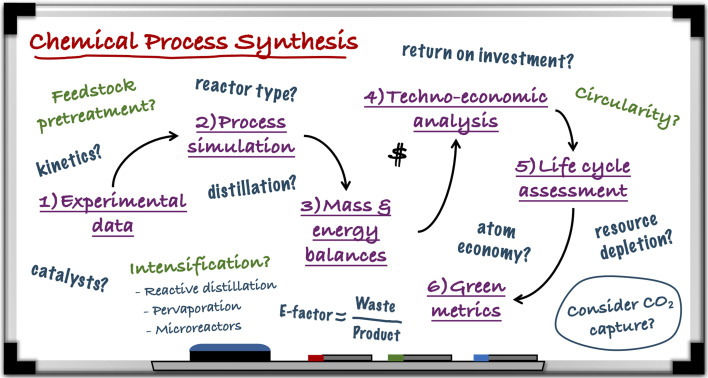 Figure 1
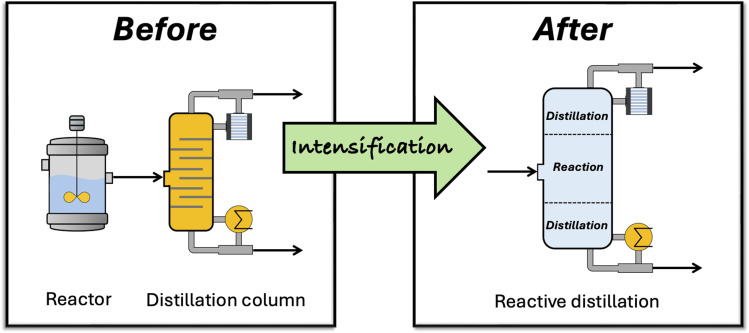 Figure 2
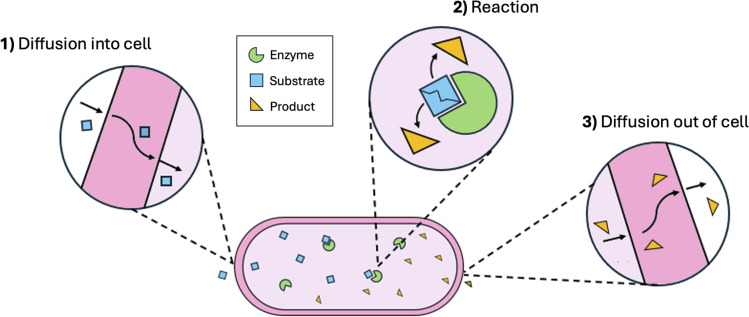 Figure 3
 Figure 4
 Figure 5
Peer Reviews
No public reviews on file for this paper yet. If you reviewed it on a platform where reviews are public (OpenReview, ICLR, NeurIPS, ICML), you can paste yours below so the community can read it here.
Videos
No videos yet. Explain this paper in a talk, walkthrough, or lecture? Add one.
Taxonomy
TopicsBioeconomy and Sustainability Development