Harnessing Pelargonium Odoratissimum Extracts for Sustainable Ground Meat Preservation
Anis Ben Hsouna, Boutheina Ben Akacha, Monika Michalak, Narjes Baazaoui, Wirginia Kukula‐Koch, Wojciech Koch, Rania Ben Saad, Miroslava Kačániová, Stefania Garzoli

TL;DR
This study explores Pelargonium odoratissimum extract as a natural preservative for ground meat, showing it can reduce microbial growth and oxidation while maintaining sensory quality.
Contribution
The study introduces Pelargonium odoratissimum ethyl acetate extract as a novel, sustainable natural preservative for ground meat.
Findings
The extract showed strong antibacterial activity with minimum inhibitory concentrations between 2.5 to 6.25 mg/mL.
It effectively reduced microbial growth and lipid oxidation in ground beef during refrigerated storage.
Sensory evaluation confirmed preserved meat quality in terms of color, odor, and texture.
Abstract
Pelargonium odoratissimum is traditionally recognized for its medicinal properties, yet its potential in food preservation remains underexplored. This study evaluated the phytochemical composition, antioxidant capacity, and antibacterial activity of its solvent extracts, with emphasis on the ethyl acetate fraction. The extract was rich in bioactive compounds, containing 11.84 µg GAE/g of total polyphenols and 3.08 µg QE/g of total flavonoids. Antibacterial testing demonstrated strong inhibitory effects, with minimum inhibitory concentrations ranging from 2.5 to 6.25 mg/mL and minimum bactericidal concentrations between 3.12 and 7.5 mg/mL, confirming bactericidal potential. Antioxidant assessment using the DPPH assay revealed potent radical‐scavenging activity (IC50 = 10.65 µg/mL). When incorporated as a natural preservative in ground beef, the ethyl acetate fraction effectively reduced…
Genes, proteins, chemicals, diseases, species, mutations and cell lines named across the full text — each resolved to its canonical identifier and authoritative record.
Click any figure to enlarge with its caption.
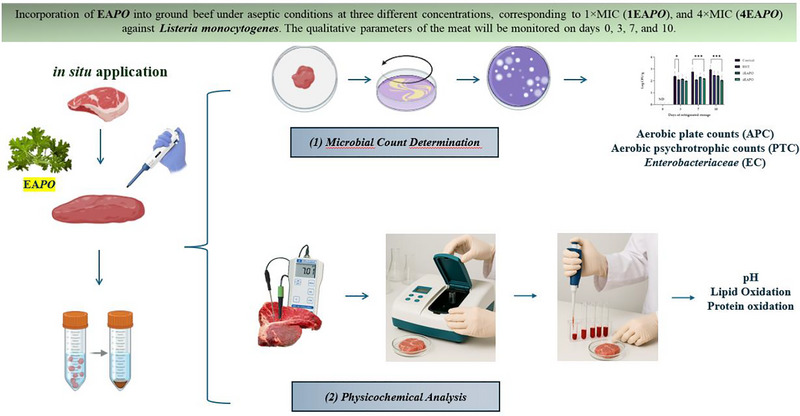 Figure 1
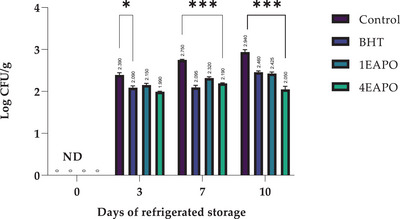 Figure 2
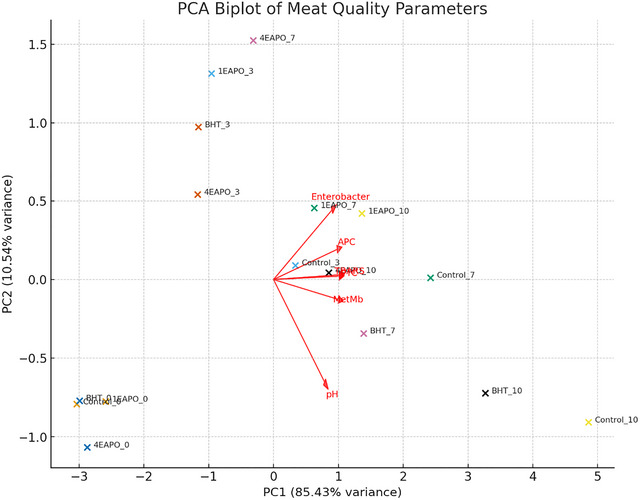 Figure 3
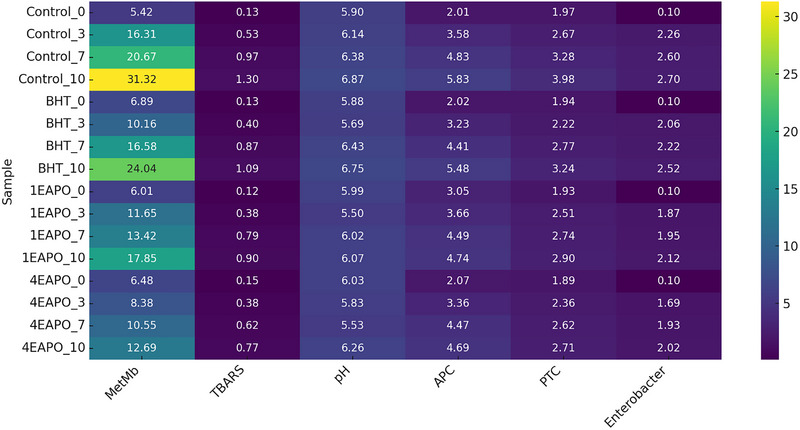 Figure 4
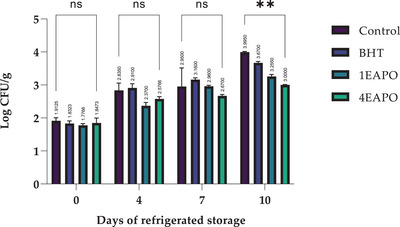 Figure 5
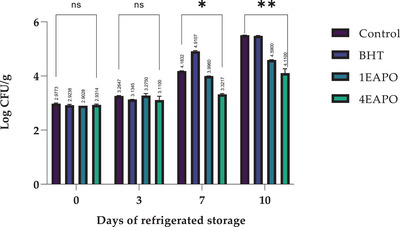 Figure 6
Peer Reviews
No public reviews on file for this paper yet. If you reviewed it on a platform where reviews are public (OpenReview, ICLR, NeurIPS, ICML), you can paste yours below so the community can read it here.
Videos
No videos yet. Explain this paper in a talk, walkthrough, or lecture? Add one.
Taxonomy
TopicsOlfactory and Sensory Function Studies · Essential Oils and Antimicrobial Activity · Biochemical Analysis and Sensing Techniques