The Effects of Chlorella vulgaris on Polycystic Ovary Syndrome in Mice
Yu Sun, Yanan Wang, Jiaojiao Qi, Ruipeng Gao, Suxu Tan, Shuang Wang, Qing Zhang, Xuelin Gong, Shichao Xing, Zhenxia Sha

TL;DR
This study shows that Chlorella vulgaris can reduce PCOS symptoms in mice by balancing hormones, reducing oxidative stress, and improving gut microbiota.
Contribution
The novel contribution is demonstrating Chlorella's therapeutic effects on PCOS through hormonal, oxidative, and microbiota mechanisms in a mouse model.
Findings
Chlorella reduced testosterone and luteinizing hormone levels in PCOS mice.
Chlorella modulated oxidative stress-related genes and improved ovarian function.
Chlorella restored gut microbiota composition disrupted by PCOS.
Abstract
This study aimed to investigate the therapeutic effects of Chlorella on ovarian hormone levels, steroidogenic enzymes, ovarian dysfunction, oxidative stress, and gut microbiota composition in a mouse model of polycystic ovary syndrome (PCOS). A PCOS mouse model was established using dehydroepiandrosterone (DHEA) induction. The effects of Chlorella supplementation were evaluated in vivo to determine its potential for alleviating PCOS‐related symptoms. Chlorella treatment effectively reduced testosterone (T) and luteinizing hormone (LH) levels in mice with PCOS. Additionally, Chlorella modulated the expression of oxidative stress‐related genes and improved ovarian morphology and function. Notably, Chlorella also restored the gut microbiota from PCOS‐associated dysbiosis. Chlorella ameliorated PCOS symptoms by rebalancing ovarian steroid hormones, enhancing antioxidant defense, and…
Genes, proteins, chemicals, diseases, species, mutations and cell lines named across the full text — each resolved to its canonical identifier and authoritative record.
Click any figure to enlarge with its caption.
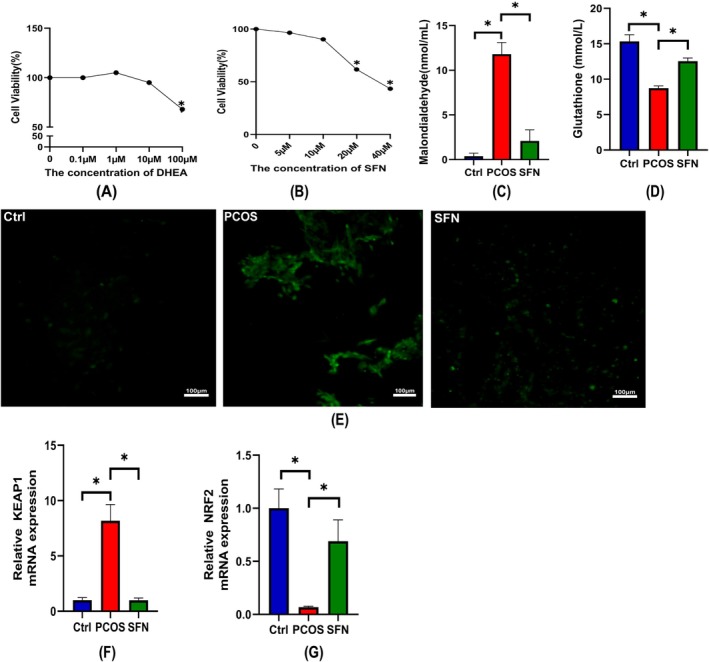 Figure 1
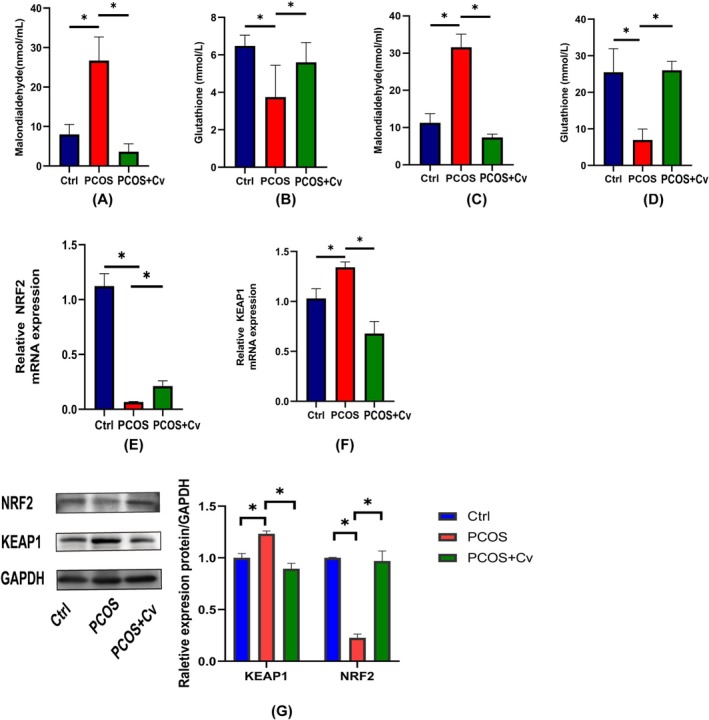 Figure 2
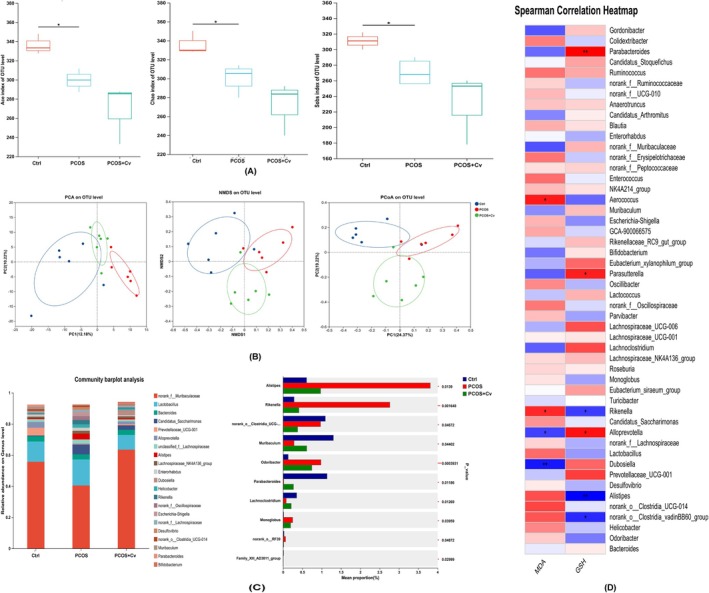 Figure 3
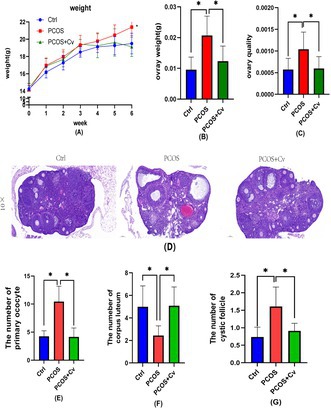 Figure 4
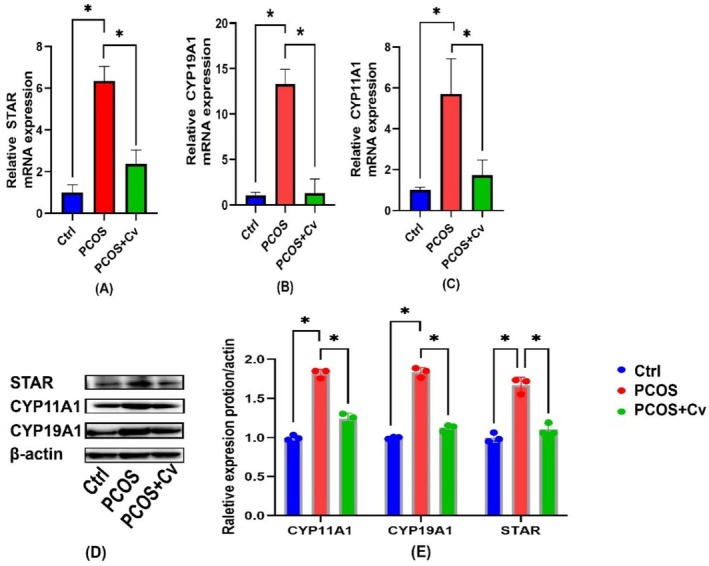 Figure 5
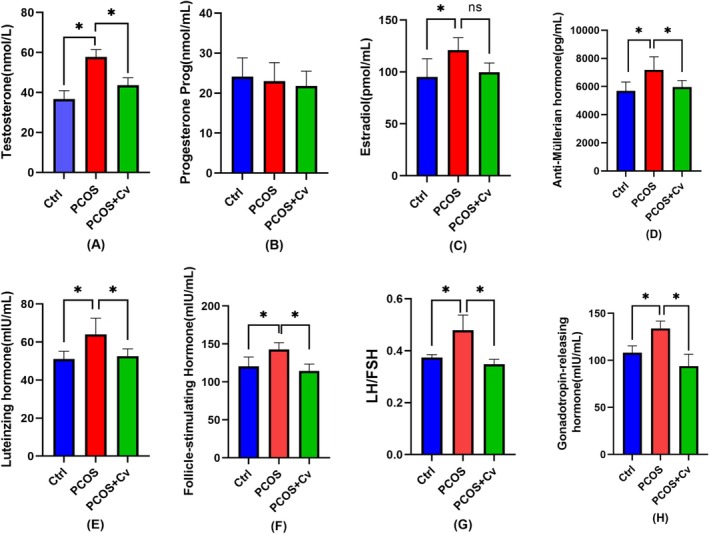 Figure 6
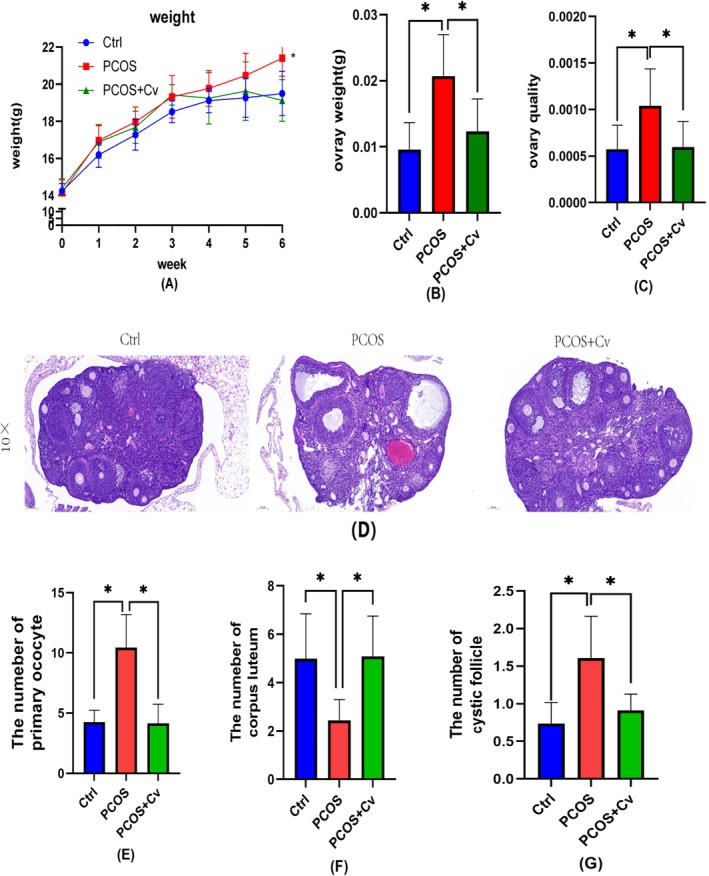 Figure 7
Peer Reviews
No public reviews on file for this paper yet. If you reviewed it on a platform where reviews are public (OpenReview, ICLR, NeurIPS, ICML), you can paste yours below so the community can read it here.
Videos
No videos yet. Explain this paper in a talk, walkthrough, or lecture? Add one.
Taxonomy
TopicsOvarian function and disorders · Reproductive Biology and Fertility · Sperm and Testicular Function