Benign Leydig cell tumor presenting in a solitary testis with cryptorchidism: A case report
Farzad Allameh, Sina Samenezhad, Lena Yaghoubpour, Amirhossein ghasemzade

TL;DR
A rare case of a non-cancerous Leydig cell tumor in a man with a single, undescended testis was successfully treated with surgery that preserved testicular function.
Contribution
This case highlights the effectiveness of testis-sparing surgery for benign Leydig cell tumors in cryptorchid testes.
Findings
A 52-year-old man with a history of cryptorchidism was diagnosed with a benign Leydig cell tumor.
Partial orchiectomy preserved testicular function and ensured no recurrence.
Histopathology and immunohistochemistry confirmed the benign nature of the tumor.
Abstract
Leydig cell tumors (LCTs) are uncommon testicular neoplasms, accounting for 1–3 % of cases. While most are benign, a small subset demonstrates malignant potential, making accurate diagnosis and tailored management essential. We report the case of a 52-year-old man with a history of cryptorchidism and prior orchiectomy who presented with inguinal pain and infertility. Imaging revealed a solitary testis with a small intratesticular lesion. Intraoperative frozen section suggested a Leydig cell tumor, and partial orchiectomy was performed. Final pathology confirmed a benign LCT. The patient remains recurrence-free at follow-up, highlighting the role of testis-sparing surgery in selected cases. •Rare case of benign Leydig cell tumor in a solitary, cryptorchid testis.•Left partial orchiectomy performed with hernia repair and testis repositioning.•Histopathology and immunohistochemistry…
Genes, proteins, chemicals, diseases, species, mutations and cell lines named across the full text — each resolved to its canonical identifier and authoritative record.
Click any figure to enlarge with its caption.
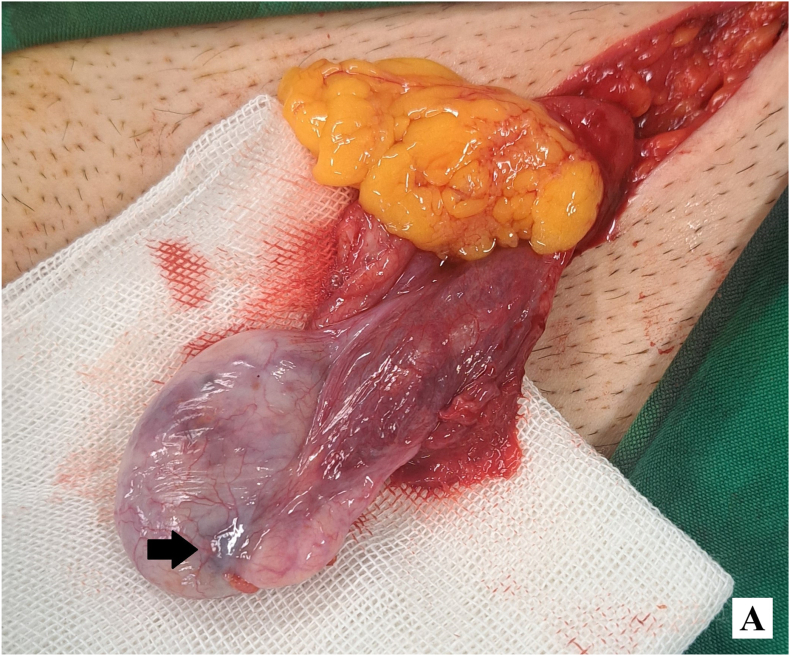 Figure 1
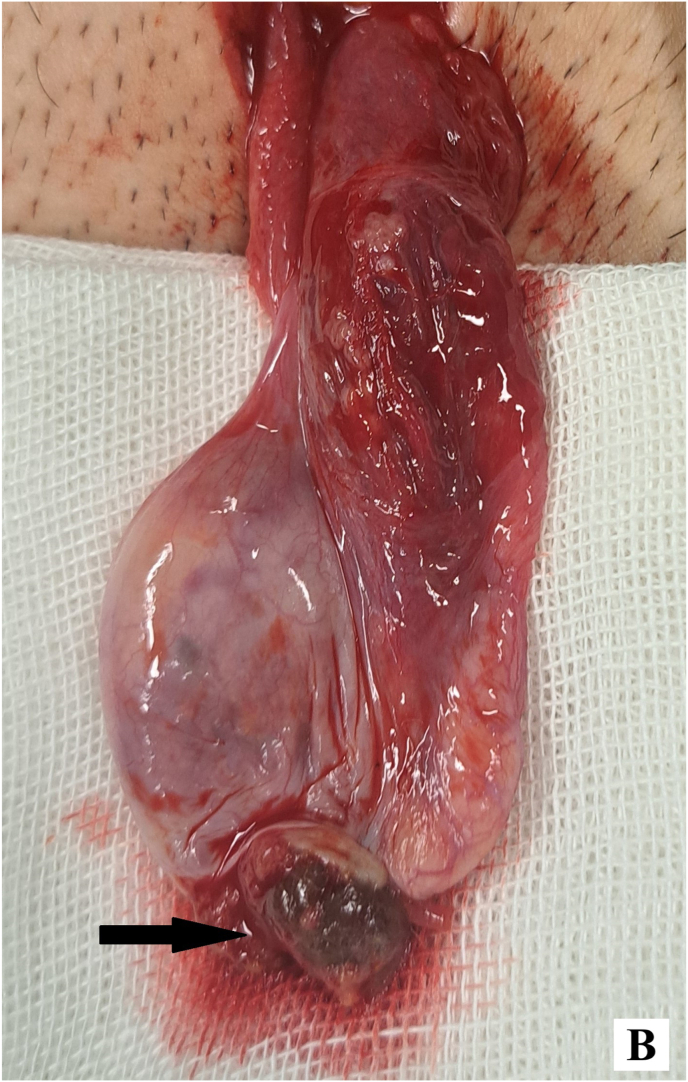 Figure 2
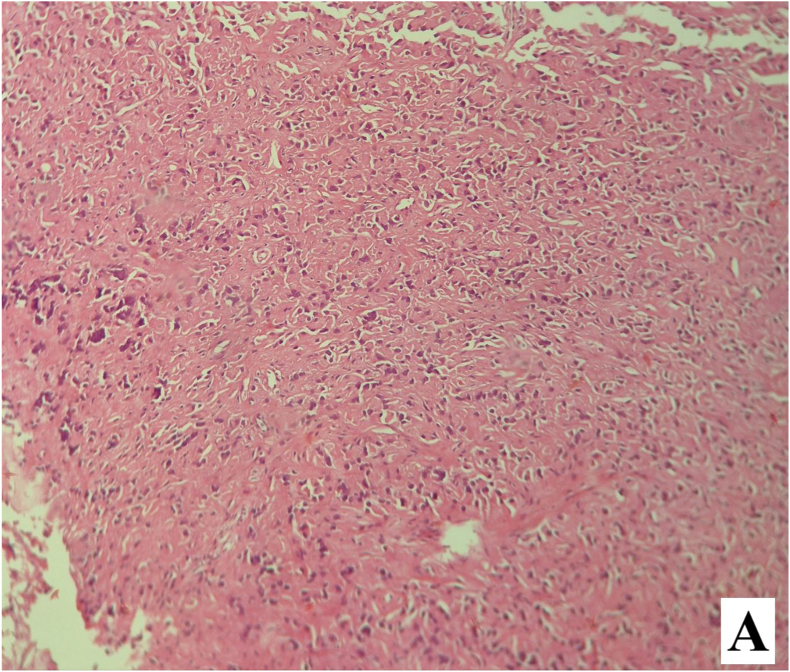 Figure 3
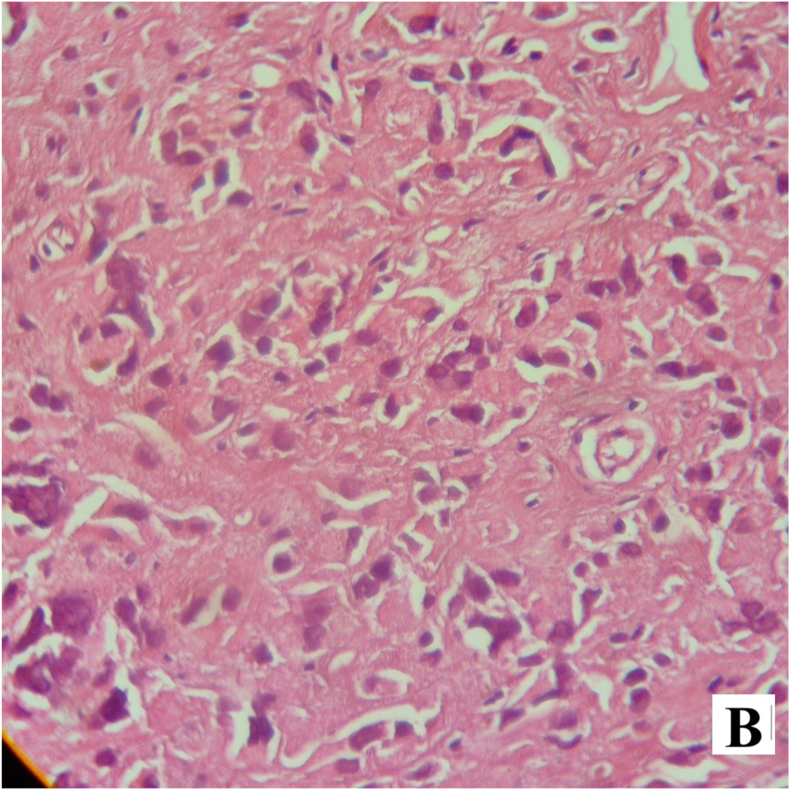 Figure 4
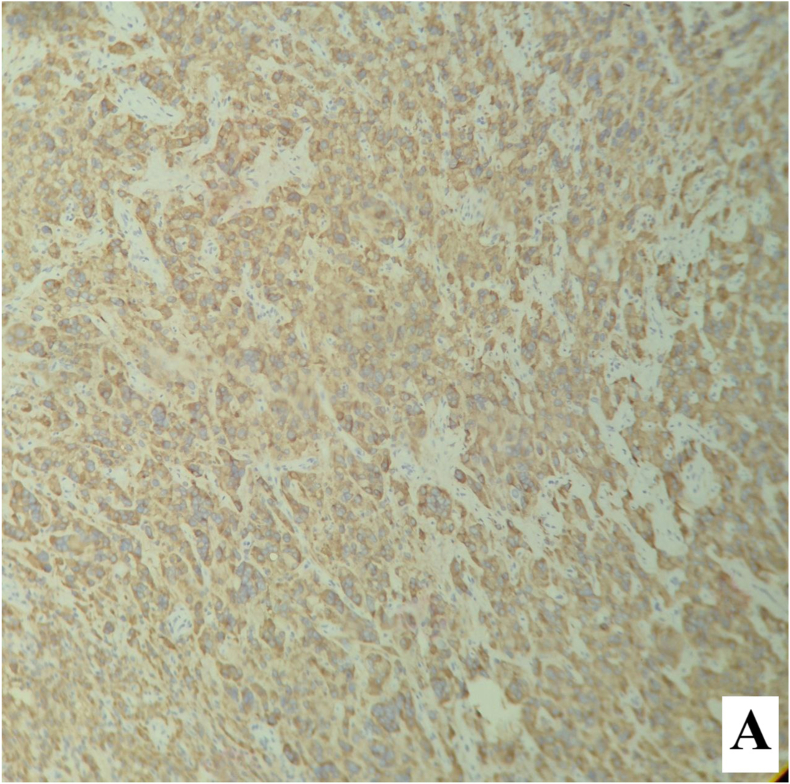 Figure 5
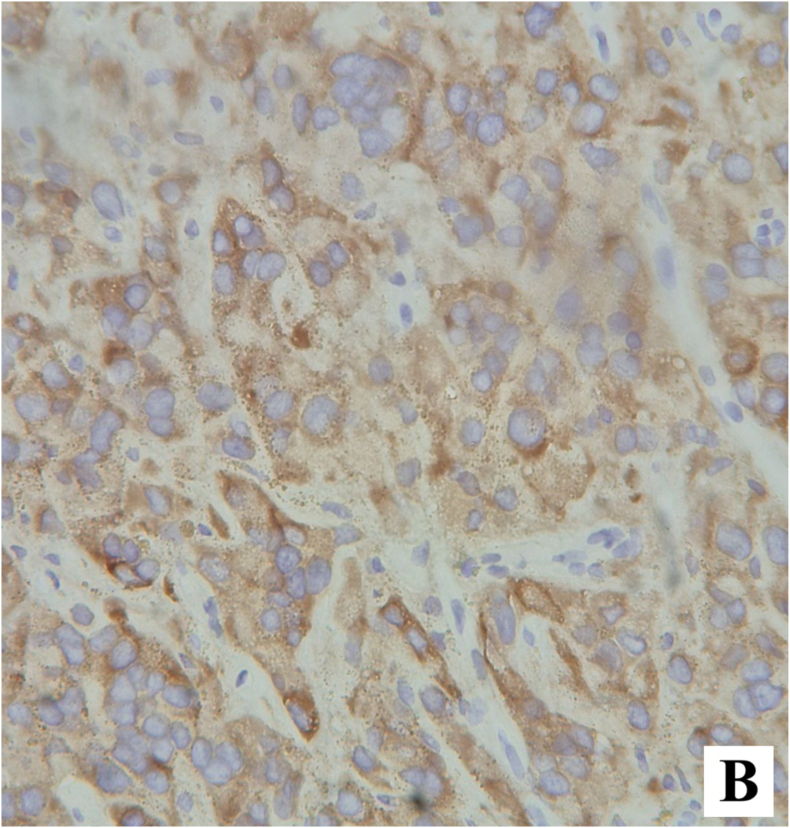 Figure 6
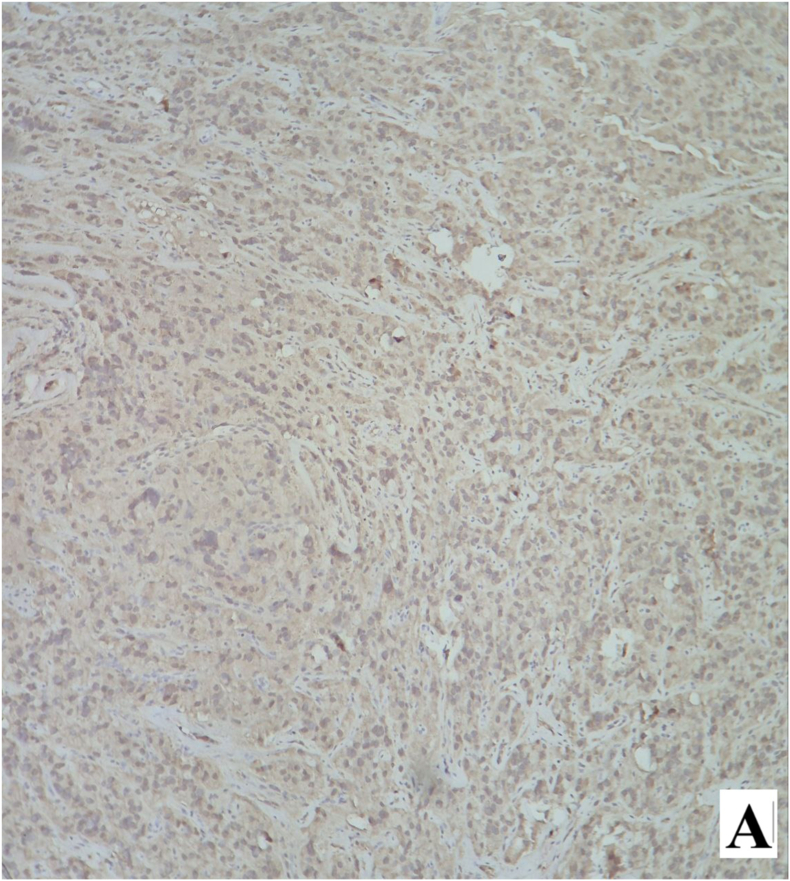 Figure 7
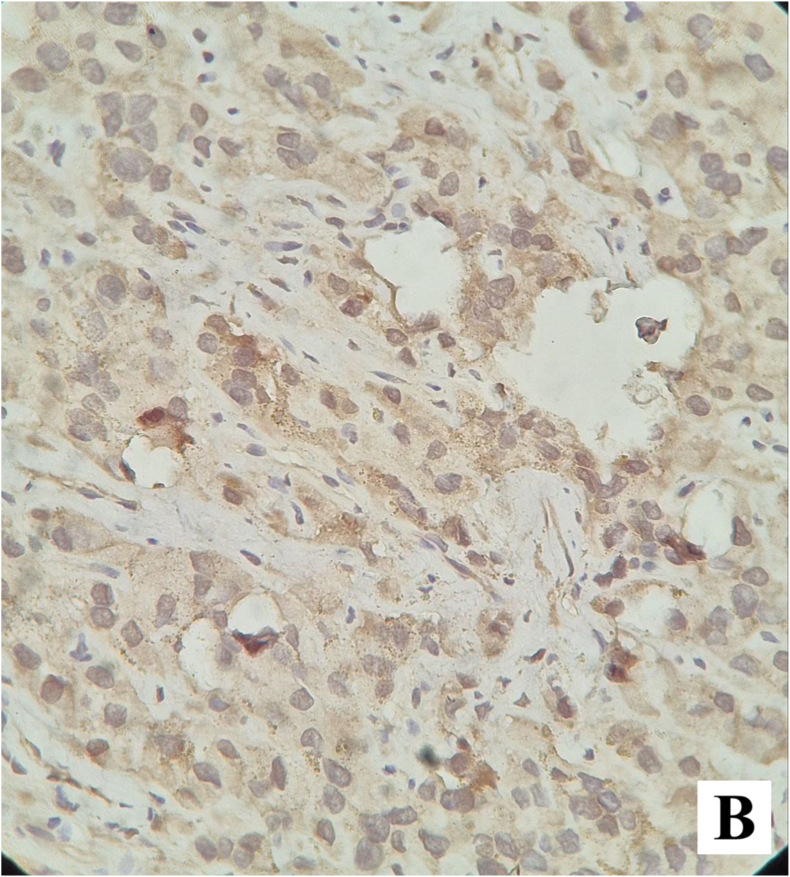 Figure 8
Peer Reviews
No public reviews on file for this paper yet. If you reviewed it on a platform where reviews are public (OpenReview, ICLR, NeurIPS, ICML), you can paste yours below so the community can read it here.
Videos
No videos yet. Explain this paper in a talk, walkthrough, or lecture? Add one.
Taxonomy
TopicsTesticular diseases and treatments · Sexual Differentiation and Disorders · Urologic and reproductive health conditions