Phosphorylation of biowaste materials for effective removal of organic dye pollutants from aqueous solution; batch and dynamic investigation
AbdElAziz Ahmed Nayl, Ahmed Salah Doma, Aya Gamal Mostafa, Ahmed Ibrahim Abd-Elhamid, Katarína Mosnáčková, Wael Ahmed Arafa, Ahmed Hamad Alanazi, Ismail Mohaamed Ahmed, Hazim Mohamed Ali, Saad Alrashdi, Hisham Fouad Aly, Stefan Bräse, Magda Aly Akl

TL;DR
This paper explores using phosphorylated waste tissue to effectively remove organic dyes from water, offering a low-cost and eco-friendly solution.
Contribution
The study introduces a novel, low-cost adsorbent made from phosphorylated waste tissue for efficient dye removal in both batch and dynamic systems.
Findings
Phosphorylated waste tissue (P@WT) showed maximum adsorption capacities of 445.5 mg/g for methyl green and 493.65 mg/g for neutral red in batch systems.
The adsorbent reached equilibrium within 3 hours for both dyes and performed well under dynamic flow conditions.
The P@WT composite demonstrated reusability and effectiveness in binary dye adsorption.
Abstract
In this work, the adsorption processes of methyl green (MG-dye) and neutral red (NR-dye) onto phosphorylated waste tissue (P@WT) composite was studied using both equilibrium batch experiments and dynamic flow conditions. Waste tissue (WT) is considered a zero-value, cellulose-rich material, which helps reduce both the cost of the prepared adsorbent and the overall cost of the adsorption process. WT was collected, cut into small pieces, and phosphorylated using urea and sodium phosphate to prepare a low-cost and easily synthesized P@WT composite adsorbent material suitable for practical applications. The prepared materials (WT and P@WT) were characterized using SEM, FTIR, and TGA and investigated as ecofriendly adsorbents to adsorb MG-dye NR-dye from aqueous solutions. The investigated adsorption processes were carried out as a function of different factors, such as adsorbent dose,…
Genes, proteins, chemicals, diseases, species, mutations and cell lines named across the full text — each resolved to its canonical identifier and authoritative record.
Click any figure to enlarge with its caption.
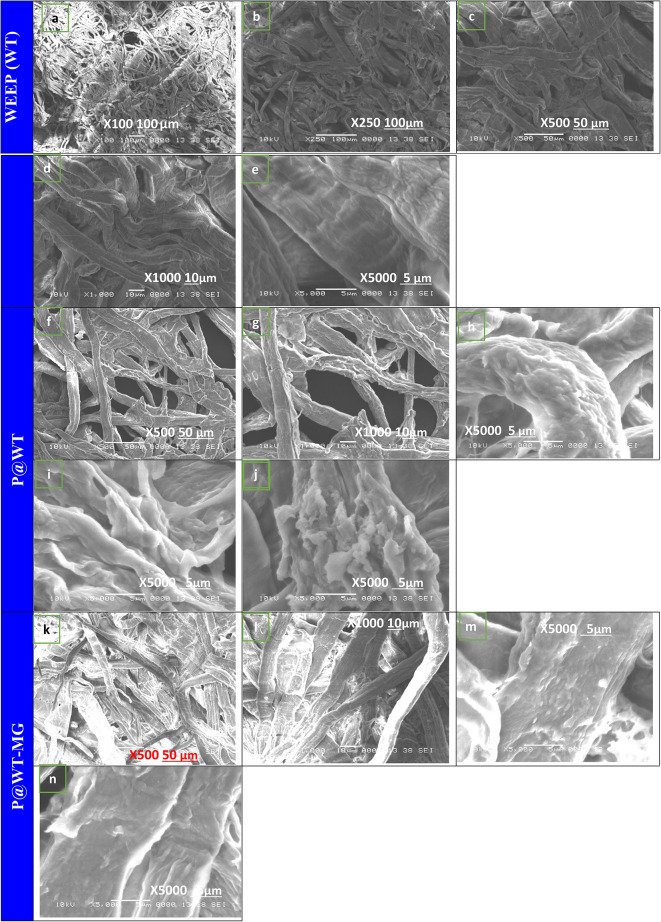 Figure 1
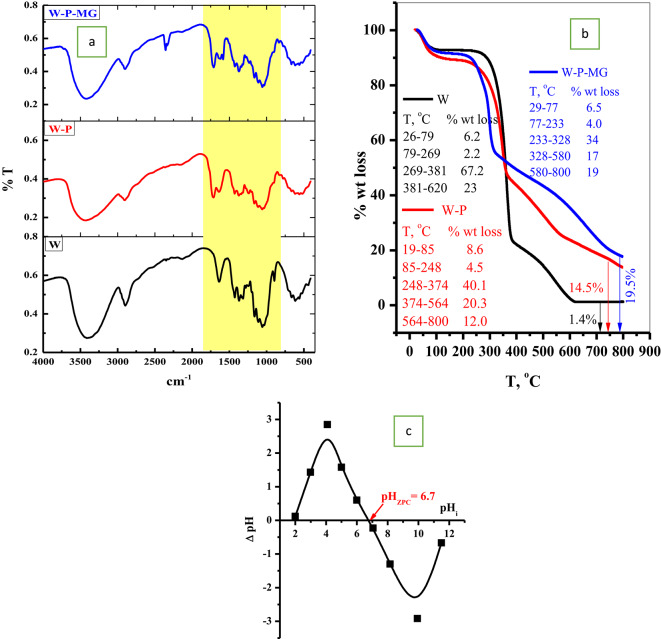 Figure 2
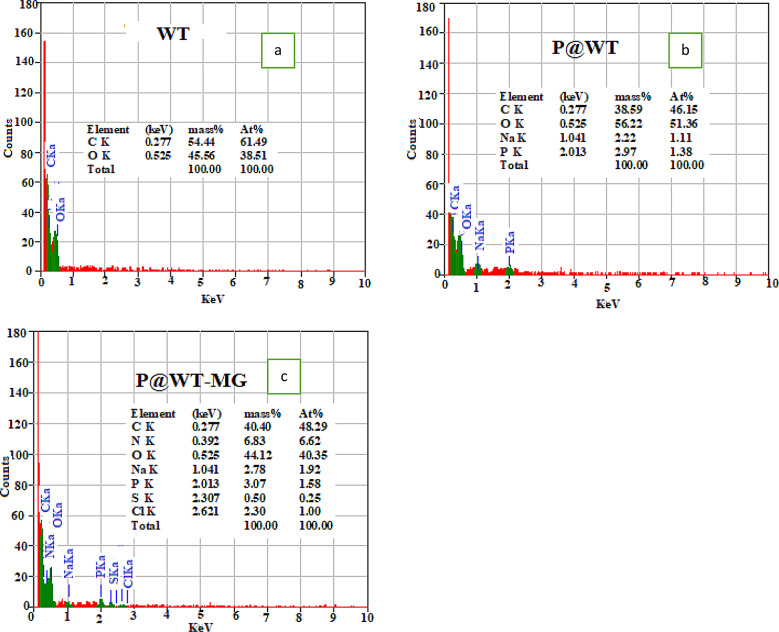 Figure 3
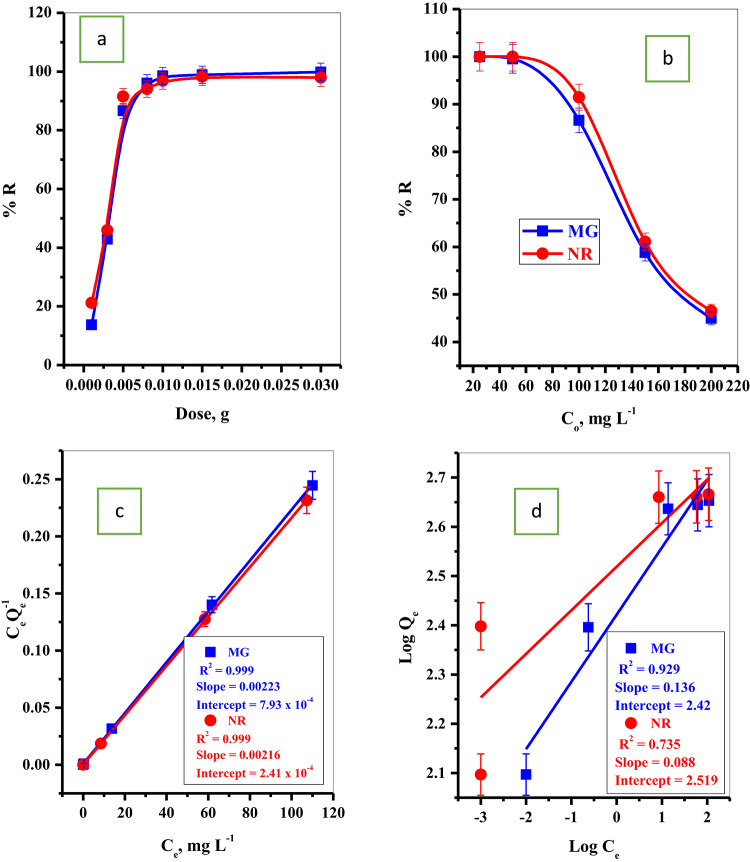 Figure 4
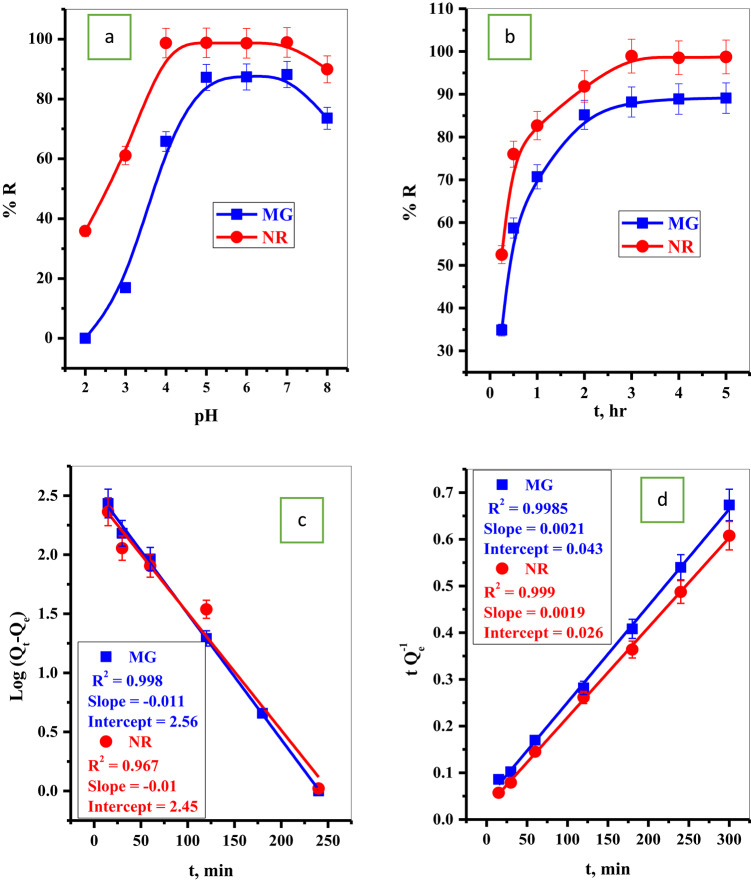 Figure 5
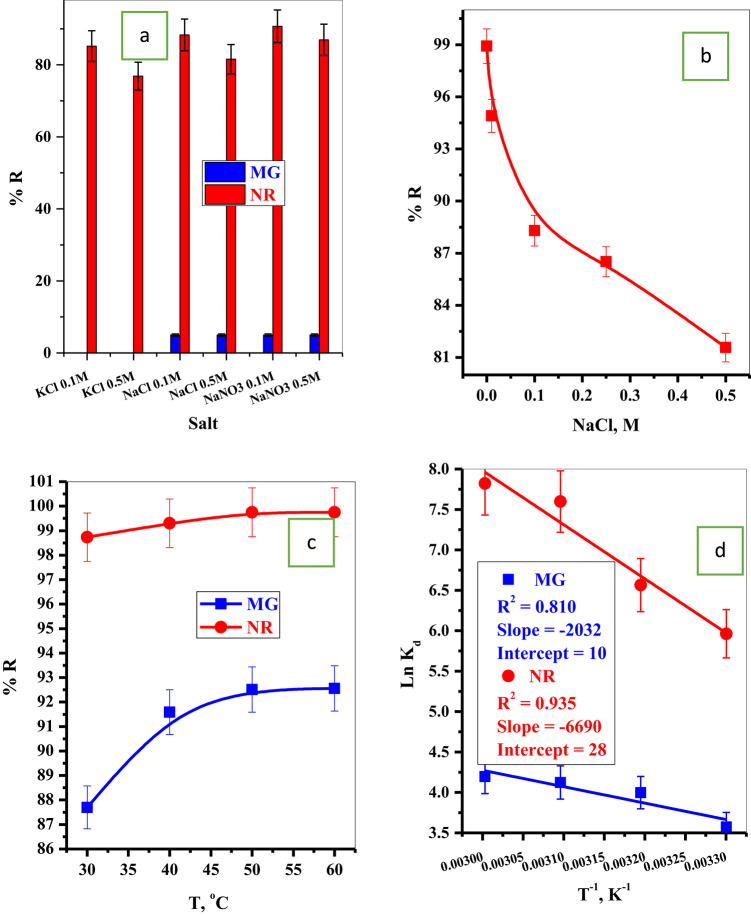 Figure 6
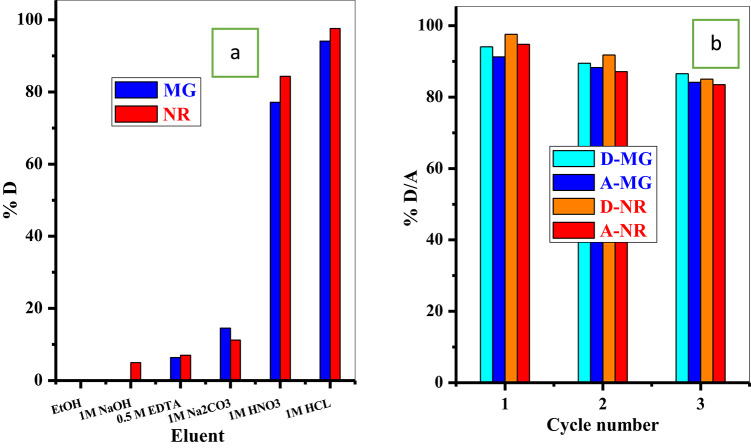 Figure 7
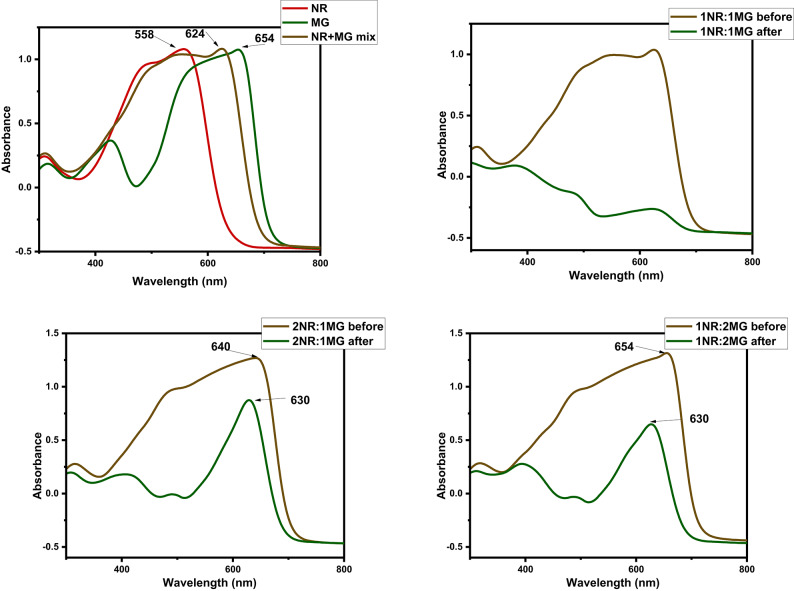 Figure 8
Peer Reviews
No public reviews on file for this paper yet. If you reviewed it on a platform where reviews are public (OpenReview, ICLR, NeurIPS, ICML), you can paste yours below so the community can read it here.
Videos
No videos yet. Explain this paper in a talk, walkthrough, or lecture? Add one.
Taxonomy
TopicsAdsorption and biosorption for pollutant removal · Nanomaterials for catalytic reactions · Phosphorus and nutrient management