A multimodal digital twin for autonomous micro-drilling in scientific exploration
Saul Alexis Heredia Perez, Tze Lun Lok, Enduo Zhao, Kanako Harada

TL;DR
A digital twin was created to simulate micro-drilling for scientific research, producing realistic images and sounds for training AI models.
Contribution
A multimodal digital twin combining visual and audio realism for autonomous micro-drilling is developed and validated.
Findings
The DAG model outperformed pitch modulation methods with lower FAD and FID scores, indicating realistic audio synthesis.
A CNN trained on synthetic images achieved 70.2 mean average precision on real drilling images, showing strong visual realism.
The digital twin achieved submillimeter alignment accuracy (0.22 ± 0.03 mm) in real-world eggshell experiments.
Abstract
To support research on autonomous robotic micro-drilling for cranial window creation in mice, a multimodal digital twin (DT) is developed to generate realistic synthetic images and drilling sounds. The realism of the DT is evaluated using data from an eggshell drilling scenario, demonstrating its potential for training AI models with multimodal synthetic data. The asynchronous multi-body framework (AMBF) simulator for volumetric drilling with haptic feedback is combined with the Isaac Sim simulator for photorealistic rendering. A deep audio generator (DAG) model is presented and its realism is evaluated on real drilling sounds. A convolutional neural network (CNN) trained on synthetic images is used to assess visual realism by detecting drilling areas in real eggshell images. Finally, the accuracy of the DT is evaluated by experiments on a real eggshell. The DAG model outperformed…
Genes, proteins, chemicals, diseases, species, mutations and cell lines named across the full text — each resolved to its canonical identifier and authoritative record.
Click any figure to enlarge with its caption.
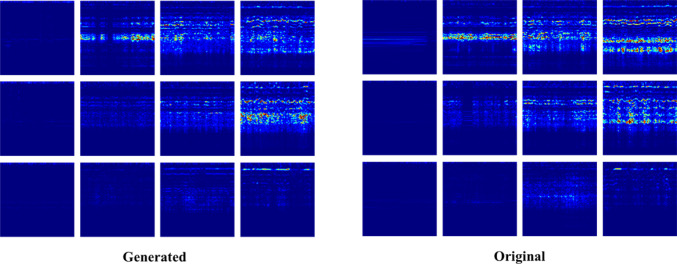 Figure 10
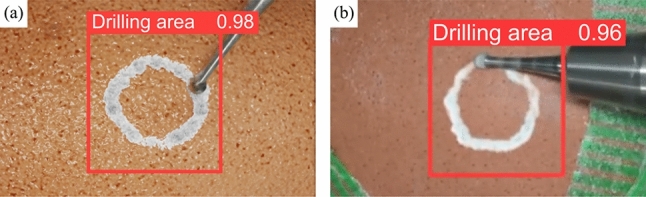 Figure 11
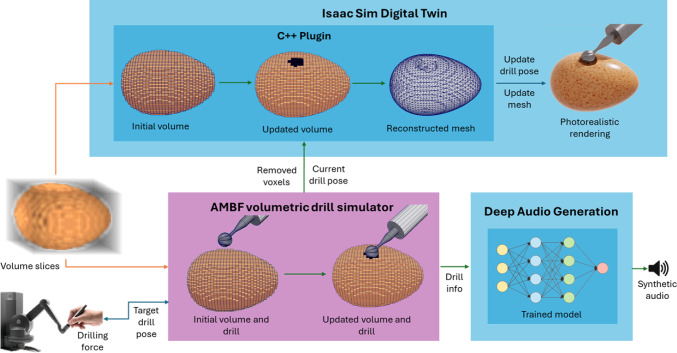 Figure 1
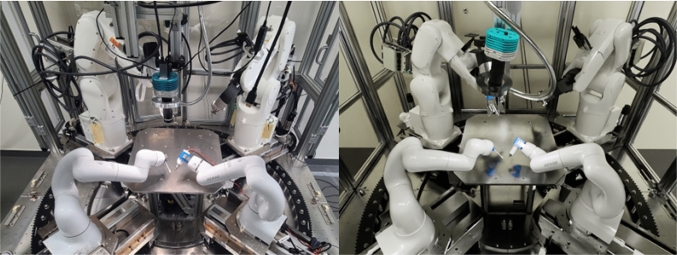 Figure 2
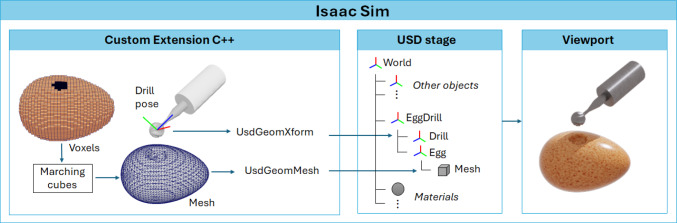 Figure 3
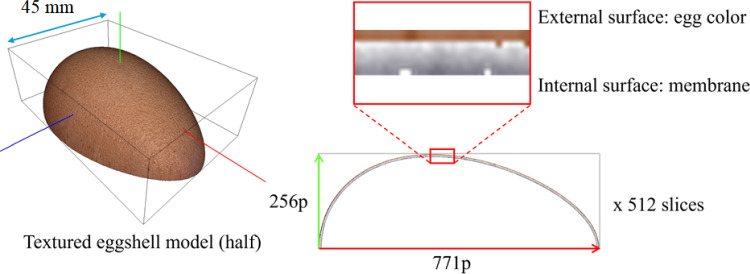 Figure 4
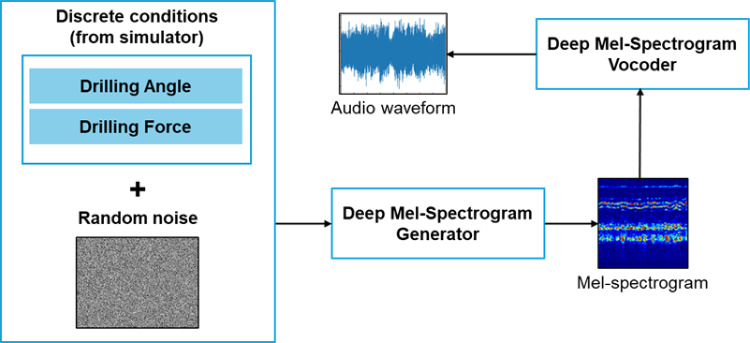 Figure 5
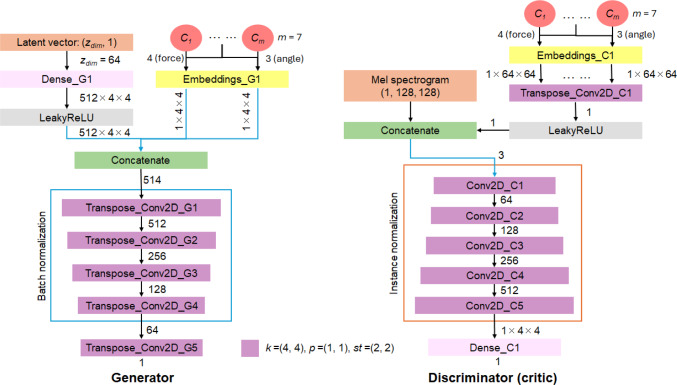 Figure 6
 Figure 7
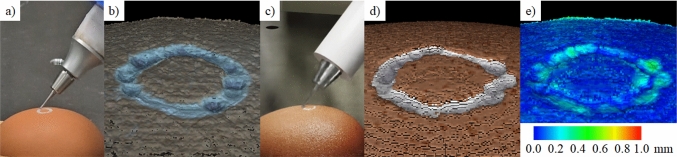 Figure 8
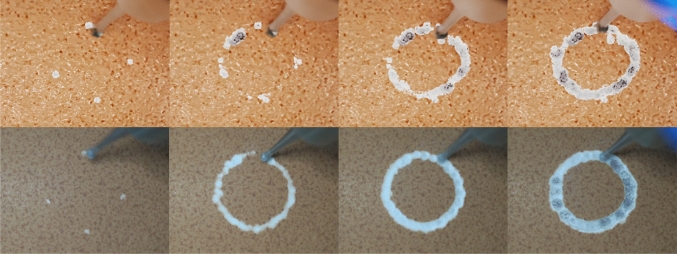 Figure 9
Peer Reviews
No public reviews on file for this paper yet. If you reviewed it on a platform where reviews are public (OpenReview, ICLR, NeurIPS, ICML), you can paste yours below so the community can read it here.
Videos
No videos yet. Explain this paper in a talk, walkthrough, or lecture? Add one.
Taxonomy
TopicsCell Image Analysis Techniques · Image Processing Techniques and Applications · 3D Surveying and Cultural Heritage