A novel hybrid genetic algorithm and Nelder-Mead approach and it’s application for parameter estimation
Neha Majhi, Rajashree Mishra, Olympia Roeva, Rajashree Mishra, El-ghalia Boudissa, HABBI FATIHA, Rajashree Mishra

TL;DR
This paper introduces GANMA, a new hybrid optimization method combining genetic algorithms and Nelder-Mead for better performance in solving complex optimization and parameter estimation problems.
Contribution
The novel hybrid Genetic and Nelder-Mead Algorithm (GANMA) is proposed for improved optimization and parameter estimation.
Findings
GANMA outperforms traditional methods in robustness, convergence speed, and solution quality.
The algorithm excels in high-dimensional and multimodal function landscapes.
GANMA improves model accuracy and interpretability in parameter estimation tasks.
Abstract
Traditional optimization methods often struggle to balance global exploration and local refinement, particularly in complex real-world problems. To address this challenge, we introduce a novel hybrid optimization strategy that integrates the Nelder-Mead (NM) technique and the Genetic Algorithm (GA), named the Genetic and Nelder-Mead Algorithm (GANMA). This hybrid approach aims to enhance performance across various benchmark functions and parameter estimation tasks. GANMA combines the global search capabilities of GA with the local refinement strength of NM. It is first tested on 15 benchmark functions commonly used to evaluate optimization strategies. The effectiveness of GANMA is also demonstrated through its application to parameter estimation problems, showcasing its practical utility in real-world scenarios. GANMA outperforms traditional optimization methods in terms of…
Genes, proteins, chemicals, diseases, species, mutations and cell lines named across the full text — each resolved to its canonical identifier and authoritative record.
Click any figure to enlarge with its caption.
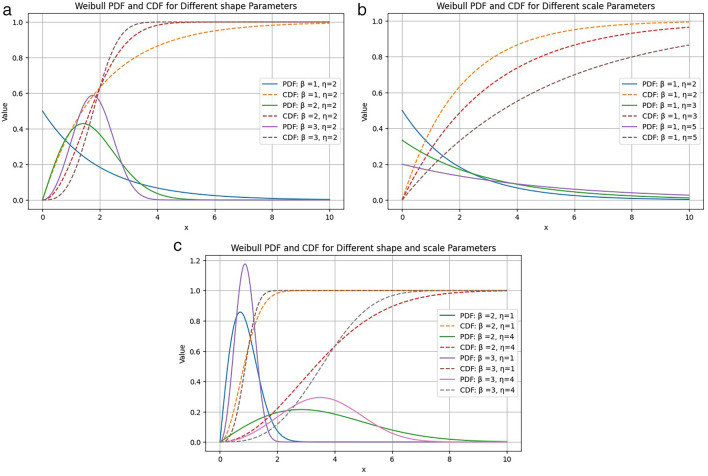 Figure 1
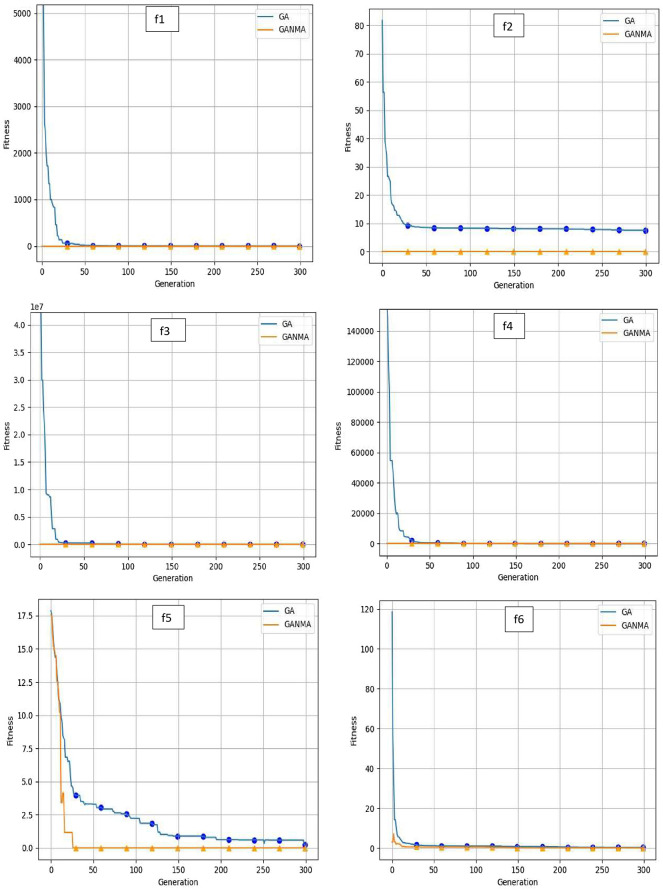 Figure 2
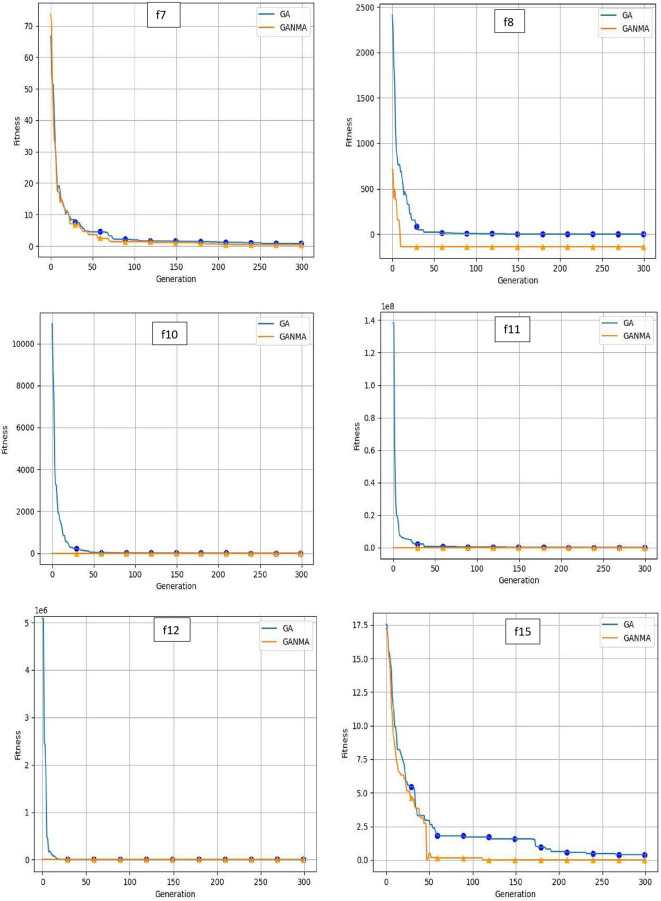 Figure 3
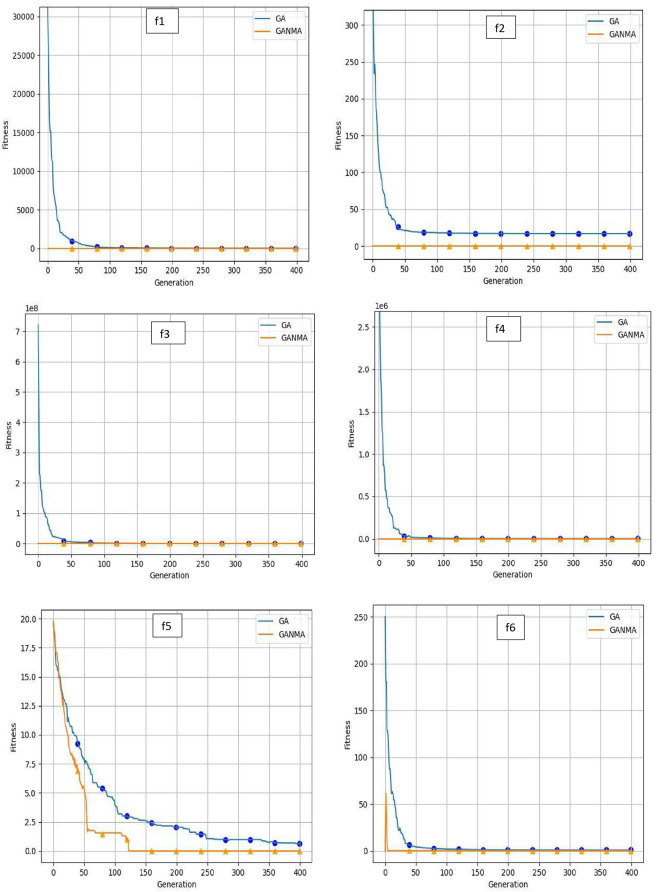 Figure 4
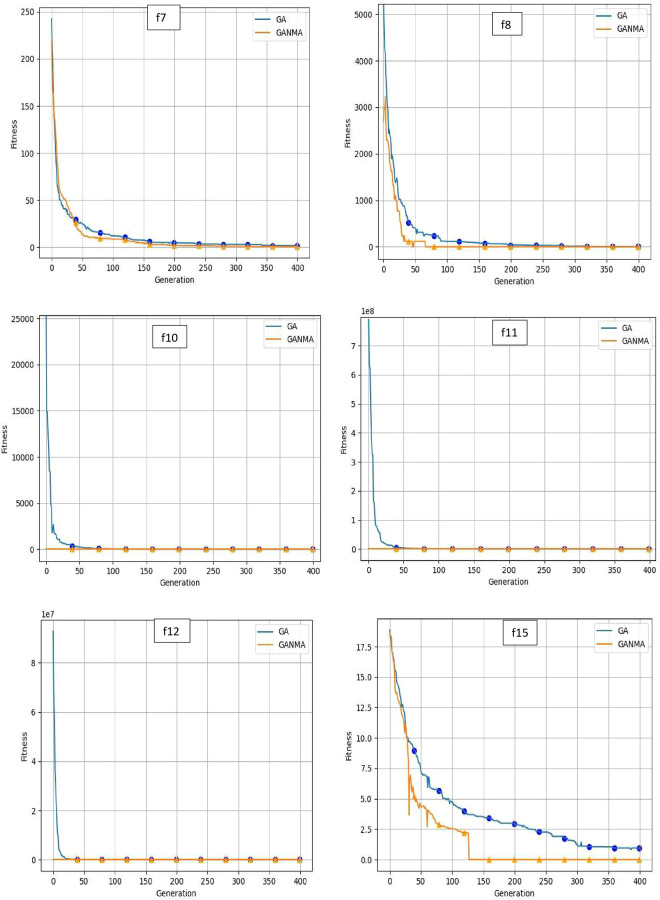 Figure 5
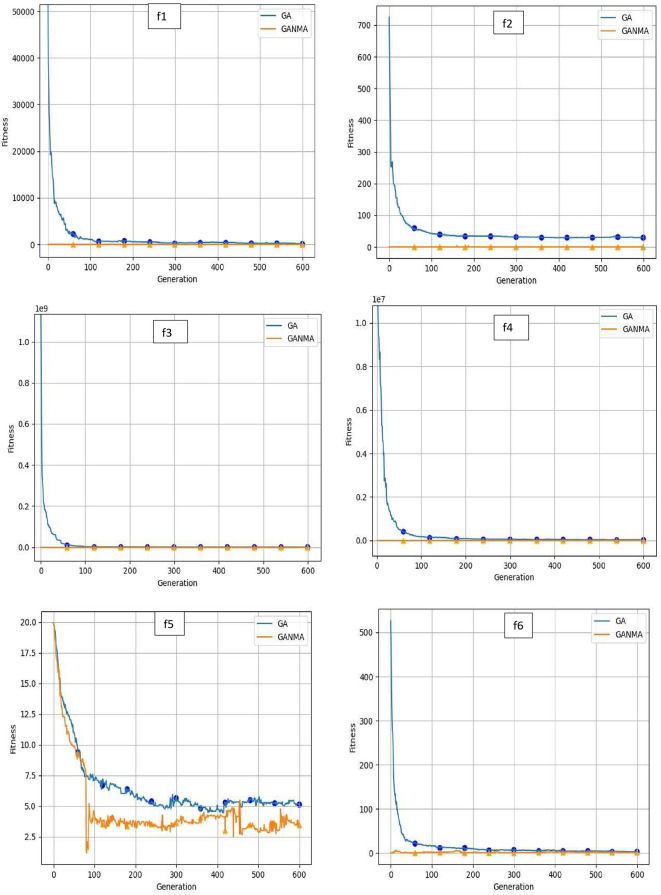 Figure 6
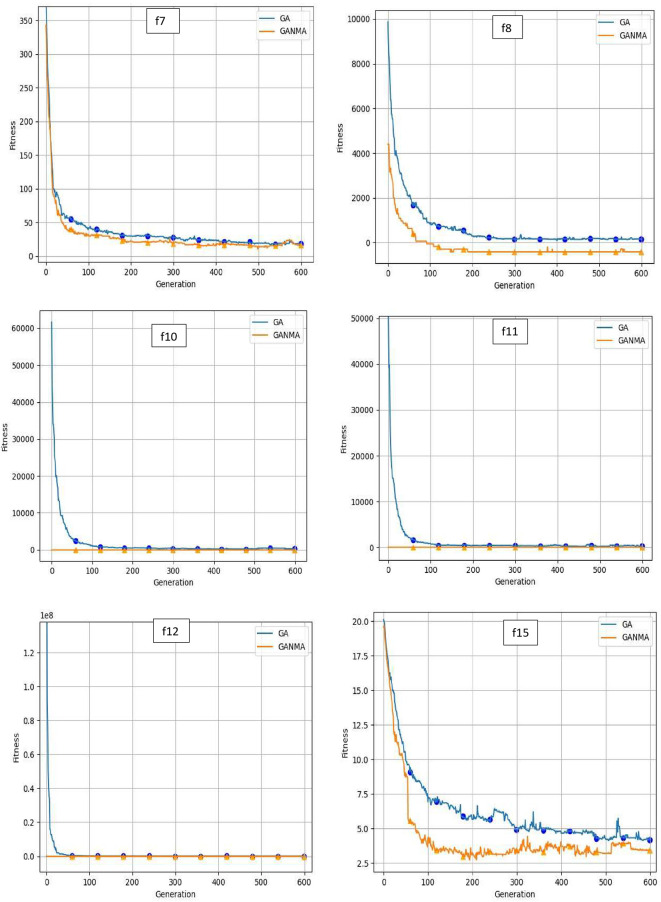 Figure 7
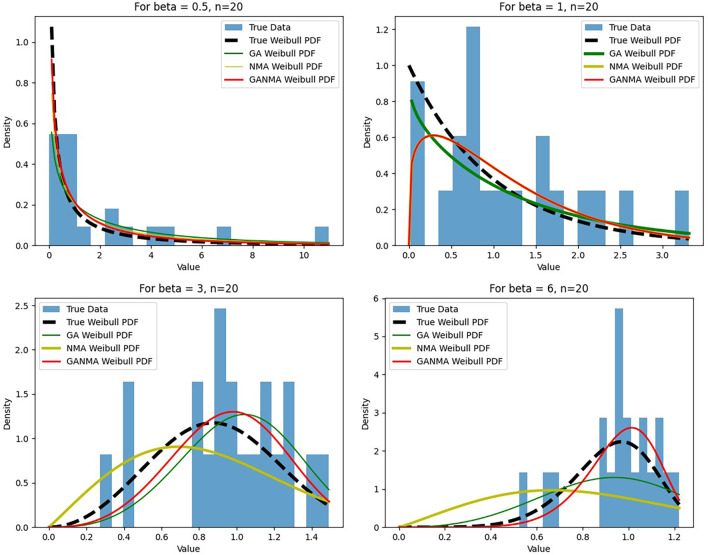 Figure 8
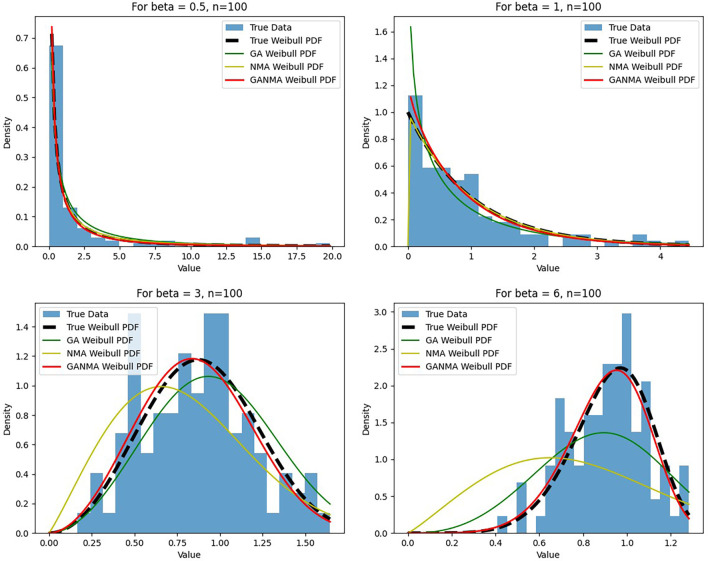 Figure 9
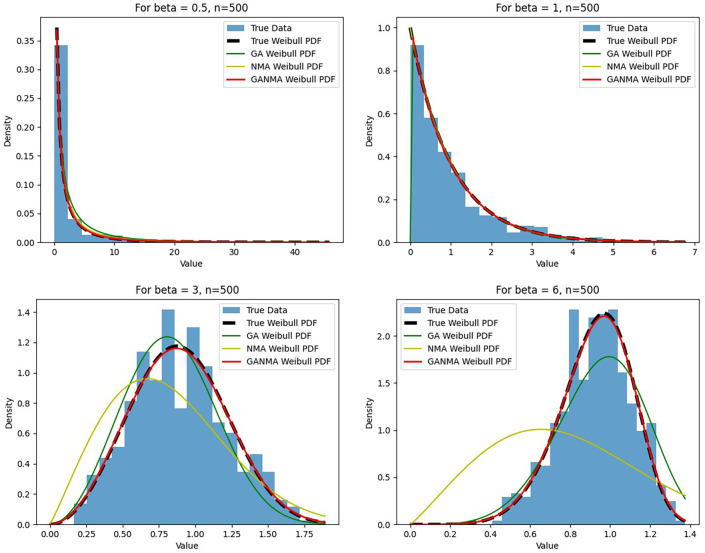 Figure 10
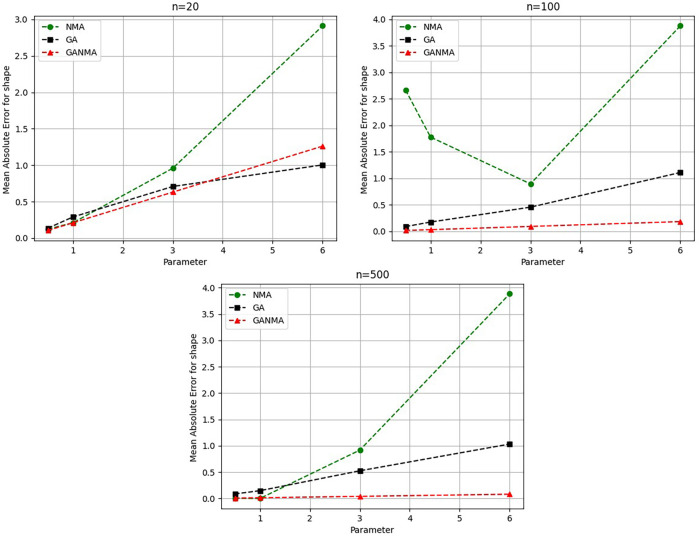 Figure 11
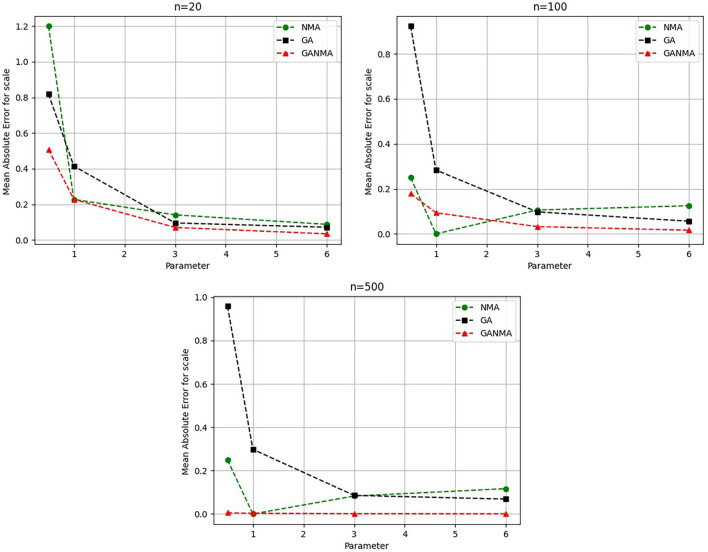 Figure 12
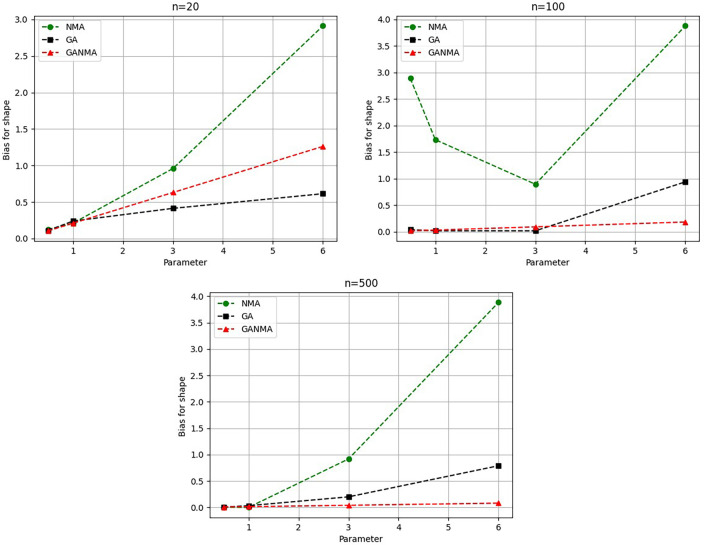 Figure 13
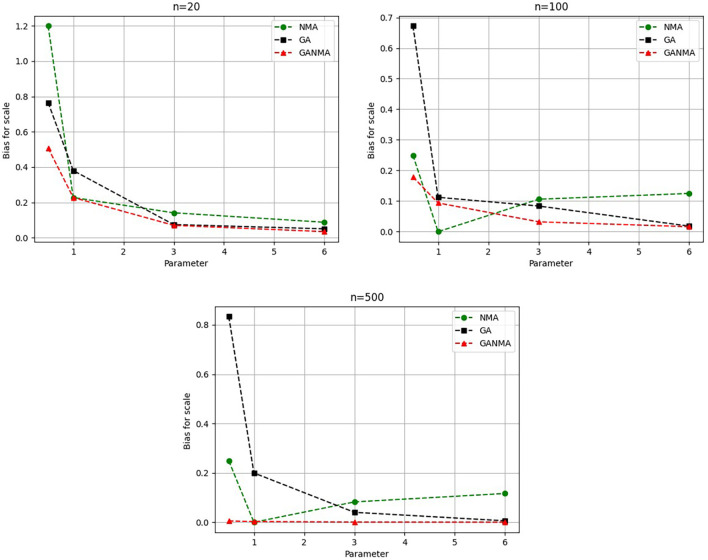 Figure 14
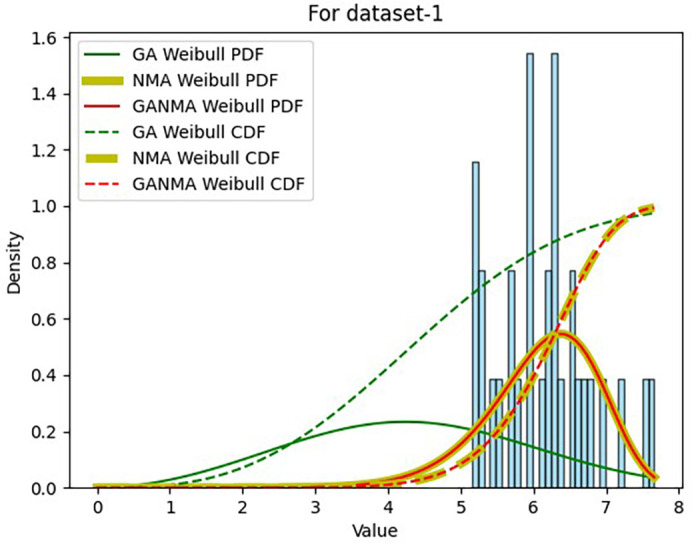 Figure 15
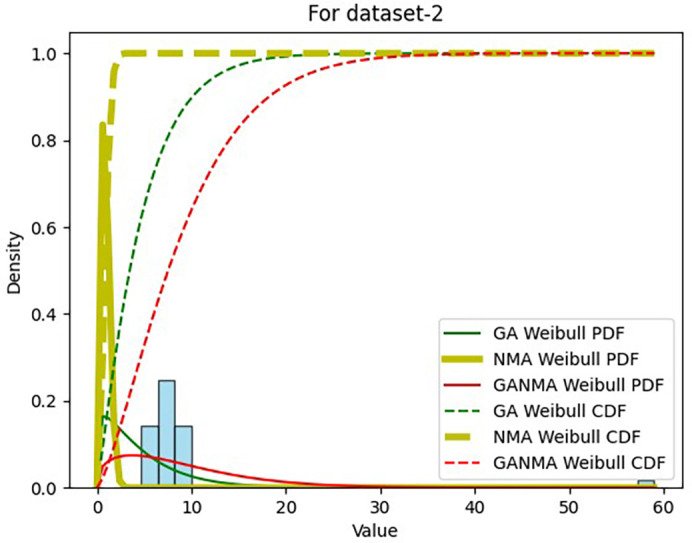 Figure 16
 Figure 17
 Figure 18
 Figure 19
 Figure 20
Peer Reviews
No public reviews on file for this paper yet. If you reviewed it on a platform where reviews are public (OpenReview, ICLR, NeurIPS, ICML), you can paste yours below so the community can read it here.
Videos
No videos yet. Explain this paper in a talk, walkthrough, or lecture? Add one.
Taxonomy
TopicsAdvanced Multi-Objective Optimization Algorithms · Probabilistic and Robust Engineering Design · Structural Health Monitoring Techniques