Exploring the pathogenesis of acute lung injury and its treatment through Traditional Chinese Medicine: a state-of-the-art review
Jiayun Wang, Zhiqiang Yan, Xinxin Zhang, Shun Wang, Liangbo Jiao, Binghua Zhu, Bo Tan, Aidong Yang

TL;DR
This review explores how Traditional Chinese Medicine can treat acute lung injury by analyzing its causes and mechanisms.
Contribution
A comprehensive analysis of ALI pathogenesis and TCM therapeutic mechanisms from a modern scientific perspective.
Findings
ALI involves immune-inflammatory responses, alveolar-capillary barrier disruption, and gut microbiota alterations.
TCM strategies like heat-clearing and detoxification show clinical promise in treating ALI.
Bioactive TCM compounds may offer therapeutic benefits by targeting multiple ALI pathogenic pathways.
Abstract
Acute Lung Injury (ALI) is a severe and progressive condition characterized by hypoxic respiratory failure, often triggered by multiple contributing factors. It is associated with high morbidity and mortality rates and can advance to Acute Respiratory Distress Syndrome (ARDS) in severe cases. The pathogenesis of ALI involves a complex interplay of pathological mechanisms, including immune-inflammatory responses, disruption of the alveolar-capillary barrier, damage to mesenchymal stem cell organelles, metabolic dysregulation, ferroptosis, and alterations in gut microbiota. From the perspective of Traditional Chinese Medicine (TCM), the development of ALI is primarily attributed to the invasion of toxic pathogens, which result in lung dysfunction. TCM treatment strategies, which emphasize heat-clearing, detoxification, promoting blood circulation, and resolving stasis, have demonstrated…
Genes, proteins, chemicals, diseases, species, mutations and cell lines named across the full text — each resolved to its canonical identifier and authoritative record.
Click any figure to enlarge with its caption.
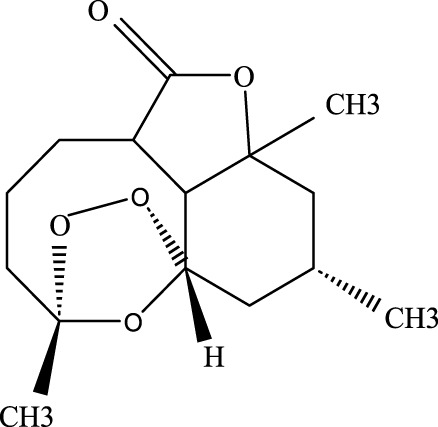 Figure 1
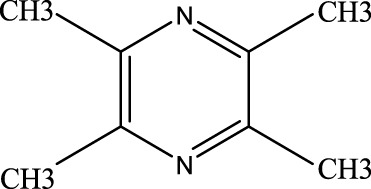 Figure 2
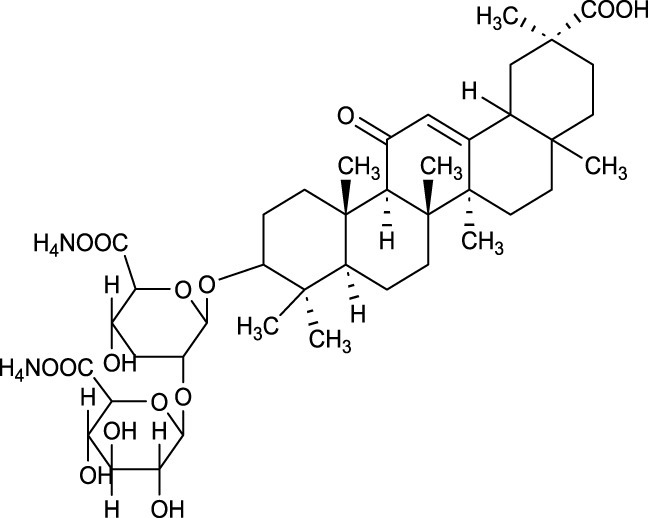 Figure 3
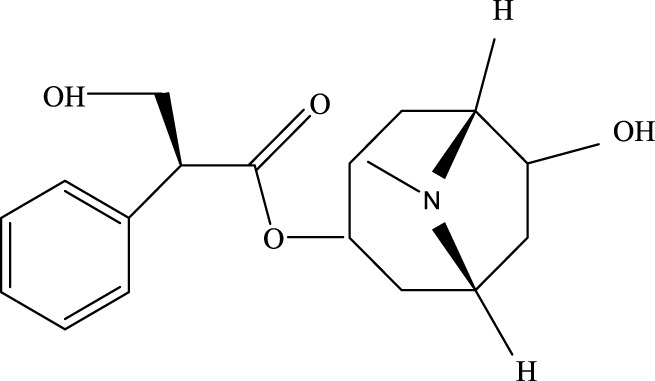 Figure 4
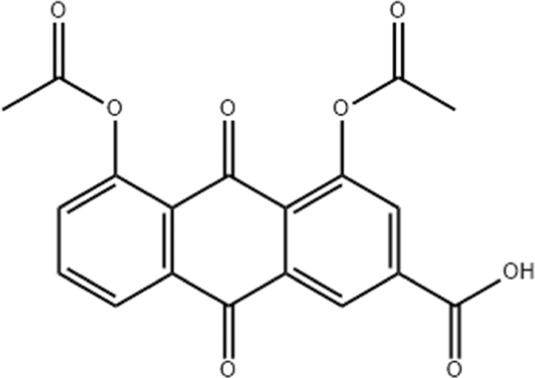 Figure 5
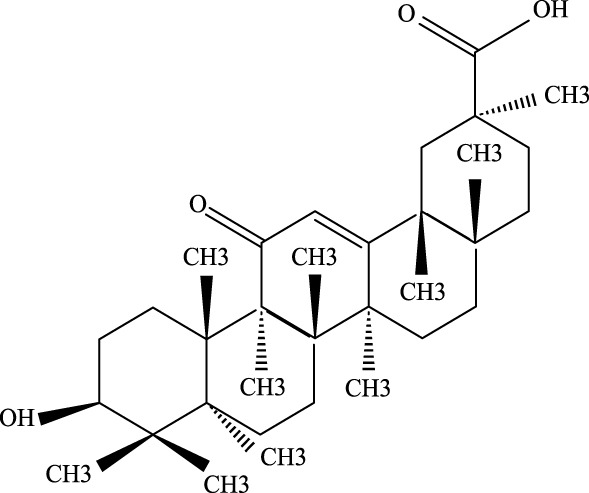 Figure 6
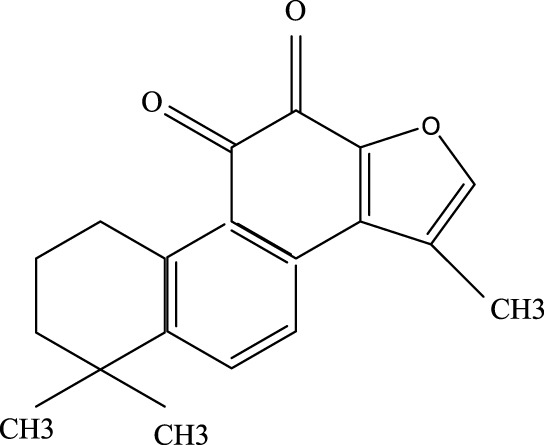 Figure 7
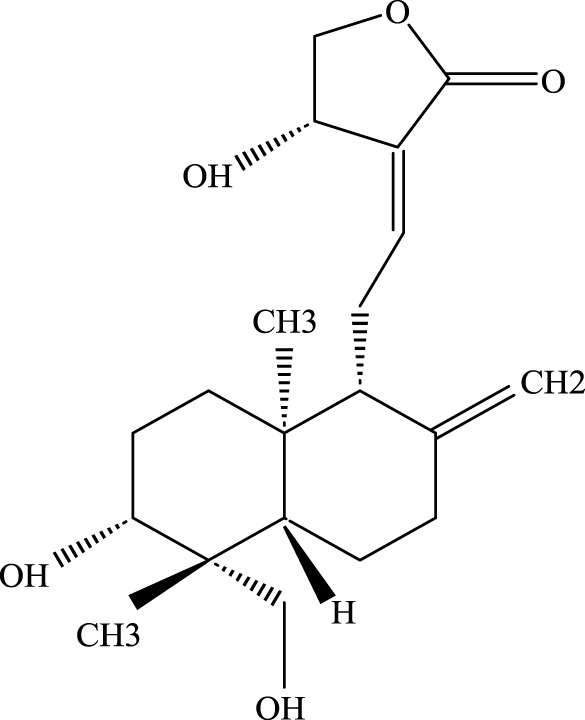 Figure 8
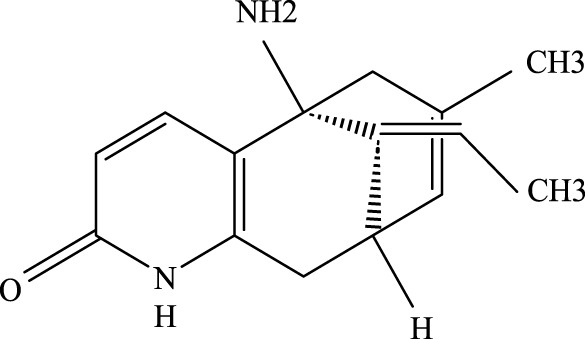 Figure 9
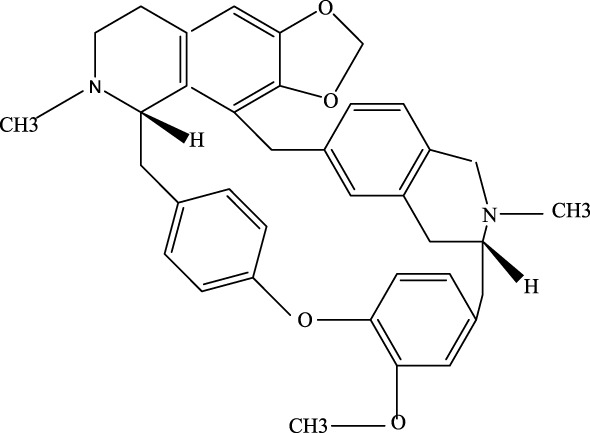 Figure 10
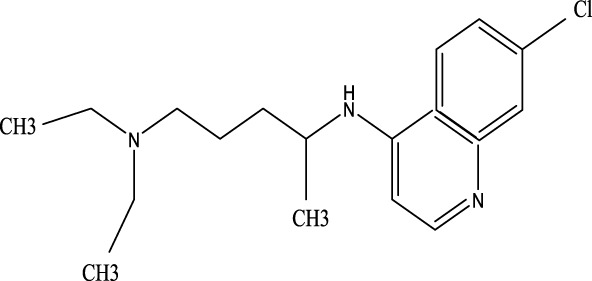 Figure 11
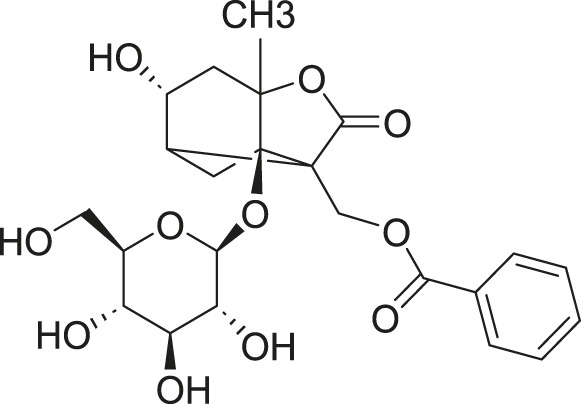 Figure 12
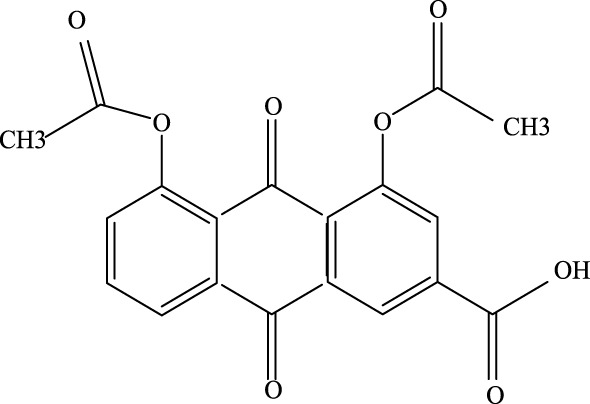 Figure 13
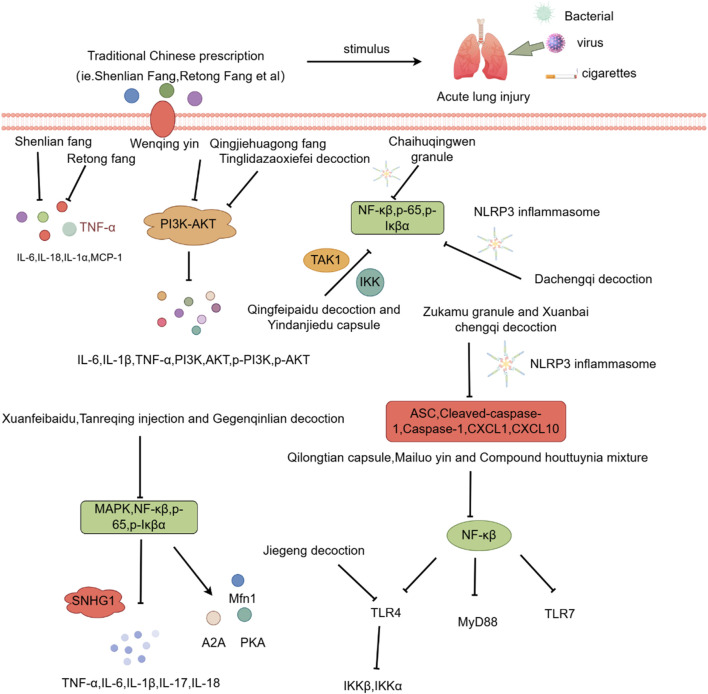 Figure 14
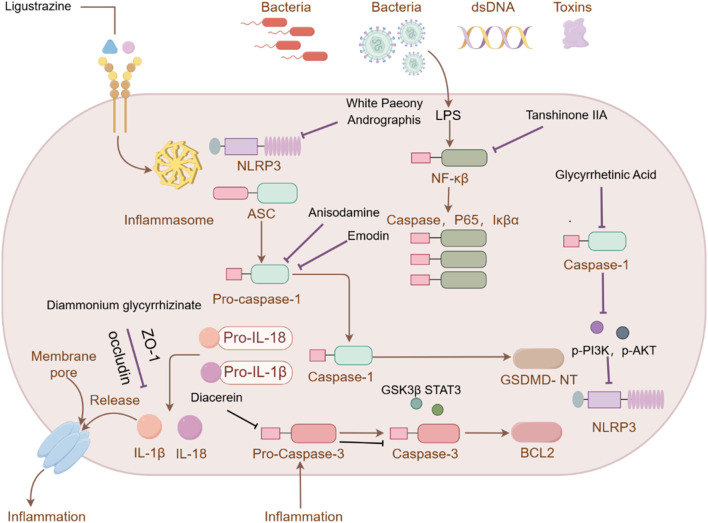 Figure 15
Peer Reviews
No public reviews on file for this paper yet. If you reviewed it on a platform where reviews are public (OpenReview, ICLR, NeurIPS, ICML), you can paste yours below so the community can read it here.
Videos
No videos yet. Explain this paper in a talk, walkthrough, or lecture? Add one.
Taxonomy
TopicsImmune cells in cancer · Cancer-related molecular mechanisms research · Chronic Obstructive Pulmonary Disease (COPD) Research