Further insights into maternal and paternal human histories in southern Iberia
Marina González-Barrio, Luis J. Sánchez-Martínez, Rosario Calderón, Candela L. Hernández

TL;DR
This study explores the genetic diversity of southern Iberian populations, revealing distinct maternal and paternal histories shaped by European, African, and Middle Eastern ancestry.
Contribution
The study provides new insights into the differing demographic histories of males and females in Andalusia through combined maternal and paternal genetic data.
Findings
Andalusian genetic ancestry is primarily composed of European, African, and Middle Eastern origins.
Over 45% of males show non-correspondence between maternal and paternal haplogroup origins.
mtDNA diversity is higher than Y chromosome diversity, possibly due to patrilocality and social structures.
Abstract
Human genetic structure of Iberian populations has been thoroughly explored in the last decades. The internal diversity of the Iberian Peninsula becomes visible by the different phylogeographic origins of particular mitochondrial DNA and Y chromosome lineages, which show a high degree of population specificity. In the present study, we combined information on matrilineal and patrilineal variation patterns in two autochthonous populations from Andalusia region (southern Spain). A special focus is made to a male sample set where both uniparental data are available. Gene diversities estimates yielded not statistically significant differences between both types of samples and markers. Genetic ancestry among Andalusians seems to be constituted by three foremost continental origins: European, African, and Middle Eastern. The examined male group has revealed a noticeable proportion of…
Genes, proteins, chemicals, diseases, species, mutations and cell lines named across the full text — each resolved to its canonical identifier and authoritative record.
Click any figure to enlarge with its caption.
 Figure 1
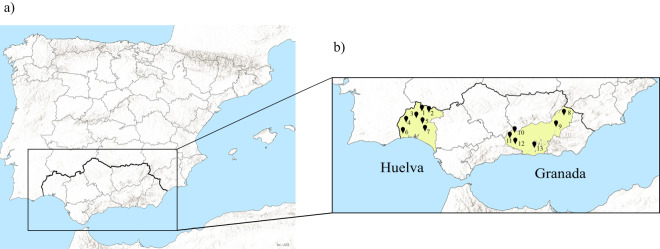 Figure 1
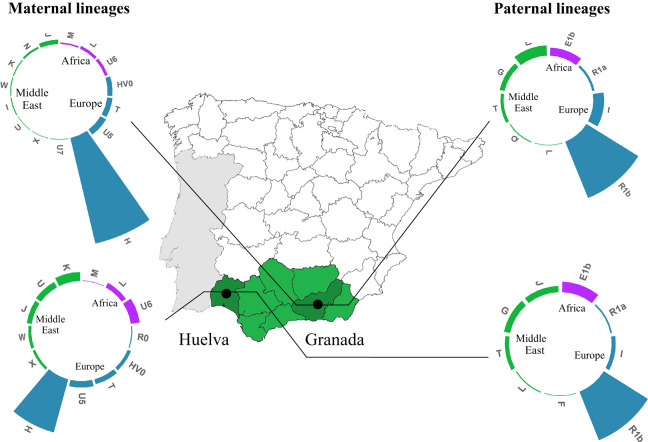 Figure 2
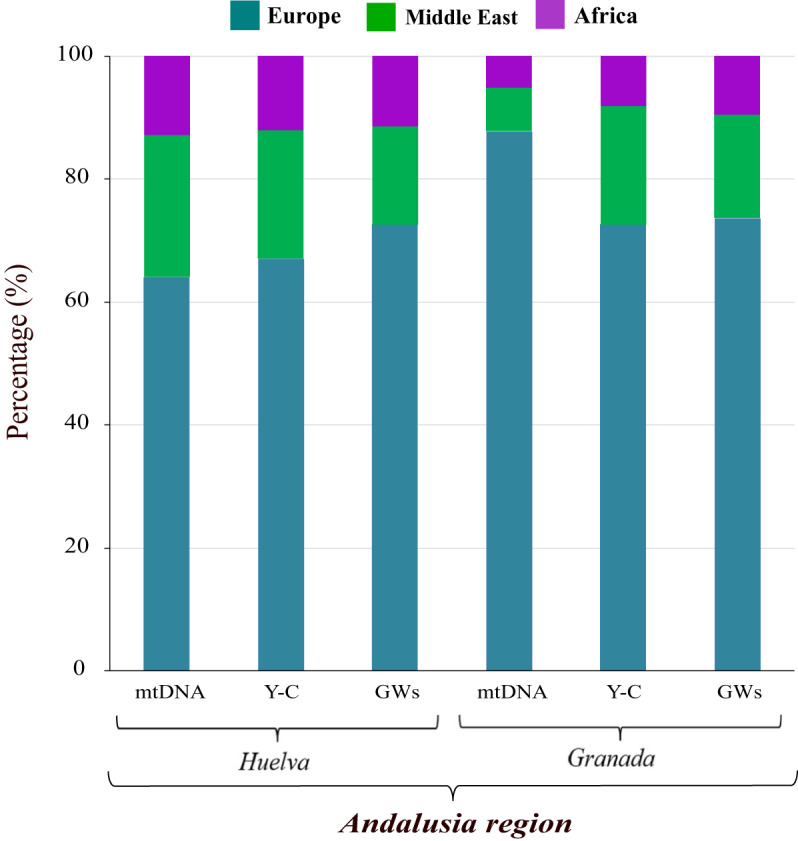 Figure 3
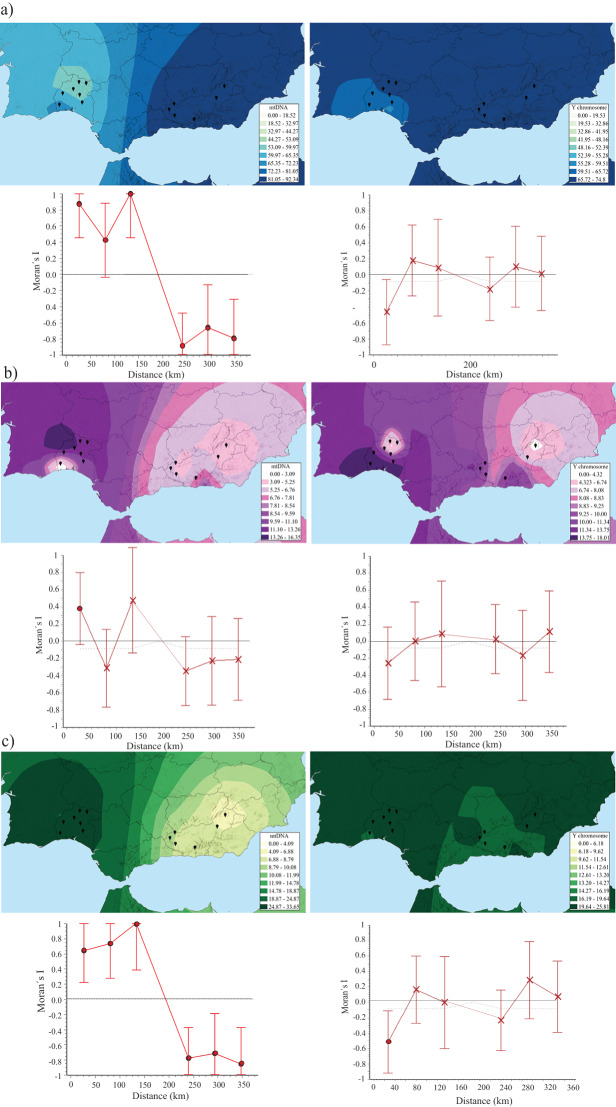 Figure 4
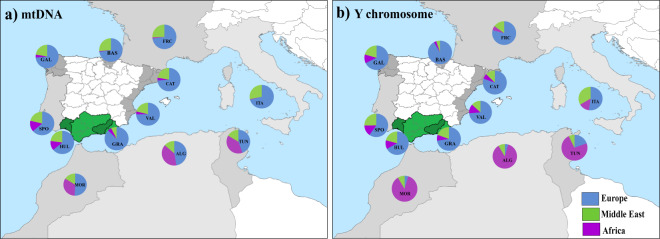 Figure 5
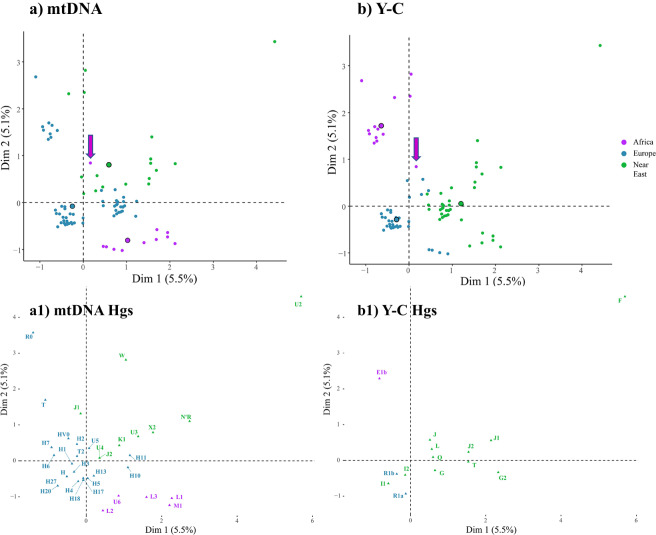 Figure 6
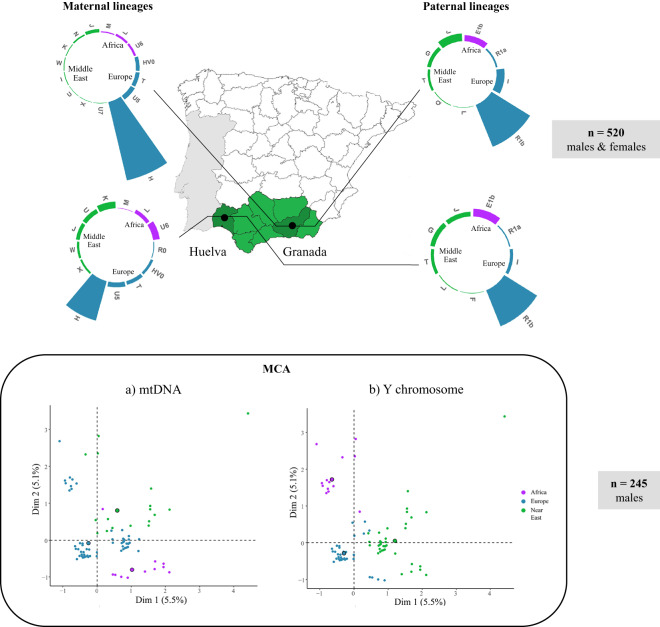 Figure 8
Peer Reviews
No public reviews on file for this paper yet. If you reviewed it on a platform where reviews are public (OpenReview, ICLR, NeurIPS, ICML), you can paste yours below so the community can read it here.
Videos
No videos yet. Explain this paper in a talk, walkthrough, or lecture? Add one.
Taxonomy
TopicsForensic and Genetic Research · Forensic Anthropology and Bioarchaeology Studies · Genetic diversity and population structure