Targeting APE1/Ref-1 to alleviate formalin-induced pain and spinal neuro-inflammation in rats: a promising therapeutic approach
Eman Elgendy, Amira Zaky, Mayssaa Wahby, Marc Landry, Ahmad Bassiouny

TL;DR
This study explores how inhibiting APE1/Ref-1 with E3330 may reduce pain and inflammation in rats, possibly through effects on dopamine signaling.
Contribution
The study introduces E3330 as a potential therapeutic agent for inflammatory pain by modulating APE1/Ref-1 and dopaminergic pathways.
Findings
E3330 improved pain thresholds and reduced inflammatory markers in formalin-induced pain in rats.
E3330 treatment preserved APE1/Ref-1 levels and improved mitochondrial organization.
E3330 altered dopamine receptor expression and possibly interacts with dopamine receptor sites.
Abstract
Pain is a multifaceted condition intricately linked to inflammation, which plays a critical role in its onset and progression. To investigate the influence of APE1/Ref-1 on oxidative stress and inflammatory marker expression, we employed a hind paw sensitization model induced by formalin. We inhibited the redox function of APE1 using E3330 and assessed its effects on pain behavior. Mitochondrial morphology was examined via electron microscopy, and the impact on dopaminergic signaling alongside bioinformatics analyses to explore potential E3330 binding to dopamine receptors. Administration of E3330 in formalin-induced rats resulted in improved pain thresholds, as evidenced by behavioral assessments. Notably, E3330 treatment maintained normal APE1/Ref-1 levels and promoted a more organized mitochondrial structure. Administration of E3330 correlated with increased dopamine levels, a…
Genes, proteins, chemicals, diseases, species, mutations and cell lines named across the full text — each resolved to its canonical identifier and authoritative record.
Click any figure to enlarge with its caption.
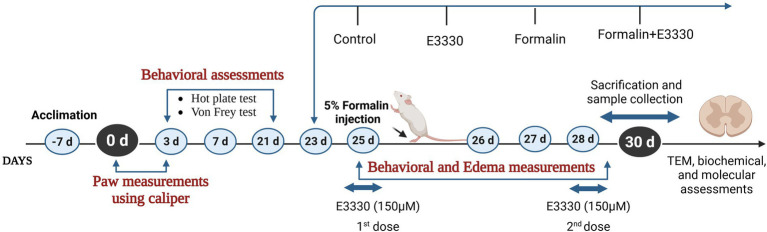 Figure 1
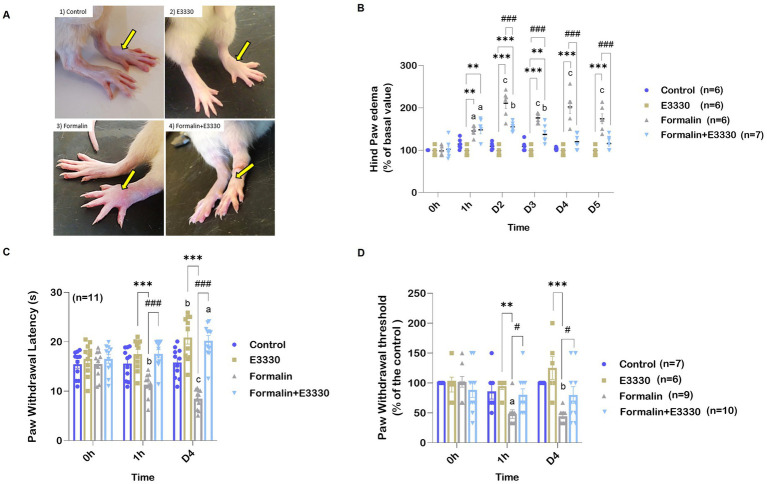 Figure 2
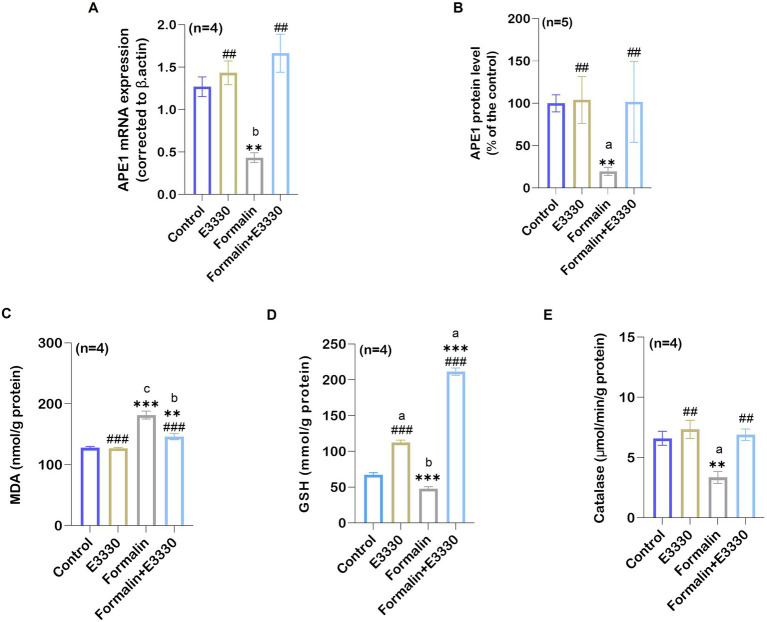 Figure 3
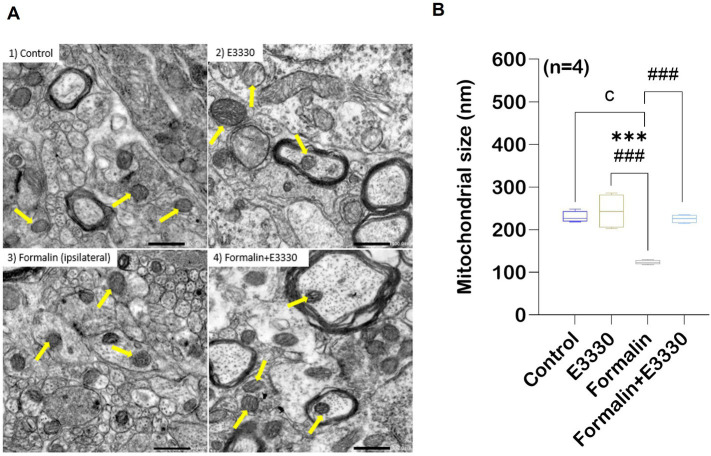 Figure 4
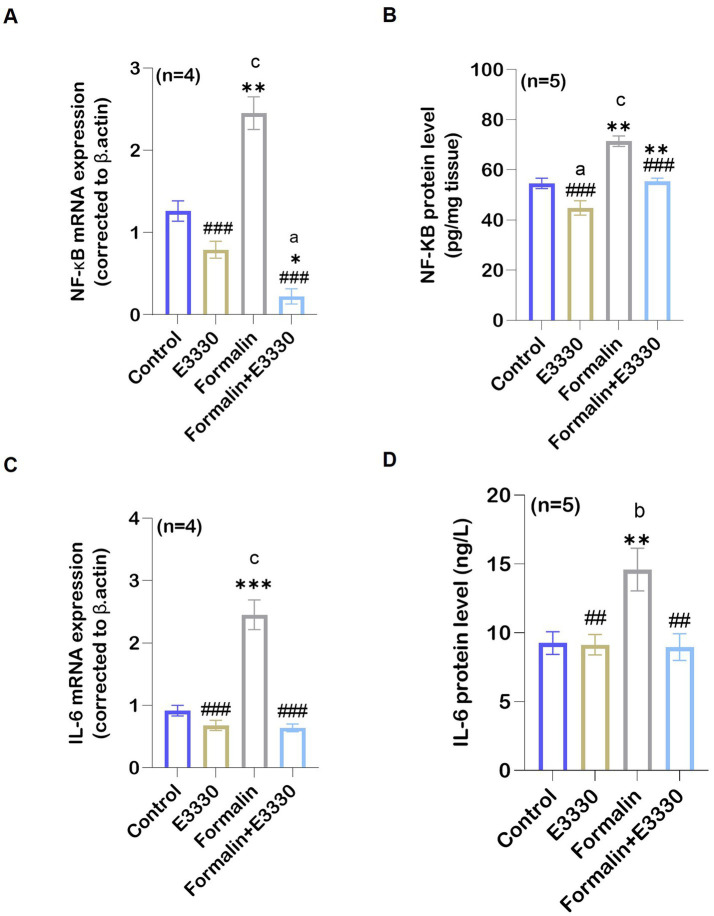 Figure 5
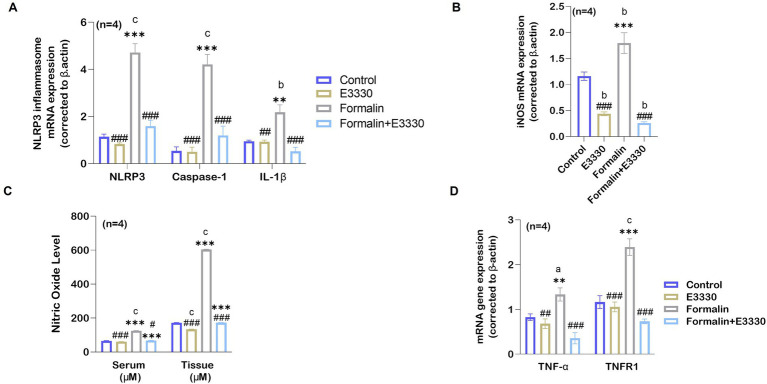 Figure 6
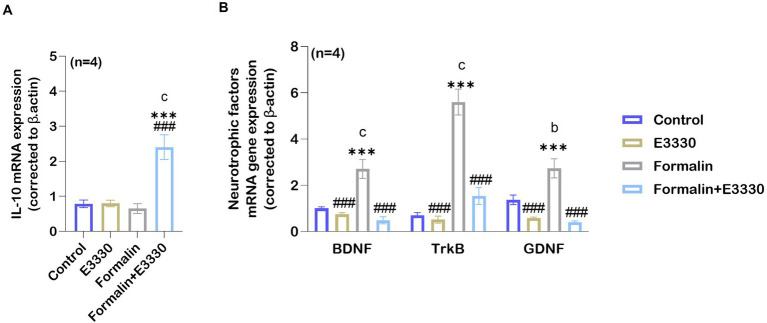 Figure 7
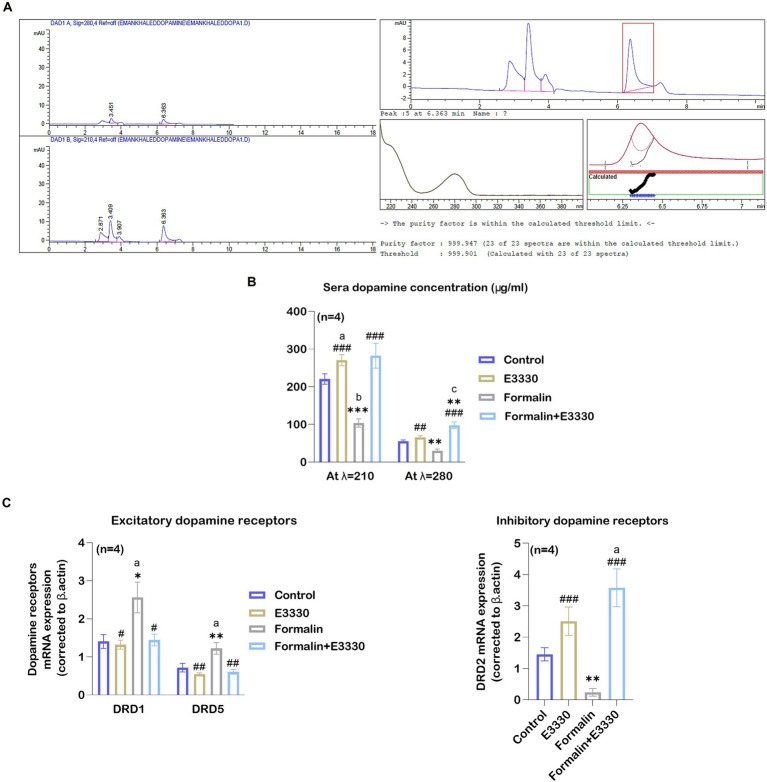 Figure 8
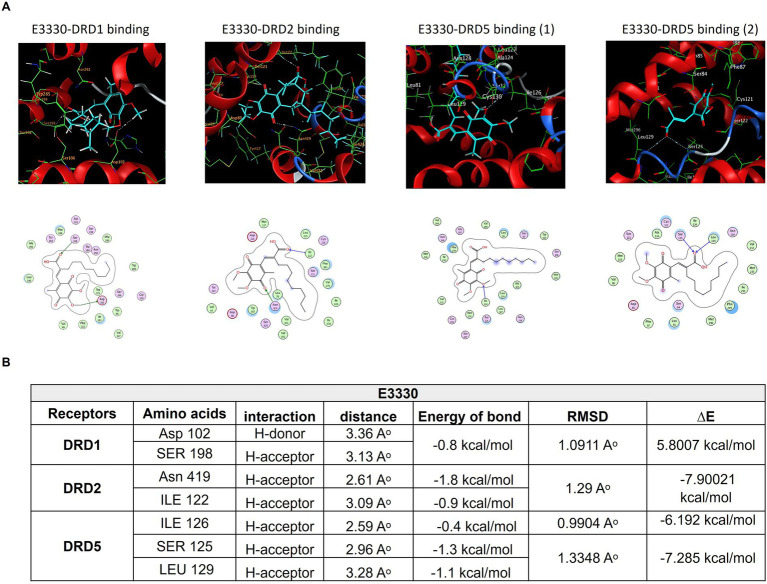 Figure 9
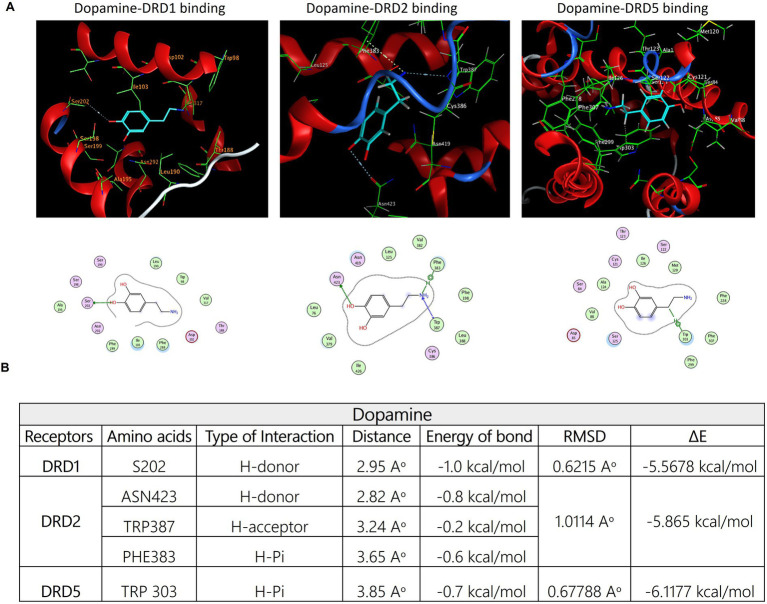 Figure 10
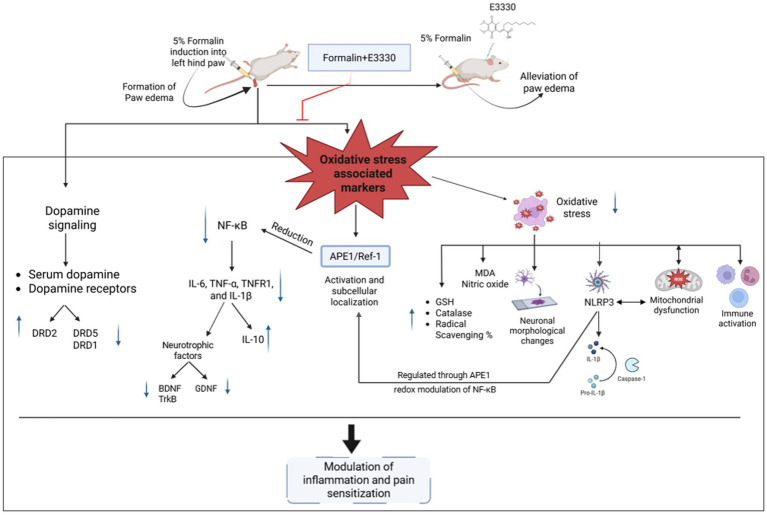 Figure 11
Peer Reviews
No public reviews on file for this paper yet. If you reviewed it on a platform where reviews are public (OpenReview, ICLR, NeurIPS, ICML), you can paste yours below so the community can read it here.
Videos
No videos yet. Explain this paper in a talk, walkthrough, or lecture? Add one.
Taxonomy
TopicsPain Mechanisms and Treatments · Stress Responses and Cortisol · Fibromyalgia and Chronic Fatigue Syndrome Research