Systemic Sarcoidosis Mimicking Metastatic Invasive Ductal Carcinoma of the Breast
Sai R Vulasala, Christopher D Louviere, Farah Navarro, Grit A Adler, Dheeraj R Gopireddy, Parlyn Hatch, Renato Abu Hana

TL;DR
A case is reported where systemic sarcoidosis was mistaken for metastatic breast cancer, highlighting the importance of accurate diagnosis.
Contribution
The paper presents a clinical case emphasizing the diagnostic challenges between sarcoidosis and metastatic cancer.
Findings
Systemic sarcoidosis can mimic metastatic invasive ductal carcinoma of the breast.
Tumor markers and histopathology are essential for distinguishing sarcoidosis from metastatic disease.
Abstract
Sarcoidosis is a granulomatous inflammatory disorder of uncertain etiology that can closely mimic metastatic malignancies, particularly when it presents with multi-organ involvement. In patients with a confirmed diagnosis of cancer, to avoid misdiagnosis and subsequent inappropriate treatment, distinguishing between sarcoidosis and metastatic disease is essential. Histologic confirmation through tissue sampling and correlation with tumor markers are critical tools in this process. We report a case of a 36-year-old female with invasive ductal carcinoma of the breast who presented with suspicious findings that indicated metastatic disease involving her lungs, liver, and bones. However, tumor marker levels and histopathology revealed systemic sarcoidosis, not metastatic spread.
Genes, proteins, chemicals, diseases, species, mutations and cell lines named across the full text — each resolved to its canonical identifier and authoritative record.
Click any figure to enlarge with its caption.
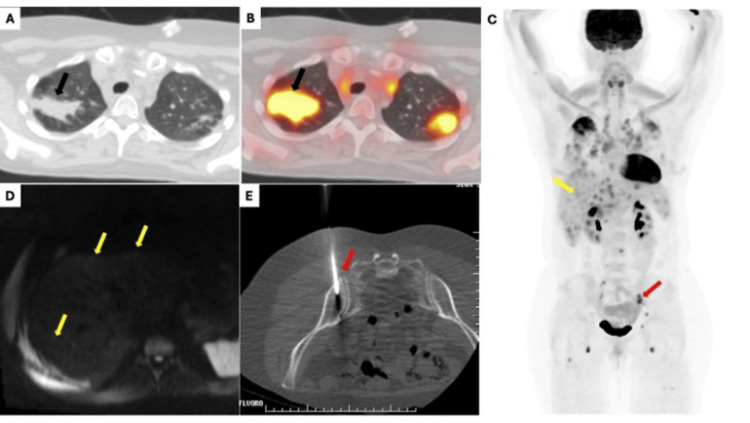 Figure 1
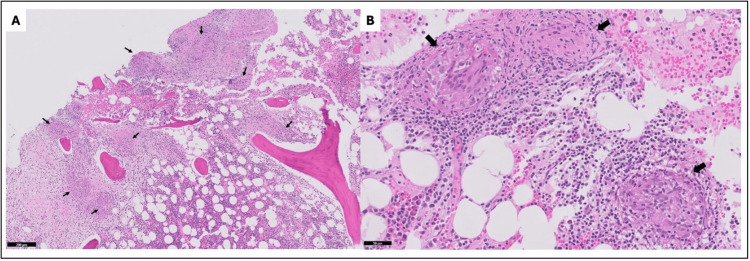 Figure 2
Peer Reviews
No public reviews on file for this paper yet. If you reviewed it on a platform where reviews are public (OpenReview, ICLR, NeurIPS, ICML), you can paste yours below so the community can read it here.
Videos
No videos yet. Explain this paper in a talk, walkthrough, or lecture? Add one.
Taxonomy
TopicsSarcoidosis and Beryllium Toxicity Research · S100 Proteins and Annexins · Melanoma and MAPK Pathways